
Side-by-Side Cognitive Profile: Unpacking the 3/5 Scores
The Cosmic Pet Pet IQ Lab assigns both the Glen of Imaal Terrier and the American Eskimo Dog a consistent 3 out of 5 across all five cognitive dimensions: Problem Solving, Training Speed, Social Intelligence, Instinctive Drive, and Memory. While these identical scores might suggest identical minds, the application and expression of these cognitive strengths are distinct, shaped by centuries of selective breeding for specific purposes.
For the **Glen of Imaal Terrier**, a 3/5 in **Problem Solving** reflects its capacity for independent thought when pursuing quarry, navigating underground tunnels, or strategizing to overcome obstacles in its environment. This isn't about solving human-designed puzzles, but rather about practical, persistent application of wit in challenging, often solitary, situations. Its **Training Speed** at 3/5 indicates it can learn new commands at a moderate pace, but its strong independent streak means it might weigh the value of compliance against its own desires. In **Social Intelligence**, a 3/5 suggests it can read human cues and family dynamics, forming strong bonds, yet often maintaining a certain aloofness with strangers. Its **Instinctive Drive** (3/5) is robust, centered on hunting, digging, and a tenacious pursuit of perceived prey, demanding outlets for these ingrained behaviors. Finally, a 3/5 in **Memory** means it retains learned commands, routines, and experiences effectively, remembering both positive and negative interactions with clarity.
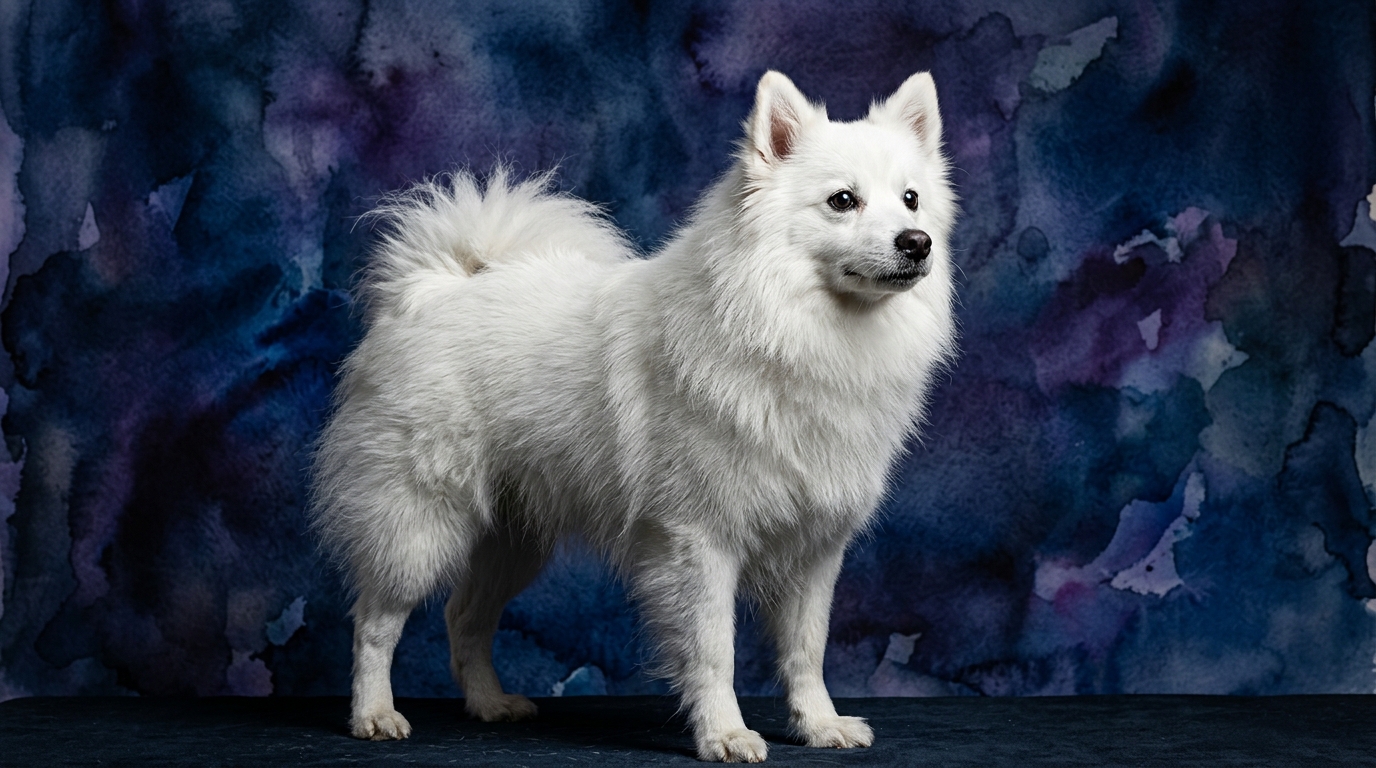
The **American Eskimo Dog's** 3/5 in **Problem Solving** manifests differently, often seen in its cleverness to figure out how to gain attention, manipulate situations for treats, or master complex tricks. This breed excels at understanding sequences and cause-and-effect within a human household context. Its **Training Speed** at 3/5 is often coupled with an eagerness to please, making it receptive to new commands, though it can become bored with excessive repetition, requiring engaging and varied training methods. The **Social Intelligence** of the Eskie, also 3/5, is particularly strong in its ability to read human emotions, respond to subtle body language, and thrive on interactive communication, making it highly attuned to its family. Its **Instinctive Drive** (3/5) leans towards vocalization (alert barking, communicating needs), a desire for companionship, and sometimes a gentle herding tendency, rather than strong prey drive. A 3/5 in **Memory** allows the Eskie to recall a vast repertoire of commands, routines, and the specific cues associated with different family members, aiding its role as a companion and performer.
Where the Glen of Imaal Terrier Wins Cognitively
The Glen of Imaal Terrier truly shines in scenarios demanding independent, tenacious problem-solving and sustained focus. Its cognitive strengths are geared towards self-reliance and achieving specific, often physical, goals. For instance, if tasked with finding a hidden object in a complex outdoor environment, the Glen's 3/5 problem-solving and instinctive drive would likely translate into a relentless, methodical search, utilizing its senses and independent judgment without constant human direction. This breed's ability to remain focused on a task, even when faced with distractions or needing to overcome physical barriers, gives it an edge in situations requiring grit and determination over cooperative teamwork. Its memory also aids in recalling successful strategies for navigating challenging terrains or outwitting small prey.
This terrier's advantage isn't in pleasing its owner with quick obedience, but in its unwavering commitment to its own interpretation of a task, especially those involving exploration or 'work.' Its cognitive profile supports a dog that can make decisions on its own, learning through trial and error in a practical, hands-on manner. This independent streak, while sometimes challenging in training, is a cognitive asset when a dog needs to rely on its own wits to achieve a goal, rather than waiting for human instruction.
Where the American Eskimo Dog Wins Cognitively
The American Eskimo Dog excels where human interaction, communication, and adaptability to structured learning are paramount. Its cognitive strengths are particularly evident in its social intelligence and capacity for complex, sequential learning within a domestic setting. An Eskie's 3/5 problem-solving often manifests as figuring out intricate puzzle toys, learning multi-step tricks, or even understanding how to 'ask' for specific things from its human companions through various cues. This breed's ability to keenly observe and interpret human behavior makes it adept at navigating social situations and forming deep, communicative bonds.
The Eskie's cognitive edge lies in its responsiveness and eagerness to engage with its human family, combined with a good memory for commands and routines. This makes it particularly suited for activities like obedience, agility, or even therapy work, where understanding complex instructions and responding reliably are crucial. Its social intelligence allows it to anticipate human desires and adjust its behavior accordingly, fostering a more harmonious and interactive partnership, distinguishing its cognitive application from the more independent Glen.
Which is Easier to Train and Why
Despite both breeds scoring a 3/5 in Training Speed, the **American Eskimo Dog** is generally considered easier to train for most owners. This difference largely stems from their distinct temperaments and motivations, which influence how their training speed score plays out in practice. The Eskie typically possesses a strong desire to please its handler and thrives on positive reinforcement and interaction. Their social intelligence and attentiveness to human cues mean they are often more focused on the trainer during sessions, making them receptive to learning new commands and eager to perform them for praise or rewards. They tend to respond well to varied, engaging training methods that prevent boredom, and their good memory ensures retention of what they've learned.
The **Glen of Imaal Terrier**, while equally capable of learning (3/5 Training Speed), brings its independent terrier nature to the training arena. This breed was developed to work alone, making its own decisions underground, which translates into a dog that can be wonderfully persistent but also strong-willed. A Glen might understand a command perfectly well but choose not to obey if it perceives a more interesting alternative or if the reward isn't sufficiently motivating. Training a Glen requires immense patience, consistency, and creative motivation to convince it that cooperating with its human is the most rewarding path. This isn't a lack of cognitive ability, but rather a difference in inherent drive and priority, making the Eskie's training journey often smoother for the average owner.
Which Suits Active Owners vs. Relaxed Owners
Understanding the specific ways each breed applies its cognitive strengths is key to matching them with the right owner lifestyle. The **Glen of Imaal Terrier**, with its potent instinctive drive (3/5) for hunting and digging, alongside its independent problem-solving, is better suited for **active owners** who appreciate a dog with a strong will and can provide appropriate outlets for its terrier energy. These are owners who can commit to consistent, engaging training, structured walks, and opportunities for 'work' that satisfy its investigative nature, such as earthdog trials or scent work. A relaxed owner might find the Glen's tenacity and independent decision-making challenging, potentially leading to unwanted behaviors if its cognitive and physical needs are not met through stimulating activities.
The **American Eskimo Dog**, while not a couch potato, is a better fit for owners who prioritize companionship, mental engagement through learning, and social interaction. Its strong social intelligence and desire to please make it thrive on being an integral part of family life. This breed suits owners who are **active in a social or mentally stimulating sense**, enjoying training sessions, dog sports like agility or obedience, and frequent family outings. While it needs daily walks and play, its activity needs are often more focused on shared experiences and mental challenges rather than relentless physical exertion. A relaxed owner who enjoys interactive play and training, but might not be suited for a dog needing constant outdoor 'work,' would find a harmonious partnership with an Eskie.
The Verdict: When to Choose Each
The Verdict
Choose the Glen of Imaal Terrier if you are an experienced, active owner who appreciates a tenacious, independent canine companion and can provide dedicated outlets for its strong instincts and problem-solving drive.
Opt for the American Eskimo Dog if you seek a highly social, responsive, and clever companion eager to learn and participate in family activities, thriving on mental engagement and close human interaction.
🧠 Find Your Pet's IQ Score
Our Pet IQ Lab assessment covers 25+ tests across 5 cognitive dimensions — personalized to your breed.
Take the Full IQ Test →Frequently Asked Questions
Do Glen of Imaal Terriers get along with other pets?
Glen of Imaal Terriers can coexist with other pets, especially if socialized early. However, their strong instinctive drive (3/5) means they may view smaller furry animals as prey, requiring careful supervision and training to manage these instincts.
Are American Eskimo Dogs good for first-time dog owners?
American Eskimo Dogs can be suitable for first-time owners due to their high social intelligence and eagerness to please, which often makes them easier to train. However, their need for mental stimulation and potential for vocalization means owners must be prepared for consistent engagement.
How do their memory scores (3/5) impact everyday life?
A 3/5 memory score means both breeds retain information well, remembering commands, routines, and experiences. For the Glen, this aids in recalling hunting strategies or territories, while for the Eskie, it supports remembering complex tricks and human-specific cues, making daily interactions consistent.