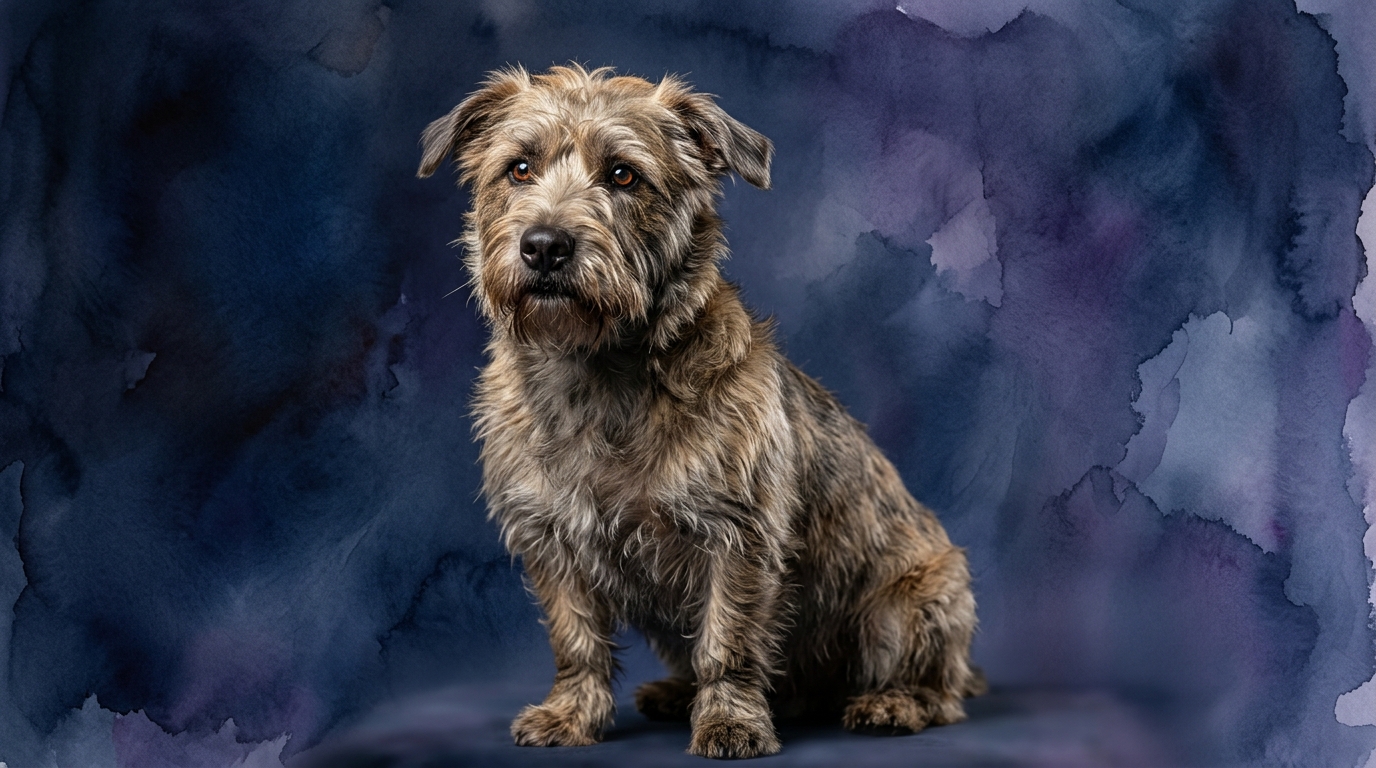
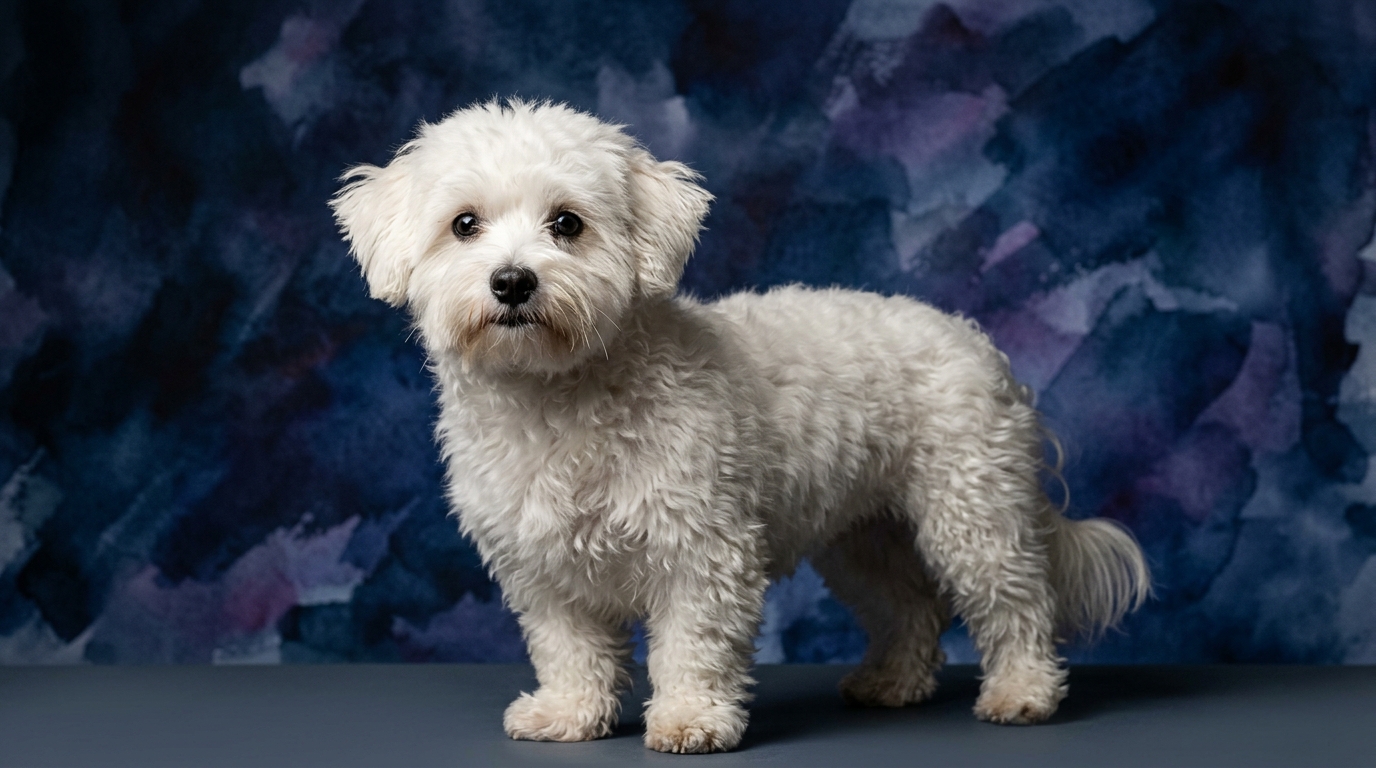
Side-by-Side Cognitive Profile: Glen of Imaal Terrier vs. Coton de Tuléar
Despite both breeds scoring 3/5 across all cognitive dimensions, their historical roles and inherent temperaments mean these scores manifest uniquely in their daily lives. Understanding these subtle differences is key to appreciating their distinct mental landscapes.
For the **Glen of Imaal Terrier (Terrier)**, a Problem Solving score of 3/5 reflects a practical, persistent approach to overcoming obstacles, often rooted in their badger-hunting heritage. They are adept at figuring out how to get to a desired object or location, demonstrating a tenacious drive to complete a self-assigned task, sometimes independently of human direction. Their Training Speed of 3/5 indicates a moderate capacity for learning new commands, but their independent terrier spirit means they evaluate the utility of a command rather than blindly obeying; consistency and engaging methods are crucial. Social Intelligence, also 3/5, means they exhibit a balanced understanding of their human family, capable of forming strong bonds and recognizing emotional cues, yet they maintain a degree of self-sufficiency, preferring to observe or engage on their own terms. An Instinctive Drive of 3/5 is evident in their working background, manifesting as a strong prey drive, a propensity for digging, and a vigilant nature that requires appropriate outlets. Finally, their Memory score of 3/5 means Glen of Imaals have a solid memory for routines, learned commands, and spatial layouts, particularly those related to their 'territory' or hunting grounds, recalling training cues effectively over time.
The **Coton de Tuléar (Non-Sporting)**, with a Problem Solving score of 3/5, approaches challenges with a focus on their human companions, often attempting to 'figure out' how to get attention or access to preferred people or places. Their solutions tend to be socially oriented, such as using vocalizations or clever nudges, rather than purely physical manipulation of the environment. Their Training Speed of 3/5 shows a moderate willingness and ability to learn, often eager to please their owners, which can make training an enjoyable experience; they absorb new commands steadily, especially with positive reinforcement. Social Intelligence, also 3/5, is where the Coton truly shines, as they excel in understanding human emotions and intentions, often mirroring the mood of their household and seeking to comfort or engage as appropriate; they are highly attuned to social cues. Their Instinctive Drive, rated 3/5, is typically channeled towards companionship and interaction rather than intense prey pursuit; they might display a mild curiosity for small animals, but their primary drive is often to be near their people. A Memory score of 3/5 means Cotons demonstrate a good memory for established routines, household rules, and the people they encounter regularly, recalling training cues and social interactions well.
Where the Glen of Imaal Terrier Wins Cognitively
While both breeds share a 3/5 in problem-solving, the Glen of Imaal Terrier's cognitive strengths lie in its independent and tenacious approach to physical challenges. Their historical role as badger and fox hunters cultivated a mindset geared towards persistent, self-directed task completion. A Glen might excel at figuring out how to dismantle a puzzle toy without direct human guidance, or how to navigate a complex outdoor environment to reach a specific scent. Their problem-solving involves robust spatial awareness and a willingness to try multiple strategies until a physical barrier is overcome, often demonstrating significant grit. This cognitive advantage manifests in scenarios requiring sustained focus on an objective, even when the solution isn't immediately apparent or requires physical exertion, distinguishing their approach from the Coton's more socially-oriented problem-solving.
Where the Coton de Tuléar Wins Cognitively
Conversely, the Coton de Tuléar's cognitive wins are rooted in its exceptional social acumen, also rated 3/5 but expressed differently. As dedicated companion dogs, Cotons develop a nuanced understanding of human behavior and emotions. They are particularly adept at reading subtle cues, interpreting vocal tones, and adjusting their actions to elicit desired responses from their owners. A Coton might quickly learn which facial expressions indicate playtime versus quiet time, or how to subtly nudge a hand for attention without being overly demanding. Their problem-solving often revolves around social dynamics, such as figuring out how to get a preferred spot on the couch or how to 'charm' a new visitor. This social intelligence allows them to integrate seamlessly into diverse family structures and adapt to various social situations with remarkable grace, making them highly responsive to their environment's emotional landscape.
Training Dynamics: Which is Easier and Why?
Despite both breeds having a 3/5 rating for Training Speed, the Coton de Tuléar is generally perceived as easier to train due to fundamental differences in motivation and temperament. Cotons possess a strong desire to please their human companions and thrive on positive interaction, making them highly responsive to praise and treats. Their social intelligence means they quickly grasp what their owner wants and are eager to comply to maintain harmony and receive affection. This intrinsic motivation for partnership translates into a more consistent and enthusiastic training participant.
The Glen of Imaal Terrier, while equally capable of learning (3/5 Training Speed), brings a distinct terrier independence to the training process. Their historical purpose required them to make decisions autonomously in the field, leading to a cognitive profile that values self-reliance. A Glen might understand a command perfectly but choose not to execute it if they perceive a more pressing 'terrier task' or if the motivation isn't compelling enough from their perspective. Training a Glen requires more patience, creativity, and a firm but fair approach that respects their independent spirit. Owners must make training engaging and demonstrate its value, as these dogs are less inclined to simply 'obey' without understanding the purpose. Their moderate training speed is often tempered by their selective biddability, meaning consistent reinforcement and making training a rewarding game are paramount.
Matching Breeds to Lifestyles: Active vs. Relaxed Owners
The choice between a Glen of Imaal Terrier and a Coton de Tuléar also hinges on an owner's lifestyle and energy levels. The Glen of Imaal Terrier, with its instinctive drive (3/5) and terrier heritage, is better suited for moderately active owners who enjoy engaging in structured activities. They require regular mental and physical stimulation to prevent boredom, which can manifest as digging, excessive barking, or destructive chewing. Activities like earthdog trials, obedience, agility, or long, exploratory walks where they can use their senses are highly beneficial. Their independent nature also means they appreciate tasks where they can 'work' alongside their owner, rather than just passively observing. An owner who understands and respects their tenacious spirit will thrive with a Glen, providing outlets for their moderate but distinct drive.
The Coton de Tuléar, while certainly enjoying playtime and walks, is generally more adaptable to a relaxed owner's lifestyle. Their social intelligence and moderate instinctive drive (3/5) mean their primary need is companionship and engagement with their family. They are content with moderate daily exercise, such as short walks or indoor play, as long as they receive ample attention and mental stimulation through training games or interactive toys. Cotons are known for their ability to settle comfortably into a family routine, often happy to cuddle on the couch or follow their owners from room to room. They thrive in environments where they are central to the family's activities, making them an excellent choice for individuals or families seeking a devoted and adaptable companion who values close interaction over intense physical demands.
The Verdict
Choose the Glen of Imaal Terrier if you appreciate a dog with independent problem-solving skills, a tenacious spirit, and are prepared to engage in consistent, creative training that respects their self-reliant nature and moderate activity needs.
Choose the Coton de Tuléar if you seek a highly socially intelligent companion who thrives on close interaction, adapts gracefully to various social situations, and is eager to please during training, fitting well into a more relaxed but attentive household.
🧠 Find Your Pet's IQ Score
Our Pet IQ Lab assessment covers 25+ tests across 5 cognitive dimensions — personalized to your breed.
Take the Full IQ Test →Frequently Asked Questions
Do Glen of Imaal Terriers get along with other pets?
Glen of Imaal Terriers, with their moderate instinctive drive (3/5), can co-exist with other pets, especially if introduced early and socialized appropriately. However, their terrier prey drive may make them less suitable for homes with small rodents or birds, requiring careful supervision.
How much grooming does a Coton de Tuléar require?
Coton de Tuléars have a soft, cotton-like coat that requires regular grooming to prevent matting, typically daily brushing and professional grooming every few weeks. This routine interaction also provides mental stimulation and reinforces the bond, aligning with their social intelligence (3/5).
Are Glen of Imaal Terriers good for first-time dog owners?
Glen of Imaal Terriers can be a good fit for first-time owners who are committed to consistent training and socialization, understanding their independent nature and need for mental engagement. Their moderate training speed (3/5) means patience and engaging methods are key to success.