Side-by-Side IQ Profile: Unpacking the 3/5 Scores
At first glance, the identical 3/5 scores across all categories for both the Glen of Imaal Terrier and the Japanese Chin might suggest a cognitive parity, but a deeper look into their breed-specific manifestations reveals distinct operational styles. A 3/5 in Problem Solving indicates a moderate capacity to navigate new challenges and devise solutions; for the Glen, this often translates into independent strategies for scent tracking or burrowing, while for the Chin, it might involve intricate social maneuvering or figuring out how to access a coveted lap spot.
Training Speed, also at 3/5, points to a moderate rate of learning new commands and routines. The Glen, with its terrier independence, will learn at a steady pace but often requires compelling motivation, whereas the Chin, typically eager to please its inner circle, absorbs lessons quickly when presented gently and positively. Social Intelligence at 3/5 means both breeds possess a decent understanding of social cues and interactions; the Glen applies this to pack dynamics and recognizing threats, while the Chin excels at reading human emotions and subtly influencing its environment.
Instinctive Drive, again 3/5, underscores a moderate level of innate, hardwired behaviors. For the Glen, this is powerfully expressed in its drive to hunt and dig, a strong echo of its working past. The Japanese Chin's 3/5 drive manifests more as a profound need for companionship, a gentle playfulness, and a refined sensitivity to its surroundings, reflecting its history as a pampered companion. Finally, Memory at 3/5 suggests a reliable ability to recall learned behaviors, locations, and social experiences; the Glen remembers training sequences and prey locations, while the Chin retains intricate details about its human’s preferences and the household schedule.
Where the Glen of Imaal Terrier’s Cognitive Style Excels
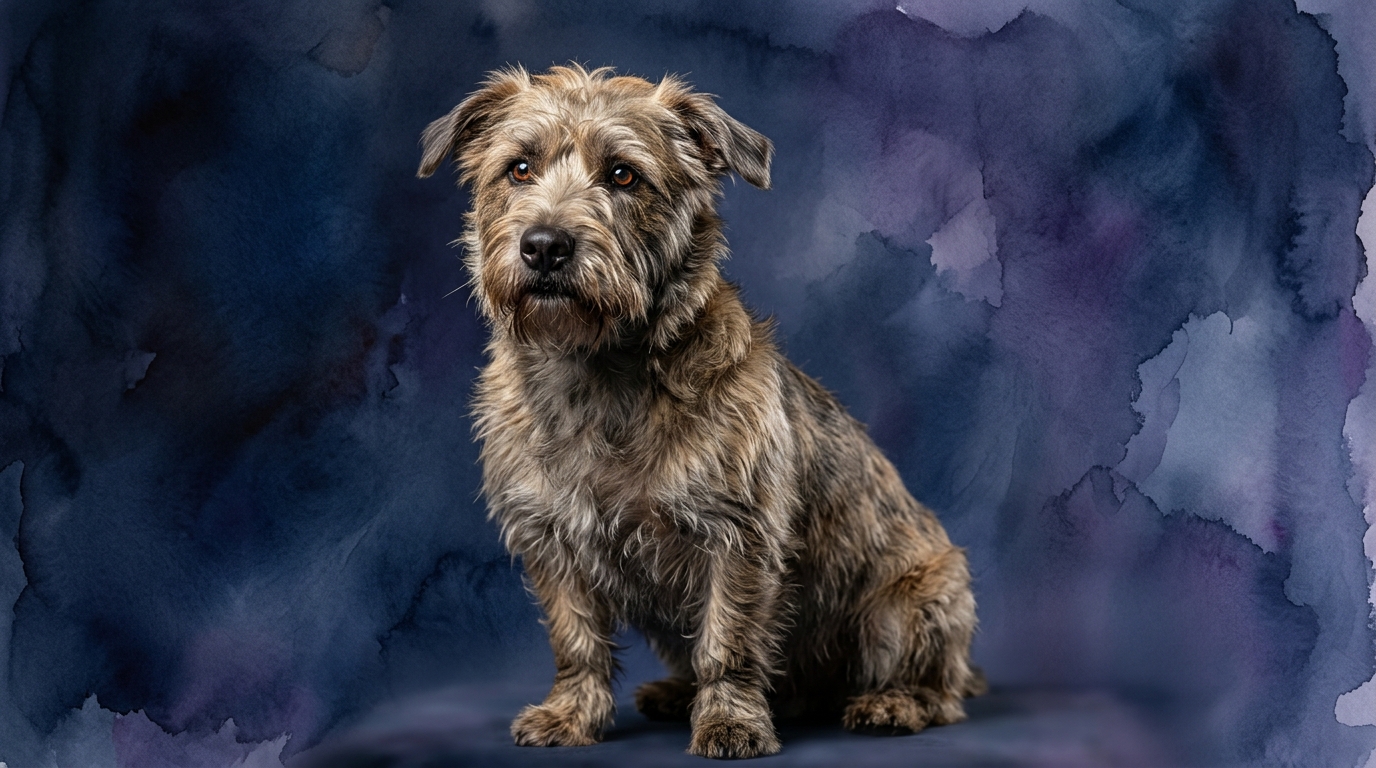
While sharing numerical scores, the Glen of Imaal Terrier demonstrates a particular cognitive robustness rooted in its working heritage. Its 3/5 Problem Solving shines brightest in scenarios requiring independent thought and persistence, especially when tackling physical obstacles or pursuing a scent. This isn't about rote learning, but about adaptive strategy: how to navigate a complex burrow system or outsmart a tenacious rodent. Owners often observe their Glens methodically working through puzzles, displaying a focused determination that belies their moderate score, driven by an inherent terrier tenacity.
The Glen's 3/5 Instinctive Drive is a powerful asset in certain contexts, manifesting as an unwavering focus on a task once engaged. This means that while training speed is moderate, once a Glen understands the 'why' behind a command, particularly if it taps into their natural drives (like scent work or digging games), their memory holds strong, and their problem-solving shifts to optimizing performance. Their social intelligence, while not overtly demonstrative, allows them to accurately assess situations and react appropriately, making them surprisingly astute observers of household dynamics without being overly reactive. Their cognitive strengths are practical, resilient, and geared towards self-reliance.
Where the Japanese Chin’s Cognitive Style Shines
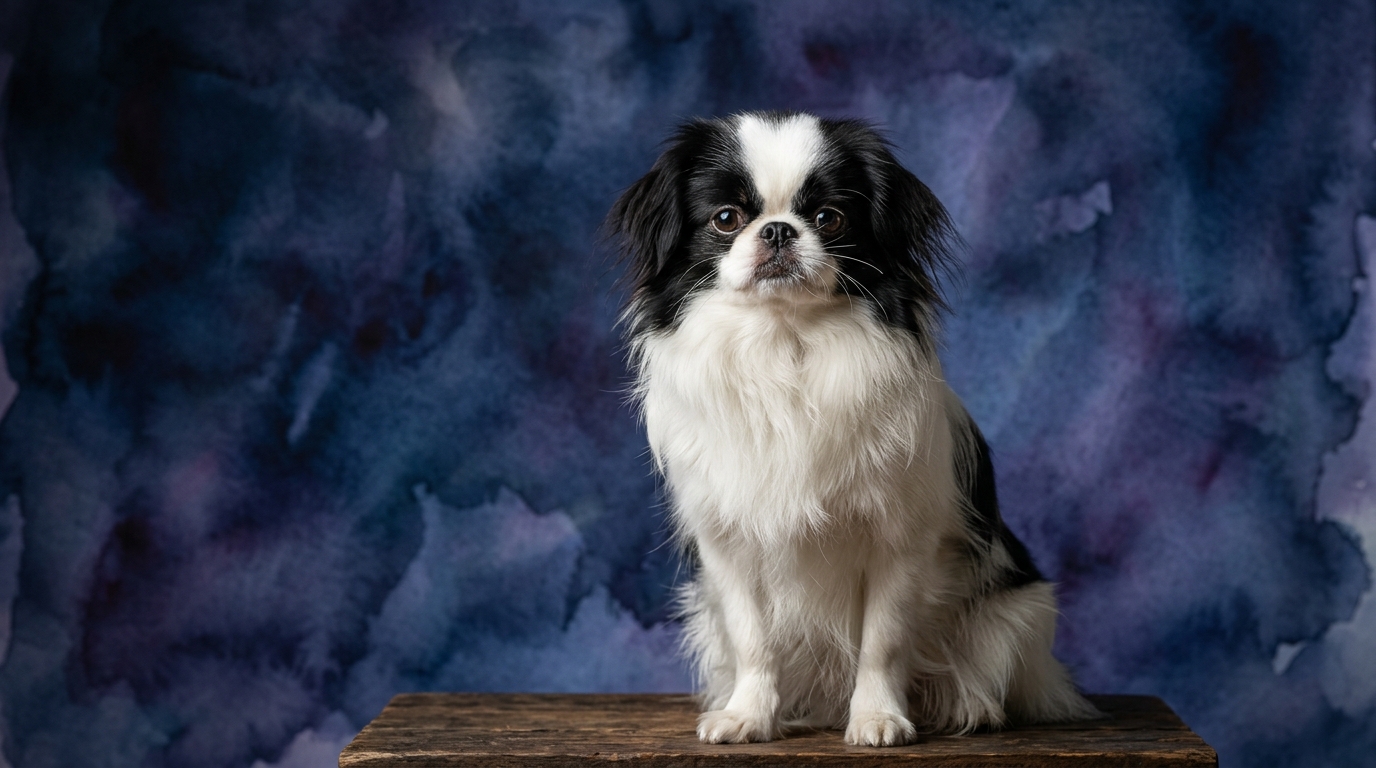
The Japanese Chin, with its identical 3/5 scores, offers a stark contrast in the application of its cognitive abilities, excelling in areas requiring nuanced social understanding and environmental awareness. Its 3/5 Social Intelligence is paramount, allowing it to form deep, intuitive bonds with its human companions and to pick up on subtle emotional cues with remarkable accuracy. This breed doesn't just recognize a mood; it often responds to it, offering comfort or initiating gentle play, showcasing an empathetic intelligence that is highly refined.
The Chin's 3/5 Problem Solving often manifests in creative ways to achieve comfort or attention, such as strategically placing itself for maximum petting or using a quiet gaze to communicate a need. Their memory, also 3/5, is particularly strong for routines and preferred interactions, making them adept at anticipating daily events and remembering which family member is most likely to offer a treat or a cuddle. Their instinctive drive, while not predatory, is powerfully channeled into companionship and social harmony, making them highly attuned to the dynamics of their human 'pack' and quick to learn the rules of the household to maintain peace and comfort.
Training Dynamics: Glen vs. Chin
When it comes to training, the identical 3/5 Training Speed scores diverge significantly in practical application due to inherent breed temperaments. The Glen of Imaal Terrier, a true terrier, possesses a strong independent streak. While capable of learning at a steady pace, their problem-solving nature can lead them to question commands or find alternative 'solutions' if not properly motivated. Training a Glen requires consistency, patience, and making the learning process engaging and rewarding, often tapping into their instinctive drives with scent work or digging games to maintain focus. They respond best when they feel they are collaborating, not just obeying, and their moderate memory ensures they retain lessons if reinforced positively.
The Japanese Chin, conversely, often approaches training with a desire to please its beloved human. Their 3/5 Training Speed is enhanced by their keen social intelligence, allowing them to quickly grasp what is expected. However, their sensitive nature means harsh corrections are counterproductive, potentially leading to anxiety or shutdown. Positive reinforcement, gentle encouragement, and short, fun sessions are key. While they learn quickly, their memory, also 3/5, is particularly strong for routines and social interactions, making them adept at house training and understanding household rules. Their training is less about overcoming stubbornness and more about nurturing their willingness to cooperate within a close bond.
Lifestyle Match: Active vs. Relaxed Owners
Considering their cognitive profiles and innate drives, the Glen of Imaal Terrier and Japanese Chin cater to distinctly different owner lifestyles. The Glen of Imaal Terrier, with its robust 3/5 instinctive drive and independent problem-solving, is better suited for active owners who appreciate a dog with purpose and tenacity. They thrive on regular physical exercise, opportunities for scent work, and mental challenges that allow them to engage their natural terrier instincts, such as supervised digging or puzzle toys. Owners who enjoy hiking, exploring, or engaging in dog sports will find a fulfilling partner in a Glen, as their moderate memory helps them navigate familiar trails and recall complex sequences.
In contrast, the Japanese Chin, with its strong 3/5 social intelligence and companion-oriented instinctive drive, is an ideal match for more relaxed owners who cherish close companionship. While they enjoy short, gentle walks and playtime, their primary need is for human interaction and a comfortable, predictable home environment. Their excellent social memory allows them to quickly learn household routines and bond deeply with family members, making them content lapdogs and attentive companions. Owners who work from home, retirees, or those seeking a calm, affectionate presence will find the Japanese Chin’s cognitive makeup perfectly aligned with their lifestyle.
The Verdict
Choose the Glen of Imaal Terrier if you are an active owner seeking a resilient, independent canine partner who thrives on mental and physical challenges and appreciates a dog that thinks for itself.
Opt for the Japanese Chin if you are a relaxed owner desiring a sensitive, socially astute companion who excels at forming deep bonds and thrives in a calm, affectionate home environment.
🧠 Find Your Pet's IQ Score
Our Pet IQ Lab assessment covers 25+ tests across 5 cognitive dimensions — personalized to your breed.
Take the Full IQ Test →Frequently Asked Questions
Do Glen of Imaal Terriers and Japanese Chins learn at the same pace?
While both breeds have a 3/5 Training Speed, their learning styles differ. Glens learn steadily but require engaging motivation due to their independence, while Chins learn quickly when training is gentle and positive, driven by their desire to please.
Which breed is better at solving problems?
Both are rated 3/5 in Problem Solving, but they apply it differently. Glens excel at independent, physical problem-solving related to their terrier instincts, while Chins often use their problem-solving skills for social navigation and comfort-seeking within their human environment.
Are these breeds good with children?
Both breeds can be good with children, but require proper socialization and supervision. Glens are sturdy and playful, but their terrier nature means they need respectful interaction. Chins are sensitive and thrive in calmer environments, making them better suited for gentle, older children.