Side-by-Side Cognitive Profiles
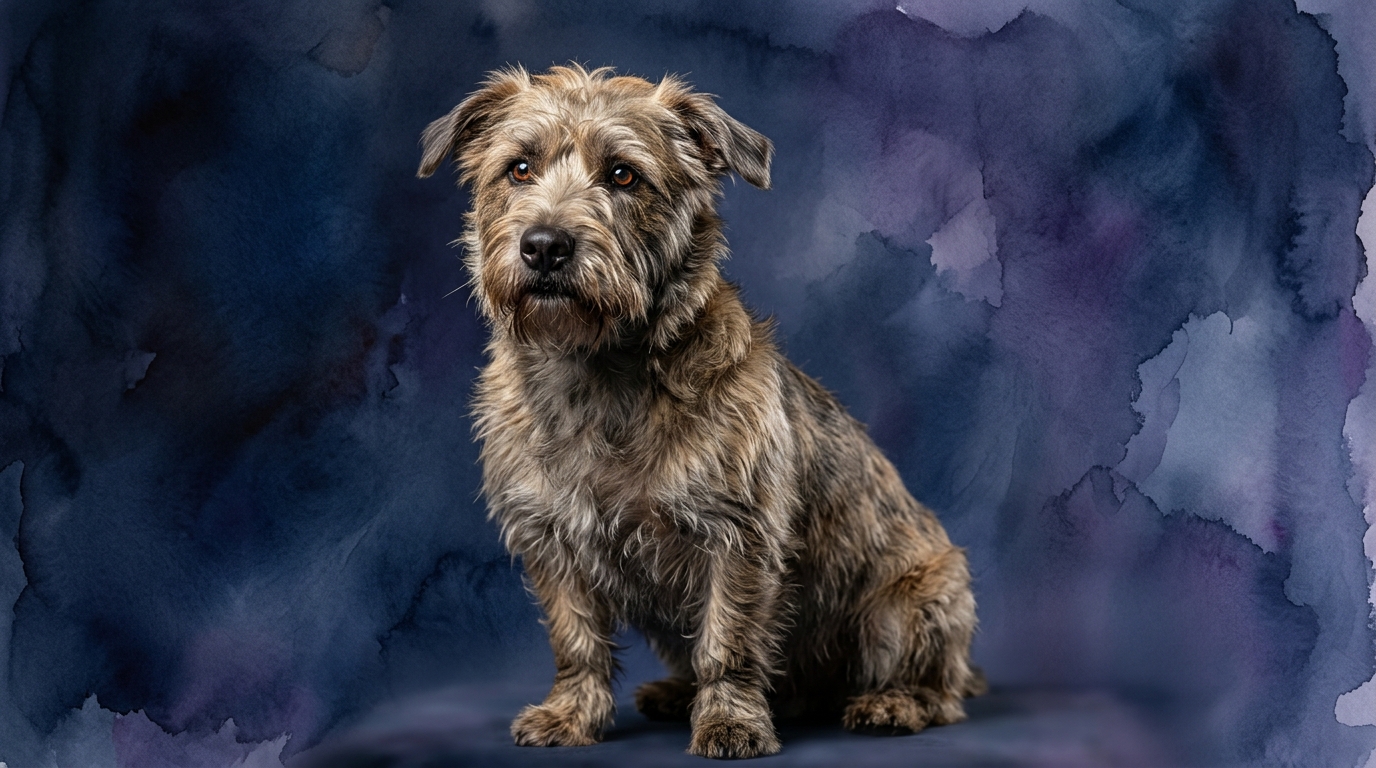
The Cosmic Pet Pet IQ Lab offers a unique lens through which to understand canine cognition, breaking down intelligence into five key dimensions. For the Glen of Imaal Terrier, a robust member of the Terrier group, we observe a balanced cognitive profile. Their Problem Solving is rated at 3/5, indicating a resourceful but often persistent approach to challenges, typical of a dog bred to work independently. Training Speed also stands at 3/5, suggesting they can learn new commands and routines effectively, though their independent spirit means they require engaging methods and consistent reinforcement. Social Intelligence, at 3/5, points to a discerning understanding of human cues and pack dynamics, without being overly solicitous. Their Instinctive Drive, also 3/5, is geared towards the tenacious pursuit and investigation characteristic of earthdog work, manifesting as focused determination. Finally, their Memory, rated 3/5, ensures they retain learned behaviors and experiences, though perhaps not with the instantaneous recall of some other breeds.
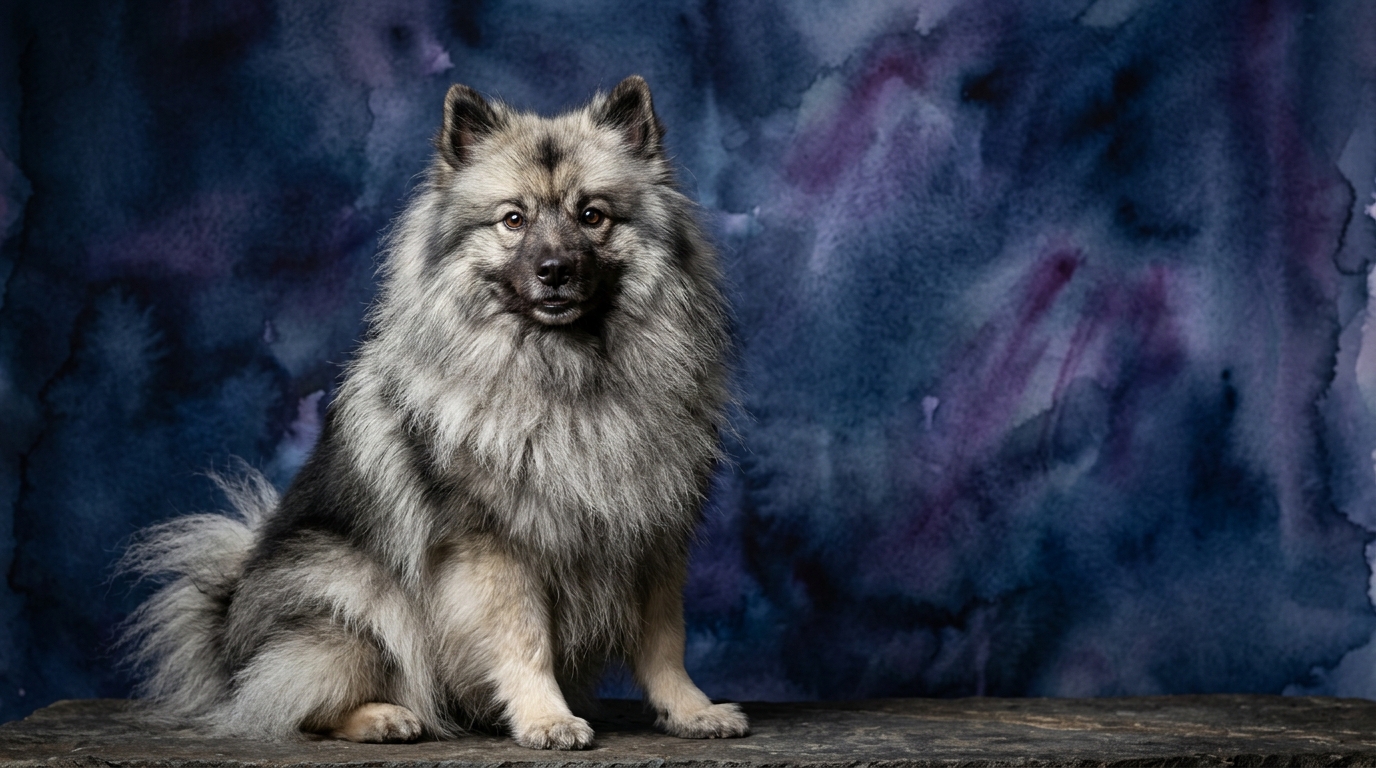
In contrast, the Keeshond, a captivating Non-Sporting breed, presents a profile marked by particular strengths. Their Problem Solving scores 4/5, indicating a keen ability to navigate complex situations and deduce solutions with noticeable efficiency. Training Speed is similarly high at 4/5, reflecting their eagerness to learn and respond to instruction, making them relatively quick studies in obedience and new skills. Their Social Intelligence matches the Glen of Imaal Terrier at 3/5, but often manifests as a deep attunement to their immediate family's emotions and routines, making them highly empathetic companions. The Keeshond’s Instinctive Drive, also 3/5, is rooted in their heritage as a vigilant watch and companion dog, translating into a strong desire to alert and protect their home and family. Where the Keeshond truly distinguishes itself is in Memory, earning an impressive 5/5. This indicates an exceptional capacity for retaining learned information, commands, and experiences over extended periods, making them remarkably consistent in their learned behaviors.
Where the Glen of Imaal Terrier Excels Cognitively
While the Keeshond boasts higher scores in several areas, the Glen of Imaal Terrier’s cognitive strengths lie in its unique blend of tenacity and self-reliance. Their 3/5 Problem Solving, combined with their terrier heritage, means they approach obstacles with an unyielding determination. They may not always find the quickest solution, but they are unlikely to give up. This manifests as a thoughtful persistence when faced with a puzzle toy or a task requiring sustained effort, often trying different approaches until a solution is found. This breed shines in scenarios where independent thought and a resilient spirit are paramount, rather than immediate, human-directed compliance. Their relatively moderate Instinctive Drive of 3/5, while not extreme, is perfectly calibrated for its original purpose, enabling them to focus intently on a task, whether it's tracking a scent or investigating a sound, with a deep-seated drive to complete the objective without constant human intervention. They are dogs who consider and then act, rather than simply reacting.
Where the Keeshond Excels Cognitively
The Keeshond's cognitive profile showcases clear advantages, particularly in areas that facilitate rapid learning and retention. Their 4/5 Problem Solving score means they often quickly deduce how to navigate new environments or manipulate objects to achieve a goal, demonstrating a notable adaptability. This makes them adept at understanding complex sequences of commands or figuring out household routines. The Keeshond's 4/5 Training Speed indicates a dog that picks up new concepts with relative ease, responding well to positive reinforcement and consistency. However, their truly standout cognitive asset is their 5/5 Memory. This exceptional recall means that once a behavior or command is learned, it is deeply ingrained, requiring less frequent refreshers than many other breeds. This strong memory contributes significantly to their reliability in obedience and their ability to maintain complex behavioral repertoires over their lifetime. They remember past interactions, learned rules, and the nuances of their environment with remarkable precision.
Training: Responsiveness vs. Resourcefulness
When it comes to training, the differences between these two breeds become quite apparent, primarily due to their distinct scores in Training Speed and Memory. The Keeshond, with its 4/5 Training Speed and unparalleled 5/5 Memory, is generally considered easier to train for foundational obedience and advanced tasks. They are eager to please their family and quickly grasp what is expected of them, retaining commands and routines with impressive accuracy. A Keeshond thrives on positive reinforcement, praise, and consistent, clear instructions, often demonstrating a strong desire to work collaboratively with their human companions. Their Coren rank of #16 further underscores their capacity for understanding and executing commands reliably, often making them excellent candidates for various dog sports and activities that require precision and recall.
The Glen of Imaal Terrier, with its 3/5 Training Speed and 3/5 Memory, presents a different training dynamic. They are not difficult to train, but they demand a more patient, creative, and consistent approach. Their terrier independence means they often evaluate requests before complying, rather than offering immediate, eager obedience. Training a Glen requires understanding their self-assured nature and making learning an engaging, rewarding experience that appeals to their problem-solving instincts. They respond best to methods that respect their intelligence and provide motivation beyond mere repetition. While they retain information, it may take more repetitions to solidify a command, and occasional refreshers might be more beneficial compared to a Keeshond. Owners should be prepared for a dog that will challenge them to be more inventive in their training strategies.
Lifestyle Match: Engaged Companion vs. Independent Partner
Choosing between these breeds also depends heavily on an owner's lifestyle and what they seek in a canine companion. The Keeshond, with its social intelligence and strong memory, is an excellent fit for owners who desire an actively engaged family member. They thrive on being part of daily activities, enjoying regular walks, playtime, and mental challenges like puzzle toys or learning new tricks. Their desire for companionship means they do best in homes where they are not left alone for extended periods. They adapt well to various living situations, from apartments to houses with yards, as long as their needs for social interaction and moderate exercise are met. They are often described as adaptable and good-natured, making them suitable for families seeking a responsive and loving presence.
The Glen of Imaal Terrier, while affectionate with its family, leans towards a more independent partnership. They are not necessarily 'relaxed' in the sense of being inactive, but rather self-contained. They require moderate exercise to satisfy their physical needs, but equally important is mental stimulation that engages their problem-solving abilities and instinctive drives. Owners who appreciate a dog with a distinct personality and a thoughtful approach to life will find a rewarding companion in the Glen. They are well-suited for owners who enjoy focused activities like earthdog trials, scent work, or consistent training sessions that challenge their minds. While they enjoy their family’s company, they are often content to observe or engage on their own terms, making them a good choice for those who value a dog that combines independence with loyalty, rather than constant, overt displays of affection.
The Verdict
Choose a Glen of Imaal Terrier if you appreciate a tenacious, self-reliant canine partner who will engage with you thoughtfully and bring a unique blend of terrier grit and quiet charm to your home.
Opt for a Keeshond if you seek a highly responsive, companionable dog who excels at learning and remembering, thriving on active participation and deep integration into family life.
🧠 Find Your Pet's IQ Score
Our Pet IQ Lab assessment covers 25+ tests across 5 cognitive dimensions — personalized to your breed.
Take the Full IQ Test →Frequently Asked Questions
Is the Glen of Imaal Terrier difficult to train due to its independence?
The Glen of Imaal Terrier is not difficult to train, but their 3/5 Training Speed and terrier independence mean they require patient, consistent, and engaging methods. They respond best when training is made fun and respects their thoughtful nature, rather than relying on rote repetition.
Do Keeshonds need a lot of mental stimulation given their high memory and problem-solving scores?
Yes, Keeshonds, with their 4/5 Problem Solving and 5/5 Memory, thrive on mental stimulation. They enjoy learning new commands, playing puzzle games, and participating in activities that challenge their quick minds and excellent recall, which helps prevent boredom and keeps them engaged.
How do their social intelligence scores of 3/5 manifest differently in each breed?
For the Glen of Imaal Terrier, 3/5 social intelligence means they are observant of their family but maintain a degree of self-sufficiency, engaging on their own terms. For the Keeshond, also 3/5, this manifests as a deep attunement to their immediate human pack's emotions and routines, making them empathetic and responsive companions within their family unit.