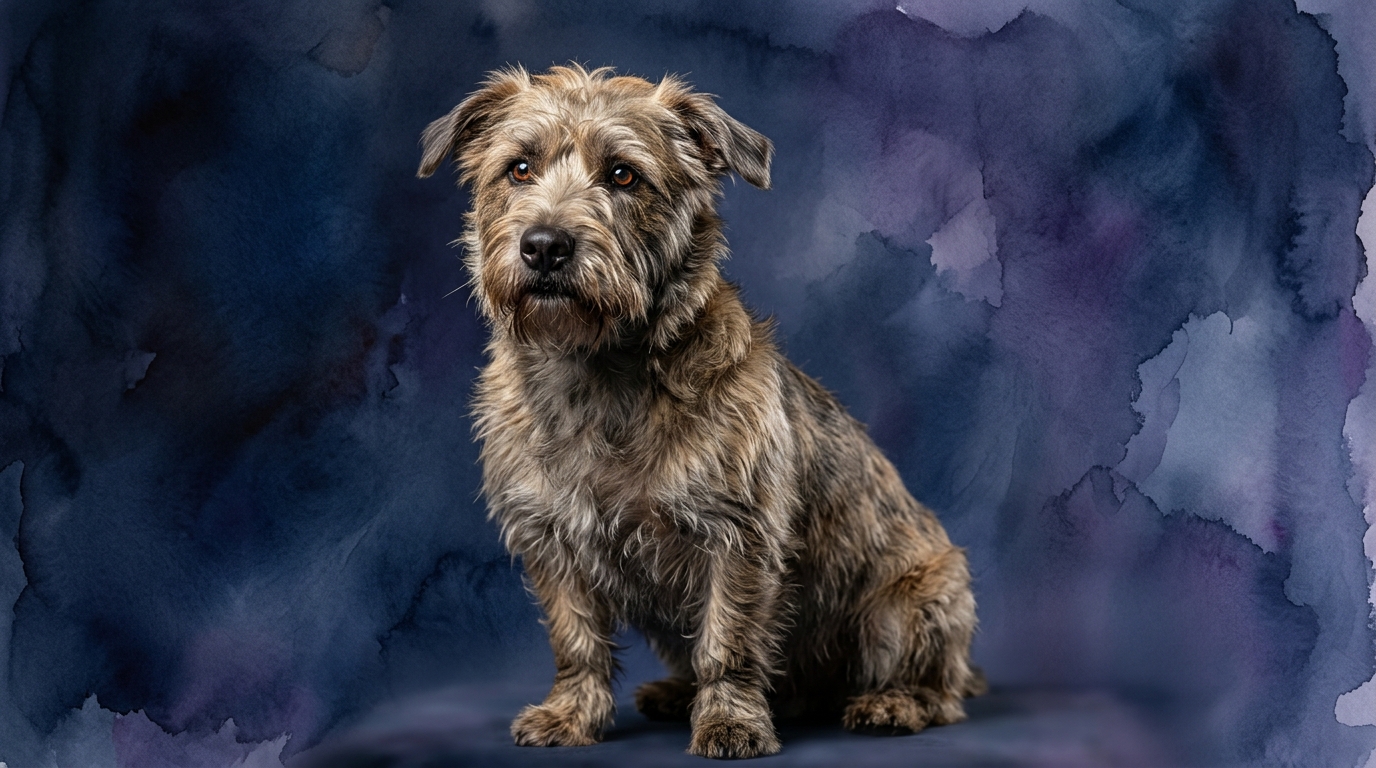
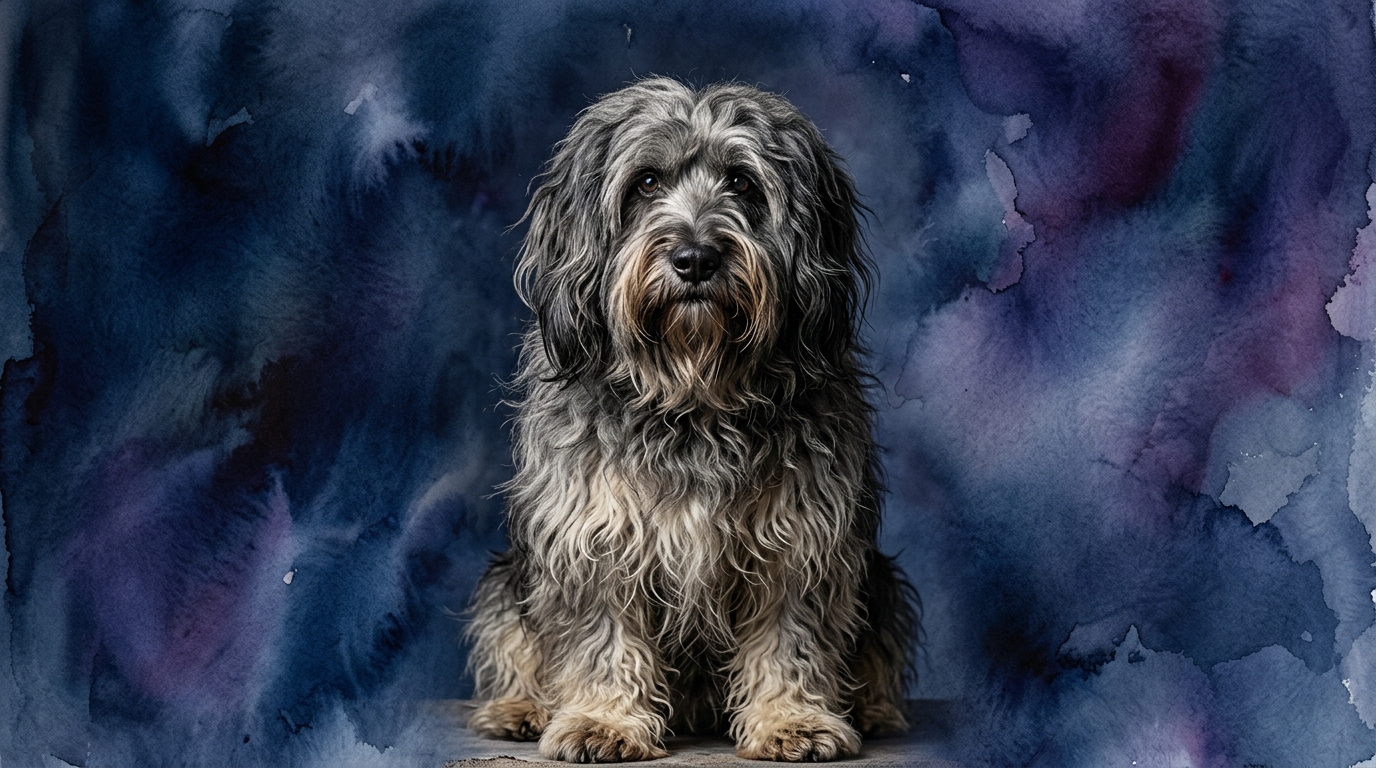
Side-by-Side IQ Profile: Glen of Imaal Terrier vs. Polish Lowland Sheepdog
At first glance, the cognitive profiles of the Glen of Imaal Terrier and the Polish Lowland Sheepdog (PON) appear identical, both scoring 3/5 across problem-solving, training speed, social intelligence, instinctive drive, and memory. However, understanding these scores requires interpreting them through the lens of each breed's distinct historical purpose and inherent temperament. While the raw score is the same, the manifestation of these cognitive traits in daily life can be quite different, reflecting their specialized evolutions.
For the Glen of Imaal Terrier, a 3/5 in **Problem Solving** speaks to their tenacity and resourcefulness in tight, confined spaces, historically for badger and fox hunting. Their approach is often direct, persistent, and independent, focusing on a single objective with unwavering determination. A 3/5 in **Training Speed** indicates they are capable learners, but their terrier independence means they might question commands or prioritize their own agenda, requiring consistent, patient, and engaging methods. Their **Social Intelligence** at 3/5 means they are attuned to their family's emotions and routines, forming strong bonds, but can be reserved or discerning with strangers, reflecting their protective nature. Their **Instinctive Drive** (3/5) is strongly rooted in prey drive, digging, and a desire to work independently, making them highly motivated by scent and movement. Finally, a 3/5 in **Memory** suggests they retain learned behaviors and spatial information well, especially concerning 'hunting grounds' or routines, which can also manifest as remembering past slights or unfairness.
The Polish Lowland Sheepdog's 3/5 in **Problem Solving** manifests differently; it's about dynamic, contextual assessment and adaptation on open pastures. They excel at interpreting complex environmental cues, anticipating flock movements, and making independent decisions to manage livestock, often involving multiple variables simultaneously. Their 3/5 in **Training Speed** indicates they are thoughtful learners who can grasp complex commands, but they often need to understand the 'why' behind a task, processing information before responding. A 3/5 in **Social Intelligence** reflects their deep attunement to their 'flock' (human family), reading subtle cues and demonstrating a protective, watchful demeanor. They are empathetic and responsive to their inner circle. Their **Instinctive Drive** (3/5) is primarily focused on herding, guarding, and territoriality, driven by a strong desire to keep their charges safe and organized. A 3/5 in **Memory** for the PON means they remember intricate patterns, patrol routes, specific animal behaviors, and command sequences over long periods, crucial for their shepherding duties.
Where the Glen of Imaal Terrier Excels Cognitively
Despite identical scores, the Glen of Imaal Terrier's cognitive strengths shine in areas demanding intense focus and singular determination. Their problem-solving, though rated 3/5, is particularly effective in tasks requiring sustained effort and an unyielding drive to complete a goal, such as intricate puzzle toys that simulate rooting out prey. They demonstrate exceptional persistence when faced with a challenge that aligns with their inherent drives, often employing trial-and-error with a remarkable lack of discouragement. This mental fortitude, combined with their 3/5 memory, means they learn and remember effective strategies for overcoming obstacles, especially if those strategies lead to a desired 'catch' or reward. Their social intelligence, while not overtly demonstrative, allows them to form deep, intuitive bonds with their primary handlers, understanding subtle cues from those they trust implicitly, even if their independent nature means they don't always immediately comply.
Where the Polish Lowland Sheepdog Excels Cognitively
The Polish Lowland Sheepdog's cognitive prowess, also rated 3/5 across the board, truly stands out in scenarios requiring broad environmental awareness, independent decision-making, and a nuanced understanding of group dynamics. Their problem-solving excels in situations demanding quick, adaptable responses to changing stimuli, such as navigating a busy household or anticipating a child's next move. Their social intelligence allows them to be highly empathetic, reading the emotional states of multiple family members and acting as a calm, watchful presence. The PON's memory is particularly adept at recalling complex sequences of events, routines, and the individual quirks of different family members or other pets, making them masters of household logistics. Their instinctive drive, focused on herding and guarding, translates into an innate ability to 'manage' their human flock, often positioning themselves strategically to observe and intervene if they perceive a need, showcasing a holistic and protective intelligence.
Which is Easier to Train and Why?
When considering ease of training, the distinction between these two breeds, despite their identical 3/5 training speed, lies in their motivations and natural predispositions. The Glen of Imaal Terrier, with its strong independent and prey-driven instincts, can learn commands quickly when motivated, but their focus might be easily diverted by interesting scents or sounds. They often require training to be framed as a game or a challenge, and their independent streak means they may choose when to offer a behavior, rather than simply complying. Consistency, positive reinforcement, and making training more rewarding than their innate drives are crucial for the Glen.
The Polish Lowland Sheepdog, on the other hand, while equally capable of learning at a 3/5 speed, tends to be more thoughtful and discerning. They are often eager to please their 'flock' but need to understand the purpose or logic behind a command. Their herding background means they are accustomed to working in partnership and responding to cues, but they are not automatons; they evaluate situations. Training a PON often benefits from clear communication, patience, and demonstrating how compliance contributes to the overall harmony or safety of their family unit. They respond well to handlers who earn their respect and trust, often thriving in environments where they feel like a contributing member of the team. While both breeds score similarly, the PON's inclination towards cooperation and understanding, stemming from their herding role, can often make them feel 'easier' to train for owners who appreciate a thinking partner, compared to the Glen's more self-directed terrier nature.
Which Suits Active Owners vs. Relaxed Owners?
For the **active owner**, both breeds offer companionship, but in different ways. The Glen of Imaal Terrier, despite its smaller stature, is a robust and energetic dog requiring regular mental and physical engagement. Owners who enjoy structured activities like earthdog trials, obedience, agility, or long, varied walks that engage their scent drive will find a willing partner. Their independent problem-solving means they can also be excellent companions for owners who appreciate a dog capable of entertaining itself or engaging with interactive toys when not directly supervised. This breed thrives with owners who understand and manage a strong terrier drive.
The Polish Lowland Sheepdog is also suited for active owners, but their activity needs are often more about purposeful engagement and mental stimulation rather than constant high-impact exercise. They excel in activities like herding, advanced obedience, rally, or even as therapy dogs, where their social intelligence and memory are put to good use. They need regular walks and playtime, but their primary need is often a 'job' or a sense of purpose within the family unit. Owners who enjoy training, providing consistent structure, and engaging their dog in thoughtful activities will find the PON highly rewarding. For **relaxed owners**, neither breed is a couch potato that requires minimal engagement. However, a relaxed owner who is consistent with mental stimulation and moderate daily exercise might find the PON slightly more adaptable to a less 'on-the-go' lifestyle, provided their cognitive needs are met through training and family interaction. The Glen, with its inherent drive, will likely be more demanding of consistent, active outlets for its terrier instincts, making it less suitable for a truly sedentary lifestyle.
The Verdict
Choose the Glen of Imaal Terrier if you are an owner who appreciates a tenacious, independent problem-solver with a strong, focused drive, and you are prepared to manage a distinct terrier personality with consistent, engaging training.
Opt for the Polish Lowland Sheepdog if you seek an empathetic, thoughtful companion capable of complex environmental assessment and eager to participate as an integral, protective member of your 'flock,' thriving on purposeful interaction and clear communication.
🧠 Find Your Pet's IQ Score
Our Pet IQ Lab assessment covers 25+ tests across 5 cognitive dimensions — personalized to your breed.
Take the Full IQ Test →Frequently Asked Questions
Are Glen of Imaal Terriers hard to train?
Glen of Imaal Terriers are capable learners (3/5 training speed) but their independent terrier nature means they can be selective in obedience. Consistent, positive reinforcement and making training fun and rewarding are key to success, as they often prioritize their own drives.
Do Polish Lowland Sheepdogs bark a lot?
Polish Lowland Sheepdogs are naturally watchful and will use their voice to alert their family to perceived threats or unusual occurrences, stemming from their herding and guarding instincts. Proper training and socialization can help manage excessive barking.
Which breed is better with children?
Both breeds can be good with children when properly socialized and raised, but their approaches differ. The PON (3/5 social intelligence) tends to be a watchful, gentle guardian with 'their' children, while the Glen (3/5 social intelligence) can be a playful companion but might have less tolerance for rough play due to their independent nature.