Side-by-Side Cognitive Profiles
The Cosmic Pet Pet IQ Lab assesses canine intelligence across five key dimensions, each scored on a 1-5 scale. Both the Glen of Imaal Terrier and the Treeing Walker Coonhound receive a consistent 3/5 across all categories, indicating a balanced, moderate cognitive capability. However, the *expression* of these scores differs significantly due to their distinct historical roles and inherent breed characteristics.
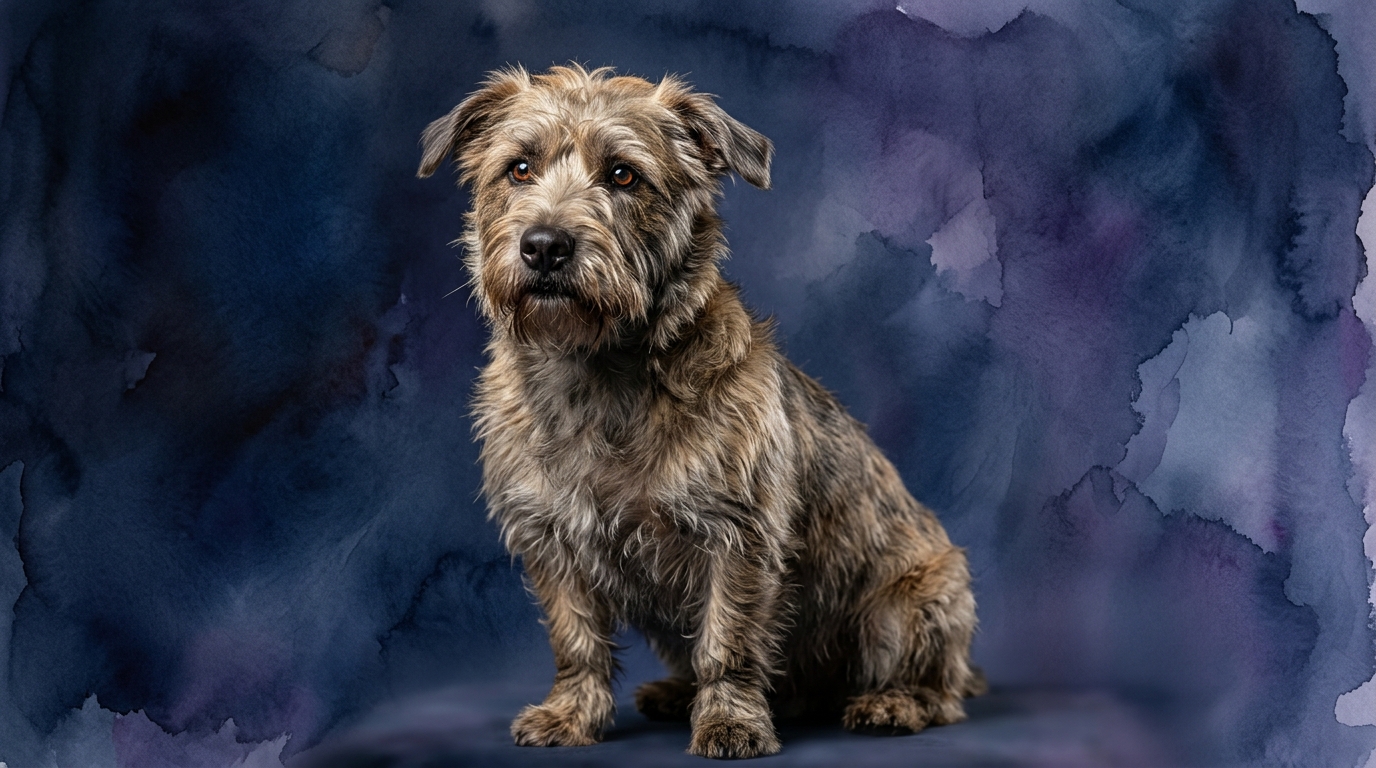
For the Glen of Imaal Terrier, a Problem Solving score of 3/5 reflects its independent nature. These terriers were bred to work silently and efficiently underground, meaning their problem-solving manifests in finding ways to navigate tunnels, extract prey from tight spaces, and overcome physical obstacles without human direction. Their Training Speed at 3/5 suggests they learn at a moderate pace, often requiring consistent, positive reinforcement and an understanding that the task must appeal to their terrier instincts. Social Intelligence at 3/5 means they are typically devoted to their immediate family, discerning with strangers, and adept at understanding the dynamics within their chosen 'pack.' Their Instinctive Drive, also 3/5, is strongly geared towards digging, scenting, and pursuing small prey, a deep-seated urge to fulfill their original purpose. Finally, Memory at 3/5 allows them to recall routines, specific commands, and the layout of their territory, crucial for their self-reliant hunting style.
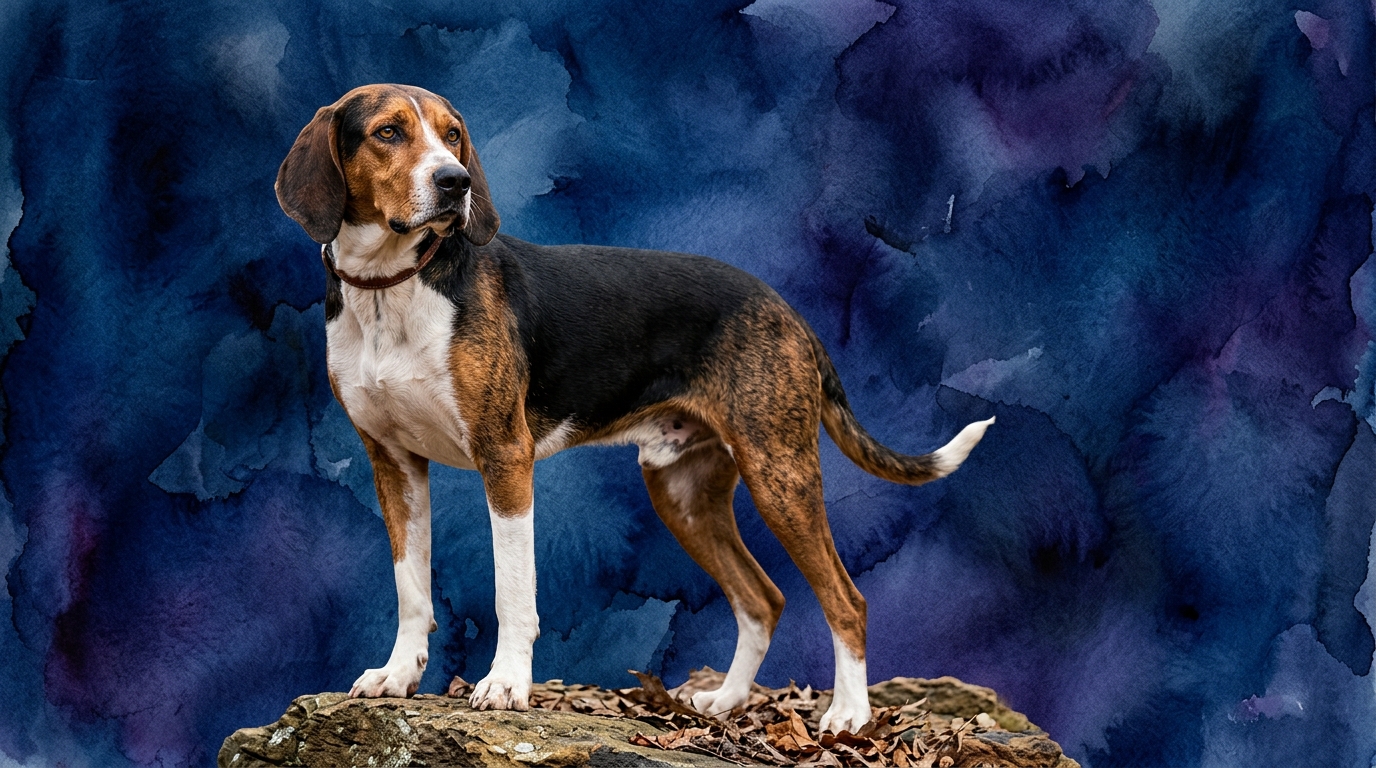
The Treeing Walker Coonhound, in contrast, also scores 3/5 across the board, but these scores are interpreted through the lens of a cooperative scent hound. Their Problem Solving 3/5 is less about solitary excavation and more about deciphering complex scent trails, navigating varied terrain over long distances, and coordinating with other hounds or handlers during a hunt. Training Speed at 3/5 indicates they too learn at a moderate pace, but their primary motivators are often scent-based rewards or the satisfaction of a 'hunt.' Social Intelligence, at 3/5, highlights their pack-oriented nature; they are typically gregarious with other dogs and people, understanding the roles within a group and thriving on companionship. Their Instinctive Drive, a robust 3/5, is overwhelmingly focused on scent, tracking, and 'treeing' prey with their characteristic baying. Memory at 3/5 is particularly strong for recalling intricate scent patterns and the geography of previously explored hunting grounds, vital for their trailing capabilities.
Where the Glen of Imaal Terrier Excels Cognitively
The Glen of Imaal Terrier’s cognitive strengths lie in its self-sufficiency and focused persistence. While both breeds score 3/5 in problem solving, the Glen demonstrates a superior aptitude for independent, goal-oriented tasks that require sustained effort in challenging environments. Imagine a Glen figuring out how to bypass an obstacle to reach a hidden toy, or meticulously working a puzzle feeder for an extended period; this is their problem-solving in action. Their terrier tenacity means they are less likely to give up on a task once they have committed to it, showing a deep well of mental endurance when motivated. They also possess a nuanced social intelligence within their immediate family, often being highly attuned to their owners' moods and routines, offering quiet companionship rather than boisterous attention. Their memory for specific locations where interesting scents or objects were found can also be quite remarkable, reflecting their ability to map out their personal 'hunting' territories.
Where the Treeing Walker Coonhound Excels Cognitively
The Treeing Walker Coonhound’s cognitive edge is rooted in its highly specialized sensory processing and cooperative instincts. Their 3/5 problem-solving capability manifests brilliantly in their ability to interpret and follow a fading scent trail across varied landscapes, distinguishing a target scent from countless others. This requires sophisticated cognitive mapping and decision-making under dynamic conditions, far beyond what a terrier typically engages with. Their social intelligence, while also 3/5, shines in group settings, where they understand and execute complex cooperative hunting strategies, communicating effectively with their pack through vocalizations and body language. This breed's memory for scent patterns and the topography of vast outdoor areas is exceptional, allowing them to revisit productive hunting grounds or pick up a trail days later. Their instinctive drive, while rated identically, is an all-consuming focus on scent work, giving them an unparalleled drive for tasks involving olfaction.
Which is Easier to Train and Why
When considering ease of training, the differences between these two breeds become more apparent, despite their identical 3/5 training speed scores. The Glen of Imaal Terrier, with its independent nature and strong will, often requires an owner who can make training feel like the dog's own idea. They can be stubborn if they don't see the value in a command, and their focus might be entirely on a perceived 'prey' rather than the handler. Training a Glen demands patience, creativity, and a consistent, positive reinforcement approach that taps into their problem-solving instincts rather than relying solely on eagerness to please. Repetitive drills can be met with disinterest, so making training engaging and varied is key.
The Treeing Walker Coonhound, while also scoring 3/5 in training speed, presents a different set of challenges and advantages. They are generally more amenable to working with a handler, especially when the training incorporates their powerful scent drive. However, their overwhelming focus on scent can be a significant distraction in environments rich with interesting smells. A Coonhound might learn a command quickly in a quiet setting, but forget it the moment a squirrel or novel scent crosses their path. Training a Treeing Walker effectively means understanding and managing their instinctive drive, using it as a motivator (e.g., scent games, tracking) rather than fighting against it. Recall can be particularly challenging outdoors, as their drive to follow a trail often overrides any command.
Which Suits Active Owners vs. Relaxed Owners
The choice between a Glen of Imaal Terrier and a Treeing Walker Coonhound significantly hinges on an owner's lifestyle. The Glen of Imaal Terrier, while not requiring marathon runs, still needs consistent mental and moderate physical exercise. They thrive with owners who can engage their minds through puzzle toys, trick training, and regular, interesting walks where they can sniff and explore. Their independent streak means they can be content with quiet companionship indoors after their needs are met, making them suitable for owners who appreciate a dog that isn't constantly demanding intense physical activity, but who are prepared to provide structured mental engagement and a firm, consistent hand in training. They are not a sedentary breed, but their energy is often expressed in bursts of activity rather than sustained endurance.
The Treeing Walker Coonhound is unequivocally suited for active owners. Their heritage as long-distance hunters means they possess immense stamina and a profound need for extensive physical activity, ideally involving their powerful nose. Owners who enjoy hiking, running, or participating in scent work, tracking, or even field trials will find a compatible companion in the Treeing Walker. A relaxed owner who cannot provide hours of exercise and mental stimulation related to their breed instincts will likely find a Coonhound becomes restless, vocal, and potentially destructive. Their need for activity is not just physical; it's a deep-seated drive to explore and utilize their senses, making them unsuitable for apartment living without significant owner commitment to outdoor adventures.
The Verdict
Choose the Glen of Imaal Terrier if you appreciate a tenacious, independent canine companion that thrives on mental challenges and dedicated family interaction, and you are prepared for a dog with a strong will and moderate exercise needs.
Opt for the Treeing Walker Coonhound if you are an exceptionally active owner who delights in long outdoor adventures, scent work, and can provide ample opportunities for a dog to utilize its powerful tracking instincts and gregarious nature.
🧠 Find Your Pet's IQ Score
Our Pet IQ Lab assessment covers 25+ tests across 5 cognitive dimensions — personalized to your breed.
Take the Full IQ Test →Frequently Asked Questions
Do Glen of Imaal Terriers bark a lot?
Glen of Imaal Terriers are generally known for being quieter than many other terrier breeds, often described as 'silent hunters.' They typically only bark when they have a good reason, such as an unfamiliar visitor or a perceived threat.
Are Treeing Walker Coonhounds good family dogs?
Treeing Walker Coonhounds are generally affectionate and good-natured with their families, thriving on companionship. Their pack mentality makes them sociable, but their high energy and strong scent drive require consistent training and management to ensure they are well-behaved family members.
Which breed is better for an owner who lives in an apartment?
Between the two, the Glen of Imaal Terrier is more adaptable to apartment living, provided they receive regular walks and mental stimulation. The Treeing Walker Coonhound's immense energy and vocal nature make them less suitable for apartment life unless their owners can commit to extensive daily outdoor exercise and enrichment.