Side-by-Side Cognitive Profiles
The Cosmic Pet Pet IQ Lab assesses canine intelligence across five key dimensions: problem-solving, training speed, social intelligence, instinctive drive, and memory. While both the Great Dane, a Working group member, and the American Eskimo Dog, from the Non-Sporting group, demonstrate solid cognitive abilities, their specific strengths and nuances provide a compelling comparison for understanding breed-specific intellect.
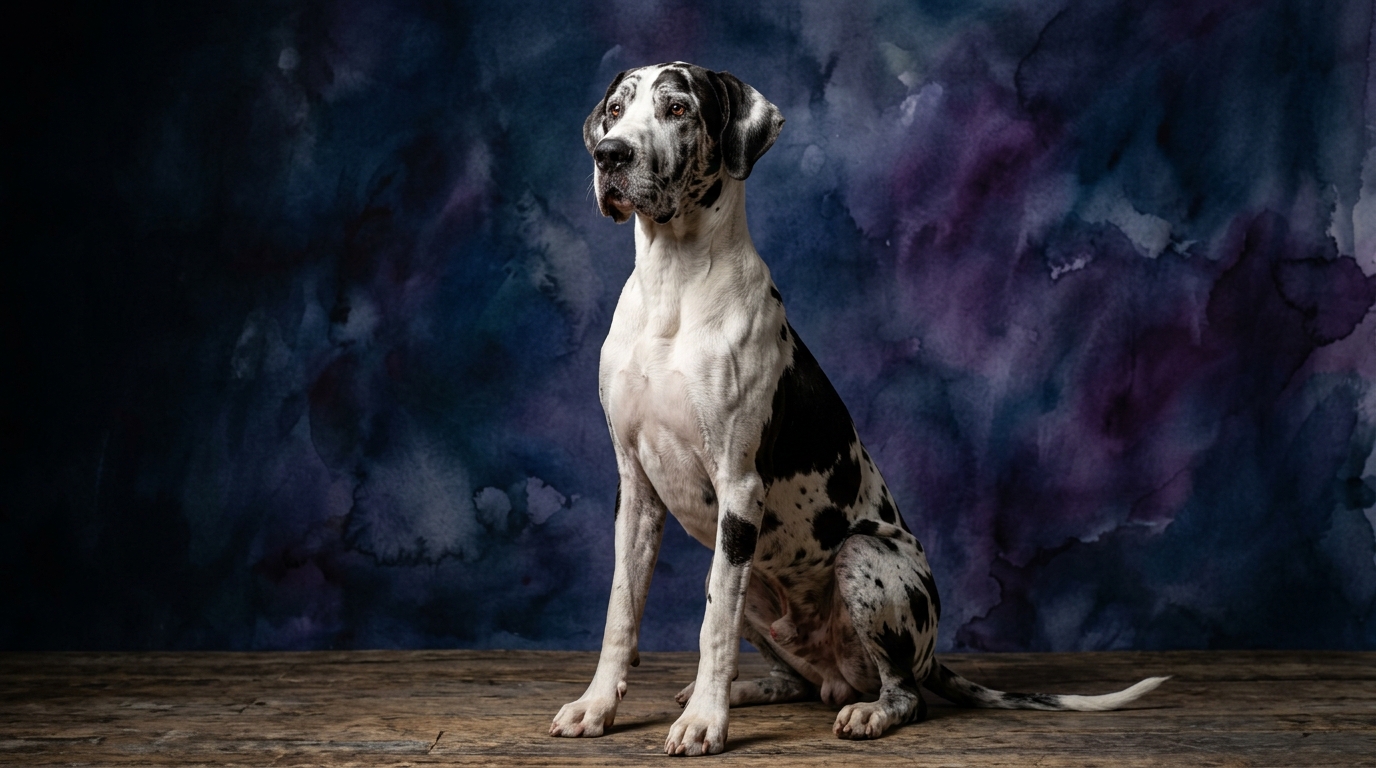
The Great Dane, ranked #48 by Coren, presents a cognitive profile with notable strengths. Their problem-solving ability scores 3/5, indicating competence in navigating challenges, while their training speed is also 3/5, suggesting a moderate learning pace. A standout attribute is their social intelligence at 4/5, reflecting a deep understanding of human cues. Instinctive drive and memory both register at 3/5, pointing to a balanced set of inherent behaviors and recall capabilities.
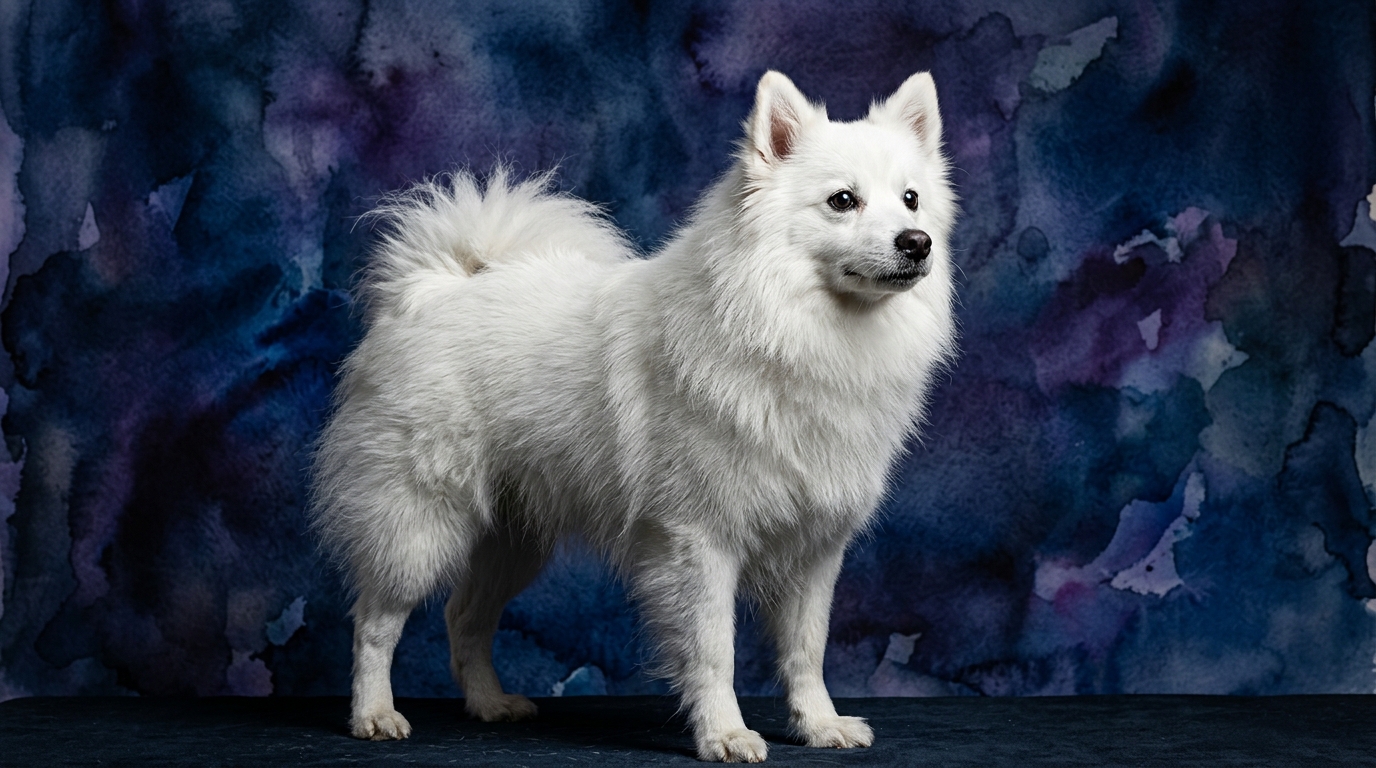
The American Eskimo Dog, though not Coren-ranked, shows a remarkably consistent cognitive blueprint. Across all five dimensions—problem-solving, training speed, social intelligence, instinctive drive, and memory—they consistently score 3/5. This uniform profile suggests a well-rounded and reliable intellect, capable of handling various tasks and social interactions effectively, without any single area significantly outperforming or lagging behind the others. The primary difference observed between these two breeds lies in the Great Dane's slightly elevated social intelligence.
Where the Great Dane Excels Cognitively
The Great Dane's most distinctive cognitive advantage lies in its social intelligence, scoring 4/5 compared to the American Eskimo Dog's 3/5. This higher rating signifies an exceptional capacity for understanding and responding to human emotions, subtle body language, and complex social dynamics within a household. A Great Dane is often profoundly attuned to its owner's moods, capable of offering comfort or adjusting its behavior based on non-verbal cues.
This elevated social acumen translates into practical benefits, making them highly receptive to family integration and capable of forming deep, intuitive bonds. Their ability to pick up on social structures quickly can streamline adaptation to new environments and foster harmonious coexistence. This profound understanding of their human companions underpins their reputation as deeply connected and empathetic household members, often anticipating needs or reacting sensitively to social changes.
Where the American Eskimo Dog Holds Its Own Cognitively
While the American Eskimo Dog doesn't boast a higher score in any single category compared to the Great Dane, its consistent 3/5 across all five cognitive dimensions represents a significant strength: a balanced and robust intellect. This uniformity means the Eskie doesn't have any glaring cognitive weaknesses, making it reliably competent in problem-solving, learning, social interaction, intrinsic drives, and memory. Owners can expect a predictable and steady cognitive performance across the board.
This consistent, well-rounded profile suggests a highly adaptable and practical intelligence. Their moderate problem-solving and instinctive drive, on par with the much larger Great Dane, speaks to their mental agility and capacity for engaging with their environment effectively. This balanced intellect has historically made them versatile companions and performers, capable of excelling in various roles that demand consistent application of different cognitive skills without specialized leans.
Which Is Easier to Train and Why
Both breeds share a training speed score of 3/5, implying they learn new commands at a moderate pace, neither exceptionally fast nor particularly slow. Therefore, the raw speed of acquiring new behaviors isn't a distinguishing factor. However, the Great Dane's higher social intelligence (4/5) can contribute to a perceived ease of training due to their heightened responsiveness and desire to please their human companions.
A Great Dane's strong social connection often translates into a greater willingness to comply and an eagerness to understand what is being asked, even if the actual learning process takes a similar number of repetitions. For the American Eskimo Dog, with its 3/5 social intelligence and balanced drives, training requires consistent engagement and positive reinforcement to maintain focus and motivation. While perfectly trainable, their balanced independence means owners must commit to making training sessions stimulating and rewarding to ensure lasting retention and enthusiastic participation.
Suitability for Active vs. Relaxed Owners
For owners seeking a more relaxed companion after the boisterous puppy stage, the Great Dane often fits the bill. Despite their imposing size, their moderate instinctive drive (3/5) and strong social intelligence (4/5) mean they typically thrive on companionship and enjoy quiet time with their family indoors. While they require regular, moderate exercise to maintain health, they are not usually demanding of constant, high-intensity activity, making them suitable for owners who appreciate a calm, affectionate presence and can provide consistent, gentle routines.
In contrast, the American Eskimo Dog, with its consistent 3/5 across all cognitive dimensions, often translates to a more active and mentally engaged companion. Their balanced profile, combined with their Spitz heritage, frequently manifests as a lively curiosity and a need for regular mental and physical stimulation. They are well-suited for active owners who enjoy interactive play, consistent training, and outdoor adventures, as they benefit significantly from activities that challenge their problem-solving skills and satisfy their moderate instinctive drives.
The Verdict: When to Choose Each Breed
The Verdict
Choose the Great Dane if you seek a profoundly socially intelligent companion who will integrate smoothly into family life, offering a calm, gentle presence after puppyhood. They thrive with owners who appreciate a responsive, affectionate giant and can manage their substantial physical needs.
Opt for the American Eskimo Dog if you desire a consistently balanced, alert, and engaging canine partner eager for interaction and mental challenges. They are ideal for active owners who enjoy consistent training, interactive play, and a lively companion that brings a robust, well-rounded intellect to daily life.
🧠 Find Your Pet's IQ Score
Our Pet IQ Lab assessment covers 25+ tests across 5 cognitive dimensions — personalized to your breed.
Take the Full IQ Test →Frequently Asked Questions
Does a Great Dane's size correlate with its intelligence?
While a Great Dane's imposing stature might suggest a certain gravitas, its cognitive profile isn't directly tied to its physical size. Our data shows a balanced intellect with a specific strength in social understanding, independent of its large frame.
Are American Eskimo Dogs difficult to train due to their independence?
American Eskimo Dogs have a training speed of 3/5, indicating they learn at a moderate pace, not necessarily difficult. Their consistency across all cognitive dimensions means they respond well to engaging, positive reinforcement methods and benefit from an owner who values interactive training.
How does 'instinctive drive' impact daily life for these breeds?
Both breeds score 3/5 in instinctive drive, meaning they possess moderate inherent behaviors like guarding or alertness. For Great Danes, this often manifests as protective loyalty, while Eskies might exhibit more vocal alerts or a desire for mental engagement to satisfy their natural curiosity.