The Cosmic Pet Pet IQ Lab: Great Dane vs. Bedlington Terrier Cognitive Profiles
At The Cosmic Pet Pet IQ Lab, we analyze canine intelligence across five key dimensions to provide a nuanced understanding of each breed's cognitive strengths. While raw scores offer a baseline, the true insights come from understanding how these traits manifest in their daily lives. Let's explore the Great Dane and Bedlington Terrier.
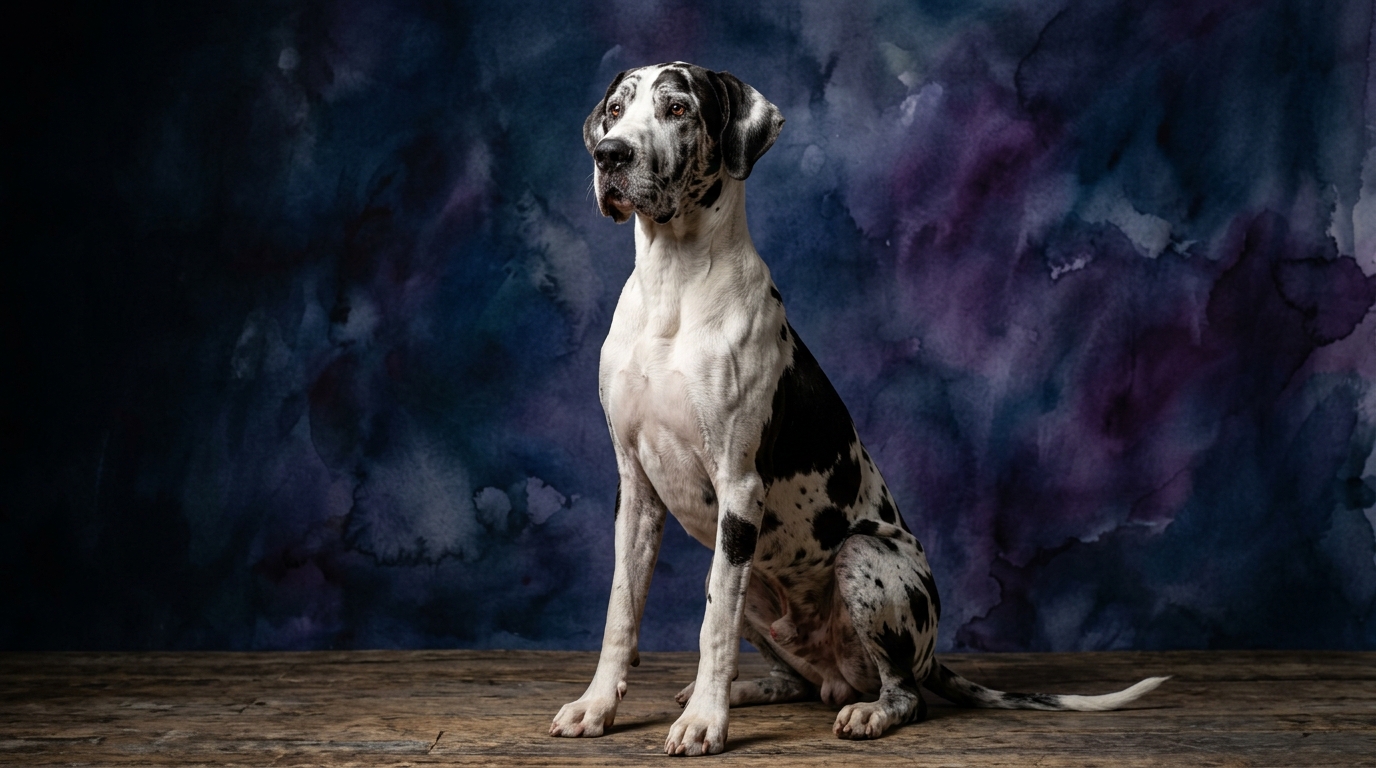
The Great Dane, a member of the Working group and ranked #48 by Coren, presents a profile reflecting their historical role as guardians and companions. Their Problem Solving is rated 3/5, often manifesting in spatial awareness within their environment, navigating tight spaces with surprising grace, or understanding complex household routines to anticipate events like mealtime or walks. Their thought process leans towards methodical observation rather than impulsive action, allowing them to assess situations before committing to a solution, particularly when it involves interacting with their human family or other pets. Their Training Speed is 3/5; Great Danes typically learn new commands at a moderate pace, exhibiting a willingness to please their handlers, which aids in retention. While not instant learners, their consistency in response once a command is understood is a significant asset, requiring clear, positive reinforcement and patience to solidify new behaviors. Social Intelligence is where the Great Dane truly shines, rated 4/5, demonstrating a profound capacity to read human emotions, respond to subtle cues, and integrate seamlessly into family dynamics. They exhibit strong empathetic responses, often mirroring the moods of their owners, and possess an innate understanding of social hierarchies within a household, making them exceptionally attuned companions. Their Instinctive Drive is 3/5; these drives are moderately expressed, primarily revolving around their protective nature towards their family and home, rather than a strong prey drive. While they possess a natural alertness, their working heritage as estate guardians translates more into watchful vigilance than an overwhelming impulse to chase or hunt, making them generally less prone to independent exploratory behaviors driven by instinct. Finally, their Memory is 3/5; Great Danes possess a solid memory for established routines, learned commands, and familiar people and places. They retain training well over time, provided it was consistently reinforced, and can recall past interactions or locations with remarkable accuracy, contributing to their reliability as companions.
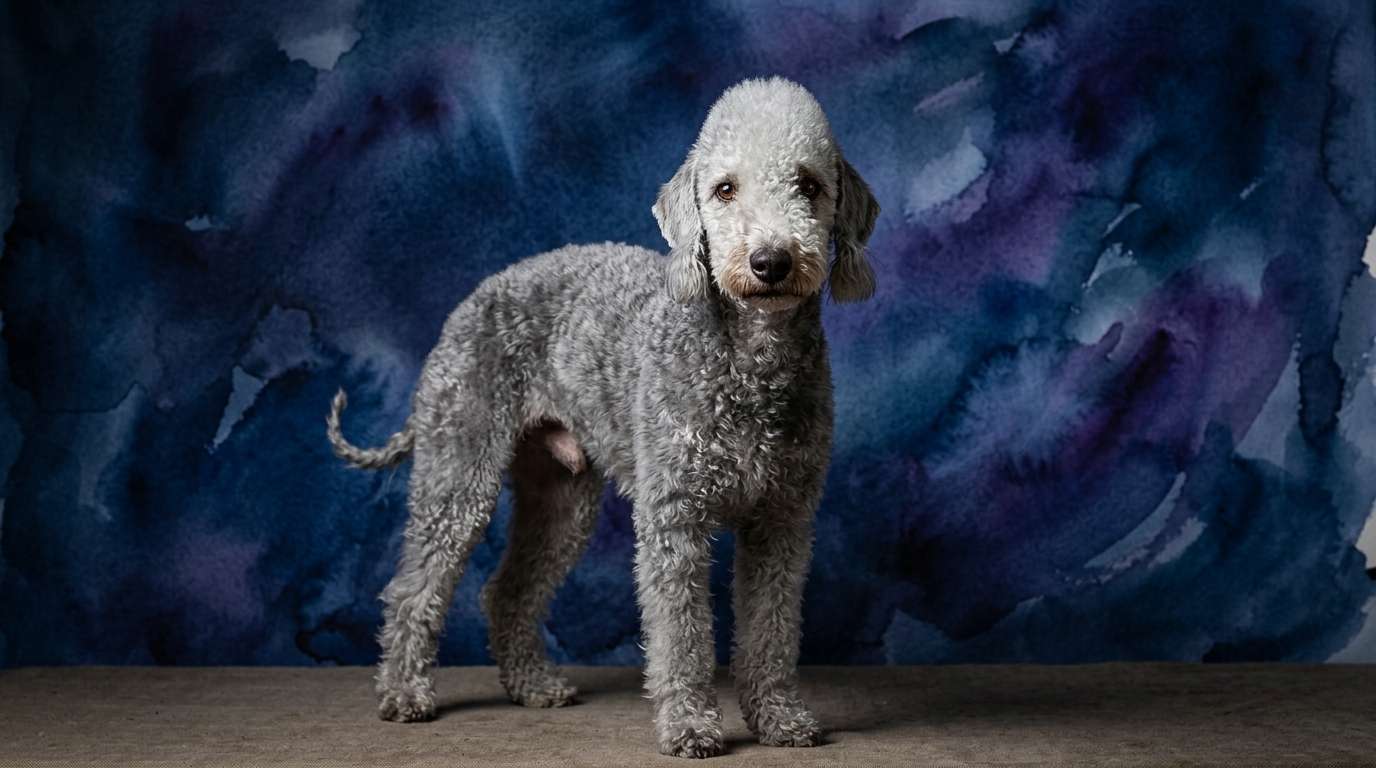
The Bedlington Terrier, a spirited member of the Terrier group and not Coren-ranked, brings a distinct cognitive flavor to the comparison. Their Problem Solving is rated 3/5; Bedlington Terriers approach problem-solving with a characteristic terrier tenacity, often employing ingenuity and persistence to achieve their goals, whether it’s figuring out how to open a cabinet or outsmarting a toy. Their solutions can be creative and sometimes mischievous, reflecting an independent thought process driven by curiosity and a desire to overcome perceived obstacles. Their Training Speed is 3/5; these terriers learn new tasks at a moderate pace, often grasping concepts quickly, but their independent spirit means their willingness to execute a command can be conditional. Training requires engaging their interest, making it feel like a game, and consistent positive reinforcement to keep their attention and overcome their occasional selective hearing, particularly when distractions are present. Social Intelligence for the Bedlington is 3/5; they display a moderate level of social intelligence, forming deep bonds with their immediate family but often exhibiting a more reserved or cautious demeanor with strangers. While they are affectionate with their trusted circle, their social interactions are typically more direct and less overtly empathetic compared to breeds known for their emotional mirroring, focusing on specific interactions rather than broad social dynamics. Their Instinctive Drive is 3/5; these drives are robust, rooted deeply in their terrier heritage, manifesting as a strong prey drive for small animals, a propensity for digging, and an independent hunting spirit. These drives can lead to focused, persistent behaviors when stimulated, requiring owners to understand and manage these innate tendencies through appropriate outlets and training. Their Memory is 3/5; Bedlington Terriers demonstrate good memory for commands, routines, and experiences, often recalling past training sessions or exciting events with clarity. Their ability to remember contributes to their consistency in learned behaviors, though their independent nature means they might choose to prioritize an interesting scent or sight over a remembered command in certain situations.
Where the Great Dane Excels Cognitively
The Great Dane’s superior social intelligence is a definitive cognitive advantage, allowing them to navigate complex human social landscapes with remarkable sensitivity. They possess an exceptional ability to interpret subtle human cues—a slight change in tone, a worried expression, or a shift in body language—and respond empathetically, often seeking to comfort or engage appropriately. This deep emotional attunement facilitates a profound bond, making them highly responsive to their family's needs and excellent at integrating into diverse household dynamics, even anticipating owners' intentions before a command is given. Their cognitive strength lies not just in understanding commands, but in comprehending the context and emotional weight behind them, leading to a more nuanced interaction. Furthermore, their gentle disposition, coupled with this keen social insight, makes them adept at interacting safely and calmly with children and other pets, often acting as patient, watchful guardians.
Where the Bedlington Terrier Shows Unique Cognitive Strengths
The Bedlington Terrier’s cognitive edge often manifests in their resourceful and persistent approach to problem-solving, fueled by their robust terrier instincts. While their problem-solving score is numerically similar to the Great Dane’s, the terrier's method is distinct: they exhibit a tenacious, often independent drive to overcome obstacles, whether it’s figuring out how to access a forbidden treat or outmaneuvering a puzzle toy. This persistence, combined with their strong instinctive drive for chasing and digging, means they are adept at tasks requiring sustained focus and innovative tactics to achieve a goal, even if it’s self-serving. Their quickness of thought and agility allow for rapid assessment and action in dynamic environments, making them particularly effective at tasks demanding swift, decisive responses rather than contemplative observation. This breed’s cognitive strengths are particularly evident in situations demanding independent action and a determined, "can-do" attitude, often finding solutions that might elude less self-reliant breeds.
Training Aptitude: Great Dane vs. Bedlington Terrier
Great Danes generally present as easier to train due to their higher social intelligence and inherent desire to please their human companions. Their emotional attunement means they are highly receptive to positive reinforcement and eager to gain approval, making them more cooperative during training sessions. While their training speed is moderate (3/5), their consistent responses and lower inclination towards independent stubbornness ensure that once a command is learned, it is reliably executed. Their sheer size also necessitates early and consistent training, which owners are typically motivated to provide, further solidifying learned behaviors. They respond well to calm, consistent instruction and build strong working relationships with their trainers.
Bedlington Terriers, despite sharing the same 3/5 training speed, can be more challenging to train due to their strong independent streak and pronounced instinctive drives. Their terrier heritage means they are often more self-directed, and while they can learn quickly, they might choose to prioritize an interesting scent or the thrill of a chase over a known command. Training a Bedlington requires significant patience, creativity, and a consistent approach that makes learning feel like a fun game rather than a chore. Owners must be adept at channeling their natural prey drive and energy into constructive activities, as their problem-solving often involves finding ways to entertain themselves, sometimes in mischievous ways, if not adequately stimulated. Their "selective hearing" is a real behavioral difference, demanding a trainer who understands and can work with their unique terrier mindset.
Lifestyle Match: Active vs. Relaxed Owners
The Great Dane, often dubbed a "gentle giant," typically suits owners who appreciate a relaxed, affectionate companion within the home, balanced with structured outdoor activity. Despite their imposing size, they are not endurance athletes and tend to be calm indoors, often preferring to lounge near their family. They require regular, moderate walks to maintain physical condition and mental well-being, but they are not typically breeds that demand hours of intense, high-impact exercise daily. They thrive with owners who can provide ample space for their large frame, consistent but gentle training, and a calm household environment where their social intelligence can flourish.
The Bedlington Terrier is better suited for active owners who relish engaging in consistent mental and physical stimulation with their canine companion. These nimble terriers possess a spirited energy and a curious mind that requires regular outlets to prevent boredom and potential destructive behaviors. They enjoy brisk walks, interactive play, puzzle toys, and can excel in dog sports like agility or earthdog trials, channeling their natural athleticism and problem-solving skills. An owner who understands and can provide for their strong prey drive and independent nature, offering varied activities and consistent training, will find the Bedlington Terrier a rewarding and engaging partner.
The Verdict
Choose a Great Dane if you seek an emotionally responsive, deeply affectionate companion who thrives on close family bonds and offers calm, gentle companionship, provided you can accommodate their impressive size and need for structured, moderate exercise.
Opt for a Bedlington Terrier if you desire a spirited, independent, and agile companion, are prepared to consistently engage their sharp mind and robust energy with varied activities, and appreciate a dog with a distinct, tenacious terrier personality.
🧠 Find Your Pet's IQ Score
Our Pet IQ Lab assessment covers 25+ tests across 5 cognitive dimensions — personalized to your breed.
Take the Full IQ Test →Frequently Asked Questions
Do Great Danes require a lot of exercise despite their calm demeanor?
Great Danes need moderate, regular exercise to stay healthy and content, typically consisting of daily walks and some playtime. While not demanding extreme athleticism, consistent activity helps maintain their large frames and prevents boredom, contributing to their overall calm disposition indoors.
Are Bedlington Terriers good with children and other pets?
Bedlington Terriers can be good with children and other pets, especially if raised with them from a young age and properly socialized. Their terrier nature means they might have a strong prey drive towards very small animals, and their spirited play requires supervision with young children, but generally they are loyal family members.
How do the grooming needs differ between these two breeds?
Grooming needs differ significantly: Great Danes have short coats requiring minimal grooming, mainly brushing to remove loose hair. Bedlington Terriers possess a unique, woolly, non-shedding coat that requires regular professional grooming or diligent home clipping every few weeks to prevent matting and maintain their distinctive lamb-like appearance.