Side-by-Side Cognitive Profiles
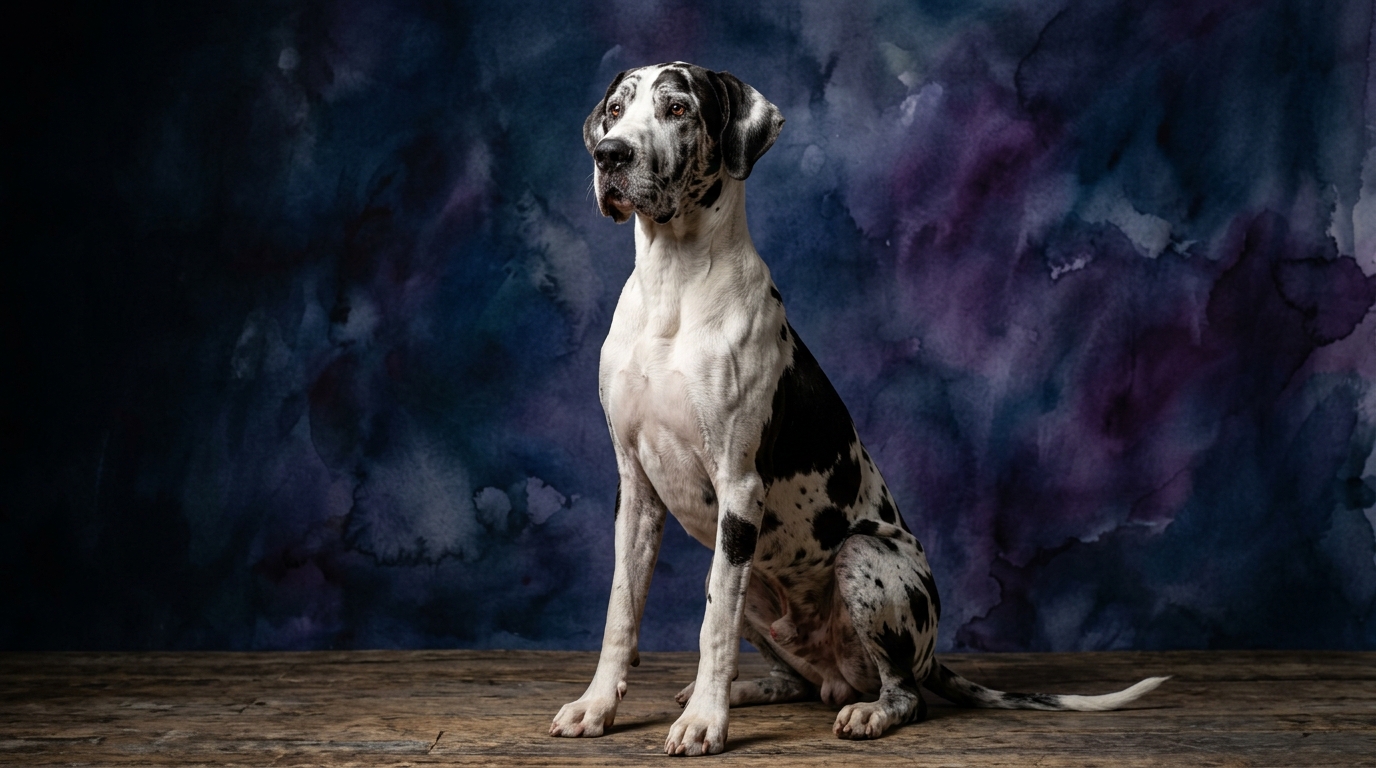
The Great Dane, a member of the Working Group and ranked #48 by Coren, presents a balanced cognitive profile with a notable strength in social intelligence. Their Problem Solving is rated 3/5, indicating a capacity for navigating moderately complex situations and learning from experience, though they might not always seek out novel challenges. Training Speed also sits at 3/5, suggesting they grasp new commands and routines at an average pace, responsive to consistent, positive reinforcement. Where Great Danes truly shine is in Social Intelligence, scoring an impressive 4/5; this reflects their deep understanding of human emotions, subtle cues, and their strong desire for connection and cooperation. Their Instinctive Drive is 3/5, typically manifesting as a protective loyalty towards their family rather than a strong prey drive, while their Memory is a solid 3/5, allowing them to retain learned behaviors and recognize individuals effectively.
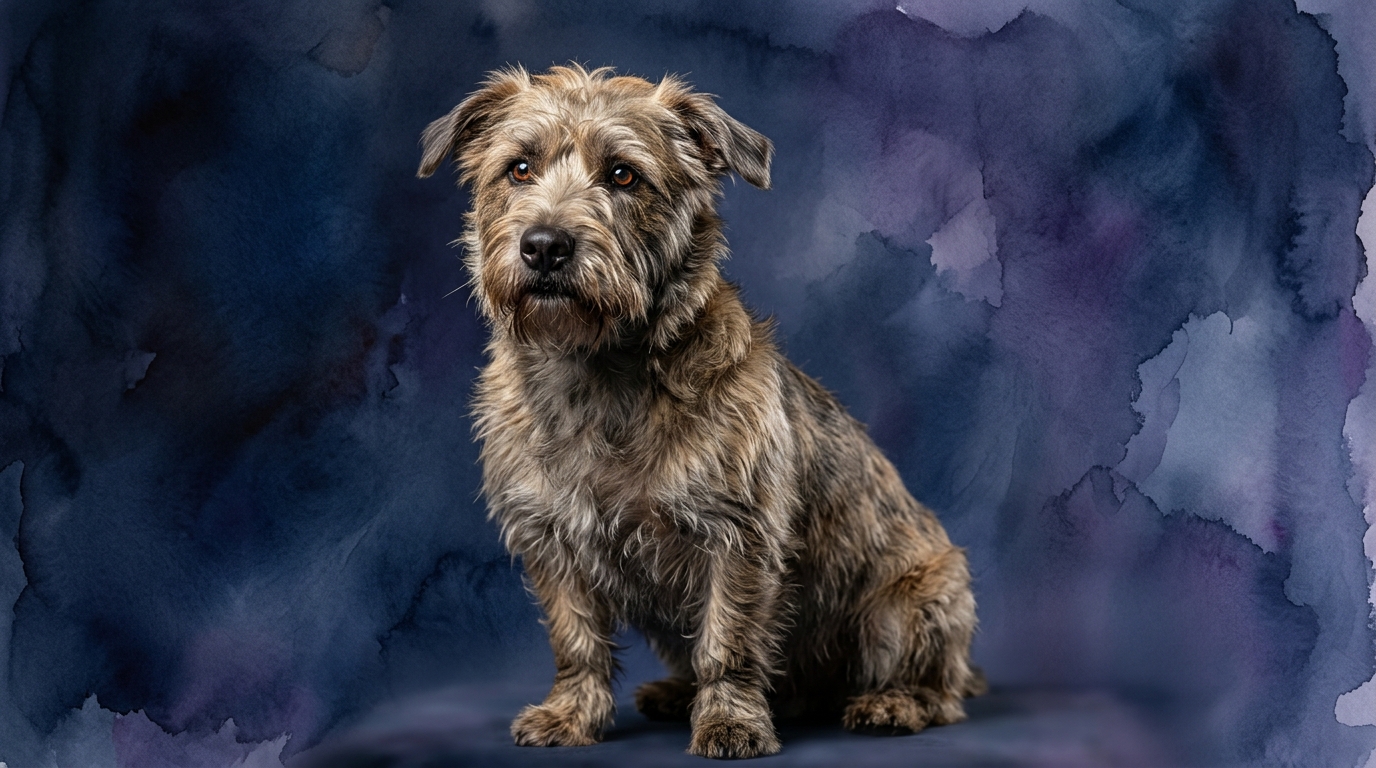
The Glen of Imaal Terrier, hailing from the Terrier Group and not specifically Coren-ranked, shows a remarkably consistent cognitive makeup. Across all five dimensions—Problem Solving, Training Speed, Social Intelligence, Instinctive Drive, and Memory—they score a uniform 3/5. This 3/5 in Problem Solving points to a resourceful nature, capable of figuring out how to achieve their goals, especially when it involves their instinctive drives. Their 3/5 Training Speed suggests they can learn effectively, but like many terriers, their independent streak means they might require more motivation and patience. A Social Intelligence of 3/5 indicates they are capable of forming strong bonds and understanding their human companions, though perhaps with a more independent interpretation of social cues than the Great Dane. Their 3/5 Instinctive Drive is a strong characteristic of their terrier heritage, focused on digging, hunting, and exploring, while their Memory at 3/5 supports their ability to navigate complex environments and recall learned tasks.
Where the Great Dane Excels Cognitively
The Great Dane's primary cognitive advantage lies in its superior Social Intelligence, rated 4/5 compared to the Glen of Imaal Terrier's 3/5. This higher score translates into a profound capacity for empathy and understanding human emotional states. Great Danes are exceptionally attuned to their owners' moods, often offering comfort or adjusting their behavior in response to subtle non-verbal cues. Their ability to form deep, cooperative relationships makes them highly responsive to collaborative tasks and family dynamics. This cognitive strength means they integrate seamlessly into a household, understanding their role within the 'pack' and often displaying a gentle, patient demeanor with children and other pets, driven by an innate desire to connect and please their human companions. This nuanced social understanding allows them to anticipate needs and react with remarkable sensitivity, making them exceptional companion animals who thrive on reciprocal emotional exchange and close interaction with their human families.
Where the Glen of Imaal Terrier Demonstrates Unique Cognitive Strengths
While the Glen of Imaal Terrier matches the Great Dane in most cognitive scores, its unique strength lies in the tenacious application of its 3/5 Problem Solving and 3/5 Instinctive Drive within its terrier context. For a Glen, a 3/5 in problem-solving often manifests as an independent, persistent approach to overcoming obstacles, particularly those related to their innate drives for digging, exploring, and pursuing. They possess a robust mental fortitude that allows them to focus intensely on a self-assigned 'task,' whether it's unearthing a scent or finding a way into a forbidden area. This isn't just about raw problem-solving capacity, but the unwavering commitment and strategic thinking applied to achieve a goal, often with minimal human direction. Their instinctive drive, though rated 3/5 like the Dane's, is channeled into a persistent, self-directed pursuit of prey or exploration, demanding a different kind of cognitive engagement—one focused on autonomous navigation and execution rather than social cooperation. This persistent, independent cognitive application makes them uniquely effective in roles requiring self-reliance and determination.
Training Dynamics: Great Dane vs. Glen of Imaal Terrier
When considering ease of training, the Great Dane, despite sharing a 3/5 Training Speed score with the Glen, often presents as more amenable due to its 4/5 Social Intelligence. Great Danes possess an inherent desire to please and connect with their owners, making them highly receptive to positive reinforcement and communication. Their ability to read human cues and their strong social bonds mean they are often eager to engage in training as a cooperative activity, even if their learning pace is average. Their lower instinctive drive (3/5, focused on protection rather than independent hunting) means they are generally less distracted by environmental stimuli, allowing for more focused training sessions. This breed responds well to a gentle, consistent approach, thriving on praise and affection, which reinforces their social connection during learning.
The Glen of Imaal Terrier, with its uniform 3/5 scores, particularly its 3/5 Instinctive Drive and independent Problem Solving, can present a different training challenge. While capable of learning at an average pace, their terrier tenacity and self-directed nature mean they might be more inclined to follow their own agenda. Training a Glen often requires more creativity, patience, and a strong understanding of their motivations. Their instincts, geared towards independent work like digging and hunting, can make them less inclined to blindly follow commands if a more interesting 'problem' presents itself. Trainers must work to make training engaging and rewarding, often tapping into their problem-solving skills and channeling their natural drives rather than suppressing them. Consistency and clear boundaries are crucial, as their intelligence can be used to test limits, but once motivated, they are capable learners.
Matching Breeds to Lifestyles: Active vs. Relaxed Owners
For owners seeking a more relaxed companion who still requires regular exercise, the Great Dane is often an excellent fit. Despite their imposing size, their 3/5 instinctive drive and generally calm temperament indoors make them relatively low-key housemates. Their 4/5 social intelligence means they thrive on companionship and prefer to be near their human family, often content to lounge on the sofa after a good walk. They need consistent, moderate exercise to maintain their physical health and mental well-being, but they are not typically high-energy dogs that demand constant stimulation. Their cognitive profile makes them adaptable to various home environments, provided they receive ample affection and social interaction, making them suitable for owners who appreciate a gentle, watchful presence and a strong emotional bond.
The Glen of Imaal Terrier, with its robust 3/5 instinctive drive and problem-solving, is better suited for owners who appreciate a more engaged and active canine partner, even if their physical exercise needs are moderate. Their cognitive make-up demands mental stimulation and opportunities to express their natural terrier behaviors, such as digging, scent work, or engaging in puzzle toys. While not requiring vast amounts of running space, they need owners who are prepared to provide consistent training, interactive play, and opportunities for independent exploration in a secure environment. Their independent spirit means they thrive with owners who understand and respect their terrier nature, providing outlets for their cognitive and instinctive drives. They are excellent companions for those who enjoy structured activities, brain games, and a dog with a distinct personality and a tenacious approach to life.
The Verdict
Choose the Great Dane if you prioritize a deeply empathetic, socially intelligent companion who thrives on close human connection and offers a calm, gentle presence in the home after sufficient exercise. Their cooperative nature makes training a more harmonious experience.
Opt for the Glen of Imaal Terrier if you are drawn to an independent, tenacious, and resourceful companion who requires mental engagement and opportunities to express its strong instinctive drives. This breed thrives with owners who appreciate and can channel its unique terrier spirit.
🧠 Find Your Pet's IQ Score
Our Pet IQ Lab assessment covers 25+ tests across 5 cognitive dimensions — personalized to your breed.
Take the Full IQ Test →Frequently Asked Questions
Does a Great Dane's large size affect its cognitive abilities or learning speed?
A Great Dane's size doesn't directly dictate its cognitive abilities, as evidenced by its 3/5 scores in problem-solving and training speed, which are average. Their large stature means they are less agile than smaller breeds, which might influence the types of physical challenges they undertake, but mentally, they are capable learners who process information at a steady pace.
How does a Glen of Imaal Terrier's 'Not Coren-ranked' status impact its perceived intelligence?
The 'Not Coren-ranked' status simply means the breed wasn't included in Stanley Coren's specific study on obedience and working intelligence, which primarily focused on a dog's ability to learn and follow human commands. It doesn't imply a lack of intelligence; rather, it suggests their cognitive strengths might lie more in independent problem-solving and instinctive drives, traits common in terriers, which are not always measured by obedience-focused rankings.
Given both breeds have a 3/5 for instinctive drive, how do these drives typically manifest differently?
For the Great Dane, a 3/5 instinctive drive often manifests as a strong protective instinct towards their family, coupled with a desire for companionship rather than intense prey drive. For the Glen of Imaal Terrier, their 3/5 instinctive drive is typically expressed through a tenacious pursuit of scents, digging, and independent exploration, reflecting their badger-hunting heritage. Both scores are equal, but their specific expressions are shaped by their breed's historical purpose and physical characteristics.