Side-by-Side Cognitive Profile
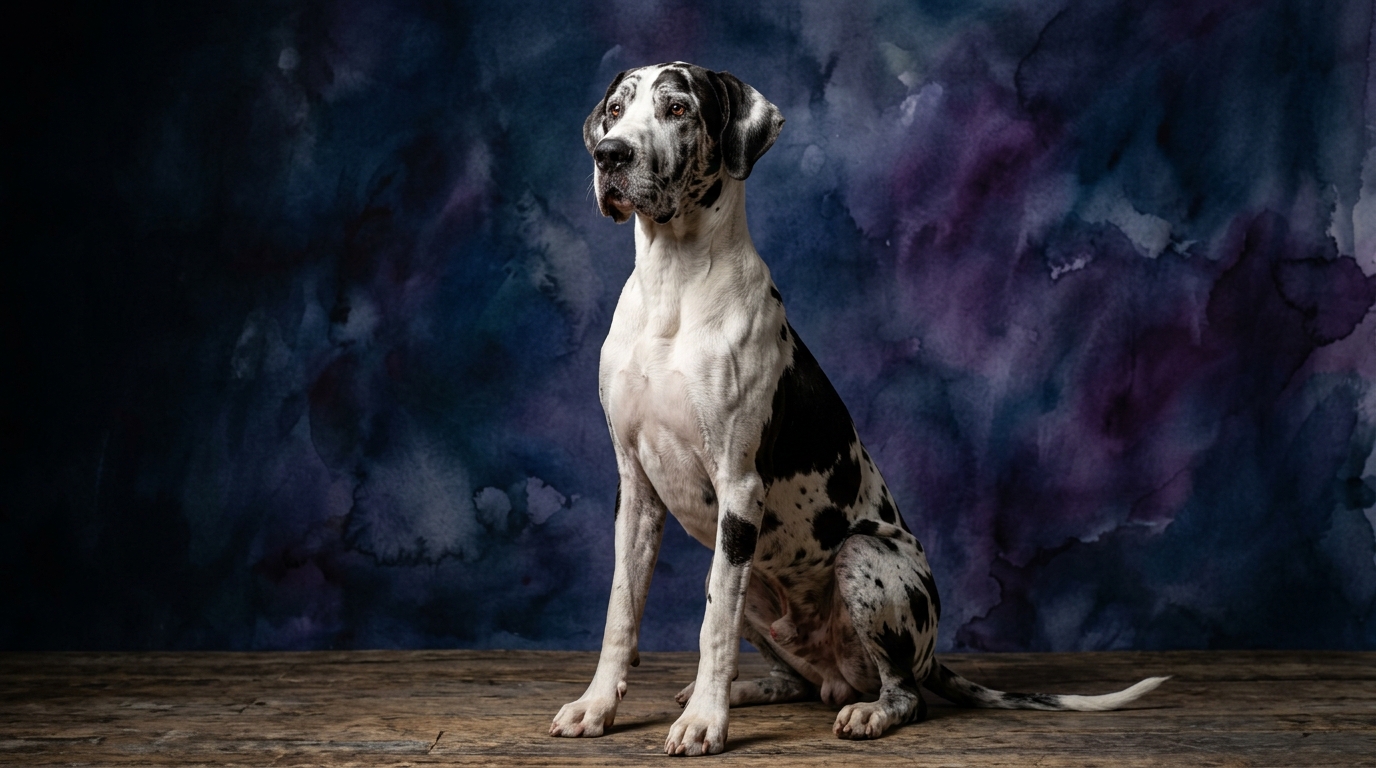
The Cosmic Pet Pet IQ Lab employs a five-dimensional framework to assess canine cognition, offering a granular view of each breed's mental aptitudes. For the majestic Great Dane, classified within the Working group, we observe a Coren ranking of #48, reflecting a solid but not top-tier operational intelligence compared to other breeds. Their Problem Solving is rated 3/5, indicating they often rely on learned routines rather than quickly devising novel solutions. Training Speed also sits at 3/5, suggesting a moderate pace for command acquisition. However, their Social Intelligence is a notable 4/5, highlighting a strong capacity for understanding human cues and forming deep bonds. Instinctive Drive is 3/5, signifying a balanced level of innate motivations, and Memory is 3/5, meaning they retain information adequately with consistent reinforcement.
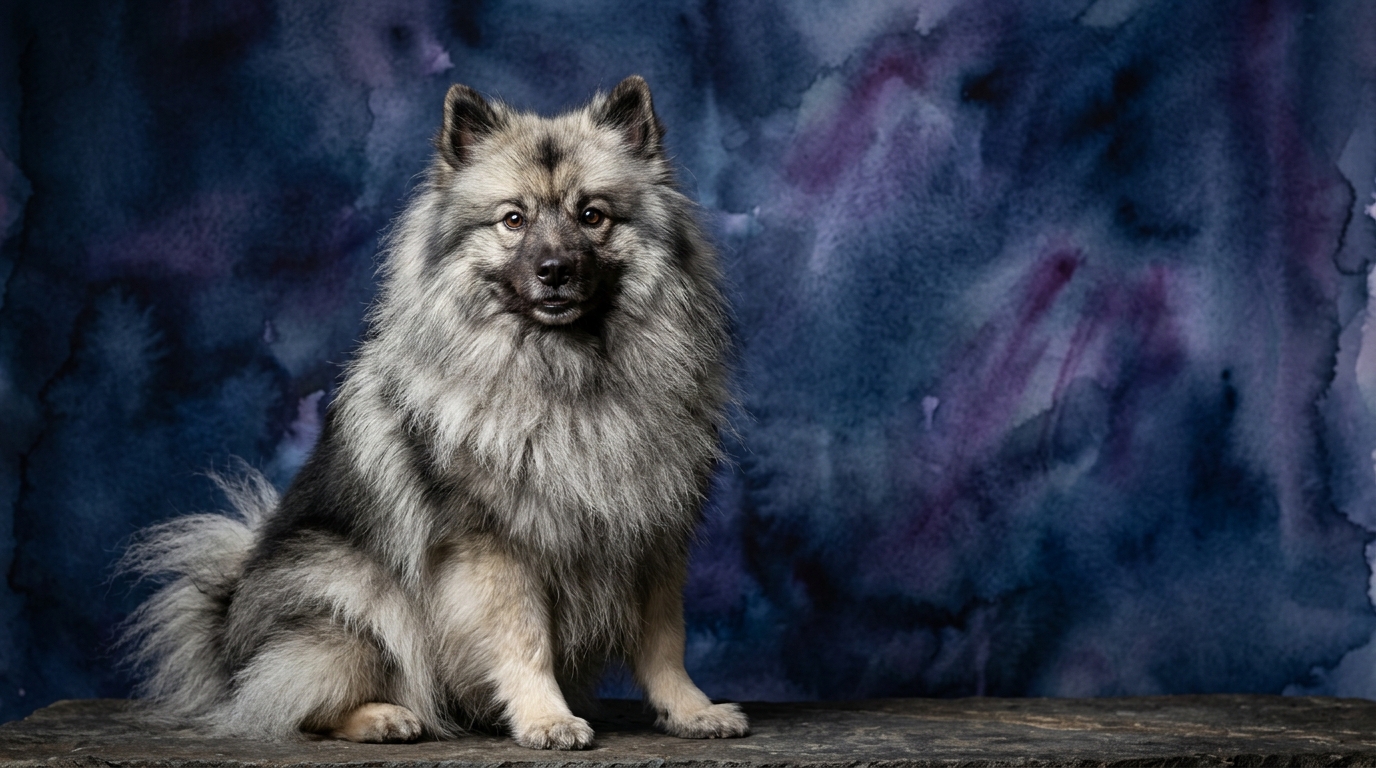
In contrast, the Keeshond, a member of the Non-Sporting group, boasts a significantly higher Coren ranking of #16, placing them among breeds that respond more readily to training. Their Problem Solving skill is rated 4/5, demonstrating a greater propensity for independent thought and navigating complex situations. Training Speed is 4/5, indicating a quicker grasp of new commands and routines. Their Social Intelligence is 3/5, suggesting good, but perhaps less nuanced, interaction compared to the Great Dane. Instinctive Drive is also 3/5, similar to the Dane, expressing itself often in alertness rather than intense prey pursuit. However, the Keeshond's standout cognitive dimension is Memory, rated an impressive 5/5, indicating an exceptional ability to recall learned behaviors and experiences over time.
Where the Great Dane Excels Cognitively
The Great Dane's most prominent cognitive strength lies in its profound Social Intelligence, scoring 4/5. This isn't merely about friendliness; it's a sophisticated capacity to read and respond to human emotions and social dynamics. These gentle giants are remarkably attuned to the moods of their family members, often demonstrating an intuitive understanding of when comfort is needed or when to offer space. They can discern subtle shifts in tone, body language, and facial expressions, adjusting their behavior to maintain harmony within the household.
This empathetic acumen allows Great Danes to form exceptionally deep and sensitive bonds. Their ability to connect on an emotional level means they are often perceived as highly intuitive companions, capable of providing silent support or subtle reassurance. Their cognitive prowess in this dimension makes them not just pets, but integral, emotionally responsive members of the family, capable of understanding and participating in the intricate social fabric of human life.
Where the Keeshond Shines Cognitively
The Keeshond truly stands out with its exceptional Memory (5/5) and strong Problem Solving abilities (4/5). This combination makes them formidable learners and astute observers. Once a Keeshond learns a command, a routine, or even the layout of a new environment, that information is typically stored with remarkable permanence. This means less refresher training is needed, and they can build a vast repertoire of understood cues and expectations.
Their problem-solving aptitude allows them to actively engage with their environment, often devising clever strategies to achieve their goals, whether it’s figuring out how to open a cabinet or manipulating a puzzle toy. This isn't just about following instructions; it's about independent thought and the practical application of their retained knowledge. A Keeshond's cognitive edge lies in their rapid acquisition of information and their sustained recall, coupled with a genuine knack for navigating and influencing their surroundings effectively.
Trainability: Great Dane vs. Keeshond
When it comes to trainability, the differences between these two breeds become quite apparent, largely due to their distinct cognitive profiles. The Great Dane, with a Training Speed of 3/5, requires a patient and consistent approach. They are sensitive dogs that respond best to positive reinforcement and gentle guidance; harsh methods can cause them to shut down or become resistant. Their moderate learning pace means that complex commands or sequences might take more repetition to solidify, but their high social intelligence means they are often eager to please their beloved human, which can be a strong motivator despite the slower acquisition rate.
The Keeshond, on the other hand, boasts a Training Speed of 4/5 and an exceptional Memory of 5/5, making them generally quicker to pick up new commands and retain them over the long term. They thrive on mental engagement and enjoy the process of learning, often responding well to varied and challenging training sessions. However, their strong problem-solving skills can sometimes manifest as independent thinking; if a Keeshond deems a command less interesting than a self-assigned task, they might employ selective hearing.
In essence, while the Great Dane's social connection can compensate for a moderate learning curve, making them willing partners in training, the Keeshond's natural speed and retention make initial training phases often smoother. Both breeds benefit immensely from consistent, positive methods, but the Keeshond's cognitive makeup often translates to a faster and more permanent grasp of lessons, provided the training remains engaging enough to hold their attention.
Matching Breeds to Lifestyles: Active vs. Relaxed Owners
Choosing between a Great Dane and a Keeshond also involves aligning their cognitive and behavioral tendencies with an owner's lifestyle. The Great Dane is an excellent fit for more relaxed owners who appreciate a calm, affectionate presence. Despite their imposing size, they are not high-energy dogs requiring constant strenuous activity. Their high social intelligence means they thrive on close human companionship and are content to be part of the family's daily rhythm, often enjoying quiet time indoors as much as a leisurely walk. They are ideal for individuals or families who value a gentle, watchful companion and a serene home environment.
The Keeshond, with its higher problem-solving and training speed, generally suits moderately active owners who are prepared to provide consistent mental and physical stimulation. While not extreme athletes, they enjoy regular walks, playtime, and engaging activities like puzzle toys or obedience challenges. Their cognitive makeup means they can become bored or mischievous if not adequately stimulated, preferring to be involved and engaged in family activities. Owners who enjoy an alert, interactive, and quick-witted canine partner will find the Keeshond a fulfilling companion, though they should be prepared for their vocal nature and desire to be at the center of attention.
The Verdict
Choose a Great Dane if you seek a deeply empathetic, gentle companion who thrives on social connection and offers a calm, watchful presence within a relaxed household.
Opt for a Keeshond if you desire a quick-witted, highly retentive learner who enjoys mental challenges and can be a lively, engaging participant in a moderately active family life.
🧠 Find Your Pet's IQ Score
Our Pet IQ Lab assessment covers 25+ tests across 5 cognitive dimensions — personalized to your breed.
Take the Full IQ Test →Frequently Asked Questions
Do Great Danes understand human emotions well?
Yes, Great Danes exhibit a strong social intelligence, scoring 4/5 in this dimension. They are adept at reading subtle human cues, often adjusting their behavior to match the mood of their family members. This makes them remarkably empathetic and intuitive companions.
Is the Keeshond prone to forgetting commands?
Quite the opposite; Keeshonden possess an exceptional memory, rated 5/5. Once they learn a command or routine, they tend to retain it for a very long time, often requiring minimal refreshers even after extended breaks. This cognitive strength makes them quick studies in training.
Which breed is better for first-time dog owners?
Both breeds can suit first-time owners with proper research and commitment. The Keeshond's quicker learning and memory might make initial training feel more rewarding, while the Great Dane's social intelligence and desire to please can foster a strong bond, despite a slightly slower training pace. The choice depends on an owner's lifestyle and what cognitive traits they prioritize.