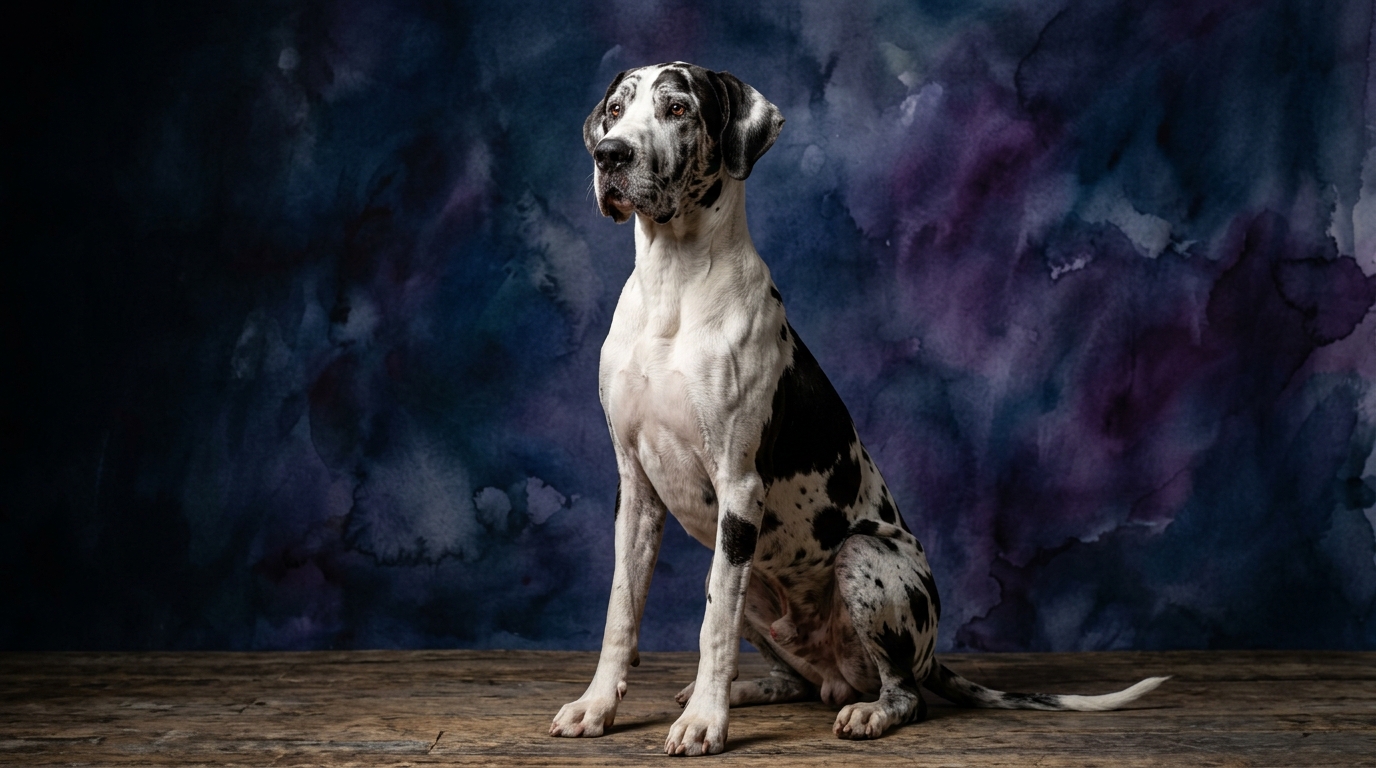
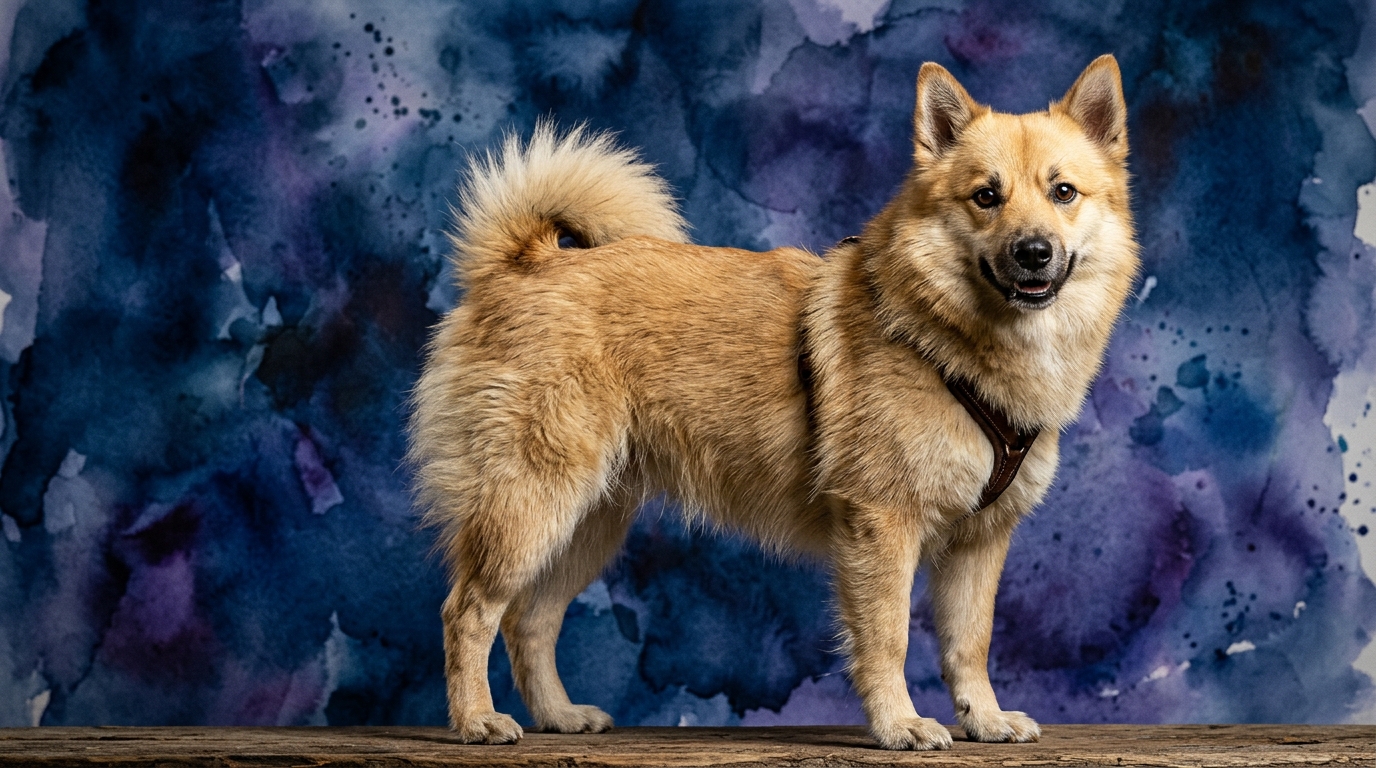
Side-by-Side IQ Profile
At The Cosmic Pet Pet IQ Lab, we dissect canine cognition across five core dimensions. The Great Dane, a Working group member, holds a Coren rank of #48. Their Problem Solving is 3/5, indicating a moderate ability to navigate novel situations, often seeking human input for complex tasks. Training Speed is also 3/5; they learn steadily but benefit from consistent, positive reinforcement. Their standout trait is Social Intelligence at 4/5, reflecting a deep capacity to read human emotions and forge strong empathetic bonds. Instinctive Drive is 3/5, encompassing moderate protective instincts and a low to moderate prey drive. Memory is 3/5, allowing effective retention of routines and commands.
The Norwegian Buhund, a spirited Herding breed without a specific Coren rank, presents a distinct profile. Their Problem Solving is 3/5, often manifesting as practical cleverness in dynamic environments, like managing movement, rather than abstract puzzles. Training Speed is 3/5; they grasp concepts quickly but possess an independent streak requiring engaging, consistent methods. Social Intelligence is 3/5, indicating a friendly and attentive nature, though less overtly emotionally sensitive than the Dane. Instinctive Drive is 3/5, prominently featuring a strong herding impulse and moderate prey drive. Memory is 3/5, enabling recall of commands and experiences, especially those tied to working tasks.
Where Great Dane Wins Cognitively
The Great Dane’s most distinct cognitive advantage lies in their superior Social Intelligence, scoring 4/5 compared to the Buhund’s 3/5. This higher score translates into an exceptional ability to perceive and respond to human emotional states. Great Danes are profoundly empathetic, adept at sensing distress or joy in their family members and adjusting their presence accordingly, offering comfort or sharing in happiness. This deep attunement makes them incredibly responsive to subtle cues, fostering a profound, almost telepathic bond. Their social perceptiveness means they are often more inclined to cooperate and please, making them highly attuned companions within a family setting. This emotional sensitivity and readiness to connect on a deeper level is a hallmark of their cognitive profile, distinguishing them significantly in the realm of interspecies communication and companionship.
Where Norwegian Buhund Wins Cognitively
While the Norwegian Buhund shares a 3/5 score in Problem Solving with the Great Dane, the nature of their problem-solving ability offers a distinct advantage for specific roles. Rooted in their herding heritage, the Buhund's cognitive approach is characterized by practical, on-the-spot decision-making concerning movement, space, and managing their environment. This isn't about abstract puzzles, but dynamic environmental assessment and quick, independent action. A Buhund might excel at maneuvering around obstacles to 'gather' family members or toys, demonstrating an innate understanding of spatial relationships and control. Their Instinctive Drive, also 3/5, is directly tied to this herding aptitude, making them adept at tasks requiring focus, agility, and purpose. Their cognitive strengths lie in engaging with and manipulating their environment in a purposeful, active way, making them particularly suited for activities like agility or actual herding work.
Which is Easier to Train and Why
Both breeds score 3/5 in Training Speed, but the ease of training can differ due to their other cognitive traits. The Great Dane's higher Social Intelligence (4/5) often makes them more eager to please and sensitive to their owner's feedback. They are generally less prone to independent decision-making during training, preferring cooperative engagement. Their motivation stems from affection and connection, making positive reinforcement highly effective. While their size demands early, consistent training, their willingness to engage and attentiveness to human cues can make the process feel smoother and more rewarding.
Conversely, the Norwegian Buhund's 3/5 Social Intelligence and strong Instinctive Drive (3/5 herding) mean they can be more independent thinkers. While quick to learn, their herding instincts might lead them to prioritize their own assessments over immediate obedience, especially with environmental distractions. Training a Buhund requires creativity, consistency, and channeling their energy into productive outlets. For a novice owner seeking a straightforward obedience experience, the Great Dane might present as 'easier' due to their cooperative social nature, despite similar learning speeds.
Which Suits Active Owners vs Relaxed Owners
Considering lifestyle compatibility, these breeds suit different owner types. The Great Dane, despite its size, often suits a more relaxed household. While requiring regular, moderate exercise, their mass limits high-intensity, prolonged activities. Their cognitive strengths in social intelligence mean they thrive on companionship and emotional closeness, often content to lounge near family. They appreciate a calm environment and consistent routines, ideal for owners seeking a majestic, affectionate presence without constant strenuous activity. Their mental stimulation comes more from social interaction and gentle exploration.
The Norwegian Buhund, conversely, is for active owners. Their herding heritage provides boundless energy, quick minds, and a need for purpose. They excel when given a 'job,' whether in dog sports like agility or flyball, or through long, stimulating walks and puzzle games. Their problem-solving skills and instinctive drives are best satisfied with regular mental and physical challenges. An owner committed to an active lifestyle and consistent training will find the Buhund a rewarding and enthusiastic partner.
The Verdict
Choose the Great Dane if you desire a profoundly empathetic, emotionally attuned companion who thrives on close family bonds and fits into a more relaxed, though still active, home environment.
Opt for the Norwegian Buhund if you are an active individual or family seeking an energetic, intelligent partner for dog sports, outdoor adventures, or a 'working' companion who will flourish with consistent mental and physical challenges.
🧠 Find Your Pet's IQ Score
Our Pet IQ Lab assessment covers 25+ tests across 5 cognitive dimensions — personalized to your breed.
Take the Full IQ Test →Frequently Asked Questions
Are Great Danes good with children given their social intelligence?
Yes, Great Danes often display remarkable patience and gentleness with children, thanks to their high social intelligence. Their empathetic nature allows them to be highly attuned to a child's temperament, making them watchful and tolerant companions within a family setting.
Does the Norwegian Buhund's herding drive make them prone to nipping or chasing?
The Norwegian Buhund's strong herding drive can manifest as nipping at heels or trying to "gather" moving objects or people, especially children. Early socialization and consistent training are crucial to channel this instinct into appropriate behaviors and prevent unwanted chasing.
How much exercise does each breed need to stay mentally stimulated?
Great Danes require moderate daily exercise, like walks and playtime, focusing more on social interaction for mental stimulation. Norwegian Buhunds, however, need significant daily physical activity and mental challenges through structured play, training, or dog sports to satisfy their working drives.