Side-by-Side IQ Profile: Great Dane vs. Otterhound
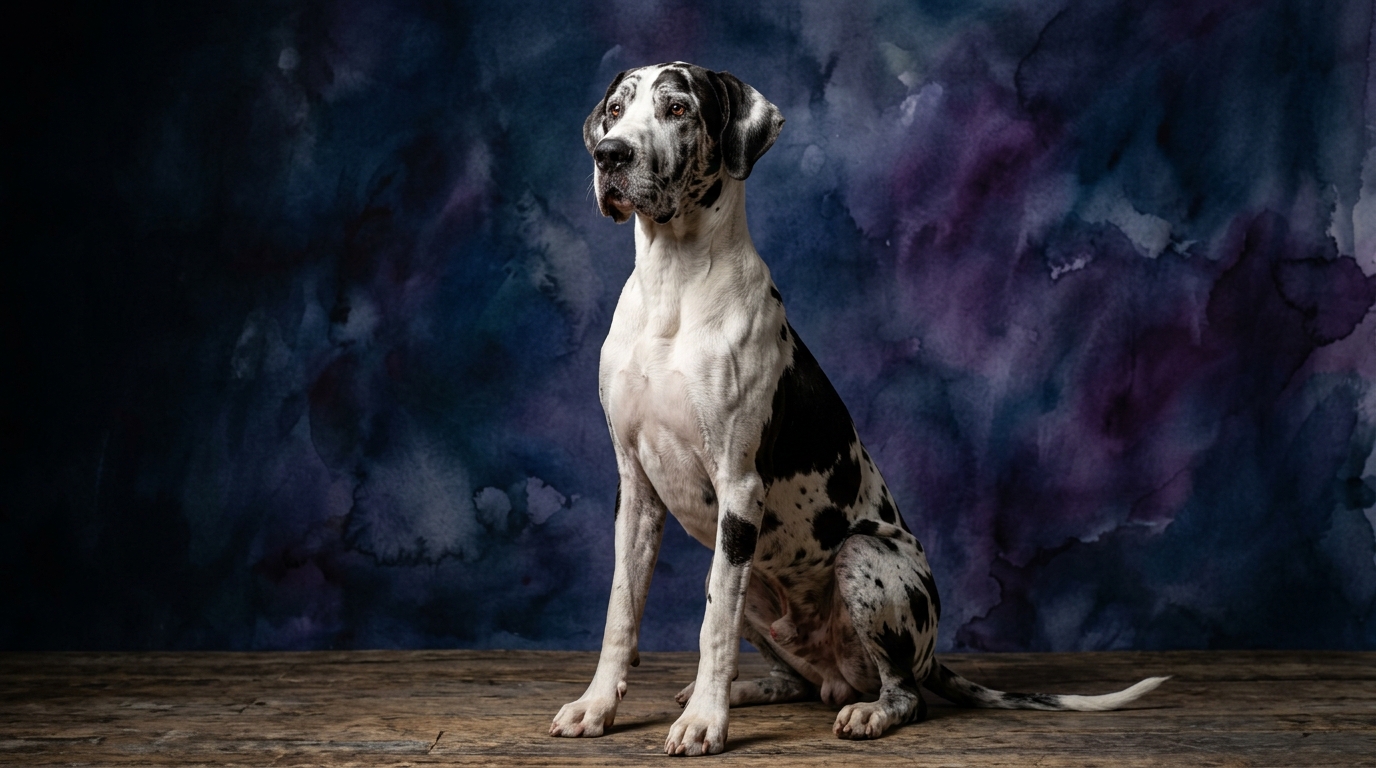
**Great Dane:** These gentle giants present a distinct cognitive profile shaped by their history as noble companions and protectors. Their **Problem Solving (3/5)** capacity means they can navigate straightforward challenges, often learning through trial and error and remembering successful approaches for practical tasks like opening a simple latch. Their solutions tend to be direct rather than abstract. For **Training Speed (3/5)**, Danes learn new commands at an average pace, requiring consistent, positive reinforcement and clear communication, showing steady progress with patience. Where the Great Dane truly shines is in **Social Intelligence (4/5)**; they possess a remarkable ability to read human emotions, understand subtle social cues, and adapt their behavior accordingly, making them deeply empathetic and responsive companions. Their **Instinctive Drive (3/5)**, while historically linked to boar hunting, is now primarily geared towards companionship and guardianship, rarely overriding their social responsiveness in a home. They exhibit an average **Memory (3/5)** for commands, routines, and familiar people or places. Their Coren rank of #48 places them in the category of above-average working and obedience intelligence.
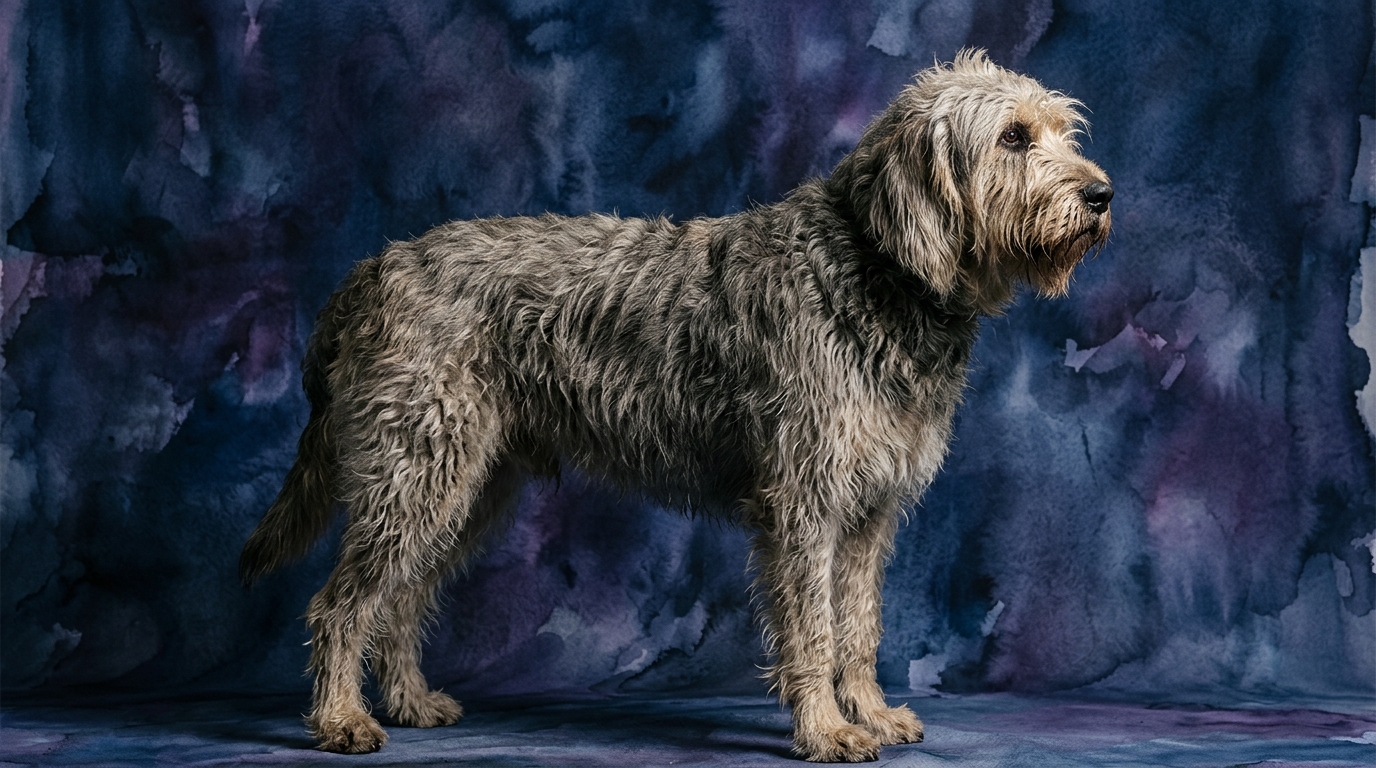
**Otterhound:** This boisterous scent hound presents a cognitive profile heavily influenced by its specialized purpose. For **Problem Solving (3/5)**, Otterhounds are capable of navigating practical challenges, but their approach is often heavily influenced by their primary sense: smell. They excel at using their nose to 'solve' the problem of finding a hidden object or tracking a scent, rather than relying on abstract reasoning. Their **Training Speed (3/5)** is also average, but a key difference is their potential for distraction; their powerful nose can easily pull their focus away from a training session, demanding exceptional engagement from their owner. While affectionate, their **Social Intelligence (3/5)** is solid within their immediate 'pack' but may not possess the same nuanced ability to read complex human emotions or anticipate needs as the Great Dane, often being more direct in their interactions. Their **Instinctive Drive (3/5)**, while numerically similar, represents an exceptionally strong and often all-consuming drive for scenting and tracking. They have an average **Memory (3/5)** for commands and routines, but their memory for scent trails and geographical locations associated with exciting smells is likely superior, reflecting their specialized cognitive function. The Otterhound is not Coren-ranked, which often reflects their specialized drives making them less conventional in obedience settings.
Where the Great Dane Wins Cognitively
The Great Dane's cognitive advantages predominantly lie in their refined social intelligence and general trainability for companion life. Their 4/5 social intelligence score means they are exceptionally adept at interpreting human body language, vocal tones, and emotional states, often anticipating needs or reacting with remarkable empathy. This makes them remarkably responsive to their owners' moods, offering quiet comfort during distress or engaging in playful antics when the atmosphere is light. This deep emotional connection translates into a more intuitive understanding of household rules and expectations, as they can better grasp the social implications of their actions within a family unit. Furthermore, their Coren rank of #48, while not top-tier, places them significantly higher in conventional obedience intelligence compared to a breed not ranked. This ranking indicates a more straightforward path to learning and reliably executing human-centric commands, as their primary drives are less likely to constantly pull their attention away from human direction. Their consistent focus on human interaction during training and daily life is a distinct cognitive strength for a companion animal.
Where the Otterhound Wins Cognitively
The Otterhound's cognitive strengths are deeply rooted in their specialized hunting heritage, primarily revolving around their extraordinary olfactory capabilities and the unwavering persistence that accompanies them. While their general problem-solving is rated 3/5, their ability to problem-solve through scent is unparalleled; they can follow incredibly complex, often cold, scent trails over vast distances and varied terrain, piecing together an invisible puzzle of information from minute odor particles. This isn't just a physical act but a highly sophisticated cognitive process involving memory for scent profiles, discrimination between different odors, and sustained focus under challenging conditions. Their instinctive drive (also 3/5, but profoundly different in nature) fuels an incredible mental stamina, allowing them to remain singularly focused on a scent goal for hours, disregarding physical fatigue or environmental distractions that would deter most other breeds. This autonomous, scent-driven decision-making in the field showcases a different kind of cognitive superiority, one where independent thought and an unwavering commitment to a sensory task take precedence over constant human direction, making them masters of their specialized domain.
Which is Easier to Train and Why
For conventional obedience and household manners, the Great Dane generally presents an easier and more rewarding training experience for the average owner. Their higher social intelligence means they are inherently more motivated by human approval and connection, finding satisfaction in pleasing their owners and maintaining harmony within the family unit. While both breeds score 3/5 for training speed, the Dane's willingness to engage and its lower propensity for being overwhelmed by external stimuli mean that lessons are often more productive and consistent. They respond well to positive reinforcement, clear cues, and a calm, patient approach, often eager to participate in learning sessions and grasp new commands with reasonable repetition. Their desire to be a well-integrated and respected family member drives their learning process.
The Otterhound, conversely, can be more challenging for traditional obedience training, demanding a more experienced or exceptionally patient handler. Their powerful instinctive drive for scenting means that their nose often dictates their priorities, making them easily distracted by environmental odors and potentially 'deaf' to commands when a compelling scent presents itself. While they are capable of learning, their attention span for human-directed tasks can be fleeting, requiring an owner to be exceptionally engaging, creative, and consistent to maintain focus. Training an Otterhound often involves incorporating their natural drives, such as scent games or tracking activities, to keep them mentally stimulated and engaged, rather than attempting to suppress their fundamental instincts. Their independent nature, a significant strength in the field, translates to a dog that may question commands if they conflict with a more interesting sensory input, demanding a more experienced hand to build a strong working relationship.
Which Suits Active Owners vs. Relaxed Owners
The choice between these two magnificent breeds significantly depends on an owner's lifestyle, energy levels, and willingness to accommodate specific breed needs. Great Danes, despite their imposing size, can be surprisingly well-suited for owners who appreciate a balance of moderate activity and relaxed home life. They require consistent daily exercise, such as a brisk 30-60 minute walk or some playful romping in a secure yard, to maintain their physical and mental well-being and prevent boredom. However, once their moderate exercise needs are met, their high social intelligence means they are generally content to be calm, affectionate companions indoors, often seeking out their family for quiet companionship and cuddles on the sofa. They suit owners who enjoy regular, but not extreme, physical activity and value a serene, deeply connected presence in the home.
Otterhounds, on the other hand, are unequivocally suited for active owners who are prepared for a dog with substantial energy and a deep-seated working drive. Their heritage as relentless scent hounds means they possess boundless energy and a profound need for physical and mental stimulation, particularly opportunities for scent work and exploration. They thrive on long, vigorous walks, runs, hikes, or engaging in dog sports like tracking, agility, or even competitive obedience if their handler is adept at keeping them focused despite distractions. A relaxed owner might quickly become overwhelmed by an Otterhound's persistent energy, vocalizations, and potentially destructive behaviors that can arise from boredom and unmet needs. They are best for individuals or families who embrace an active, outdoor lifestyle and are prepared to dedicate significant time and creativity to channeling their dog's robust physical and cognitive drives.
The Verdict
Choose a Great Dane if you prioritize a deeply socially attuned companion who will integrate seamlessly into family life, respond well to conventional training, and provide a calm, affectionate presence after their moderate exercise needs are met.
Choose an Otterhound if you are an active, experienced owner who enjoys engaging with a dog's strong instincts, is prepared for consistent and creative training, and can provide ample opportunities for physical activity and scent-based mental stimulation.
🧠 Find Your Pet's IQ Score
Our Pet IQ Lab assessment covers 25+ tests across 5 cognitive dimensions — personalized to your breed.
Take the Full IQ Test →Frequently Asked Questions
Are Great Danes good with children?
Great Danes, with their 4/5 social intelligence, are generally gentle and patient with children, often acting as watchful companions. Their large size means supervision is always necessary to prevent accidental bumps, but their calm demeanor typically makes them suitable family pets.
Do Otterhounds need a lot of grooming?
Otterhounds have a dense, rough, and oily double coat that requires regular grooming to prevent matting and maintain skin health. Weekly brushing and occasional stripping or hand-plucking are essential, especially given their love for water and mud.
Can an Otterhound live in an apartment?
An Otterhound's high energy and strong need for exercise make apartment living challenging unless the owner is extremely committed to providing extensive daily outdoor activity and mental stimulation. A home with a securely fenced yard is generally preferred to accommodate their energetic nature and love for exploring scents.