Side-by-Side IQ Profile: Unpacking Cognitive Dimensions
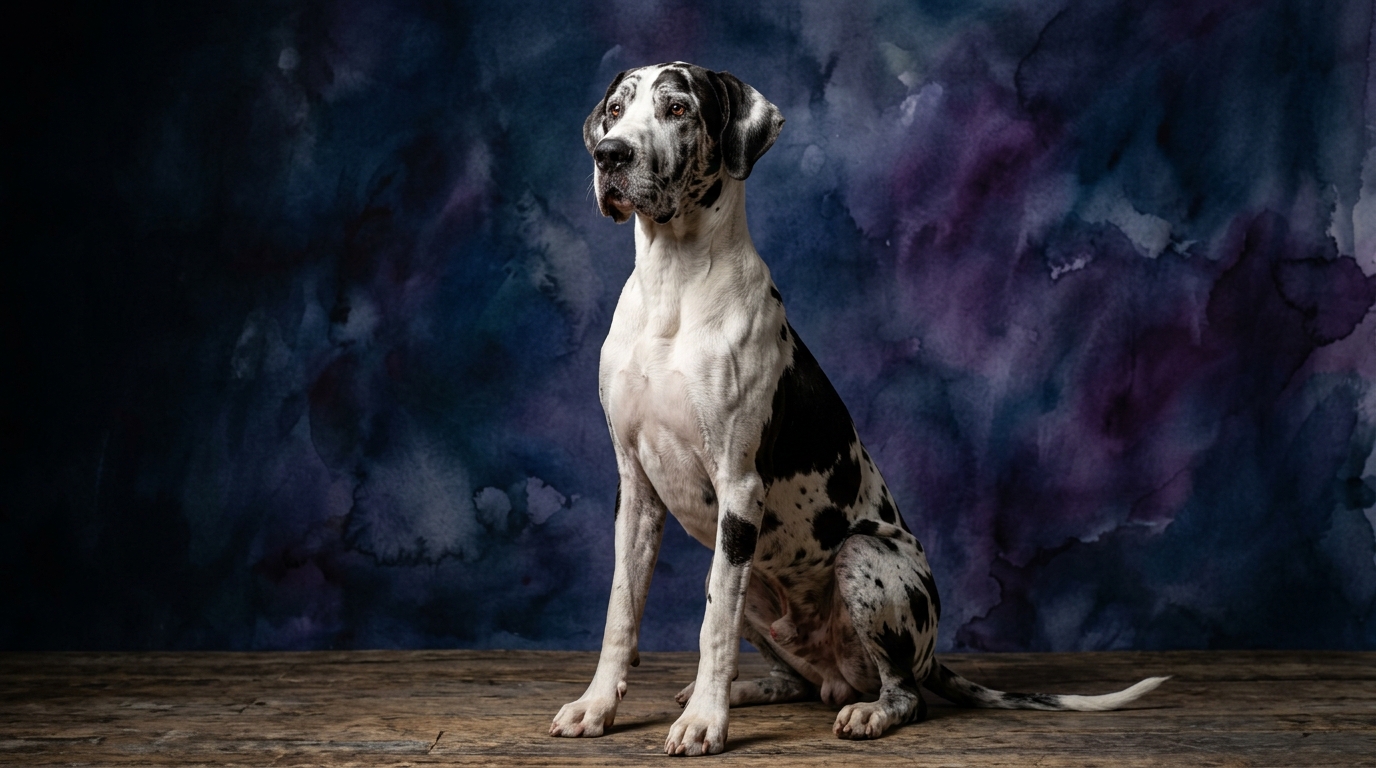
Our Pet IQ Lab assesses five crucial cognitive dimensions to offer a nuanced understanding of each breed's mental aptitude. For the Great Dane, a breed often associated with noble stature, their Coren rank places them at #48, suggesting a solid, reliable cognitive foundation. Their Problem Solving is rated 3/5, indicating an ability to navigate moderately complex challenges with a deliberate, observational approach. Their Training Speed also scores 3/5, meaning they grasp new commands at a steady pace, responding well to consistent, positive reinforcement. The Great Dane truly shines in Social Intelligence, earning a 4/5 for their remarkable capacity to read human emotions, understand subtle cues, and adapt seamlessly to family dynamics. Instinctive Drive for Great Danes sits at 3/5, manifesting as a watchful nature rooted in their historical role, rather than an overwhelming urge. Finally, their Memory is rated 3/5, reflecting a consistent ability to retain learned behaviors, routines, and recognition of people and places, contributing to their dependable demeanor.
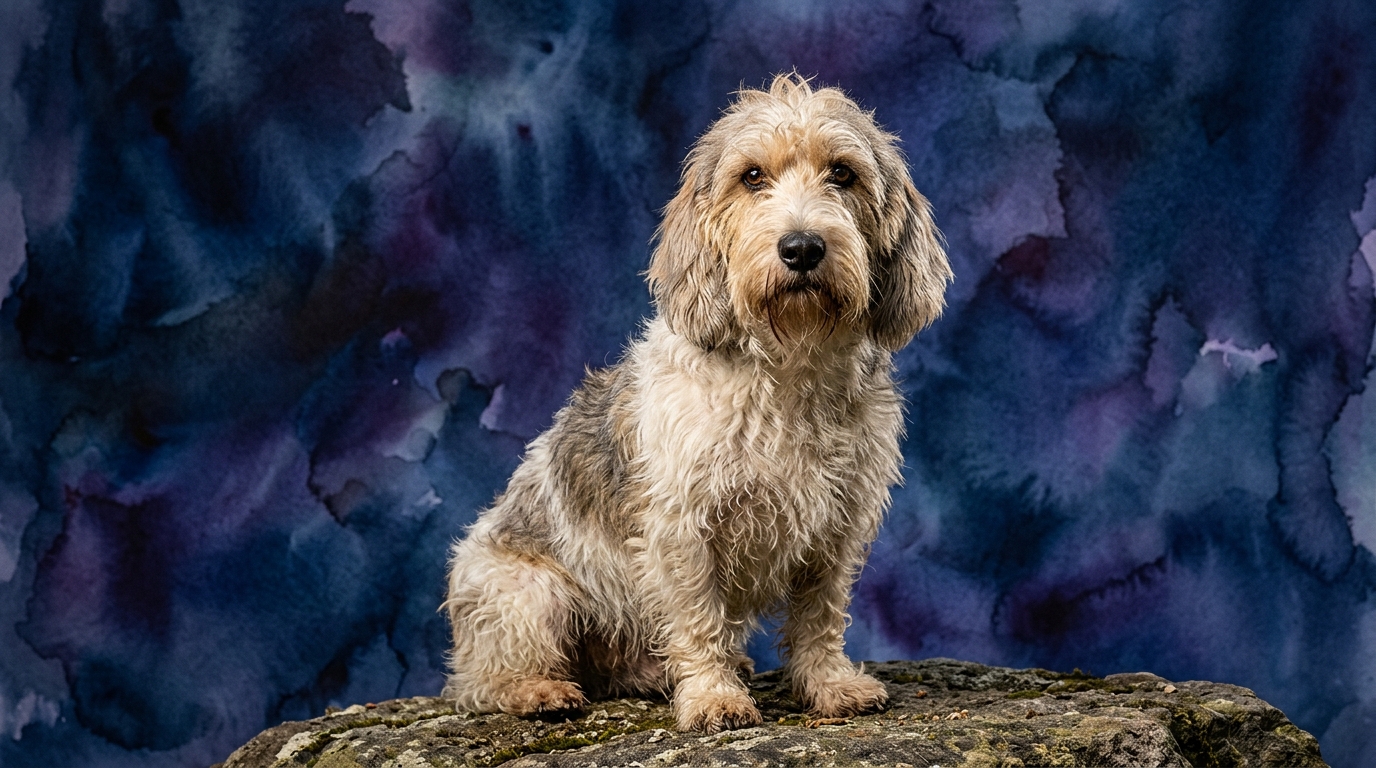
The Petit Basset Griffon Vendéen (PBGV), a vibrant hound breed, is not currently Coren-ranked, but their individual IQ scores paint a clear picture of their specialized cognition. Their Problem Solving is also 3/5, though it's intrinsically linked to their scent-driven nature, excelling at persistent investigation and navigating obstacles using their nose. Training Speed for the PBGV is 3/5, similar to the Great Dane, but their independent hound spirit can sometimes require more engaging and patient methods. Their Social Intelligence is 3/5; while friendly and sociable, they exhibit a more independent style, less intensely focused on human emotional states than the Great Dane. The PBGV's Instinctive Drive scores 3/5, but this is a powerful, overwhelmingly scent-focused urge, driving them to track and explore with their nose, often overriding other considerations. Their Memory, also 3/5, means they recall commands and routines, but their strong instinctive drive might occasionally lead them to 'forget' a command when a compelling scent takes priority.
Where the Great Dane Wins Cognitively
The Great Dane's standout cognitive strength lies squarely in their exceptional Social Intelligence, scoring a 4 out of 5. This translates into a profound capacity to interpret human emotions, body language, and vocal inflections. They often anticipate their owner's needs or moods, offering comfort or space as required, and integrate seamlessly into family dynamics by understanding their role within the human 'pack.' This nuanced social awareness makes them incredibly empathetic companions, capable of forming deep, almost intuitive bonds, and is a clear cognitive advantage when it comes to living harmoniously within a human family.
Where the Petit Basset Griffon Vendéen Wins Cognitively
While their numerical scores are largely mirrored in many categories, the Petit Basset Griffon Vendéen demonstrates a distinct cognitive strength in the application of their Instinctive Drive, particularly within Problem Solving. Their 3/5 for problem-solving is intrinsically linked to their hound nature; they excel at persistent, independent investigation of their environment, driven by an acute sense of smell. This means they are masters at navigating complex scent puzzles, tracking elusive odors, and overcoming physical barriers to reach a perceived target. This specialized cognitive ability, though scored 3/5, represents a highly effective and refined mental process for their intended historical purpose, showcasing a unique intellectual focus compared to the Great Dane's broader social cognition.
Which is Easier to Train and Why
When it comes to ease of training, the Great Dane generally holds an advantage, despite both breeds scoring 3/5 for Training Speed. This difference primarily stems from the Great Dane's superior Social Intelligence (4/5). Their deep understanding of human cues and strong desire to please their owners makes them highly receptive to instruction and eager to cooperate. They are often more focused on their human handler during training sessions, readily absorbing commands and responding to praise. In contrast, the Petit Basset Griffon Vendéen's strong Instinctive Drive (3/5), specifically their intense focus on scent, can make training more challenging. While they are capable learners, their independent hound nature means they are easily distracted by interesting smells, requiring more patience, creativity, and high-value rewards to maintain their attention and reinforce desired behaviors. Training a PBGV often involves channeling their innate drive rather than suppressing it, which demands a different approach and a handler who understands their hound mentality.
Suiting Active vs. Relaxed Owners
The choice between these breeds often depends on an owner's lifestyle and what they seek in a canine companion. The Great Dane, despite their imposing size, can be surprisingly well-suited for more relaxed owners who appreciate a calm, affectionate presence, provided they can offer moderate daily exercise and ample indoor space. Their high Social Intelligence means they thrive on human companionship and are content to be near their family, making them excellent indoor companions who enjoy quiet evenings. However, they are not couch potatoes and still require regular walks and mental engagement to prevent boredom and maintain their physical health. For active owners, the Petit Basset Griffon Vendéen is an excellent match. Their instinctive drive for scent work and exploration means they flourish with owners who enjoy outdoor activities like hiking, scent games, or even canine sports that engage their powerful noses. While they also appreciate downtime indoors, their cognitive vitality is best stimulated by opportunities to explore and track, making them a joyful, albeit sometimes rambunctious, partner for adventurous lifestyles that can accommodate their need for sensory engagement.
The Verdict
Choose the Great Dane if you seek an exceptionally socially intelligent, empathetic, and gentle giant who thrives on close companionship and a moderately active, family-oriented lifestyle.
Opt for the Petit Basset Griffon Vendéen if you appreciate an independent, spirited, and scent-driven companion, eager for outdoor adventures and engaging their keen nose, capable of charming with their unique hound personality.
🧠 Find Your Pet's IQ Score
Our Pet IQ Lab assessment covers 25+ tests across 5 cognitive dimensions — personalized to your breed.
Take the Full IQ Test →Frequently Asked Questions
Are Great Danes good with children?
Yes, Great Danes typically exhibit high social intelligence and a gentle disposition, making them generally good with children. However, their large size requires supervision to prevent accidental knocks, and early socialization is always beneficial for any dog interacting with kids.
Do Petit Basset Griffon Vendéens bark a lot?
Petit Basset Griffon Vendéens are hounds, and like many hounds, they do tend to be vocal, using barks, howls, and baying to communicate. This is part of their instinctive drive and can be managed with consistent training, but owners should expect some level of vocalization, especially when excited or on a scent trail.
How much exercise does a Great Dane need compared to a PBGV?
Great Danes require moderate daily exercise, typically 30-60 minutes of walking or playtime, to maintain their physical and mental well-being. PBGVs, while smaller, often need more vigorous and stimulating exercise, ideally incorporating scent-based activities or longer walks to satisfy their strong hunting instincts, potentially 60-90 minutes or more.