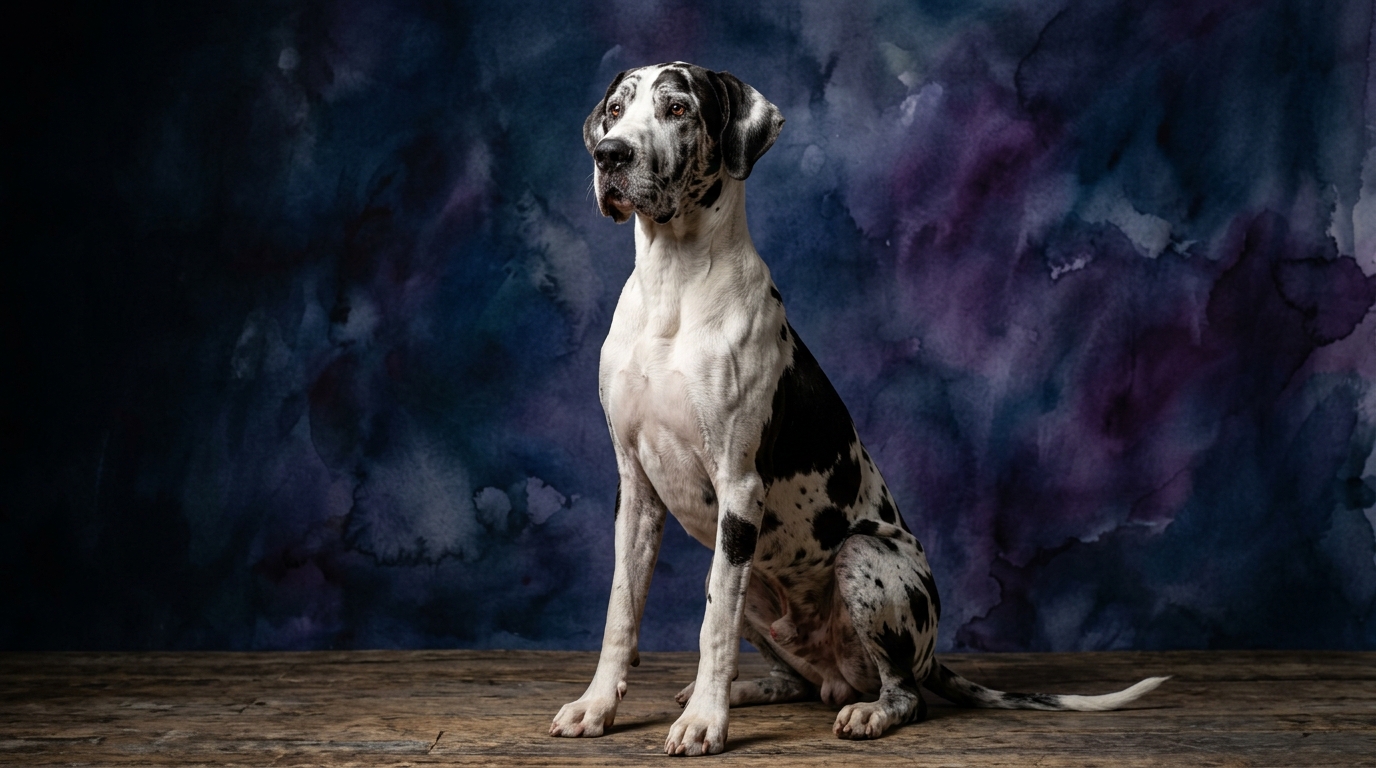
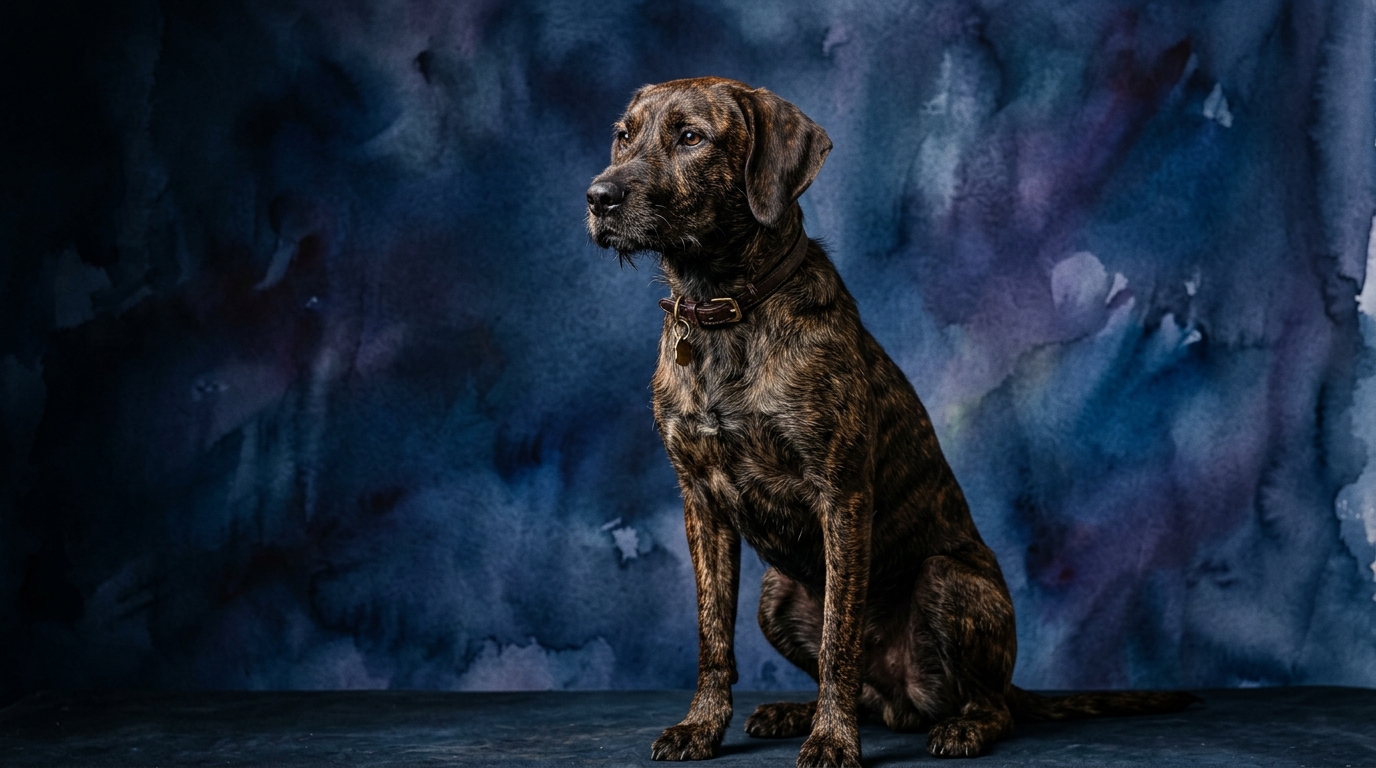
Side-by-Side IQ Profile
**Great Dane (Working Group, Coren Rank #48)** Problem Solving (3/5): Great Danes exhibit an average capacity for problem-solving, typically excelling at tasks that involve interacting with their human companions for guidance or those that are directly related to their immediate environment. They may not independently devise complex, multi-step solutions but can follow learned sequences effectively. Training Speed (3/5): These sensitive giants learn at a moderate pace, responding best to positive reinforcement and consistent, gentle methods. Their eagerness to please, when properly motivated, aids in their acquisition of new commands and routines, though they can be deterred by harsh correction. Social Intelligence (4/5): A standout trait, Great Danes possess a high degree of social intelligence. They are adept at reading human emotions, anticipating needs, and forming deep, empathetic bonds with their families. This makes them highly attuned to household dynamics and excellent companions. Instinctive Drive (3/5): While they retain some protective instincts typical of a working breed, their prey drive is generally moderate. They are more inclined to guard their family and home rather than pursue game, exhibiting a strong family-oriented rather than independent hunting drive. Memory (3/5): Great Danes demonstrate good memory for learned commands, routines, and the people and places they interact with regularly. They can recall past experiences and associations, which supports their trainability and social bonding.
**Plott Hound (Hound Group, Not Coren-ranked)** Problem Solving (3/5): Plott Hounds display problem-solving skills primarily centered around their strong scenting abilities. They are exceptionally good at deciphering complex scent trails and navigating challenging terrain to locate quarry, demonstrating a specialized, task-oriented intelligence rather than abstract reasoning. Training Speed (3/5): Plott Hounds learn efficiently when the training aligns with their natural instincts, particularly scent work or activities that engage their drive. However, their independent nature and propensity to follow a captivating scent can make general obedience training require more persistence and creative motivation. Social Intelligence (3/5): While deeply devoted to their families, Plott Hounds typically exhibit a more independent form of social intelligence compared to the Great Dane. They bond strongly but can be more reserved with strangers and less overtly focused on human emotional cues, often prioritizing their innate drives. Instinctive Drive (3/5): This score is profoundly significant for the Plott Hound, representing their powerful, inherent drive to track and hunt. Their world is often interpreted through scent, and this potent instinct underpins much of their behavior and cognitive focus. Memory (3/5): Plott Hounds possess an excellent memory for scents, trails, and hunting locations. Their recall for specific commands can be reliable, but their memory is often prioritized by their sensory world, meaning a captivating scent can momentarily override other learned responses.
Where Great Dane Wins Cognitively
The Great Dane's clear cognitive advantage lies in its superior social intelligence (4/5). This breed excels at understanding and responding to human emotional states, making them incredibly empathetic and intuitive companions. Their desire to be an integrated part of the family unit means they are highly motivated by human interaction and approval. This social acuity translates into a greater willingness to cooperate in training and a more profound sensitivity to their handler's cues, which is reflected in their Coren rank of #48. They process social information with greater depth, often anticipating needs or moods, fostering a tighter bond and a more harmonious home environment.
Where Plott Hound Wins Cognitively
The Plott Hound's cognitive strength is firmly rooted in its specialized problem-solving capabilities related to its instinctive drive. While both breeds score 3/5 in problem-solving, the Plott Hound's application is distinct: it demonstrates exceptional prowess in decoding complex scent puzzles and navigating demanding environments during a hunt. Their tenacity and single-minded focus, driven by their powerful scenting instinct, allow them to persist where other breeds might falter. This breed's intelligence is geared towards independent work, making decisions in the field based on sensory input, a skill set that outperforms the Great Dane in a working scent scenario.
Which is Easier to Train and Why
The Great Dane generally proves easier to train due to its higher social intelligence and inherent desire to please its human companions. Their sensitivity means they respond well to positive reinforcement and clear, consistent direction, often eager to earn praise. Their Coren rank of #48 suggests they understand new commands relatively quickly (after 25-40 repetitions) and obey them about half the time on the first try. In contrast, the Plott Hound's strong instinctive drive, particularly its scent focus, can present significant training challenges. While they are capable of learning, their independent nature and powerful distraction from an interesting scent require a more patient, persistent handler who can channel their natural drives effectively. Training a Plott Hound often involves finding high-value rewards that can compete with the allure of a captivating scent trail.
Which Suits Active Owners vs Relaxed Owners
For owners seeking a more relaxed companion, the Great Dane is often the more suitable choice. While they require regular exercise to maintain health, their social intelligence means they are often content to spend significant time relaxing indoors with their family. They thrive on companionship and do not possess an overwhelming need for constant mental or physical "work" beyond their exercise requirements. Conversely, the Plott Hound is unequivocally better suited for active owners. Their powerful instinctive drive and need for mental stimulation, particularly through scent work or vigorous physical activity, necessitate a lifestyle that can accommodate these needs. A bored Plott Hound can become destructive or vocal, making a committed, active owner essential for their well-being.
The Verdict
Opt for a Great Dane if you prioritize a deeply empathetic, socially intelligent companion who desires to be an integrated family member and thrives on close human interaction, fitting a home seeking a gentle, emotionally attuned presence.
Select a Plott Hound if you are an active, experienced owner prepared to channel a powerful, independent working drive into activities like scent work, hunting, or vigorous exercise, valuing a tenacious and specialized canine partner.
🧠 Find Your Pet's IQ Score
Our Pet IQ Lab assessment covers 25+ tests across 5 cognitive dimensions — personalized to your breed.
Take the Full IQ Test →Frequently Asked Questions
Do Great Danes make good guard dogs?
While Great Danes possess a protective instinct and an imposing presence, their high social intelligence means they are more likely to be excellent watchdogs, alerting to strangers, rather than aggressive guard dogs. Their primary role is often that of a gentle family protector.
Are Plott Hounds suitable for first-time dog owners?
Plott Hounds are generally not recommended for first-time dog owners due to their independent nature, strong scent drive, and need for consistent, experienced training and ample physical and mental stimulation. They require an owner who understands hound behavior.
Can a Plott Hound live in an apartment?
While a Plott Hound *could* theoretically live in an apartment, it is far from ideal. Their high energy, vocal tendencies (baying), and profound need for daily vigorous exercise and mental stimulation, especially scent work, make a home with a secure yard and an active lifestyle much more appropriate.