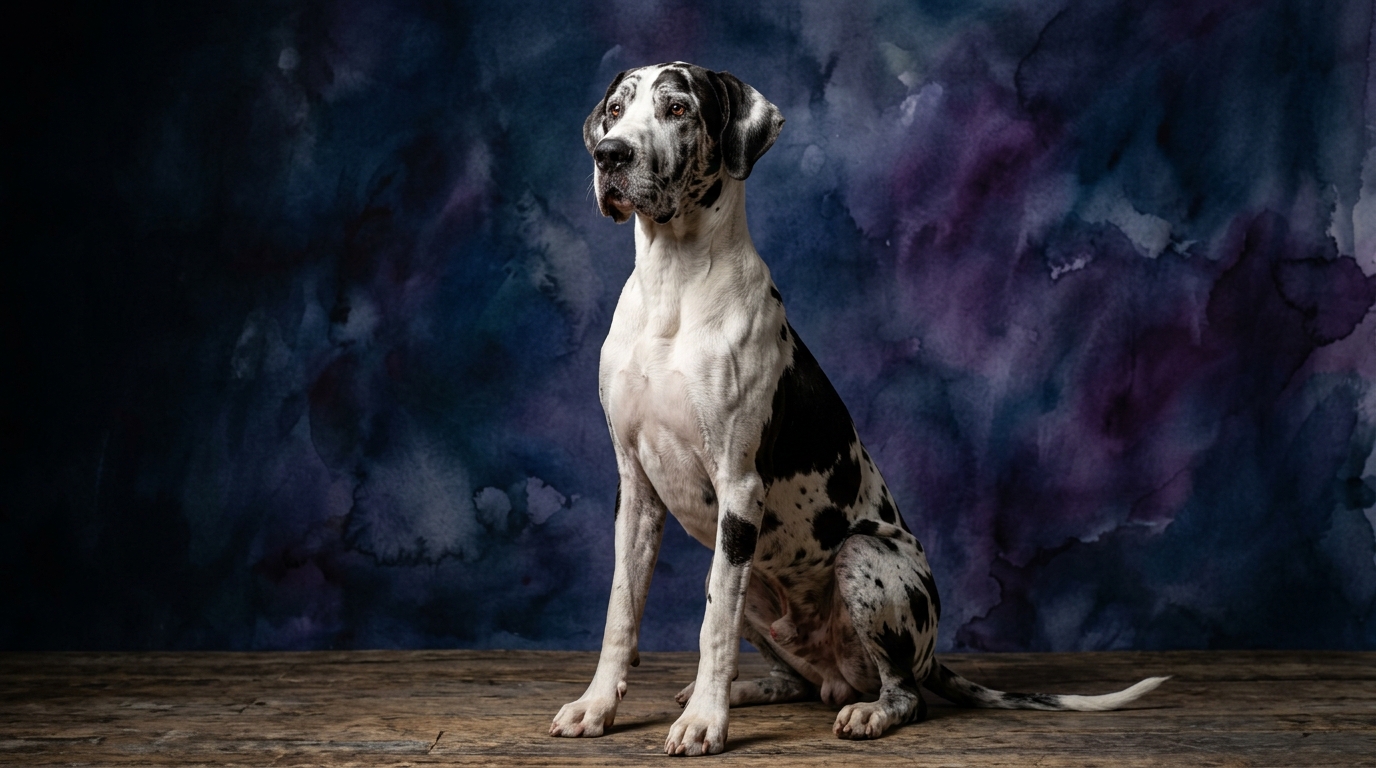
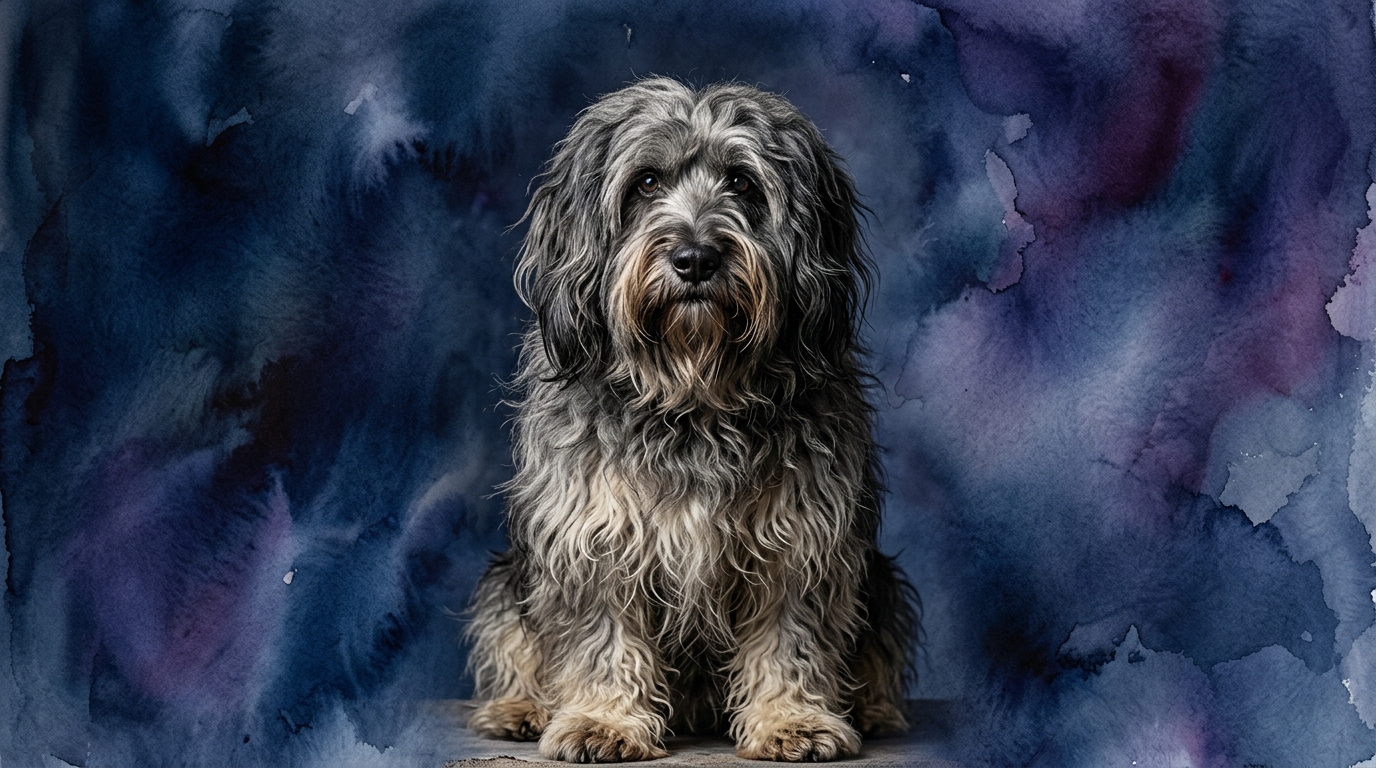
Side-by-Side IQ Profile: Great Dane vs. Polish Lowland Sheepdog
**Great Dane (Working Group, Coren Rank #48)**
**Problem Solving (3/5):** Great Danes exhibit a moderate capacity for navigating straightforward environmental challenges, like retrieving a dropped toy. Their approach is practical and direct, typically not involving complex, multi-step strategic thinking.
**Training Speed (3/5):** These dogs learn new commands at a moderate pace. Consistency and positive reinforcement are crucial, as they respond well to clear expectations, gradually embedding new behaviors into their routine.
**Social Intelligence (4/5):** A standout trait, Great Danes possess a keen awareness of human emotions and social cues, forming deep, empathetic bonds. They often mirror family moods and excel at understanding subtle interactions.
**Instinctive Drive (3/5):** Their instinctive drive is moderately expressed. Originally for hunting and guardianship, protective instincts manifest as a watchful presence rather than intense, relentless drive, focused on being near their people.
**Memory (3/5):** Great Danes show moderate memory, reliably recalling learned commands, routines, and familiar people. Significant experiences are remembered, while less impactful details might fade without reinforcement.
**Polish Lowland Sheepdog (Herding Group, Not Coren-Ranked)**
**Problem Solving (3/5):** Polish Lowland Sheepdogs (PONs) demonstrate moderate problem-solving, often in practical, task-oriented ways. This manifests in situations requiring independent thought, such as navigating livestock or obstacles, devising workable solutions.
**Training Speed (3/5):** PONs learn at a moderate pace. Their independent nature means engaging methods and patience are key. Once understood, concepts are retained well, especially if appealing to their desire for purpose.
**Social Intelligence (3/5):** They show moderate social intelligence, attentive to caregivers and forming close bonds. Their focus is often on tasks or immediate family, reading cues but perhaps less overtly empathetic than some breeds.
**Instinctive Drive (3/5):** PONs have a pronounced instinctive drive, rooted in herding. This involves gathering, controlling, and watching their 'flock,' shaping much of their behavior and interaction with their environment.
**Memory (3/5):** PONs have moderate memory, reliably recalling routines, commands, and familiar people/places. Their working background likely aids in recalling task sequences with consistent practice.
Where the Great Dane Wins Cognitively
The Great Dane's distinct cognitive advantage lies in its superior social intelligence, rated 4/5 compared to the Polish Lowland Sheepdog's 3/5. This indicates a more refined ability to interpret and respond to human emotions and social nuances. Great Danes are often profoundly empathetic, capable of picking up on subtle shifts in their owner's mood or body language. This translates into a companion animal that offers comfort without explicit prompting, adjusting its behavior based on household atmosphere, and integrating seamlessly into a family's emotional fabric.
Where the Polish Lowland Sheepdog Wins Cognitively
While raw IQ scores are largely on par, the Polish Lowland Sheepdog's cognitive strengths emerge distinctly through its instinctive drive. Rated 3/5, this herding drive involves complex cognitive processes: observation, strategic movement, and independent decision-making to manage a 'flock.' A PON's mind is wired to assess situations, anticipate movement, and problem-solve in real-time within its working context. This translates into a dog exhibiting independent thought and a resourceful approach to tasks, showcasing a specialized intelligence for its historical role.
Which is Easier to Train and Why?
Determining 'easier' is nuanced, with both breeds sharing a 3/5 training speed. However, the Great Dane's higher social intelligence (4/5) often gives it a slight edge in responsiveness. Great Danes tend to be more people-focused and eager to please, making them generally more attuned to human cues and motivations during training. Their desire for companionship and approval translates into a stronger willingness to comply. The Polish Lowland Sheepdog, while trainable, exhibits a more independent streak from its herding background. Their cognitive processes, geared towards autonomous decision-making, can manifest as a 'what's in it for me?' attitude. This means a PON might require more creative, motivating techniques to keep them engaged, ensuring they see the value in following commands.
Suited for Active vs. Relaxed Owners
The Great Dane generally suits a more relaxed owner, though still requiring regular, moderate exercise. Their social intelligence means they thrive on being an integral part of family life, often content with lounging near their people after a good walk. While playful, their energy isn't typically boundless, making them excellent companions for those enjoying a calm home environment with daily activity. The Polish Lowland Sheepdog, conversely, is better suited for active owners. Their strong instinctive drive and problem-solving aptitude demand consistent mental and physical stimulation. They excel in activities like agility or herding trials, where they can put their cognitive and physical energy to use. An owner providing a 'job' for their PON will find their dog's needs met, preventing boredom.
The Verdict
Opt for a Great Dane if you seek a highly empathetic companion animal that excels at understanding and responding to human emotions, providing a deep, intuitive social connection within a generally calm household.
Select a Polish Lowland Sheepdog if you are an active owner prepared to engage a resourceful, independent thinker with structured activities that fulfill its innate drive for purpose and problem-solving.
🧠 Find Your Pet's IQ Score
Our Pet IQ Lab assessment covers 25+ tests across 5 cognitive dimensions — personalized to your breed.
Take the Full IQ Test →Frequently Asked Questions
Do Great Danes understand human emotions better than Polish Lowland Sheepdogs?
Yes, the Great Dane's 4/5 social intelligence score indicates a more profound capacity to interpret and react to human emotions compared to the Polish Lowland Sheepdog's 3/5. They are adept at offering comfort and adjusting behavior based on human mood.
Is the Polish Lowland Sheepdog's herding instinct a form of intelligence?
Absolutely. Its 3/5 instinctive drive represents a specialized intelligence involving complex cognitive processes like observation, strategic movement, and autonomous decision-making in dynamic environments. This enables effective 'flock' management.
Are either of these breeds considered difficult to train?
Neither is inherently difficult, both having a 3/5 training speed. Great Danes may be more responsive due to social intelligence and eagerness to please. PONs' independence might require more creative, engaging methods to maintain focus and motivation.