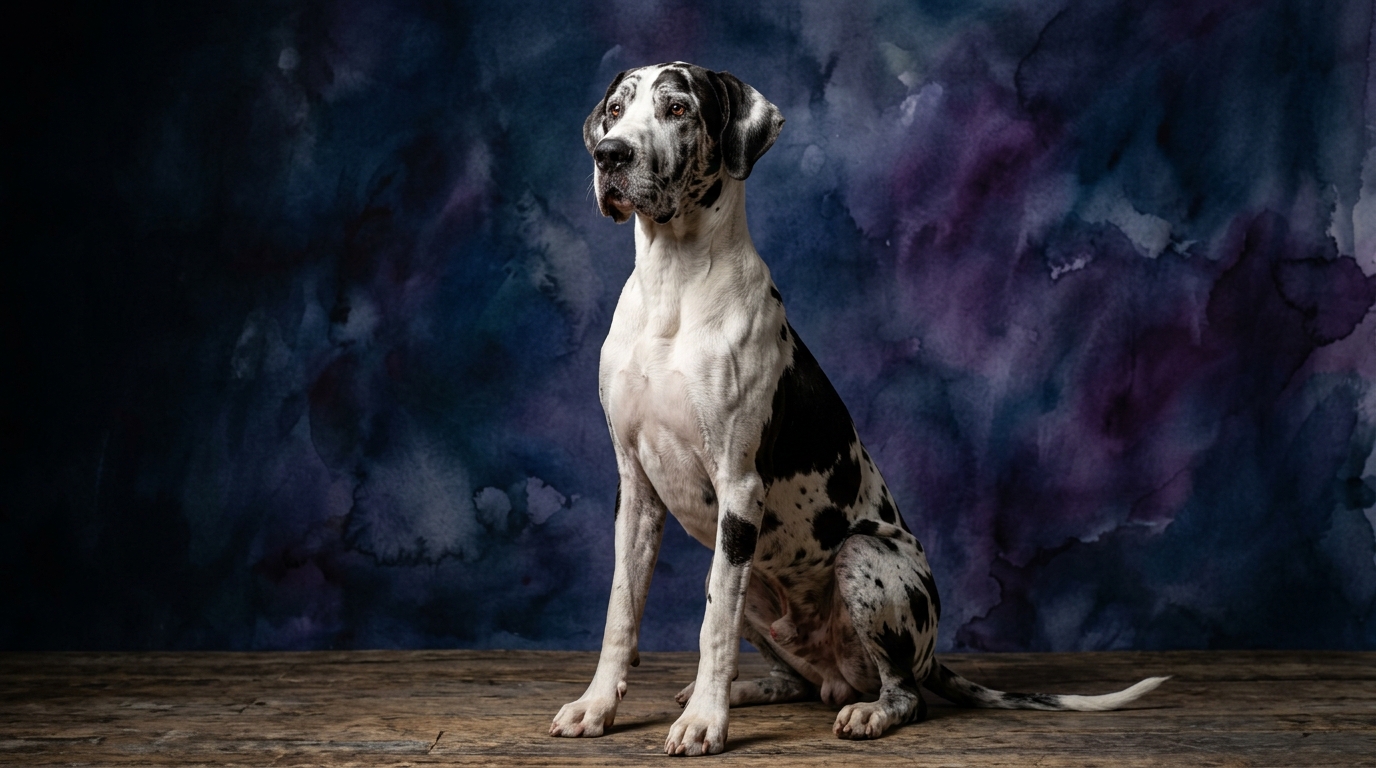
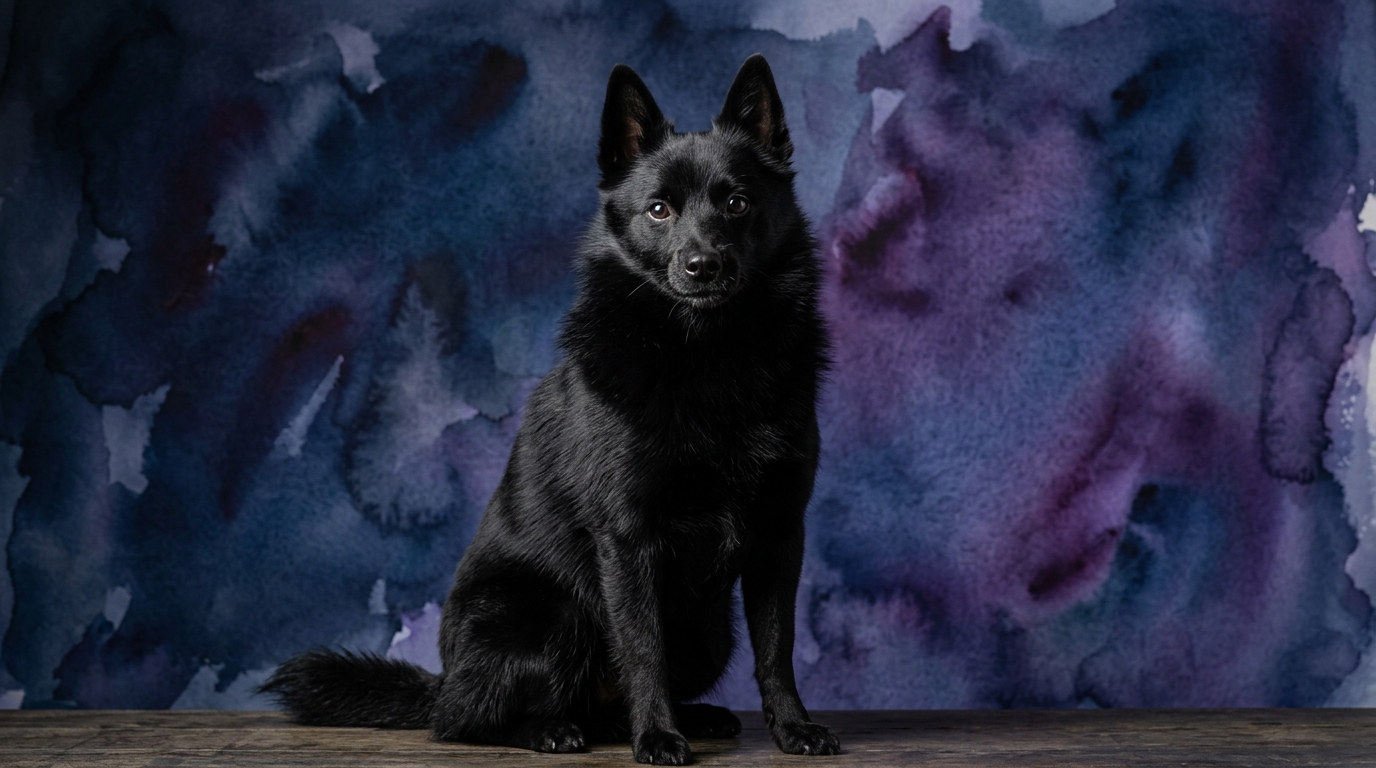
Side-by-Side IQ Profile: Great Dane vs. Schipperke
Our Pet IQ Lab analysis utilizes five distinct dimensions to paint a complete picture of canine cognition. For the Great Dane, a working breed, we observe a Coren rank of #48, suggesting a solid but not top-tier capacity for learning and obedience. Their problem-solving ability is rated at 3/5, indicating they can navigate straightforward challenges but may not seek out complex solutions. Training speed, also at 3/5, means they learn at a steady pace, requiring consistent repetition. Where Great Danes truly shine is their social intelligence, scoring 4/5, demonstrating a deep understanding of human emotions and social cues. Their instinctive drive is moderate at 3/5, manifesting as protective instincts rather than an overwhelming urge to hunt or herd, and their memory stands at 3/5, sufficient for daily routines and familiar commands.
In stark contrast, the Schipperke, a non-sporting breed, boasts an impressive Coren rank of #15, placing them among the more adept learners in the canine world. Their problem-solving ability is an outstanding 5/5, indicating a highly resourceful mind capable of independently figuring out complex tasks or unlocking barriers. Training speed mirrors this at 5/5, meaning Schipperkes absorb new commands and routines with remarkable rapidity. Their social intelligence is 3/5, suggesting a more independent nature compared to the Great Dane, though still capable of strong bonds. Instructive drive is also 3/5, often manifesting as a strong desire to patrol and alert, typical of their historical role as barge dogs, and their memory is an exceptional 5/5, allowing them to retain vast amounts of information and learned behaviors.
Where the Great Dane Excels Cognitively
The Great Dane's primary cognitive advantage lies in its profound social intelligence, scoring 4/5. This dimension reflects a dog's capacity to understand and respond to human emotions, body language, and social dynamics within a family unit. Great Danes are often described as gentle giants precisely because of this empathetic nature; they are highly attuned to their owners' moods, offering comfort during distress or mirroring a calm demeanor. Their inclination to integrate seamlessly into human family life, often acting as a sensitive and intuitive companion, stems directly from this elevated social awareness. They excel at reading subtle cues from their human counterparts, making them excellent therapy dogs or emotional support animals, where a deep understanding of human state is paramount. This allows them to anticipate needs and react with a gentle, supportive presence, often without explicit instruction.
Where the Schipperke Shows Its Cognitive Prowess
The Schipperke truly demonstrates its intellectual superiority in three key cognitive areas: problem-solving, training speed, and memory. With a 5/5 in problem-solving, Schipperkes are masters of their environment, often devising ingenious methods to access treats, open doors, or navigate complex obstacles. This isn't just about simple curiosity; it's a genuine capacity for analytical thought and strategic planning to achieve a desired outcome. Their training speed, also a perfect 5/5, means they grasp new commands and concepts with minimal repetition, making them highly receptive to advanced obedience and trick training. This rapid acquisition of knowledge is complemented by an equally impressive 5/5 memory, ensuring that once a lesson is learned, it is retained for the long term. This combination makes them exceptionally consistent in their performance and capable of building a vast repertoire of learned behaviors, from intricate agility courses to complex scent work.
Training Dynamics: Which Breed Learns More Easily?
When it comes to ease of training, the Schipperke generally presents a more straightforward path for owners seeking rapid results. Their 5/5 training speed means they pick up new commands with remarkable swiftness, often requiring only a few repetitions before a behavior is understood. This is supported by their exceptional 5/5 memory, ensuring that once a command is learned, it sticks. While their social intelligence is moderate, they are often highly motivated by rewards and the challenge of learning, making them enthusiastic participants in training sessions. Owners will find that Schipperkes thrive on mental stimulation and excel in structured learning environments, quickly progressing to more advanced tasks and tricks.
The Great Dane, with a training speed of 3/5 and memory of 3/5, requires a more patient and consistent approach. While they are certainly capable of learning, they may need more repetitions to solidify a command. However, their higher social intelligence (4/5) can be an advantage here; they are often eager to please their human companions and respond well to positive reinforcement rooted in strong relationship building. Their sensitivity means harsh training methods are counterproductive, but a gentle, encouraging approach can yield steady progress. Early and consistent training is particularly vital for Great Danes due to their immense size, ensuring good manners and leash etiquette are ingrained from a young age, relying on their desire for harmony within the family.
Matching Canine Cognition to Lifestyle: Active vs. Relaxed Owners
For the active owner who enjoys mental challenges and consistent engagement with their canine companion, the Schipperke is an ideal match. Their superior problem-solving abilities, rapid training speed, and exceptional memory mean they thrive when given tasks to do and puzzles to solve. Owners who are keen on dog sports like agility, obedience trials, or even advanced trick training will find the Schipperke an enthusiastic and capable partner. They require consistent mental stimulation to prevent boredom and channel their sharp minds constructively, making them perfect for individuals or families who are prepared to dedicate time to their intellectual development and daily activities.
Conversely, the Great Dane is better suited for owners who appreciate a more relaxed pace and value companionship over constant cognitive challenges. While they still require regular exercise for their physical well-being, their lower scores in problem-solving and training speed mean they aren't constantly seeking complex mental tasks. Their high social intelligence makes them content with simply being near their human family, offering a calming and empathetic presence. Owners who enjoy gentle walks, quiet evenings, and a dog that is attuned to the household's emotional rhythm will find the Great Dane to be a profoundly rewarding companion, requiring less intensive cognitive engagement but valuing deep emotional connection.
The Verdict
Choose a Great Dane if you seek a deeply empathetic companion who offers gentle presence and seamlessly integrates into a relaxed family dynamic, valuing social connection over constant mental gymnastics.
Opt for a Schipperke if you desire an intellectually sharp partner who thrives on advanced training, problem-solving, and consistent mental stimulation, ready for a life of engaging activities.
🧠 Find Your Pet's IQ Score
Our Pet IQ Lab assessment covers 25+ tests across 5 cognitive dimensions — personalized to your breed.
Take the Full IQ Test →Frequently Asked Questions
Are Great Danes truly 'gentle giants' in their cognitive approach?
Yes, their high social intelligence and moderate instinctive drive mean they generally approach situations with a calm, empathetic demeanor. They are more inclined to observe and respond to human cues than to independently devise complex solutions or act impulsively.
Do Schipperkes' high problem-solving skills make them prone to mischief?
Their exceptional problem-solving can indeed lead to inventive ways of accessing forbidden areas or getting into things if not properly channeled. Consistent mental engagement through training and puzzle toys is crucial to direct their sharp minds toward desirable activities.
Despite their size difference, do both breeds require similar amounts of training?
While both benefit from consistent training, the *type* and *pace* differ significantly. Schipperkes excel with varied, challenging, and rapid-fire training sessions, whereas Great Danes require more patient, repetitive, and relationship-based training, particularly for managing their physical presence.