Side-by-Side Cognitive Profiles
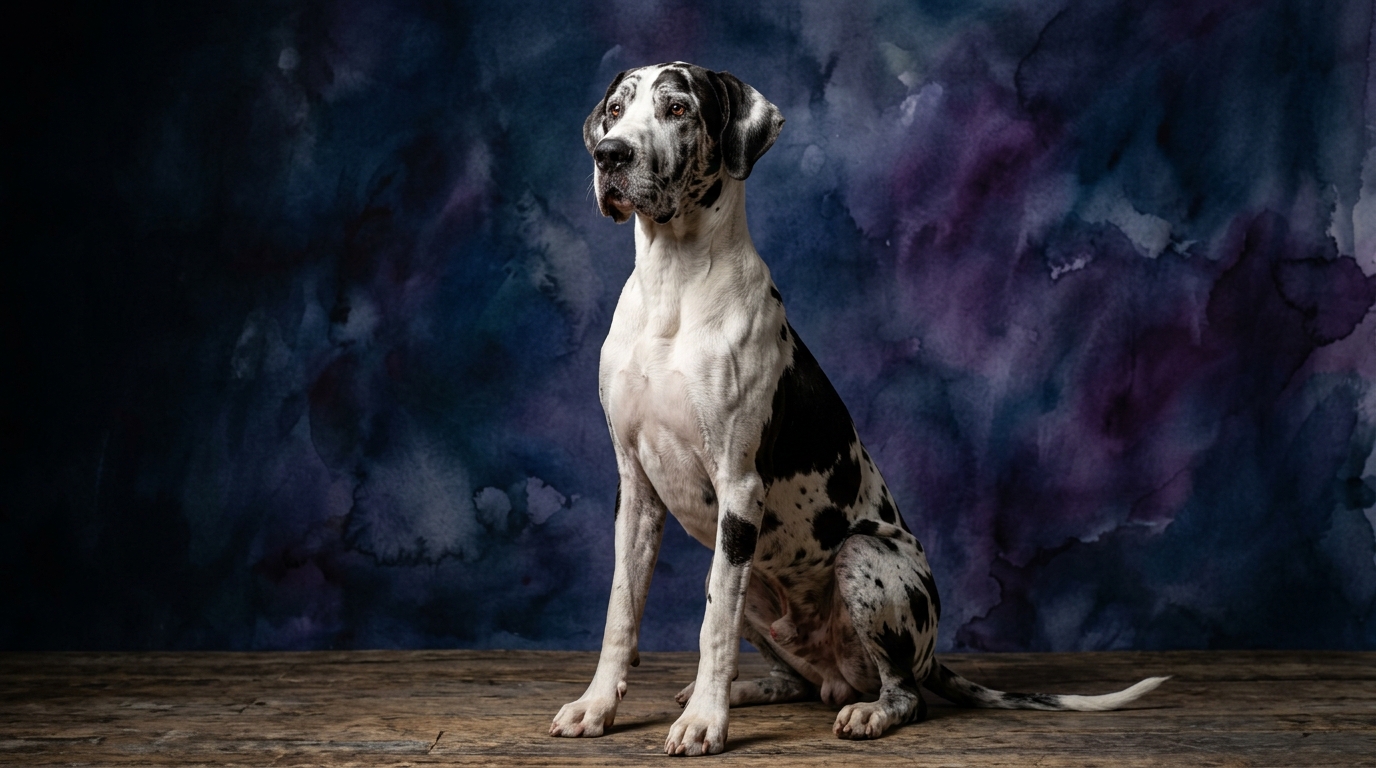
The Cosmic Pet Pet IQ Lab employs a multi-dimensional approach to assess canine cognition, moving beyond simple obedience metrics to evaluate problem-solving, training speed, social intelligence, instinctive drive, and memory. For the Great Dane, a Working group member with a Coren rank of #48, its profile reveals a well-rounded mind with a particular strength in social interactions. Its problem-solving capacity sits at 3/5, indicating an ability to navigate moderately complex situations, often with a thoughtful approach rather than impulsive action. Training speed is also rated 3/5, meaning these dogs learn new commands and routines at a steady, consistent pace, responding well to clear instruction and positive reinforcement. The Great Dane truly distinguishes itself with a social intelligence score of 4/5, reflecting a profound capacity to read human emotions, understand social dynamics, and form deep, empathetic bonds with its family. Its instinctive drive is 3/5, a moderate level that, while present from its historical role in hunting large game, is generally manageable in a domestic setting. Memory is assessed at 3/5, suggesting a good retention of learned behaviors and past experiences.
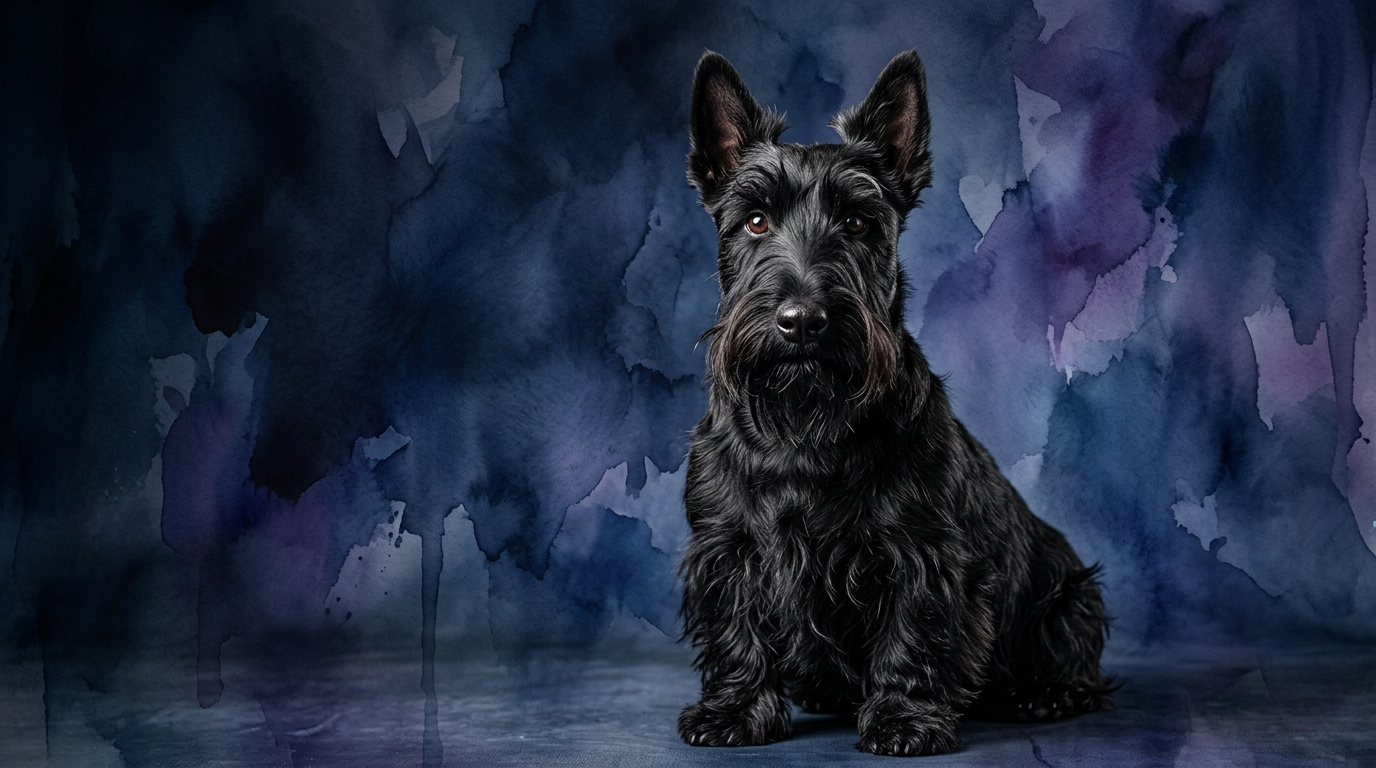
In contrast, the Scottish Terrier, a tenacious member of the Terrier group with a Coren rank of #65, presents a cognitive profile marked by steadfastness and an independent spirit. Its problem-solving aptitude also scores 3/5, demonstrating an ability to figure out moderate challenges, often relying on persistence and a determined focus to achieve its goals. The training speed for the Scottish Terrier is 3/5, indicating that they learn new tasks at a moderate rate, much like the Great Dane. However, their application of these learned behaviors can be influenced by their independent nature, requiring consistent motivation. The Scottish Terrier's social intelligence is rated 3/5, meaning they understand social cues and bond strongly with their immediate family, but may exhibit a more reserved or selective demeanor with strangers compared to the Great Dane. Their instinctive drive is 3/5, a rating that reflects a significant prey drive and a persistent nature, rooted in their historical purpose of pursuing vermin. Memory for the Scottish Terrier is 3/5, allowing them to recall learned information and past events adequately.
Where the Great Dane Excels Cognitively
The Great Dane's primary cognitive advantage lies in its exceptional social intelligence, scoring 4/5 compared to the Scottish Terrier's 3/5. This higher rating signifies an enhanced ability to interpret human body language, vocal tones, and emotional states, making them incredibly attuned companions. A Great Dane often anticipates its owner's needs or mood, offering comfort or companionship without explicit prompting. This deep understanding fosters a remarkable cooperative spirit; they tend to be highly motivated by pleasing their human counterparts, which translates into a willingness to engage in shared activities and follow guidance. Their capacity for empathy allows them to integrate seamlessly into a family unit, often acting as a gentle, reassuring presence that is keenly aware of household dynamics and individual feelings. This heightened social awareness contributes to their reputation as thoughtful, sensitive family members, making them particularly adept at navigating complex social environments within a home.
While both breeds share similar scores in problem-solving and training speed, the Great Dane’s superior social intelligence often augments these areas in a practical sense. Their desire for connection and cooperation means they are more likely to apply their 3/5 problem-solving skills to tasks that involve working alongside their owner, such as figuring out puzzle toys or navigating new environments under direction. Their memory (3/5) is effectively utilized in remembering routines and the preferences of their human companions, reinforcing their role as a deeply integrated and responsive family member.
Where the Scottish Terrier Stands Out
Despite sharing similar scores across most cognitive dimensions with the Great Dane, the Scottish Terrier's unique strength lies in the application of its intelligence, heavily influenced by its tenacious terrier spirit and instinctive drive. While both breeds score 3/5 in problem-solving, the Scottish Terrier often approaches challenges with a distinct brand of determined persistence. Faced with a puzzle or an obstacle, a Scottie is less likely to seek human input immediately and more inclined to meticulously work through the problem independently, using its inherent drive to achieve a goal. This self-reliance and focus, stemming from its heritage as a vermin hunter, means that when a Scottish Terrier sets its mind to something, whether it’s finding a hidden treat or exploring a scent, it exhibits remarkable resolve.
Their 3/5 instinctive drive, while numerically similar to the Great Dane, manifests differently due to its purpose. For the Scottish Terrier, this translates into an unwavering focus on scent work and a persistent drive to dig or pursue small, interesting targets. This deep-seated instinctual intelligence makes them adept at tasks requiring independent investigation and sustained effort, even when the immediate reward isn't obvious. Their memory (3/5) supports this by helping them recall successful hunting strategies or locations of interesting smells, reinforcing their self-sufficient problem-solving approach. This breed's particular cognitive advantage is its ability to operate effectively with a strong sense of purpose, often on its own terms, making them exceptionally capable at tasks that demand grit and determination.
Training Dynamics: Great Dane vs. Scottish Terrier
When considering ease of training, the Great Dane generally presents a more cooperative experience, largely due to its superior social intelligence (4/5). While both breeds have a 3/5 training speed, the Great Dane's inherent desire to please its human companions and its sensitivity to social cues makes it more receptive to learning. They tend to form strong bonds quickly and view training as a collaborative effort, often eager to perform tasks that earn them praise and affection. Their responsiveness to human direction means they are often more forgiving of handler mistakes and more inclined to stay focused on the task at hand. Consistency and positive reinforcement are key, and a Great Dane will typically absorb new commands steadily, often driven by the reward of connection.
The Scottish Terrier, despite its 3/5 training speed, can present a greater challenge due to its independent nature and strong instinctive drive. While they are certainly capable of learning, their propensity for self-direction means they might not always see the immediate benefit in performing a command, especially if a more intriguing scent or activity has captured their attention. Training a Scottish Terrier often requires more patience, creativity, and a deep understanding of what truly motivates them, such as high-value treats or engaging play. Their memory (3/5) ensures they retain what they've learned, but their willingness to apply it can be selective. Owners must establish clear boundaries and consistent expectations, understanding that a Scottie will cooperate when it perceives value in the interaction, rather than simply out of a desire to please.
Matching Breeds to Lifestyles: Active vs. Relaxed Owners
For owners with a more relaxed lifestyle seeking a gentle, ever-present companion, the Great Dane often aligns perfectly. Despite their immense size, Great Danes are frequently described as 'gentle giants' who, once adequately exercised, are content to lounge indoors near their family. Their 4/5 social intelligence means they thrive on human companionship and are deeply integrated into the household's rhythm, making them ideal for individuals or families who desire a dog that is emotionally responsive and always 'tuned in' to their presence. While they do require regular, moderate exercise to maintain their physical and mental well-being, their overall energy expenditure can be managed with daily walks and playtime, rather than intense, prolonged physical activity. Their calm demeanor and desire for connection make them excellent companions for quiet evenings at home.
Conversely, the Scottish Terrier is a better fit for owners who appreciate and can accommodate a dog with a more spirited, independent, and sometimes tenacious personality, fitting a slightly more active or engaged lifestyle. While not requiring extreme athleticism, their 3/5 instinctive drive and persistent nature mean they benefit greatly from consistent mental stimulation and purposeful activity. Owners who enjoy engaging their dogs in scent games, structured training sessions, or regular excursions that allow for exploration will find a rewarding partnership with a Scottie. Their independence means they can entertain themselves to a degree, but they truly flourish when their natural curiosity and drive are channeled into appropriate activities. They are best suited for owners who understand the terrier temperament and are prepared to provide consistent boundaries and stimulating outlets for their dog’s inherent zest for life.
The Verdict
Choose the Great Dane if you seek a deeply empathetic, cooperative, and gentle companion who thrives on social connection and integrates seamlessly into family life, offering a calm, reassuring presence.
Opt for the Scottish Terrier if you appreciate an independent, tenacious, and spirited partner who approaches life with determination, valuing owners who understand and channel their inherent drive and strong personality.
🧠 Find Your Pet's IQ Score
Our Pet IQ Lab assessment covers 25+ tests across 5 cognitive dimensions — personalized to your breed.
Take the Full IQ Test →Frequently Asked Questions
Do Great Danes or Scottish Terriers get along better with other pets?
Great Danes, with their 4/5 social intelligence, often adapt well to other pets due to their generally tolerant and empathetic nature, especially if socialized early. Scottish Terriers, having a 3/5 social intelligence and a stronger prey drive, may require more careful introductions and supervision with smaller animals, though they can coexist peacefully with proper management.
Which breed is more prone to 'selective hearing' during training?
The Scottish Terrier is generally more prone to 'selective hearing.' While both breeds have a 3/5 training speed, the Scottie's independent nature and strong instinctive drives mean they might choose to prioritize an interesting scent or activity over a command, requiring more consistent motivation and patience from their owner.
How do their memory scores influence their daily behavior?
Both breeds score 3/5 in memory, meaning they retain learned behaviors and experiences adequately. For a Great Dane, this supports remembering household routines and commands. For a Scottish Terrier, it aids in recalling past successful problem-solving strategies or preferred routes during walks, reinforcing their independent exploration.