The Cosmic Pet Pet IQ Lab: Side-by-Side Cognitive Profiles
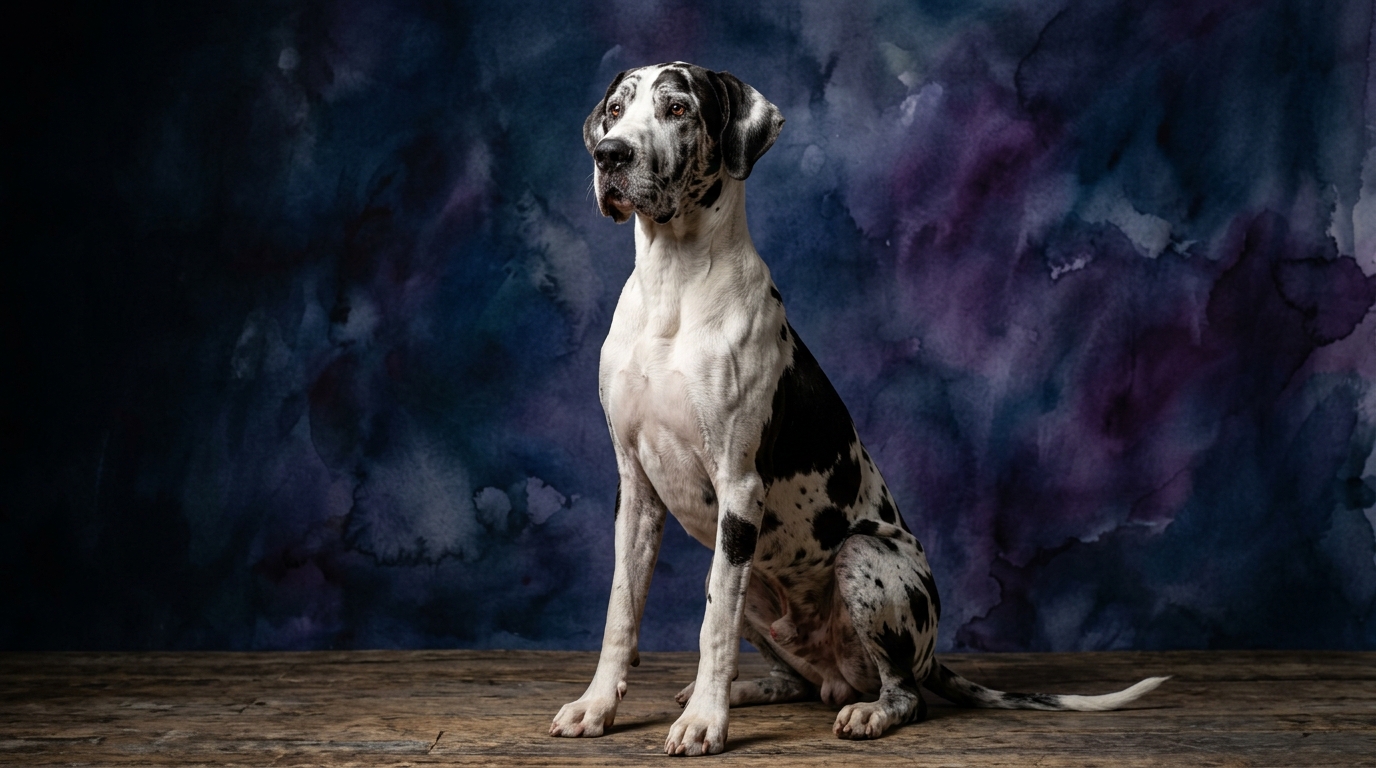
The Great Dane, a member of the Working Group with a Coren ranking of #48, exhibits a cognitive profile reflecting its historical role as a guardian and companion. Its Problem Solving is rated 3/5, indicating a moderate capacity to navigate novel challenges, often with a measured approach rather than rapid improvisation. Training Speed is also 3/5, suggesting that while they are certainly capable learners, consistency and positive reinforcement are key to embedding commands. Where the Great Dane truly distinguishes itself is in Social Intelligence, scoring 4/5; this reflects a profound ability to interpret human emotions and intentions, fostering deep, empathetic connections. Instinctive Drive stands at 3/5, signifying moderate intrinsic motivations that can be channeled through structured activities. Finally, Memory is 3/5, meaning they reliably retain learned behaviors and routines, contributing to their dependable nature.
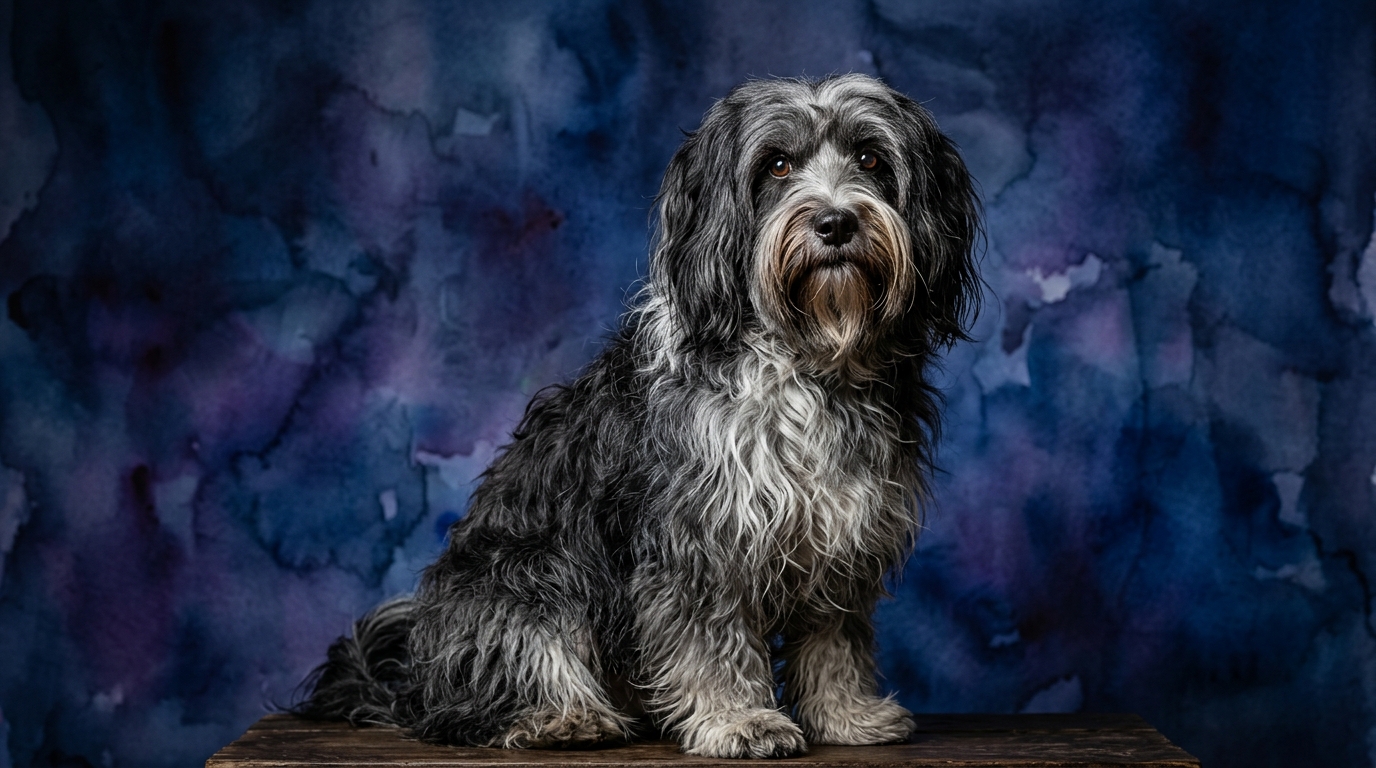
In contrast, the Tibetan Terrier, from the Non-Sporting Group and ranked #63 by Coren, presents a slightly different cognitive landscape. Its Problem Solving aligns with the Great Dane at 3/5, suggesting a similar moderate capacity for figuring things out, often with a persistent, sometimes clever, approach to obstacles. Training Speed is likewise 3/5, indicating that while trainable, these independent thinkers benefit from engaging, varied methods to maintain focus and enthusiasm. Social Intelligence for the Tibetan Terrier is 3/5; they form strong bonds with their families but might be more reserved or discerning with strangers, demonstrating affection in a less overtly expressive manner than the Dane. Their Instinctive Drive is 3/5, influenced by their history as watchdogs in monasteries, imbuing them with alertness and a degree of territoriality. Memory is also 3/5, allowing them to recall commands and relationships effectively, even if their application might sometimes be selective.
Where the Great Dane Excels Cognitively
The Great Dane's primary cognitive advantage lies in its exceptional Social Intelligence (4/5). This isn't just about being friendly; it signifies a heightened capacity for emotional attunement. These dogs demonstrate a remarkable ability to read subtle human cues, understand mood shifts, and respond with empathy. This makes them profoundly intuitive companions, often anticipating their owner's needs or offering comfort without explicit prompting. Their large, expressive eyes and gentle demeanor are not just physical traits but reflect a deep cognitive processing of their human environment, allowing them to integrate seamlessly and supportively into family dynamics. For owners seeking a dog that feels like a true emotional anchor, the Great Dane's cognitive strength in this area is unparalleled.
While their Problem Solving is rated 3/5, the Great Dane's approach often combines this moderate intellectual capacity with a calm, deliberate temperament. Unlike smaller, more frantic problem-solvers, a Great Dane might ponder a situation, using its body intelligently to navigate obstacles or reach desired items. This isn't about raw speed of thought, but rather a thoughtful, methodical application of their understanding, often yielding a steady, successful resolution. This cognitive style, coupled with their strong social drive, means they are often motivated to solve problems that benefit their human companions or maintain household harmony, showcasing their unique blend of intellect and relational focus.
Where the Tibetan Terrier Shines Cognitively
The Tibetan Terrier's cognitive strengths often manifest in its adaptable independence and environmental awareness. With a Problem Solving score of 3/5, similar to the Dane, the TT's approach is often characterized by clever persistence and ingenuity. Their history in challenging, varied environments likely honed a capacity to independently assess situations and devise solutions, even if it takes a bit of trial and error. They are less likely to wait for human direction and more prone to exploring possibilities on their own, whether it's figuring out a puzzle toy or finding a way to a preferred sunbeam. This self-reliance is a distinct cognitive attribute, allowing them to thrive in diverse settings where a more dependent breed might struggle.
Although their Social Intelligence is rated 3/5, the Tibetan Terrier's cognitive makeup allows for a nuanced form of companionship. They are deeply devoted to their families but retain an air of self-possession, offering affection without being overtly demanding. This balance makes them excellent companions for owners who appreciate a dog with its own distinct personality and a certain contemplative quality. Their moderate Instinctive Drive also contributes to their cognitive profile, manifesting as a keen observational intelligence. They possess a natural alertness, noticing changes in their environment or the arrival of strangers, and processing these inputs to act as effective, vigilant watchdogs without being overly aggressive. This combination of independence and situational awareness highlights their unique cognitive resilience.
Training Dynamics: Great Dane vs. Tibetan Terrier
Both breeds share a Training Speed rating of 3/5, yet their distinct social and behavioral traits dictate different training approaches. The Great Dane, with its higher Social Intelligence (4/5), is often driven by a strong desire to please its human companions. This makes them generally responsive to positive reinforcement and praise-based methods, as they cognitively connect compliance with maintaining a harmonious relationship. Their gentle nature means they respond best to calm, consistent guidance; harsh corrections are counterproductive and can damage their trusting bond. Early socialization and obedience are crucial due to their immense size, making their willingness to cooperate a significant advantage.
The Tibetan Terrier, while equally capable of learning (3/5 Training Speed), often approaches training with a more independent spirit, influenced by its moderate Social Intelligence (3/5) and historical role. They are intelligent and can learn complex commands, but their motivation might stem less from an overwhelming desire to please and more from the challenge or reward itself. Training a Tibetan Terrier often requires creativity, variety, and an understanding that they can be independent thinkers. Owners may find success by incorporating games, puzzle-solving, and varied environments into training sessions to keep them engaged, rather than relying solely on rote repetition. Consistency is vital, but so is making the learning process stimulating to their curious minds.
Matching Breeds to Lifestyles: Active vs. Relaxed Owners
The Great Dane, often dubbed a 'gentle giant,' proves surprisingly adaptable to relaxed owners, provided their substantial space requirements are met. Despite their imposing size, adult Danes are not typically high-energy endurance athletes. They require regular, moderate exercise—daily walks are essential for their physical and mental well-being—but they are equally content to spend significant time lounging with their family. Their high Social Intelligence means they thrive on close human companionship and are happiest when integrated into the home life, making them suitable for owners who spend a lot of time at home and value a deeply bonded, calm presence. Owners must be prepared for their immense puppy energy and the commitment to early training for a dog of their eventual stature.
The Tibetan Terrier, conversely, tends to suit owners who appreciate a balance of activity and companionship, leaning slightly more towards the 'active' side in terms of engagement. While they are adaptable and can certainly enjoy downtime, their history as resilient, agile dogs navigating varied terrains means they benefit from consistent physical and mental stimulation. Daily walks, interactive play, and opportunities to explore or engage in dog sports like agility can fulfill their need for activity and satisfy their curious, problem-solving minds. They are well-suited for owners who enjoy being outdoors, or who are committed to providing structured play and mental challenges within the home, appreciating a companion that is both affectionate and independently spirited.
The Verdict
Choose a Great Dane if you seek a deeply empathetic, emotionally responsive companion who thrives on close family interaction and you can provide ample space for their majestic presence.
Opt for a Tibetan Terrier if you desire an engaging, adaptable companion who balances independence with affection, suited for owners who appreciate a dog with a clever mind and a need for varied mental and physical stimulation.
🧠 Find Your Pet's IQ Score
Our Pet IQ Lab assessment covers 25+ tests across 5 cognitive dimensions — personalized to your breed.
Take the Full IQ Test →Frequently Asked Questions
Do Great Danes and Tibetan Terriers have similar memory capabilities?
According to The Cosmic Pet Pet IQ Lab, both the Great Dane and the Tibetan Terrier score 3/5 in Memory. This indicates they both possess a moderate capacity to retain learned commands, routines, and experiences over time, making them reliable in remembering their training and family members.
Which breed is better at understanding human emotions?
The Great Dane demonstrates a stronger aptitude for understanding human emotions, scoring 4/5 in Social Intelligence compared to the Tibetan Terrier's 3/5. This suggests Great Danes are more attuned to subtle human cues and often respond with greater empathy and emotional support, fostering exceptionally deep bonds.
Are both breeds suitable for first-time dog owners?
Both breeds can be suitable for first-time owners, but with considerations. Great Danes benefit from their strong desire to please, making training rewarding, though their size demands consistent early guidance. Tibetan Terriers require a more creative and engaging approach due to their independent streak, needing owners who are patient and consistent in their methods.