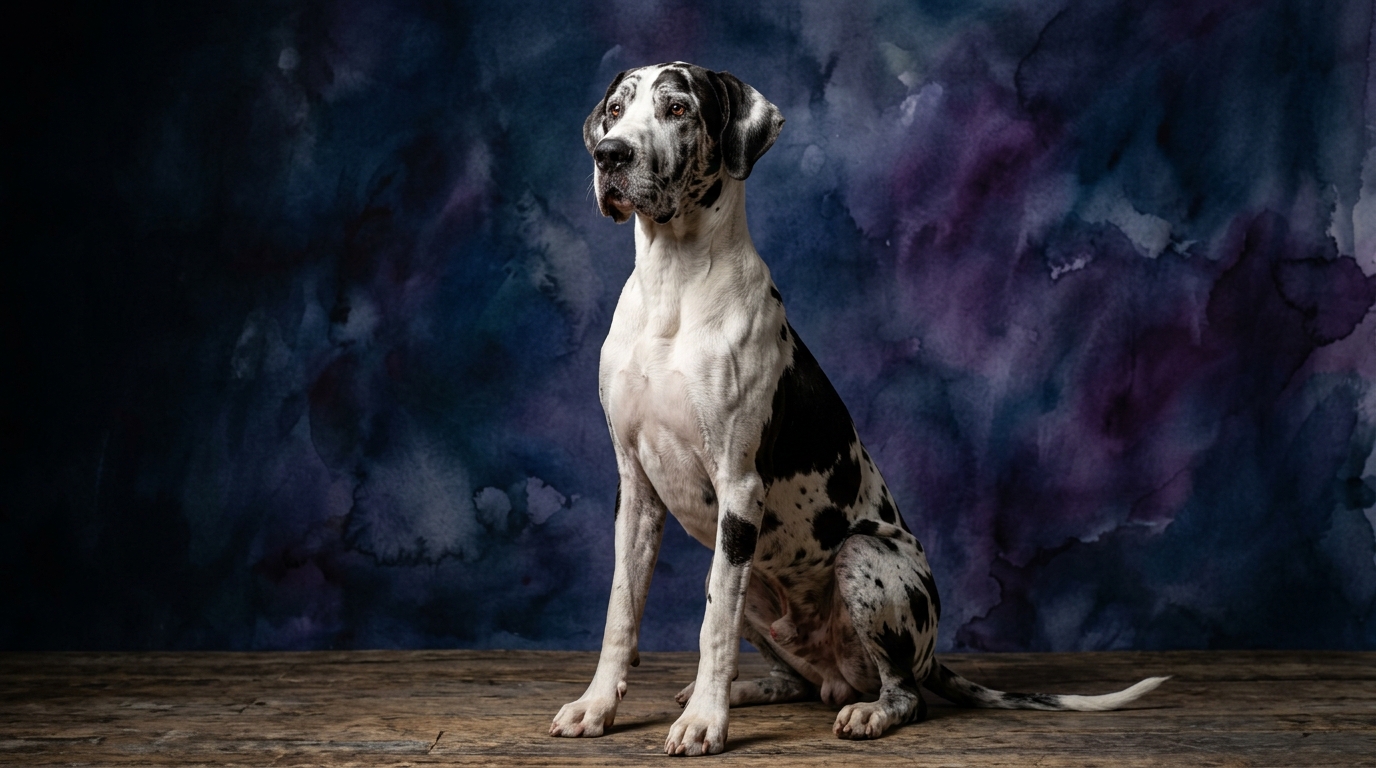
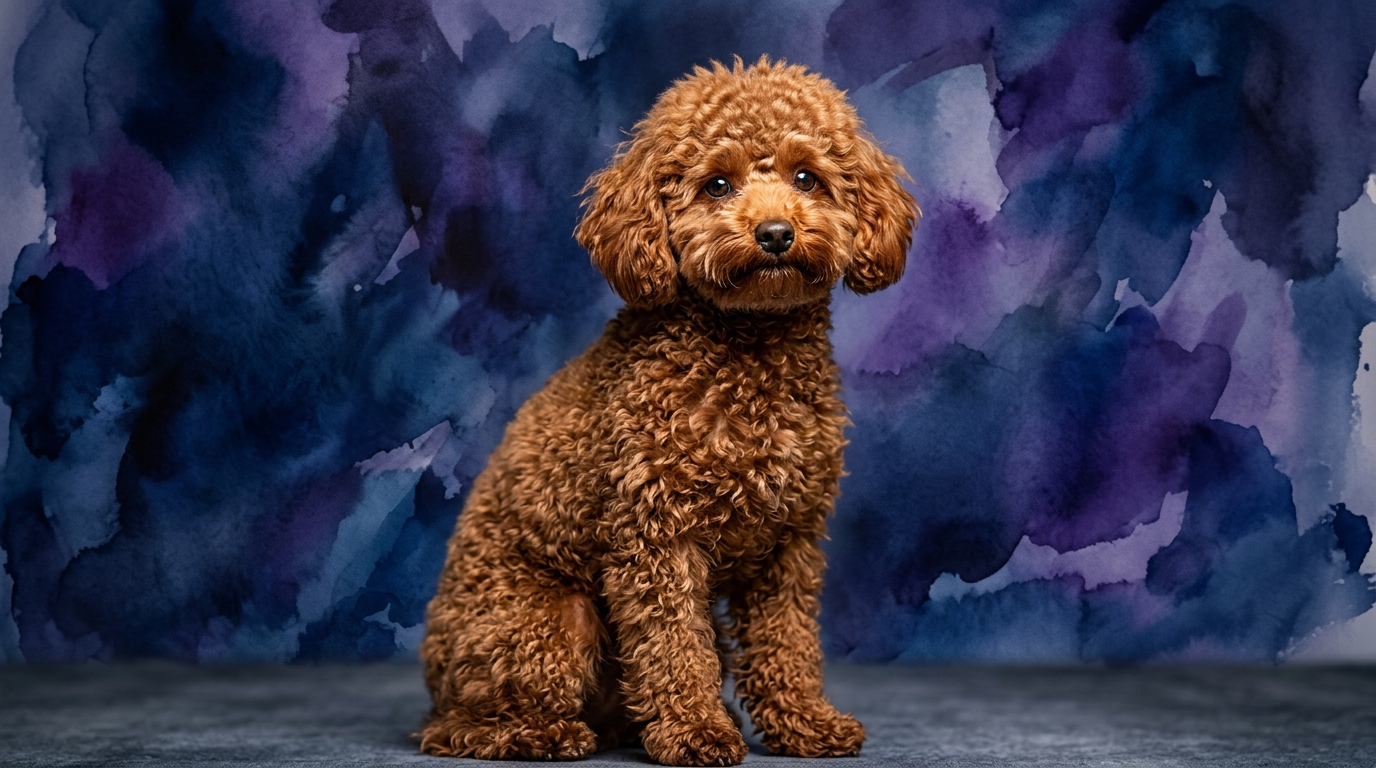
Side-by-Side Cognitive Profiles
The Cosmic Pet Pet IQ Lab employs a five-dimensional framework to assess canine cognition, offering a nuanced view beyond simple ranking. For the Great Dane, a breed often associated with noble stature, its intelligence profile reveals a particular blend of strengths. Its Problem Solving score sits at 3/5, indicating a moderate capacity for independent thought in novel situations; they can figure things out but might prefer guidance. Training Speed also registers at 3/5, suggesting they absorb commands steadily, requiring consistent reinforcement rather than immediate grasp. Where the Great Dane truly shines is in Social Intelligence, scoring an impressive 4/5, reflecting a deep understanding of human emotions and social dynamics within a household. Instinctive Drive, at 3/5, indicates a balanced level of innate behaviors, neither overly dominant nor entirely absent. Finally, their Memory is rated 3/5, meaning they retain learned information adequately but perhaps not with the precision of some other breeds.
In stark contrast, the Toy Poodle presents a profile indicative of a very different cognitive approach, aligning with its Coren rank of #2. Its Problem Solving ability is exceptional, earning a 5/5; these dogs readily devise solutions to complex challenges, whether it's figuring out a puzzle toy or navigating an intricate environment. Training Speed is equally remarkable at 5/5, meaning they learn new commands and routines with astonishing rapidity, often picking up concepts in just a few repetitions. However, their Social Intelligence is a moderate 3/5, suggesting they understand social cues but might not possess the same empathetic depth or nuanced emotional processing as the Great Dane. Instinctive Drive is a balanced 3/5, similar to the Great Dane, indicating typical canine instincts without being overwhelmingly strong. The Toy Poodle's Memory is also outstanding at 5/5, allowing them to recall a vast repertoire of commands, tricks, and past experiences with remarkable accuracy over extended periods.
Where the Great Dane Excels Cognitively
The Great Dane's primary cognitive advantage lies in its profound Social Intelligence, rated at 4/5. This isn't merely about liking people; it's about an acute perceptiveness of human emotional states and family dynamics. A Great Dane can often sense when a family member is distressed, offering comfort through its calm presence, or subtly adjust its behavior based on the mood of the room. Their ability to integrate smoothly into a household, understanding routines and unspoken rules, speaks volumes about their social processing. They excel at forming deep, intuitive bonds, often acting as sensitive barometers of the home environment. This strength makes them exceptionally tuned-in companions who process social cues with a gentle understanding, making them outstanding emotional support animals and family members.
Where the Toy Poodle Excels Cognitively
The Toy Poodle demonstrates superior cognitive abilities in areas of abstract thought and information retention. Their Problem Solving score of 5/5 means they are naturally inclined to analyze situations and innovate solutions, whether it's figuring out how to open a cabinet or unraveling a complex toy. This breed doesn't just follow instructions; they often grasp the underlying logic. Paired with a Training Speed of 5/5, they absorb new commands and behaviors with remarkable alacrity, making them exceptionally quick studies in obedience or trick training. Furthermore, their 5/5 Memory ensures that once a lesson is learned, it is deeply ingrained, allowing them to perform complex sequences of commands or recall specific objects from memory with impressive consistency. This trio of cognitive strengths makes the Toy Poodle a powerhouse for learning and application.
Training Dynamics: Great Dane vs. Toy Poodle
When it comes to ease of training, the Toy Poodle generally presents a more straightforward experience due to its top-tier Training Speed and Memory. They possess an eagerness to learn and an ability to quickly associate commands with actions, often requiring fewer repetitions to master new behaviors. This means an owner can progress through advanced training, agility, or complex trick instruction relatively quickly. Their smaller size also makes them physically easier to manage during training sessions, allowing for more precise guidance.
The Great Dane, with its 3/5 Training Speed and Memory, requires a more patient and consistent approach. While they are certainly trainable, they may take longer to grasp new concepts and need more frequent reinforcement to solidify learned behaviors. Their immense size necessitates early and consistent training to ensure they are well-mannered and manageable as adults; even if the learning curve is flatter, the stakes for good behavior are higher. Great Danes respond best to positive reinforcement and a calm, clear teaching style, valuing the social connection with their trainer, which taps into their strong social intelligence.
Matching Breeds to Owner Lifestyles
Owners seeking a mentally stimulating challenge and a dog that thrives on learning complex tasks might find the Toy Poodle an ideal match. Their high Problem Solving, Training Speed, and Memory make them excellent candidates for advanced obedience, canine sports like agility, or even service work that requires intricate behavioral sequences. They benefit from owners who are prepared to engage their sharp minds daily, preventing boredom through varied training sessions and puzzle toys. While physically active, their mental needs are paramount, making them suitable for owners who enjoy intellectually engaging their canine companions.
Conversely, the Great Dane is better suited for owners who prioritize a deeply connected, emotionally responsive companion over a dog that masters complex tasks rapidly. Their superior Social Intelligence means they flourish in homes where they can be integral family members, offering and receiving affection and understanding the nuances of household life. While they require regular walks and play, their cognitive strengths lean towards a more relaxed, companionship-focused lifestyle, where their calm demeanor and empathetic nature are celebrated. They thrive with owners who appreciate a gentle giant's presence and are committed to consistent, patient training to manage their size effectively.
The Verdict
Choose the Great Dane if you seek a profoundly empathetic, calm, and socially intelligent companion who will integrate deeply into your family's emotional landscape.
Opt for the Toy Poodle if you desire a quick-witted, highly trainable, and mentally agile dog capable of mastering complex tasks and thriving on intellectual engagement.
🧠 Find Your Pet's IQ Score
Our Pet IQ Lab assessment covers 25+ tests across 5 cognitive dimensions — personalized to your breed.
Take the Full IQ Test →Frequently Asked Questions
Are Great Danes difficult to train?
Great Danes are not difficult to train, but they do require consistent effort and patience due to their moderate training speed. Their larger size makes early and effective training crucial for safety and manageability, emphasizing calm and positive reinforcement methods.
Do Toy Poodles need a lot of mental stimulation?
Yes, Toy Poodles absolutely thrive on mental stimulation. With their high problem-solving abilities and memory, they benefit greatly from regular training sessions, puzzle toys, and new challenges to keep their minds engaged and prevent boredom-related behaviors.
Which breed is better for a first-time dog owner?
The 'better' breed depends entirely on the owner's lifestyle and expectations. A Toy Poodle might be easier for a first-timer willing to invest in mental enrichment due to their trainability, while a Great Dane suits a first-timer who can commit to consistent training for a large dog and values a strong emotional bond.