Side-by-Side Cognitive Profiles: Pet IQ Lab Insights
The Pet IQ Lab utilizes five key dimensions to assess canine intelligence, offering a granular view beyond simple obedience. For the Great Dane, a Working group dog ranked #48 by Coren, and the Welsh Terrier, a Terrier group dog not Coren-ranked, these dimensions highlight their unique cognitive architectures.
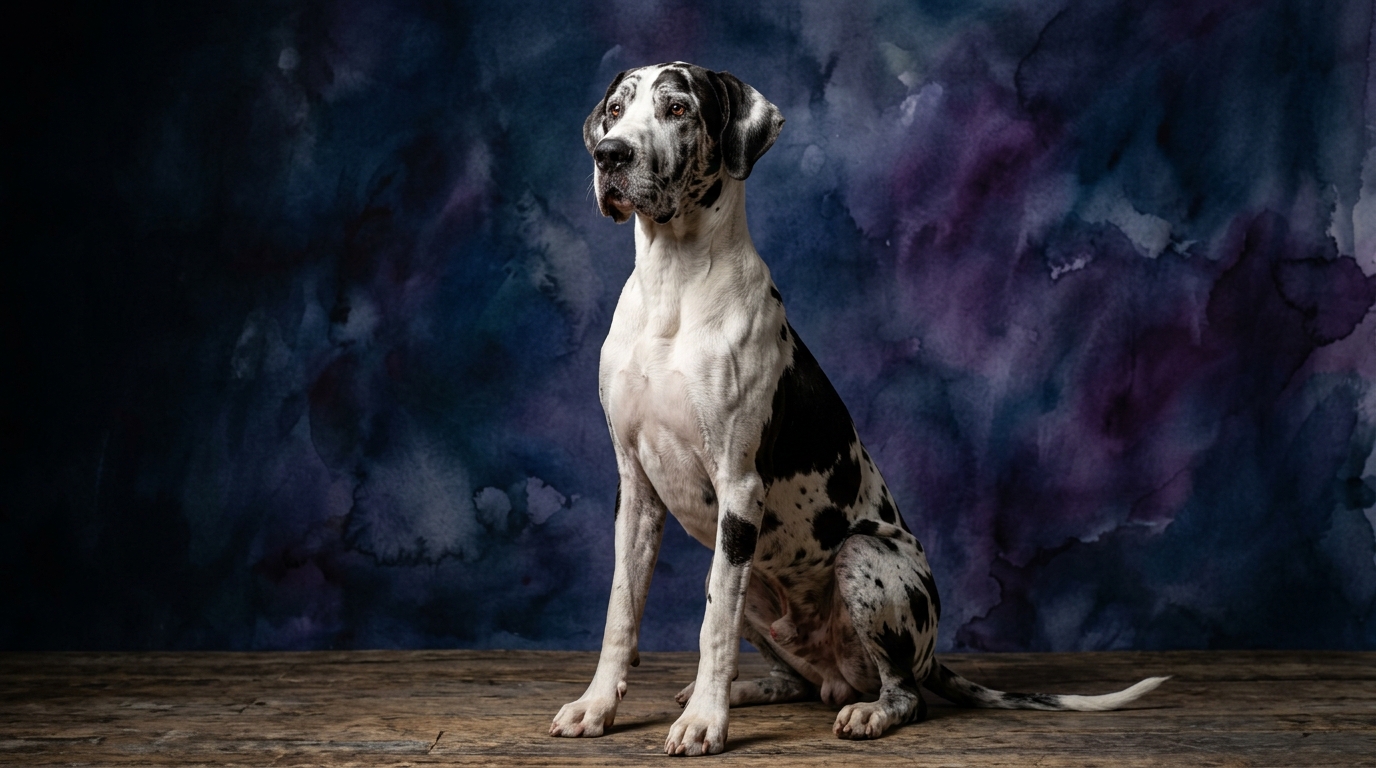
**Great Dane (Working Group, Coren Rank #48):**
**Problem Solving (3/5):** Great Danes exhibit a moderate capacity for independent problem-solving. They can figure out simple puzzles or navigational challenges, often relying on their observant nature and size to manipulate their environment. Their solutions might be less about intricate strategy and more about direct application of learned behaviors or exploring boundaries.
**Training Speed (3/5):** These gentle giants demonstrate a moderate pace in acquiring new commands and routines. While they are generally eager to please their human companions, their sheer size and occasional independent streak mean that consistent, positive reinforcement is key to solidifying behaviors efficiently. Repetition and patience yield steady progress.
**Social Intelligence (4/5):** A standout trait for the Great Dane is their robust social intelligence. They are adept at reading human emotions and intentions, often forming profound bonds and displaying empathy. Their capacity for understanding social cues extends to other animals, making them generally adaptable in multi-pet households, though early socialization remains crucial.
**Instinctive Drive (3/5):** Originating as hunting dogs, Great Danes retain a moderate level of instinctive drive. While the intensity of their prey drive can vary, they may exhibit interest in chasing small animals or exploring scent trails. However, these drives are typically manageable with training and often manifest as curiosity rather than overwhelming compulsion.
**Memory (3/5):** Great Danes possess a solid, moderate memory. They reliably recall commands, routines, and the identity of familiar people and places over extended periods. This memory aids in their trainability and allows them to maintain complex social relationships, though occasional refreshers for less frequently used commands can be beneficial.
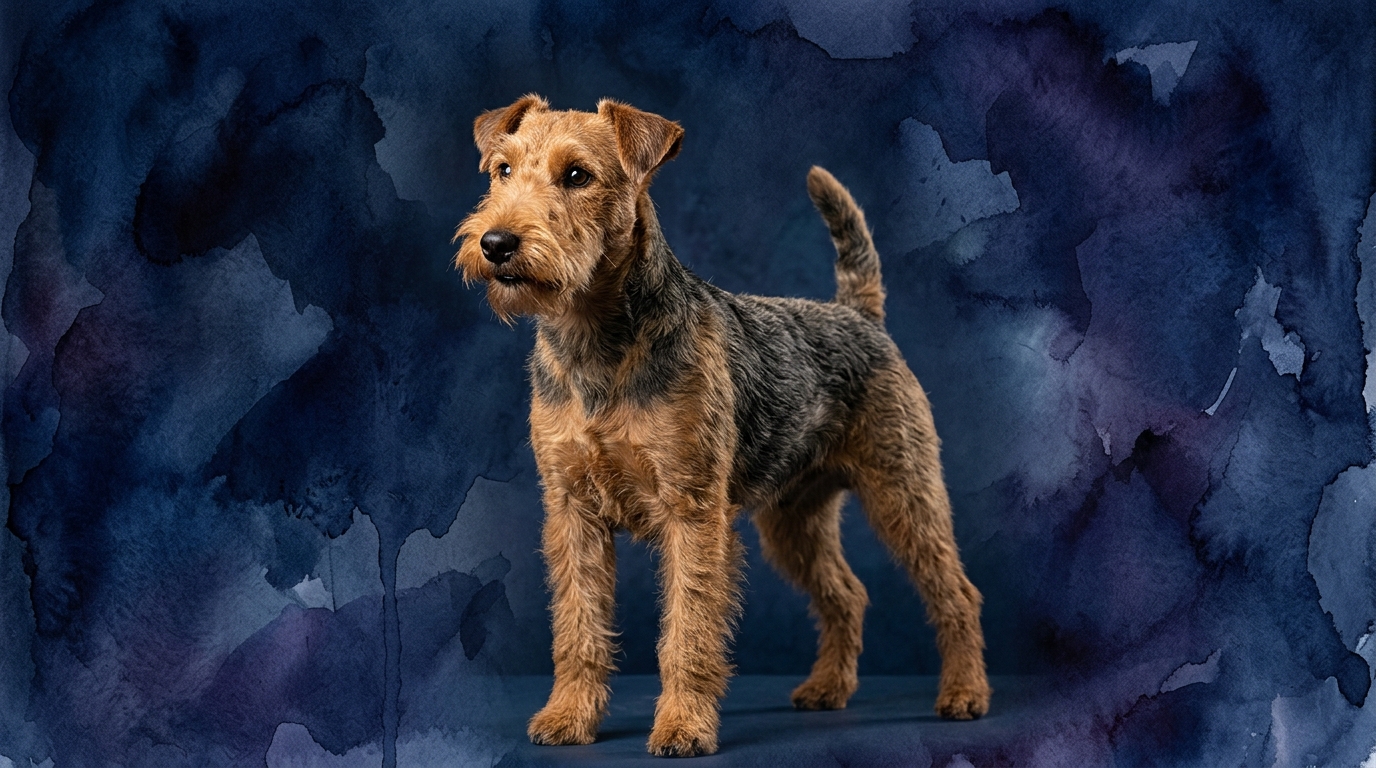
**Welsh Terrier (Terrier Group, Not Coren-ranked):**
**Problem Solving (3/5):** Welsh Terriers display a moderate, often creative approach to problem-solving. Their terrier tenacity means they won't give up easily, but their solutions might stem from persistence and trial-and-error rather than complex logical deduction. They excel at figuring out how to access desired objects or explore intriguing spaces.
**Training Speed (3/5):** Training a Welsh Terrier proceeds at a moderate pace. While they are undoubtedly capable of learning, their independent and sometimes stubborn terrier spirit means that engagement must be high, and training sessions should be kept stimulating and varied. They respond best to positive reinforcement and clear, consistent boundaries.
**Social Intelligence (3/5):** Welsh Terriers show moderate social intelligence. They form strong bonds with their primary human family and can be affectionate, but they might be more discerning or reserved with strangers. Their ability to read subtle social cues is present, but their independent nature often means they prioritize their own agenda over constant human approval.
**Instinctive Drive (3/5):** As true terriers bred for hunting vermin, Welsh Terriers possess a moderate, focused instinctive drive. This often translates into a keen interest in digging, chasing, and exploring. While not as overwhelming as some other terrier breeds, their prey drive is a significant part of their cognitive makeup and requires consistent management and appropriate outlets.
**Memory (3/5):** Welsh Terriers have a moderate memory, capable of retaining commands, routines, and social interactions. They remember people and places with accuracy, which assists in their training and helps them navigate their environment. However, their independent streak means that memory recall might sometimes be influenced by their immediate motivations.
Where the Great Dane Shines Cognitively
The Great Dane's most prominent cognitive advantage lies in its Social Intelligence (4/5). This breed demonstrates a superior capacity for empathy and emotional attunement compared to the Welsh Terrier. They are acutely aware of human moods, often offering comfort or mirroring the emotional state of their owners. This heightened social awareness makes them exceptionally intuitive companions, capable of forming deep, nuanced connections and seamlessly integrating into family dynamics. Their ability to read complex social cues and respond appropriately is a hallmark of their gentle giant nature, allowing for smoother interactions within a household and with unfamiliar people or animals, provided they are well-socialized.
Where the Welsh Terrier Excels Cognitively
While scores are similar across the board, the Welsh Terrier's cognitive strengths often manifest differently, particularly in the application of their Instinctive Drive (3/5) and Problem Solving (3/5) in a real-world context. Their terrier heritage imbues them with a persistent, goal-oriented approach to challenges. When faced with a task that aligns with their innate drives, such as locating a hidden toy or navigating a complex scent trail, their determination and focused energy can make them appear more independently resourceful. Their problem-solving, though rated similarly, is often fueled by an unwavering tenacity and a willingness to explore various solutions until a desired outcome is achieved, a trait that can be both admirable and challenging for owners.
Training Dynamics: Great Dane vs. Welsh Terrier
Comparing ease of training, the Great Dane generally presents a more straightforward experience for most owners, primarily due to their higher Social Intelligence and eagerness to please. With a Training Speed of 3/5, they learn at a steady pace, but their strong desire for human connection means they are typically more motivated by praise and positive reinforcement from their handlers. They are less likely to be sidetracked by their environment during training sessions, focusing intently on their human's directives. Their moderate Instinctive Drive is also less likely to override commands, making recall and impulse control training more manageable.
The Welsh Terrier, also with a Training Speed of 3/5, can be equally capable of learning, but their training journey often requires a different approach. Their independent spirit and moderate Instinctive Drive, particularly their prey drive, mean they can be more easily distracted and less inclined to obey if they don't see the immediate benefit or if a more engaging scent or sight captures their attention. Training a Welsh Terrier demands creativity, consistency, and a deep understanding of their terrier nature. Owners often need to make training feel like a game and continuously find ways to keep the sessions novel and rewarding to maintain their interest and overcome their inherent stubbornness. While both breeds benefit from positive reinforcement, the Great Dane's intrinsic motivation to cooperate often makes their training process feel more collaborative and less like a constant negotiation.
Matching Canine Companions to Lifestyles
For relaxed owners seeking a calm, emotionally attuned companion, the Great Dane often proves to be an ideal match. Despite their imposing size, adult Great Danes are typically content with moderate daily exercise, such as leisurely walks and supervised yard play. Their high Social Intelligence means they thrive on close companionship and are generally happy to lounge beside their humans, observing the household's rhythm. Their moderate Instinctive Drive means they aren't constantly seeking out "work" or demanding intense physical outlets. They integrate well into a tranquil home environment, offering a comforting, gentle presence that aligns with a more laid-back lifestyle, provided their basic exercise needs are met.
Conversely, active owners who enjoy structured activities and mental engagement might find the Welsh Terrier a more fitting partner. While their physical exercise requirements are moderate, their terrier spirit and focused instinctive drives mean they benefit greatly from consistent mental stimulation and opportunities to "work." Activities like agility, earthdog trials, obedience, or long, varied walks where they can explore scents and engage their curiosity are highly beneficial. Their moderate Problem Solving and Instinctive Drive mean they enjoy challenges and thrive when given a purpose. An active owner who can channel their tenacity and provide consistent training and enrichment will find the Welsh Terrier a spirited and engaging companion, preventing boredom-induced behaviors.
The Verdict
Opt for a Great Dane if you prioritize a deeply empathetic and socially attuned companion who seamlessly integrates into a relaxed family life, appreciating their gentle nature and steady learning pace.
Select a Welsh Terrier if you are an active owner prepared to channel their independent spirit and tenacious drives into engaging activities, seeking a spirited companion who thrives on mental and physical challenges.
🧠 Find Your Pet's IQ Score
Our Pet IQ Lab assessment covers 25+ tests across 5 cognitive dimensions — personalized to your breed.
Take the Full IQ Test →Frequently Asked Questions
Are Great Danes good with children and other pets?
Great Danes, with their strong social intelligence, are generally very good with children and other pets, often displaying patience and a protective instinct. Early socialization is still vital to ensure they learn appropriate interactions with all family members.
Do Welsh Terriers require a lot of grooming?
Welsh Terriers have a wiry, double coat that requires regular grooming, including hand-stripping or professional clipping every 6-8 weeks, to maintain its texture and health. Daily brushing is also recommended to prevent matting.
What is the main difference in trainability between these two breeds?
While both learn at a moderate pace, Great Danes are generally more motivated by human approval due to their high social intelligence, making training feel collaborative. Welsh Terriers, with their independent terrier spirit, require more creative, engaging, and consistent training to maintain their focus and overcome their occasional stubbornness.