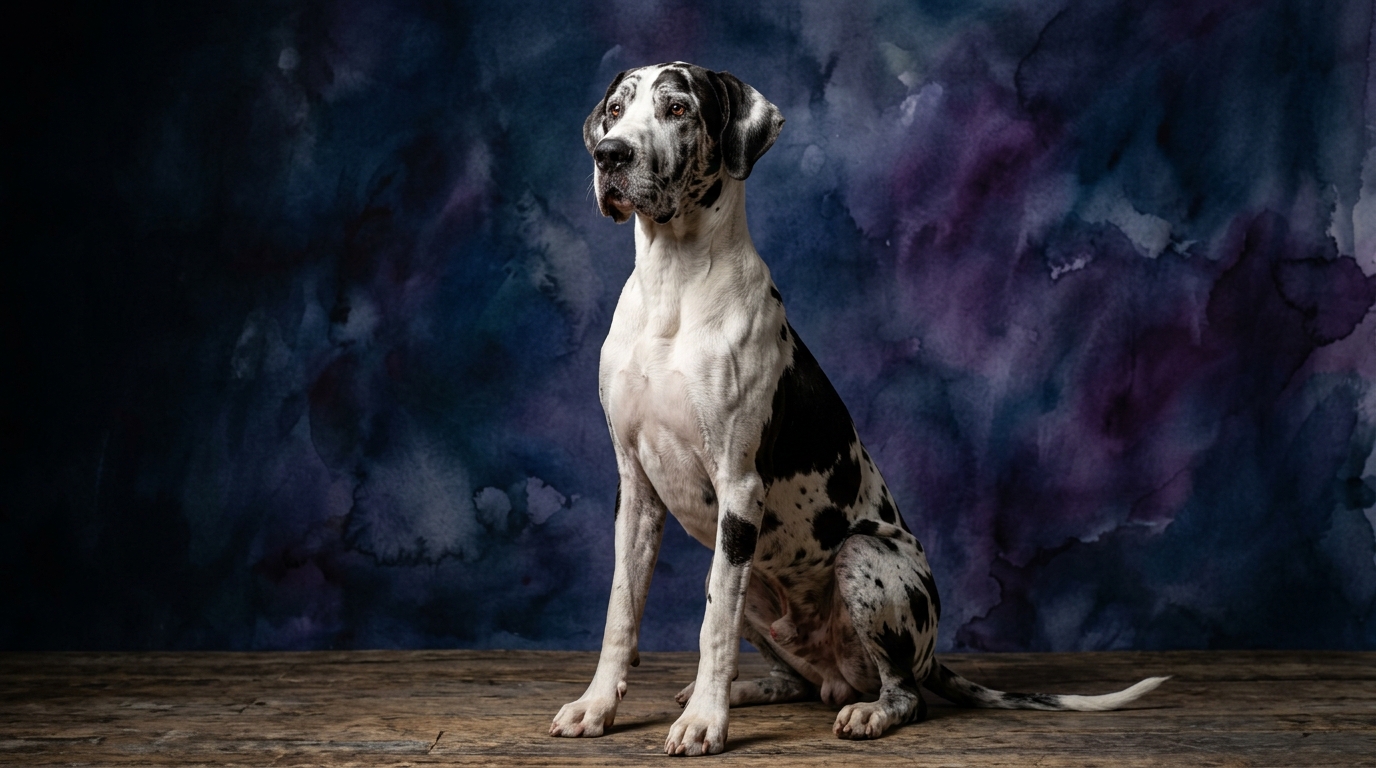
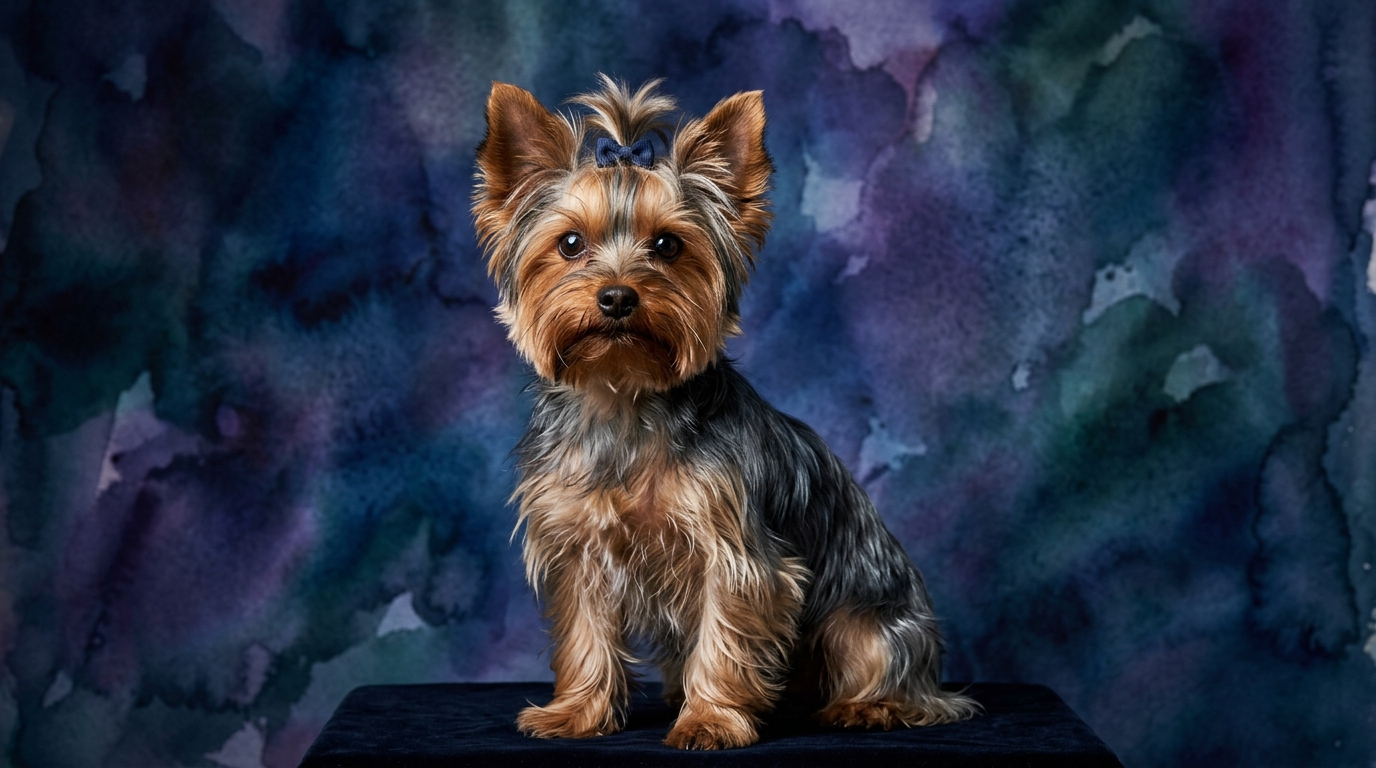
Side-by-Side IQ Profile: Great Dane vs. Yorkshire Terrier
At The Cosmic Pet Pet IQ Lab, we evaluate canine cognition across five key dimensions. For the Great Dane, ranking #48 in Coren's intelligence scale, its Problem Solving scores 3/5, indicating a moderate ability to navigate novel situations or figure out puzzles, often relying on learned behaviors rather than rapid independent strategizing. Its Training Speed is 3/5, suggesting consistent, patient training is required, potentially needing more repetitions to solidify commands. Social Intelligence shines at 4/5, reflecting a strong ability to interpret human cues and bond deeply, showing attentiveness to family emotions. Instinctive Drive is 3/5, meaning moderate natural inclinations for tasks like guarding or hunting, present but not overwhelming. Memory stands at 3/5, indicating fair recall of past events, commands, or routines, but perhaps not retaining complex sequences as readily as some breeds.
The Yorkshire Terrier, with a more favorable Coren rank of #27, presents a slightly different cognitive blueprint. Its Problem Solving also scores 3/5, demonstrating a moderate aptitude for figuring out new challenges, often employing persistence. Training Speed is higher at 4/5, meaning they are capable of picking up new commands and routines relatively quickly, responding well to positive reinforcement. Social Intelligence matches the Dane at 4/5, showing high perceptiveness of human emotions and social structures, forming strong attachments and often seeking interaction. Instinctive Drive is a robust 4/5, embodying a strong terrier drive including prey drive, territoriality, and a persistent nature. Memory is also higher at 4/5, indicating good retention of commands, routines, and experiences, contributing significantly to their trainability and adaptability.
Where the Great Dane Excels Cognitively
While the Yorkshire Terrier boasts higher or equal scores across the board, the Great Dane's cognitive strengths manifest uniquely, particularly within its social intelligence and the context of its physical presence. Both breeds score 4/5 in Social Intelligence, but the Great Dane’s sheer size and gentle demeanor can amplify the impact of its perceptiveness. They excel at offering profound comfort and acting as a calm, empathetic presence, a nuanced cognitive skill that provides emotional support without being overbearing. Their lower instinctive drive (3/5) compared to the Yorkie (4/5) means their social intelligence is less frequently overridden by strong prey or territorial urges, allowing for more consistently measured, gentle interactions with a broader range of people and pets. This translates to a steady, less reactive social response, making them exceptional family companions who navigate complex household dynamics with a serene, understanding nature.
Where the Yorkshire Terrier Shows Cognitive Superiority
The Yorkshire Terrier's cognitive profile demonstrates clear advantages in several key areas. Their Training Speed, at 4/5 compared to the Great Dane's 3/5, means they generally grasp new commands and routines with greater alacrity, making training sessions often more efficient and rewarding. This quick uptake is supported by their superior Memory score of 4/5, versus the Dane's 3/5, allowing them to retain learned behaviors and experiences more effectively over time. This enhanced memory contributes to their ability to learn complex sequences and adapt to new situations rapidly. Furthermore, their higher Instinctive Drive (4/5) fuels a tenacious, problem-solving terrier spirit. This translates into a persistent approach to tasks and challenges, whether it's figuring out how to get a toy or engaging in energetic play, demonstrating a lively and engaged cognitive disposition that is eager for mental stimulation.
Training Ease: Unpacking Behavioral Differences
When considering ease of training, the Yorkshire Terrier generally presents a more straightforward experience. Their higher Training Speed (4/5) and Memory (4/5) mean they typically pick up commands quicker and retain them better, making positive reinforcement techniques highly effective. Their robust instinctive drive (4/5) can be a double-edged sword; it makes them eager to work for rewards and engage in tasks, but if not properly managed, it can also lead to independent thinking or stubbornness. Consistent, engaging training sessions that tap into their tenacious spirit are key to harnessing their cognitive strengths.
Conversely, training a Great Dane requires a different approach, often demanding more patience and repetition. With a Training Speed of 3/5 and Memory of 3/5, they may need more time to fully grasp and solidify commands. Their moderate instinctive drive (3/5) means they might not be as inherently driven to 'work' for the sake of it, requiring a more motivational and reward-based effort from the trainer. However, their high social intelligence (4/5) means they are keen to please their human companions, which can be a powerful motivator. Early and consistent training is crucial, particularly given their significant physical size, to ensure good manners and safe interactions, relying on their desire for connection rather than innate drive to perform.
Matching Canine Cognition with Owner Lifestyles
The cognitive profiles of these two breeds lend themselves to different owner lifestyles. Despite their imposing size, Great Danes are often described as 'gentle giants' and are typically content with moderate activity. Their lower instinctive drive (3/5) and problem-solving (3/5) scores suggest they aren't constantly seeking intense mental or physical tasks. They thrive with owners who appreciate a calm, deeply companionable presence and are prepared for their physical needs, such as space and feeding, rather than demanding extensive daily exercise or complex mental games. They are an excellent fit for relaxed owners or those with moderate activity levels who value a serene and empathetic presence.
The Yorkshire Terrier, with its higher instinctive drive (4/5), memory (4/5), and quicker training speed (4/5), indicates a need for more consistent engagement. While small, they are active and curious, requiring regular mental stimulation and walks to satisfy their inherent terrier instincts. They suit owners who enjoy consistent training, interactive play, and can provide ample outlets for their energetic and tenacious spirit. These are companions for active owners or those who are committed to providing daily mental enrichment and physical activity to keep their spirited minds happy and engaged.
The Verdict
Choose a Great Dane if you seek a deeply empathetic, calm companion who offers profound social connection and a gentle presence, valuing measured responses over rapid task mastery.
Opt for a Yorkshire Terrier if you desire a spirited, quick-to-learn companion eager for engagement, appreciating their tenacious problem-solving and excellent memory for training and tricks.
🧠 Find Your Pet's IQ Score
Our Pet IQ Lab assessment covers 25+ tests across 5 cognitive dimensions — personalized to your breed.
Take the Full IQ Test →Frequently Asked Questions
Do Great Danes learn commands slower than Yorkshire Terriers?
Yes, based on their training speed scores, Great Danes (3/5) typically require more repetitions and patience to learn new commands compared to Yorkshire Terriers (4/5). While both are capable, the Yorkie generally grasps concepts more quickly and retains them better.
How does social intelligence differ between these two breeds?
Both breeds score highly (4/5) in social intelligence, indicating a strong ability to interpret human cues and form bonds. Great Danes often express this through a calm, empathetic presence, while Yorkies might display it through eager interaction and attentiveness, albeit with their strong terrier drive influencing some interactions.
Which breed is more prone to independent thinking or stubbornness?
Yorkshire Terriers, with their higher instinctive drive (4/5), can exhibit more independent thinking and a tenacious 'terrier spirit.' While Great Danes (instinctive drive 3/5) are generally more compliant, a Yorkie's persistence might be interpreted as stubbornness if not channeled through consistent training and mental stimulation.