Side-by-Side IQ Profile: Great Pyrenees vs. Affenpinscher
At The Cosmic Pet Pet IQ Lab, we evaluate canine intelligence across five key dimensions. Both the Great Pyrenees and the Affenpinscher remarkably score 3 out of 5 in every category, suggesting a solid, functional intellect, though the application of these cognitive strengths varies dramatically between the breeds. Understanding these nuances is crucial for any prospective owner.
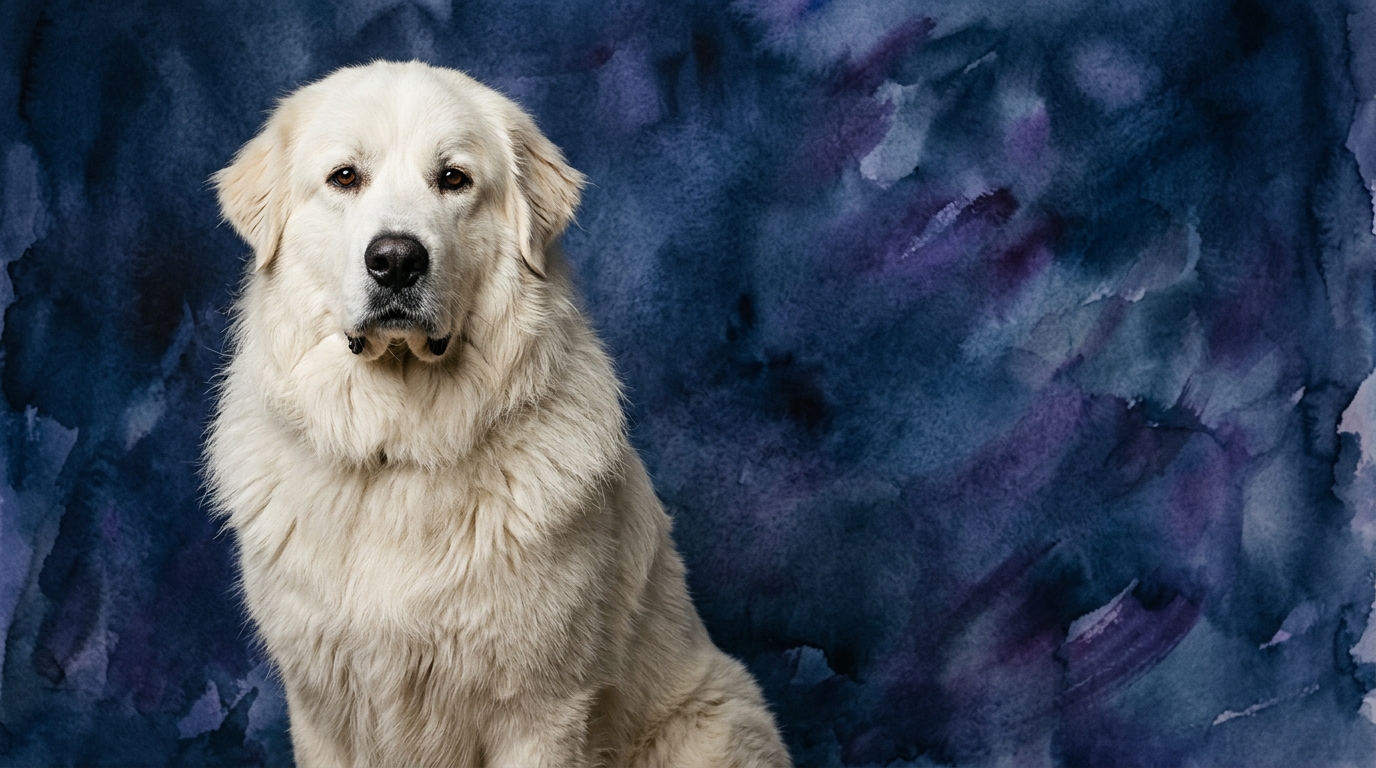
The Great Pyrenees, a majestic Working dog with a Coren rank of #64, demonstrates its Problem Solving (3/5) through an innate ability to assess and manage threats to its flock or family independently, often without direct human command. Their Training Speed (3/5) indicates they are capable learners, but their self-reliant nature means they require patience and consistent, positive reinforcement, learning best when they perceive a practical purpose. Social Intelligence (3/5) for a Pyrenees is finely tuned to its environment, allowing them to read subtle cues from animals they guard and form deep, if reserved, bonds with humans. Their Instinctive Drive (3/5) is overwhelmingly focused on guardianship, manifesting as unwavering vigilance and protection. Memory (3/5) in this breed allows them to retain extensive knowledge of their territory, its inhabitants, and routines, contributing to their reliable protective behaviors over time.
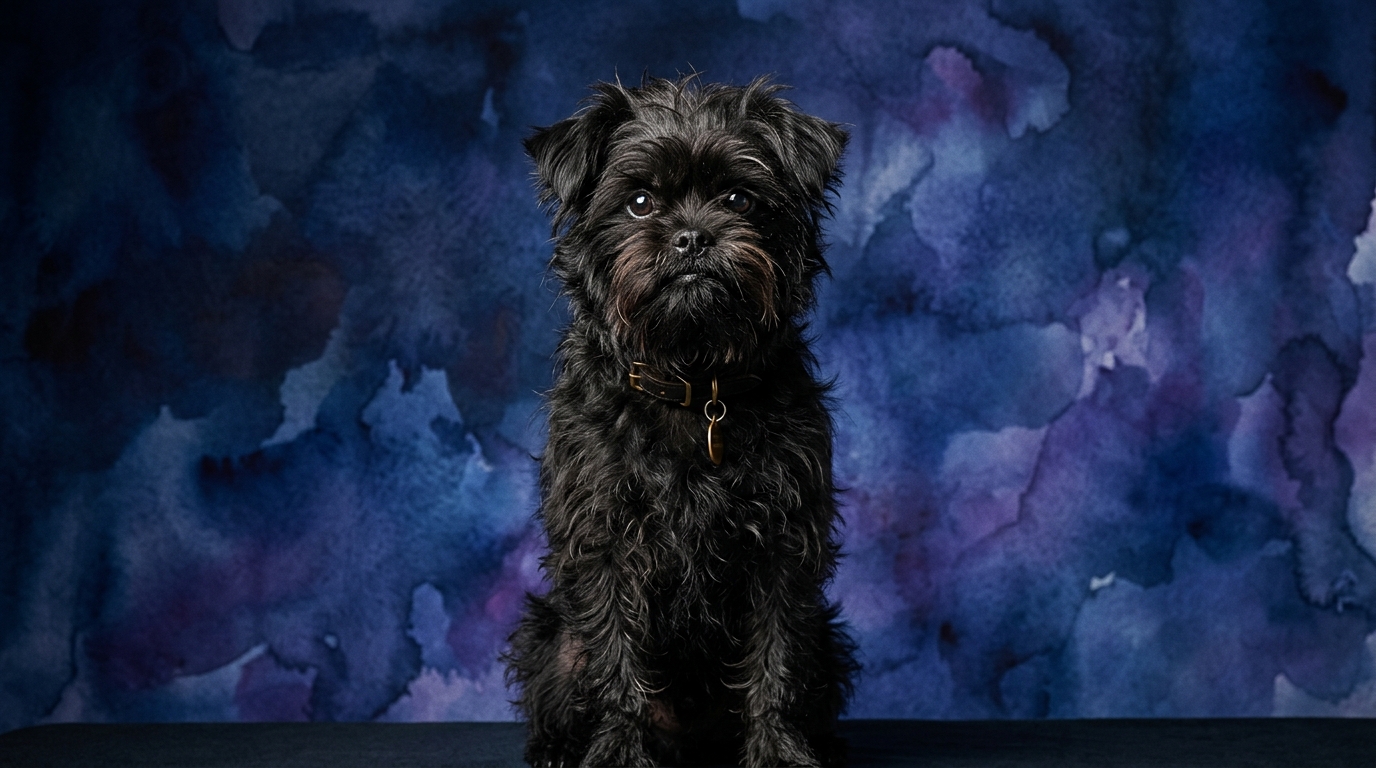
The Affenpinscher, a spirited Toy dog not specifically Coren-ranked, showcases its Problem Solving (3/5) through a curious and often mischievous nature, adept at figuring out how to access treats or navigate complex household objects. Their Training Speed (3/5) means they can learn commands effectively, but their independent streak and desire for engagement often dictate their compliance; training works best when it feels like a fun game. Affenpinschers exhibit Social Intelligence (3/5) by being highly attuned to human emotions and family dynamics, often using this understanding to seek attention or comfort. Their Instinctive Drive (3/5) is primarily centered on companionship and a keen interest in their immediate environment, sometimes showing a determined "terrier-like" focus. Memory (3/5) allows them to recall specific routines, the location of favorite items, and the human behaviors that yield desired responses, making them highly adaptable to their domestic world.
Where the Great Pyrenees Wins Cognitively
Despite sharing identical raw IQ scores, the Great Pyrenees’ cognitive strengths are profoundly shaped by its ancient role as an independent livestock guardian. This breed excels in large-scale, autonomous problem-solving and decision-making. Their 3/5 in Problem Solving translates into an impressive spatial intelligence, enabling them to understand and patrol vast territories, remembering boundaries and discerning potential threats across expansive landscapes. This is a complex environmental assessment skill distinct from the Affenpinscher's more confined problem-solving. Furthermore, their Social Intelligence, while also 3/5, is uniquely adapted to reading the subtle cues of a diverse flock or herd, discerning distress or danger from a distance and reacting appropriately without human prompting. This involves sophisticated risk management and proactive protection, showcasing a profound sense of responsibility and independent judgment that is a hallmark of their intellect.
Where the Affenpinscher Wins Cognitively
The Affenpinscher, with its compact size and lively personality, demonstrates cognitive advantages that are perfectly suited to its role as an engaging companion. Their 3/5 in Problem Solving often manifests in nuanced, intricate ways within a domestic setting; they might cleverly figure out how to open a child-proof cabinet or manipulate a puzzle toy with surprising dexterity, showcasing a fine motor coordination linked to their mental agility. Their Social Intelligence, also 3/5, is particularly acute in human interactions, allowing them to keenly observe and respond to subtle emotional shifts in their family members, often using this understanding to elicit attention or comfort. This ability to 'read the room' and adapt their behavior for maximum impact is a distinct cognitive advantage. Additionally, their Memory (3/5) is often employed in recalling specific human routines or preferred hiding spots for treats, reflecting a detailed recall of their immediate, human-centric world. Their quick, agile minds thrive on intricate challenges within a smaller scope, making them adept at navigating complex social dynamics and immediate physical puzzles.
Which Is Easier to Train and Why
Evaluating which breed is 'easier' to train between a Great Pyrenees and an Affenpinscher is less about raw learning capacity and more about their inherent motivations and behavioral predispositions. Both breeds are rated 3/5 for Training Speed, indicating they are capable learners but come with their own challenges. The Great Pyrenees, bred for independent decision-making, often approaches training with a 'what's in it for me?' attitude. Their self-reliance means they might question commands that don't align with their perceived duties or comfort, making consistent, patient, and reward-based methods essential. Their training success often hinges on an owner's ability to understand and work *with* their independent nature, rather than against it. Expect a slower, more deliberate training journey focused on building trust and demonstrating relevance.
In contrast, the Affenpinscher, while spirited and occasionally stubborn, generally has a stronger desire to engage with their human companions. Their training can be facilitated by their eagerness for interaction and their tendency to view training as a fun, stimulating game. However, their mischievousness and shorter attention spans can mean they are easily distracted or might 'forget' a command if something more interesting appears. Consistency and making training feel like a playful challenge are key. Ultimately, the Affenpinscher might be perceived as 'easier' for an owner seeking a more responsive, companion-focused learner, provided the owner can keep training engaging and manage their spirited independence. The Pyrenees requires an owner who respects and patiently guides their profound self-sufficiency, understanding that their intellect is geared towards autonomous decision-making, not always eager obedience.
Which Suits Active vs. Relaxed Owners
The Great Pyrenees, while appearing calm and majestic, requires a specific kind of 'active' owner, or at least one with an understanding of their deep-seated needs. They are not dogs that demand intense, sustained physical activity like a Border Collie, but they thrive with ample space to patrol and a purpose. Their cognitive needs necessitate an owner who can provide consistent mental stimulation related to their guarding instincts, even if it's simply allowing them to observe their surroundings from a vantage point. A 'relaxed' owner might suit them in terms of not needing daily marathon runs, but a hands-off approach to their protective nature or lack of sufficient space would be detrimental. They suit owners who appreciate a quiet, watchful companion but are prepared to manage their independence and strong protective drive, offering a large, secure yard where they can survey their domain.
The Affenpinscher, on the other hand, suits owners who enjoy a lively, curious presence without the demand for extensive outdoor exercise. They are quite active indoors, enjoying play sessions and mental games, but their small size means their physical needs are modest, satisfied with short walks and indoor engagement. They thrive on being involved in family life and observing their surroundings from a comfortable perch. They are well-suited for owners who appreciate a dog with a big personality in a compact package, who enjoys interactive play and companionship, and who can provide consistent mental enrichment in a smaller living environment. They are an excellent fit for owners who might be 'relaxed' about intense physical activity but are 'active' in terms of engaging with their dog's spirited mind and including them in daily household activities.
The Verdict
Choose a Great Pyrenees if you have ample space, understand and respect a dog's profound independence and guardian instincts, and are prepared for a devoted, watchful companion who makes autonomous decisions.
Choose an Affenpinscher if you desire a lively, intelligent companion in a compact form, appreciate a dog with a spirited personality and keen observation skills, and can provide consistent mental engagement in a smaller living environment.
🧠 Find Your Pet's IQ Score
Our Pet IQ Lab assessment covers 25+ tests across 5 cognitive dimensions — personalized to your breed.
Take the Full IQ Test →Frequently Asked Questions
Do Great Pyrenees need extensive daily exercise to be mentally stimulated?
While Pyrenees appreciate space to roam and survey their territory, they don't typically require high-intensity, long-duration exercise. Their mental stimulation comes more from observing and fulfilling their guardian role, which is often satisfied by supervising their domain and having a sense of purpose.
Are Affenpinschers good at learning tricks despite their independent nature?
Yes, Affenpinschers are quite capable of learning tricks, especially when training is made fun and engaging. Their spirited nature means consistency is key, and they often respond well to positive reinforcement and making the learning process a game, thriving on interactive challenges.
How does the '3/5' IQ score translate differently for these two breeds?
A 3/5 score for Great Pyrenees often means reliable, independent decision-making and learning within their guardian context, showcasing intellect through vigilance and protective strategy. For Affenpinschers, it signifies curiosity, adaptability, and learning within a close companion setting, often with a mischievous twist, reflecting their keen observation of human behavior and environment.