Unpacking Their Shared Cognitive Scores
The Cosmic Pet Pet IQ Lab assigns both the Great Pyrenees and the Australian Terrier a consistent 3/5 across Problem Solving, Training Speed, Social Intelligence, Instinctive Drive, and Memory. While numerically identical, the practical application of these scores diverges significantly, shaped by centuries of selective breeding for vastly different roles. A score of 3/5 indicates a solid, functional capacity in each area, suggesting neither breed is a cognitive outlier at the extremes, but rather possesses a balanced, capable intellect tailored to its historical purpose.
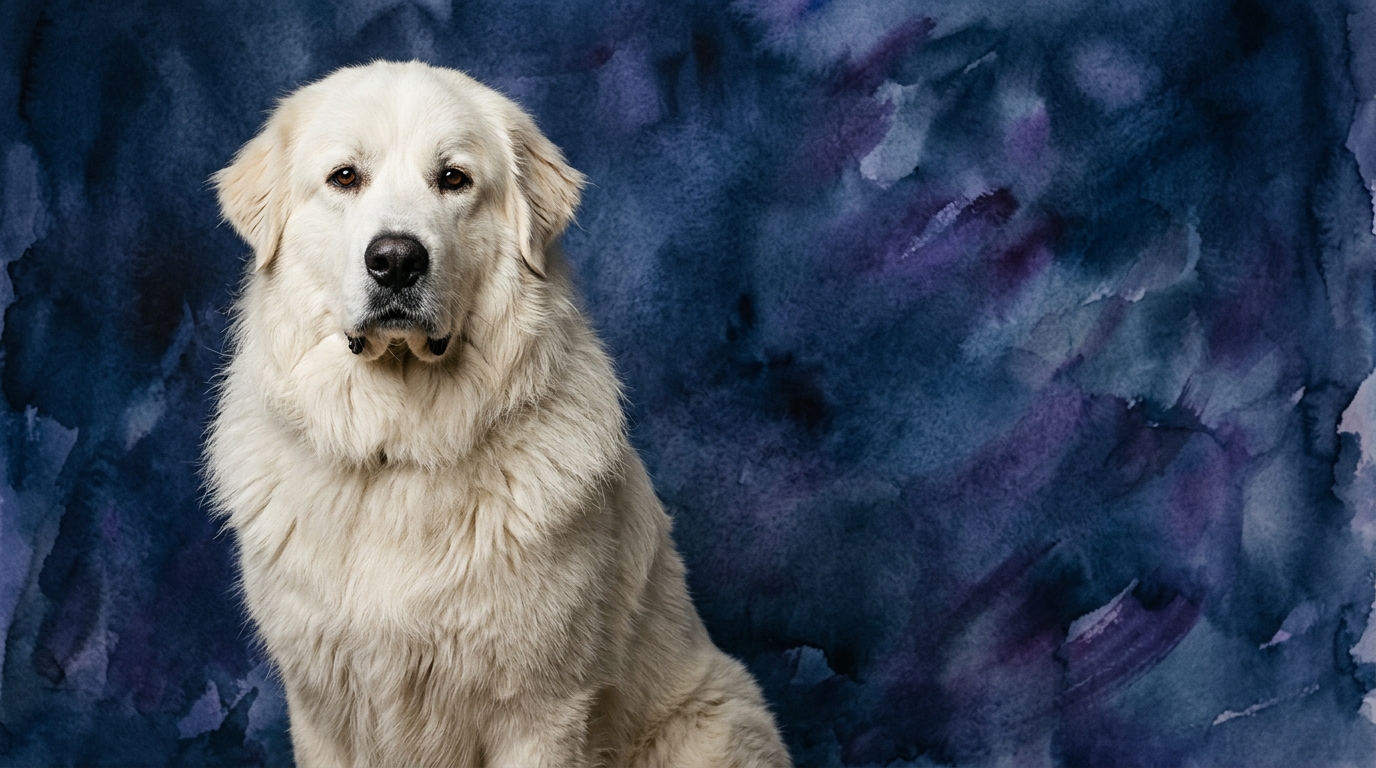
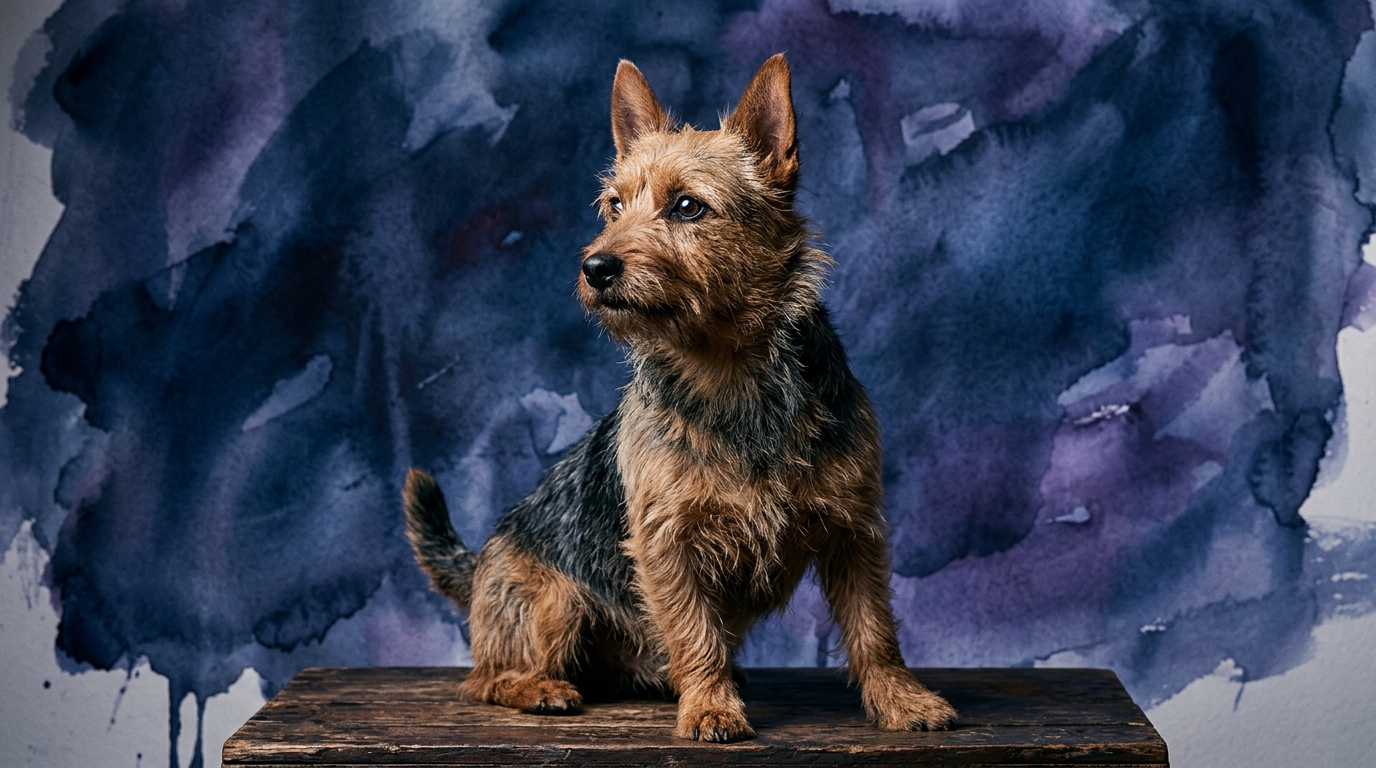
For the Great Pyrenees, a 3/5 in problem-solving often translates to independent, strategic thinking in open environments, such as evaluating potential threats to livestock or navigating complex terrain to maintain flock security. Their solutions are often deliberate and geared towards protection. Conversely, the Australian Terrier’s 3/5 in problem-solving manifests as quick, agile thinking focused on locating and extracting vermin from tight spaces, demonstrating resourcefulness in pursuit and excavation.
Both breeds earn a 3/5 for training speed, but their learning styles differ. The Great Pyrenees absorbs information steadily, yet their independent nature means they often weigh the utility of a command against their own perceived role, leading to a thoughtful, rather than immediate, response. The Australian Terrier, while capable of learning quickly, possesses a spirited tenacity and a strong prey drive that can make consistent, focused training a challenge if not properly motivated, often learning rapidly but also choosing when to apply that learning.
A 3/5 in social intelligence for the Great Pyrenees highlights their nuanced understanding of family and flock dynamics, including discerning subtle changes in behavior or potential threats from strangers. They are attuned to the emotional states of their inner circle. The Australian Terrier's 3/5 in this dimension showcases their ability to read human cues within their household, engage playfully, and assert themselves appropriately within social hierarchies, often being quite expressive with their family members.
The 3/5 for instinctive drive is perhaps where the functional differences are most pronounced. For the Great Pyrenees, this score reflects a profound, innate drive for guarding and protecting, manifesting as territoriality, vigilance, and a keen awareness of their surroundings to keep their charges safe. For the Australian Terrier, this 3/5 signifies a powerful prey drive, an urge to hunt small animals, coupled with a strong digging instinct and a tendency to bark as an alert.
Both breeds score 3/5 for memory. The Great Pyrenees excels at retaining information about their territory, the routines of their family or flock, and the identities of perceived threats or friendly faces, demonstrating a long-term recall for safety and security. The Australian Terrier's memory of 3/5 is evident in their ability to recall training cues, the locations of hidden toys or interesting scents, and specific routes taken on walks, proving their capacity for practical, task-oriented recall.
Where the Great Pyrenees Shines Cognitively
The Great Pyrenees' cognitive strengths are deeply rooted in their history as independent livestock guardians. Their 3/5 problem-solving isn't about solving abstract puzzles, but rather about sophisticated, real-time threat assessment and strategic decision-making in vast, dynamic environments. A Pyrenees can independently evaluate a new animal entering its territory, decide if it's a threat, and determine the most effective, often non-lethal, method of deterrence, all without direct human instruction. This level of autonomous, adaptive reasoning is a hallmark of their intellect.
Their social intelligence, also a 3/5, manifests as an exceptional ability to read and understand the subtle behaviors of their flock or human family. They possess a quiet perceptiveness, noticing changes in routine or mood, and responding with a calm, reassuring presence or a watchful alert. This deep empathetic understanding, combined with their potent instinctive drive, allows them to anticipate needs and potential dangers, making them extraordinarily reliable and self-sufficient protectors. Their memory of territorial boundaries and past encounters further solidifies their role as vigilant guardians.
Where the Australian Terrier Exhibits Cognitive Edge
The Australian Terrier's cognitive advantages are shaped by its terrier lineage, emphasizing agility of thought and tenacity in pursuit. Their 3/5 problem-solving shines in tasks requiring quick thinking and resourcefulness in confined or intricate spaces. An Australian Terrier can skillfully track a scent through complex undergrowth, dig persistently to unearth a hidden object, or navigate a tricky obstacle course with a determined focus that belies their size. This focused, persistent application of problem-solving is a testament to their working heritage.
Their instinctive drive, also a 3/5, fuels a tireless energy and an unyielding commitment to their tasks, particularly those involving scent work or "hunting" games. This drive, combined with their 3/5 memory for routes and specific task details, enables them to excel in activities requiring repetitive yet focused engagement, such as earthdog trials or advanced scent detection. Their social intelligence, while different from the Pyrenees, allows them to quickly understand and manipulate their human family's attention, often employing charming antics to achieve their desires.
Training Dynamics: Independence vs. Tenacity
When considering ease of training, both breeds present unique challenges stemming from their foundational independence, despite their 3/5 training speed. The Great Pyrenees, a guardian breed, was historically bred to make its own decisions in the absence of human direction. This means they learn commands, but often possess a strong sense of self-preservation and purpose, sometimes choosing to obey only if a command aligns with their perceived duties or makes practical sense to them. Training a Pyrenees requires immense patience, consistency, and a deep understanding of their gentle yet autonomous nature, focusing on cooperation rather than strict obedience.
The Australian Terrier, while often eager to please their handler, also exhibits the classic terrier tenacity. Their 3/5 training speed allows them to grasp concepts quickly, but their formidable prey drive and energetic disposition mean they are easily distracted by environmental stimuli. They might understand a command perfectly, but if a squirrel or a compelling scent appears, their instincts can override their learned responses. Training an Australian Terrier demands high-value rewards, engaging methods, and a firm, consistent hand to channel their energy and focus, often requiring more impulse control work than a Pyrenees. Therefore, while both learn at a similar pace, the *management* of their inherent behavioral differences makes "ease" subjective; the Pyrenees requires respect for its independence, the Terrier, consistent engagement against distraction.
Tailoring to Lifestyles: Active Engagement vs. Thoughtful Stewardship
The Great Pyrenees, despite its imposing size, is often described as a "gentle giant" and typically embodies a more relaxed demeanor indoors, especially once mature. They are not dogs that demand intense, high-impact exercise, but they absolutely require ample space to patrol and a sense of purpose. Owners with a more relaxed lifestyle who appreciate a calm, watchful presence and have a secure, expansive yard will find the Pyrenees a suitable companion. Their mental stimulation comes from observing their domain and fulfilling their guardian role, rather than constant physical exertion.
In stark contrast, the Australian Terrier thrives on consistent activity and mental engagement. Their energetic nature and strong drives mean they are not content to be solely decorative. Owners with an active lifestyle who enjoy daily walks, hikes, playtime, and perhaps even dog sports like agility or earthdog will be a good match. Their cognitive strengths are best utilized when given opportunities to explore, track, and engage in problem-solving games, making them ideal for individuals or families who are prepared to integrate their dog into a bustling, active routine.
The Verdict: Choosing Your Canine Companion
The choice between a Great Pyrenees and an Australian Terrier ultimately hinges on an owner's lifestyle, environment, and understanding of their distinct behavioral profiles, despite their shared cognitive scores.
If you seek a serene, independent guardian for a spacious property, valuing a self-sufficient protector who offers calm companionship and thoughtful observation, the Great Pyrenees is an ideal match.
Conversely, if your life is filled with activity and you desire a spirited, tenacious companion eager for engagement, training challenges, and outdoor adventures, the Australian Terrier will flourish under your dedicated partnership.
The Verdict
Choose the Great Pyrenees for owners seeking a calm, independent guardian with a strong protective instinct and ample space, willing to embrace a thoughtful, self-sufficient canine companion.
Choose the Australian Terrier for owners who appreciate a spirited, tenacious companion for active engagement and consistent, stimulating training, and can manage a dog with a strong prey drive.
🧠 Find Your Pet's IQ Score
Our Pet IQ Lab assessment covers 25+ tests across 5 cognitive dimensions — personalized to your breed.
Take the Full IQ Test →Frequently Asked Questions
Do Great Pyrenees need a lot of exercise to stay mentally stimulated?
While not requiring intense athleticism, Great Pyrenees thrive on having a purpose and space to patrol. Regular walks and opportunities to observe their environment provide mental engagement, preventing boredom and fulfilling their guardian instincts.
Is the Australian Terrier suitable for apartment living despite its energy?
An Australian Terrier can adapt to apartment living if their owners commit to providing consistent physical and mental exercise daily. Multiple walks, playtime, and engaging training sessions are crucial to channel their innate terrier energy and prevent destructive behaviors.
How does the "instinctive drive" score of 3/5 differ between these two breeds?
For the Great Pyrenees, a 3/5 in instinctive drive points to their inherent protective and guardian behaviors, often manifesting as vigilance and territoriality. For the Australian Terrier, the same score indicates a strong prey drive, a keen desire to hunt small animals, and a tendency to dig or bark.