Side-by-Side IQ Profiles: Guardian vs. Tracker
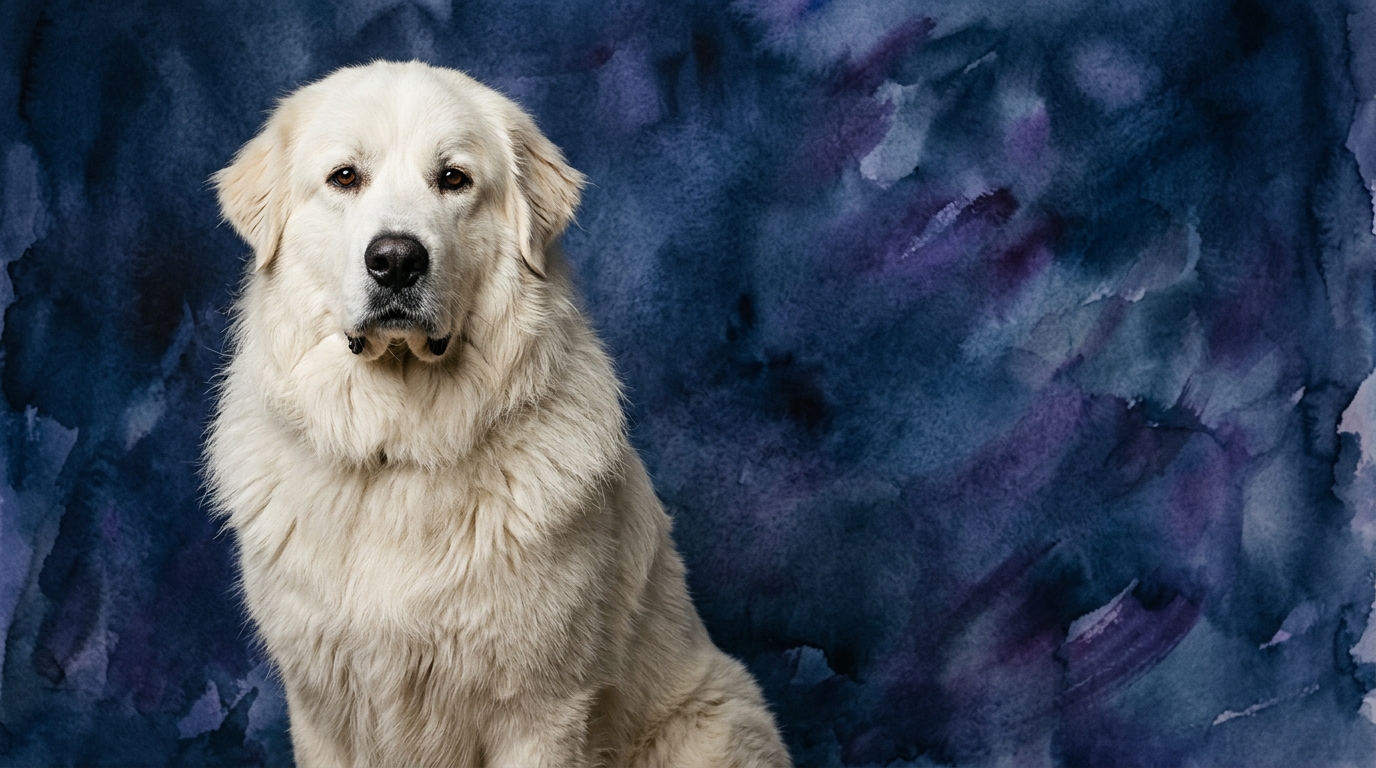
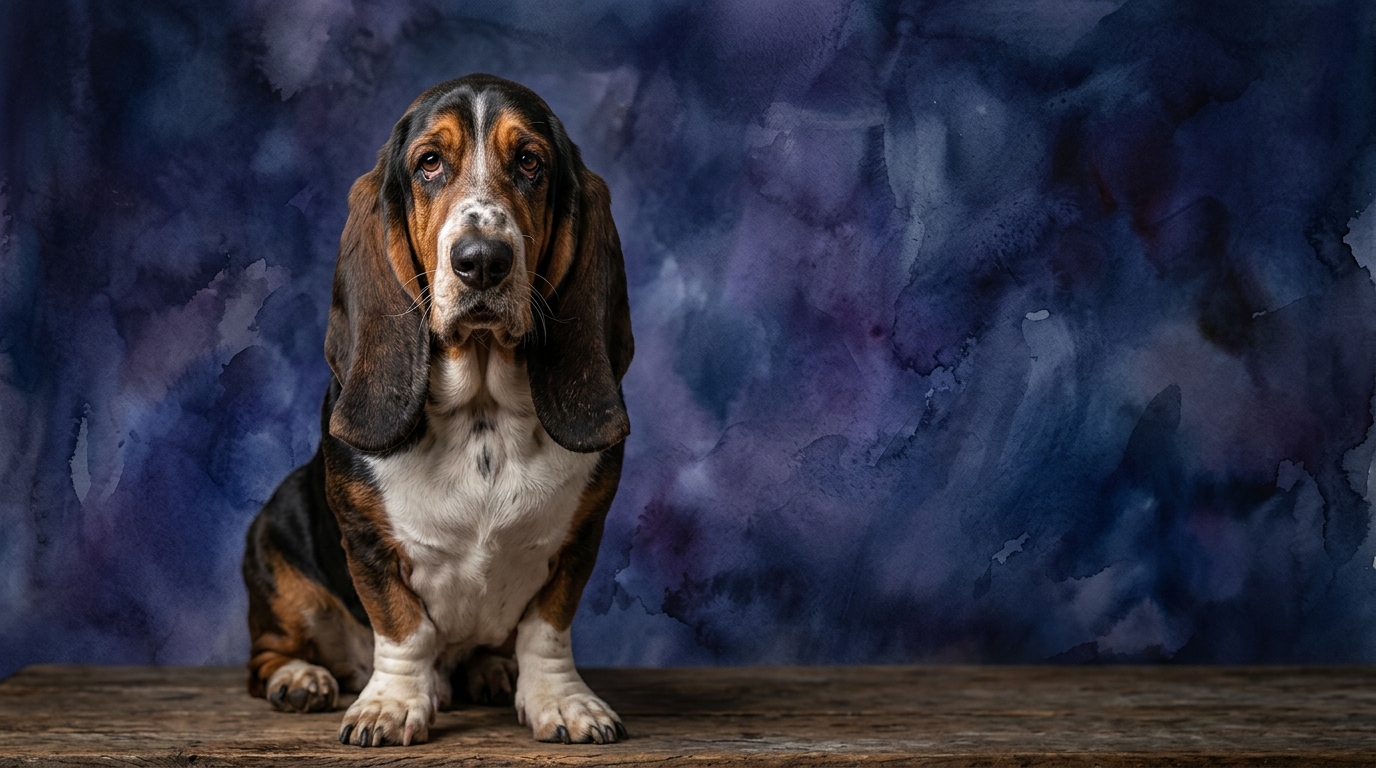
At first glance, the Great Pyrenees and the Basset Hound appear to share identical cognitive scores across several key dimensions, each rated 3 out of 5. However, understanding their historical roles illuminates how these seemingly similar scores manifest in distinct ways. The Great Pyrenees, a majestic livestock guardian dog, holds a Coren rank of #64, placing it higher in working and obedience intelligence than the Basset Hound, a dedicated scent tracker, ranked #71.
For the Great Pyrenees, a Problem Solving score of 3/5 reflects its capacity for autonomous decision-making in protecting livestock, assessing threats, and navigating its territory without constant human direction. Its Training Speed of 3/5 indicates a moderate learning pace, often influenced by an independent streak that prioritizes thoughtful consideration over immediate compliance. Social Intelligence at 3/5 highlights its ability to bond deeply with its charges, discerning friend from foe, while an Instinctive Drive of 3/5 is overwhelmingly geared towards vigilance and protection. A Memory score of 3/5 supports its recall of boundaries, routines, and past threats.
The Basset Hound's identical Problem Solving score of 3/5 translates into a different kind of cognitive prowess: deciphering complex scent trails, navigating varied terrain, and overcoming obstacles to follow a lead. Its Training Speed of 3/5 signifies a capacity to learn, though its powerful scent drive can often divert attention from human commands. Social Intelligence at 3/5 allows it to work cooperatively in a pack or with a handler during hunts. An Instinctive Drive of 3/5 is profoundly dedicated to olfactory pursuits, demanding persistence and focus. Finally, its Memory at 3/5 aids in recalling specific scent patterns and familiar territories.
Where the Great Pyrenees Excels Cognitively
The Great Pyrenees' Coren rank of #64, notably higher than the Basset Hound's #71, indicates a stronger general aptitude for understanding and executing human commands, especially those requiring complex sequences or sustained attention. This suggests a greater inherent willingness or capacity to engage with and respond to human-directed tasks, even if their independent nature means they might take a moment to process.
Their 3/5 problem-solving ability, coupled with a strong instinctive drive for guardianship, manifests as a sophisticated capacity for autonomous decision-making. A Pyrenees excels at evaluating dynamic situations, such as distinguishing a genuine threat to its flock from a harmless passerby, and initiating appropriate responses without direct instruction. This cognitive strength is a hallmark of a breed bred for independent vigilance, demanding a nuanced understanding of its environment and the ability to act proactively.
Furthermore, their social intelligence (3/5) is finely tuned for discerning the welfare of their charges and identifying potential dangers within a group. This isn't just about interacting with humans, but about understanding and managing the dynamics of a diverse 'flock,' be it sheep, other pets, or children, exhibiting a protective empathy rooted in their ancient purpose.
Where the Basset Hound Shines Cognitively
While its Coren rank is lower, the Basset Hound's specific application of its 3/5 scores reveals a highly specialized form of intelligence: olfactory processing. Its instinctive drive (3/5) is profoundly dedicated to scent work, granting it an unparalleled ability to process and follow complex scent trails with unwavering focus. This isn't merely a physical attribute, but a cognitive marvel of discrimination, persistence, and the ability to filter out overwhelming sensory input to concentrate on a target odor.
The Basset's problem-solving (3/5) in this context involves intricate mental mapping of scent environments, navigating around physical obstacles, and mentally reconstructing a trail that might be hours or days old. This 'scent-based problem-solving' is a unique cognitive strength, allowing them to interpret a world invisible to humans, piecing together information from minute odor particles.
Moreover, the Basset's memory (3/5) is particularly adept at recalling specific scent profiles and the paths associated with them. This aids significantly in effective tracking, allowing them to re-establish lost trails or remember successful hunting grounds. Their persistence, driven by this powerful cognitive bias towards scent, is a testament to their specialized mental fortitude.
Training Dynamics: Patience for the Pyrenees, Persistence for the Basset
The Great Pyrenees, with its Coren rank of #64, generally presents a more receptive canvas for traditional obedience training compared to the Basset Hound's #71. Their historical role as independent guardians means they are accustomed to making their own decisions, which can sometimes manifest as a thoughtful, rather than immediate, response to commands. Their 3/5 training speed implies they learn at a moderate pace, but their social intelligence (3/5) and memory (3/5) mean they understand and retain expectations. Successful training involves patient, consistent reinforcement and motivation that appeals to their desire for purpose, often responding best when tasks are framed as contributing to the 'safety' or 'well-being' of their family. They thrive with owners who appreciate their independence but establish clear, kind leadership.
The Basset Hound, while possessing the same 3/5 for training speed, presents distinct challenges due to its overwhelming instinctive drive (3/5) for scent work. Once a Basset's nose is engaged, the world around them, including human commands, often fades into secondary importance. Their problem-solving (3/5) and memory (3/5) are heavily biased towards their olfactory tasks, making it difficult to redirect their focus when on a scent. Training a Basset requires exceptional patience, high-value rewards, and a deep understanding of their scent-driven nature, often needing creative methods to make obedience more rewarding than a captivating smell. Early socialization and consistent positive reinforcement are vital, but owners must accept that a Basset on a fresh trail might choose their nose over a 'sit' command, embodying a charming, albeit sometimes frustrating, single-mindedness.
Lifestyle Match: Tranquil Guardians vs. Olfactory Explorers
Despite their imposing size, Great Pyrenees are often described as 'mellow giants' indoors, making them surprisingly suitable for more relaxed owners who appreciate a calm household presence. Their instinctive drive (3/5) for guarding means they are vigilant, but their energy levels are typically moderate; they prefer patrolling their territory or observing rather than constant high-intensity activity. They need secure outdoor space for their patrols and daily walks, but prolonged, vigorous exercise like long-distance running is not their primary need. Their social intelligence (3/5) makes them devoted family members, content with companionship and a steady routine, though they do require an owner who understands their independent nature and is prepared for their protective instincts, which might involve barking at perceived threats.
The Basset Hound, contrary to their seemingly laid-back appearance, can be more demanding for a truly relaxed owner, especially when their powerful scent drive is engaged. While they enjoy lounging, a 'relaxed' owner who neglects their need for mental stimulation and moderate physical activity (like sniff walks) will find a bored, potentially destructive dog. Their problem-solving (3/5) and instinctive drive (3/5) mean they need outlets for their nose; without engaging activities, they can become restless or vocal. They are not built for intense agility but thrive on exploring scent-rich environments. Owners who enjoy leisurely, investigative walks and can provide consistent mental enrichment tailored to their olfactory prowess will find the Basset Hound a delightful companion, but those seeking a purely sedentary pet might be surprised by their persistent curiosity and vocalizations when under-stimulated.
The Verdict
Opt for a Great Pyrenees if you seek an independent, watchful companion with a natural protective instinct, suitable for a secure home environment where their calm, observant nature can flourish, and you appreciate a dog capable of making autonomous decisions.
Select a Basset Hound if you are charmed by a deeply scent-driven companion, value a dog with a unique, persistent problem-solving approach to the world, and are prepared to engage with their powerful nose through dedicated scent-based activities and patient, reward-focused training.
🧠 Find Your Pet's IQ Score
Our Pet IQ Lab assessment covers 25+ tests across 5 cognitive dimensions — personalized to your breed.
Take the Full IQ Test →Frequently Asked Questions
Do Great Pyrenees and Basset Hounds learn at the same speed?
While both breeds are rated 3/5 for training speed, their Coren ranks suggest Great Pyrenees generally grasp obedience commands more readily, whereas Basset Hounds' learning can be heavily influenced by their powerful scent drive, often prioritizing smells over human instruction and requiring more creative training approaches.
Which breed is better at problem-solving?
Both are rated 3/5 for problem-solving, but they apply this skill differently; Great Pyrenees excel at independent decision-making for protection and assessing environmental threats, while Basset Hounds demonstrate superior problem-solving in navigating and deciphering complex scent trails with remarkable persistence.
Are these breeds good with other pets?
Great Pyrenees, with their 3/5 social intelligence, often extend their protective instincts to other family pets, especially if raised with them, viewing them as part of their 'flock.' Basset Hounds generally possess a congenial and amiable nature, making them compatible companions to other animals, provided proper introductions and socialization occur.