Side-by-Side Cognitive Profiles
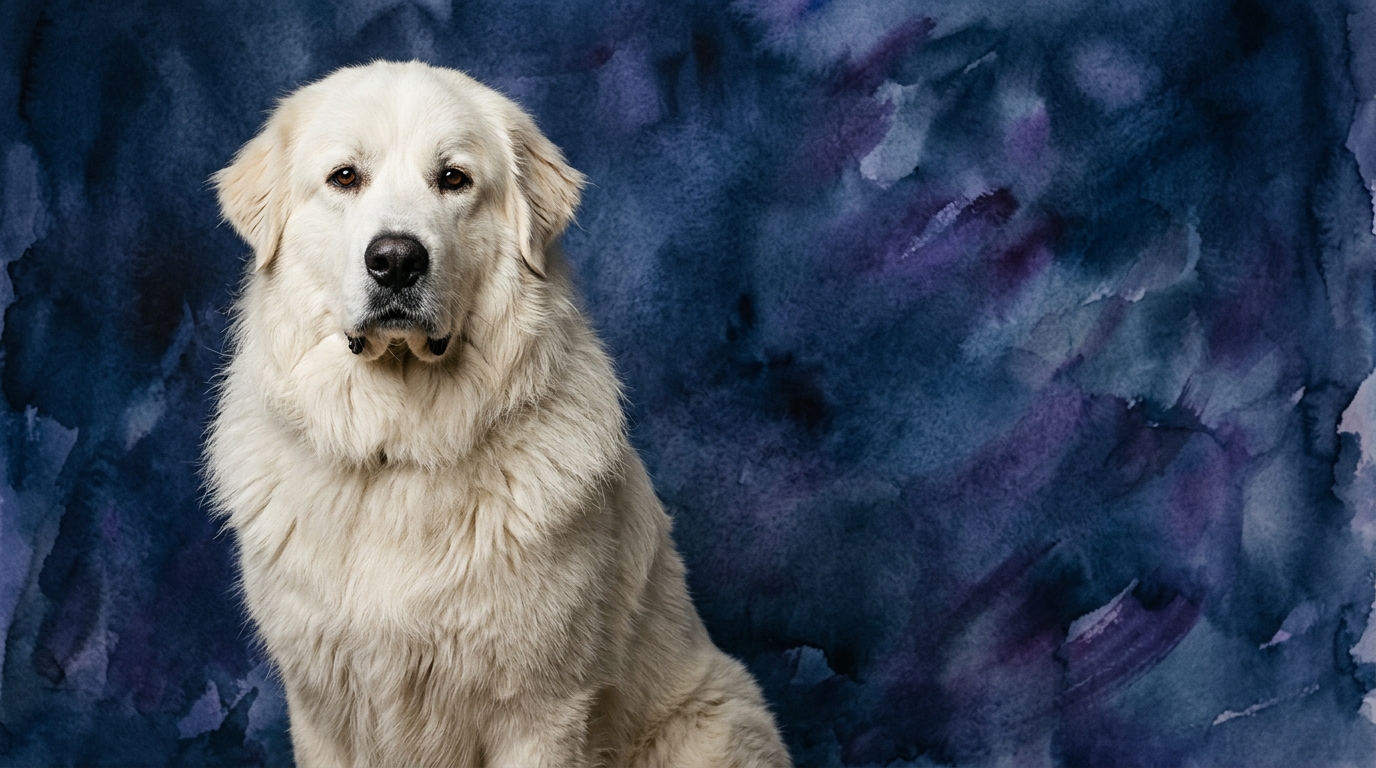
The Great Pyrenees, a dedicated Working dog, showcases its cognitive abilities through the lens of independent guardianship. Its Problem Solving (3/5) is often seen in assessing threats to livestock or territory, making autonomous decisions without direct human command.
Their Training Speed (3/5) reflects a moderate learning pace, yet their deep-seated independence means they process requests through the filter of their protective duties, sometimes appearing selectively attentive.
Social Intelligence (3/5) for a Pyrenees shines in nuanced interactions within their flock, understanding animal moods and mediating conflicts. With humans, they form deep bonds but maintain a reserved, watchful demeanor.
The Instinctive Drive (3/5) of this breed is overwhelmingly centered on protection and territoriality, an innate understanding of their role as guardians that leads to self-directed patrolling and vigilance.
Memory (3/5) in a Great Pyrenees is robust for their territory, the individuals under their care, and past events related to safety, contributing to consistent and reliable guardian behavior.
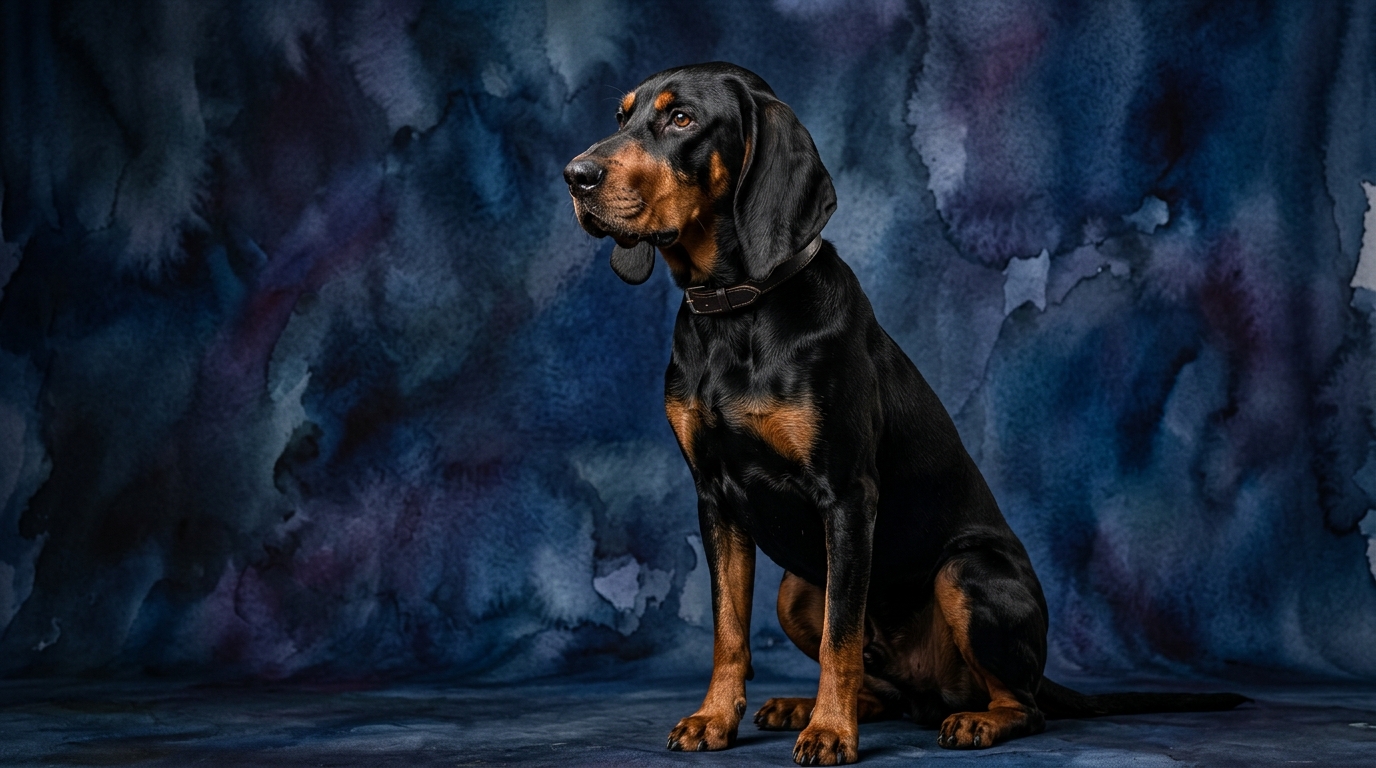
The Black and Tan Coonhound, a quintessential Hound, applies its cognitive strengths primarily to its olfactory world. Its Problem Solving (3/5) is intricately tied to deciphering complex scent trails, navigating diverse terrain to follow a track, and determining the most efficient pursuit path.
Their Training Speed (3/5) is moderate, but a Coonhound's attention can be heavily influenced by compelling environmental scents. Learning is certainly possible, but it requires consistent, engaging methods to compete with their powerful drive.
Social Intelligence (3/5) in these hounds is evident in their pack dynamics, enjoying companionship and group activities. They are generally friendly and perceptive of human moods, though their independent nature can still surface.
The Instinctive Drive (3/5) of the Black and Tan Coonhound is profoundly rooted in their scenting abilities and the pursuit of game, manifesting as an unyielding desire to follow a trail with deep, resonant vocalizations.
Memory (3/5) for a Coonhound is exceptional for scent profiles and locations associated with successful hunts or interesting trails, recalling complex routes and the nuances of various odors crucial for their work.
Where the Great Pyrenees Excels Cognitively
The Great Pyrenees' cognitive strengths are profoundly shaped by their role as livestock guardians, demanding a unique application of their 3/5 problem-solving and social intelligence. Unlike many breeds that rely heavily on human direction, Pyrenees are bred to operate independently, often for extended periods. Their problem-solving isn't about retrieving objects on command or navigating agility courses, but rather assessing dynamic situations within their territory: identifying a potential predator, distinguishing between a friendly visitor and an intruder, or mediating squabbles within their flock. This requires a sophisticated, context-dependent form of judgment, a true cognitive triumph for their specific purpose.
This breed's social intelligence, while rated 3/5, shines in its subtle understanding of animal behavior. A Pyrenees can discern the mood of a sheep, the distress call of a goat, or the intentions of a new animal introduced to the flock. They use this information to proactively protect, often intervening with a calm presence before a situation escalates. Their memory contributes to this by allowing them to recall past interactions and the typical behaviors of individuals in their care, building a comprehensive mental map of their charges and their environment. Their cognitive 'win' lies in this self-reliant, nuanced application of intelligence for protective duties.
Where the Black and Tan Coonhound Excels Cognitively
The Black and Tan Coonhound, with its identical 3/5 cognitive scores, demonstrates its unique intellectual prowess in the realm of olfaction and sustained pursuit. Their problem-solving ability is intensely specialized, focusing on the intricate puzzle of a scent trail. This isn't just about detecting a smell; it's about discriminating between countless environmental odors, identifying the target scent, determining its direction and age, and then meticulously following it over diverse and challenging terrain. This requires an extraordinary level of cognitive processing dedicated solely to sensory input and navigation, a testament to their specialized brainpower.
Their 3/5 instinctive drive and memory are inextricably linked to this scenting mastery. A Coonhound possesses an almost unwavering determination once on a scent, showcasing a profound capacity for single-minded focus that can override other stimuli, including human commands. Their memory is exceptional for scent profiles, recalling specific quarry or even the nuances of a particular forest path. This persistence and sensory-driven recall represent a cognitive strength where the Coonhound truly excels, demonstrating a mental tenacity that few other breeds can match in their specific domain.
Which Is Easier to Train and Why
When evaluating ease of training, the identical 3/5 training speed scores for both breeds require a deeper look into their inherent motivations and behavioral patterns. The Great Pyrenees, while capable of learning, possesses a strong independent streak rooted in their guardian heritage. They are accustomed to making their own decisions regarding flock safety, and this autonomy often translates into a perceived stubbornness during training. They might understand a command perfectly but choose not to execute it if it conflicts with their perceived duty or if they simply don't see the immediate relevance. Training a Pyrenees requires patience, consistency, and an understanding that you're seeking cooperation, not absolute obedience, especially when their instincts are engaged.
The Black and Tan Coonhound, conversely, faces a different training challenge. Their 3/5 training speed is heavily influenced by their powerful instinctive drive to track. While generally eager to please and socially intelligent, a compelling scent can instantly hijack their attention, making them seem deaf to commands. Their persistence, a virtue in the field, can become a hurdle in a training class, as they will follow a scent until satisfied, regardless of human intervention. Effective training for a Coonhound demands high-value rewards, engaging methods, and often, environmental management to minimize scent distractions.
Therefore, neither breed is 'easy' in the conventional sense, but their challenges differ significantly. Training a Great Pyrenees means navigating their independent judgment and strong will, often requiring a subtle approach that respects their protective nature. Training a Black and Tan Coonhound means constantly competing with their olfactory world, requiring methods that can consistently capture and hold their attention against the siren call of a compelling scent. For a novice owner, the Coonhound's single-minded tracking drive might present more immediate and consistent challenges in everyday obedience, particularly off-leash.
Which Suits Active Owners vs. Relaxed Owners
The lifestyle fit for these breeds diverges significantly, despite their similar cognitive scores, primarily due to their instinctive drives and energy levels. The Great Pyrenees, with its 3/5 instinctive drive focused on patient guardianship, generally suits more relaxed owners, provided they can offer ample space and a sense of purpose. While they require moderate exercise, their mental stimulation comes from observing their domain, patrolling boundaries, and making independent decisions about potential threats. They are not typically high-energy dogs needing constant vigorous activity; rather, they thrive in environments where they can be watchful and present, often content to lounge near their charges or family while remaining vigilant.
The Black and Tan Coonhound, however, is unequivocally suited for active owners. Their 3/5 instinctive drive for tracking is a powerful engine, demanding consistent physical and mental engagement. These hounds need daily, vigorous exercise that ideally incorporates scent work or long, exploratory walks where they can engage their formidable noses. A relaxed owner who cannot provide outlets for this deep-seated drive will likely find themselves with a bored, potentially destructive, and vocal dog. Their intelligence is best expressed and satisfied when they are given opportunities to follow scents, explore, and utilize their stamina, making them ideal companions for hikers, hunters, or anyone dedicated to regular, stimulating outdoor activities.
The Verdict
Choose a Great Pyrenees if you seek a calm, independent guardian with ample space, appreciating subtle protective instincts over eager obedience and valuing a dog that makes its own judgments.
Choose a Black and Tan Coonhound if you are an active owner passionate about outdoor activities or scent work, capable of providing consistent, stimulating exercise and adept at managing a powerful tracking drive.
🧠 Find Your Pet's IQ Score
Our Pet IQ Lab assessment covers 25+ tests across 5 cognitive dimensions — personalized to your breed.
Take the Full IQ Test →Frequently Asked Questions
Are Great Pyrenees good off-leash?
Due to their strong independent nature and territorial instincts, Great Pyrenees are generally not recommended for off-leash activities outside of securely fenced areas. Their desire to patrol and protect can lead them to wander.
Do Black and Tan Coonhounds bark a lot?
Black and Tan Coonhounds are known for their distinctive, melodious bay, which they use to communicate when on a scent trail or when excited. This can translate into frequent vocalizations, making them less suitable for quiet living environments.
Are these breeds good with children?
Both breeds can be good with children when properly socialized, though in different ways. Great Pyrenees are often gentle and patient protectors, while Black and Tan Coonhounds are generally friendly and playful, but their size and exuberance require supervision with very young children.