Side-by-Side IQ Profile: Great Pyrenees vs. Boykin Spaniel
The Cosmic Pet Pet IQ Lab assesses canine intelligence across five key dimensions, each scored on a scale of 1 to 5. Intriguingly, both the Great Pyrenees and the Boykin Spaniel register a consistent 3/5 across all categories, indicating a solid, functional cognitive capacity, yet applied through very different lenses.
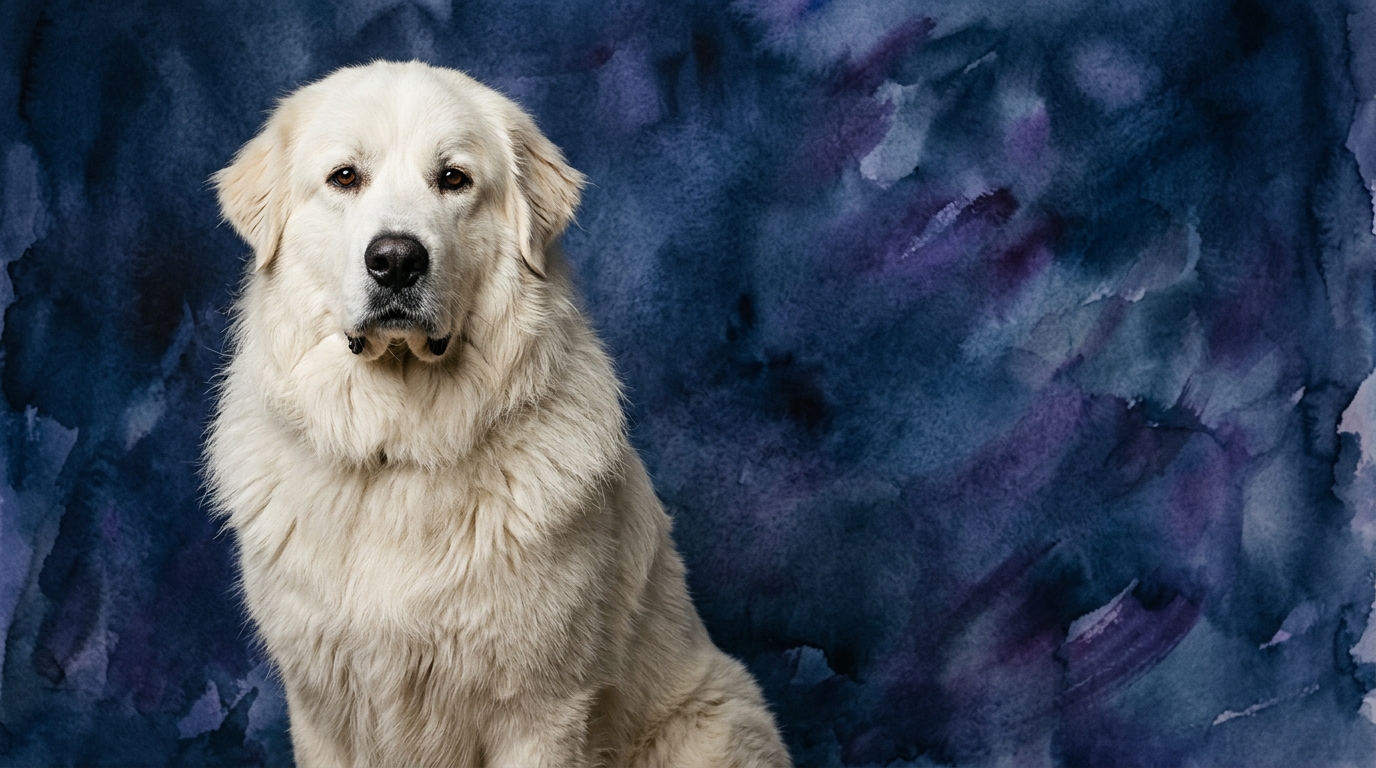
For the **Great Pyrenees**, a dog from the Working Group with a Coren rank of #64, their Problem Solving score of 3/5 reflects their tactical decision-making in protecting livestock. This isn't about solving complex puzzles for treats, but rather discerning threats, identifying vulnerabilities in their charge's environment, and strategizing their presence to deter predators. Their Training Speed, also 3/5, signifies that while they are capable of learning, they often do so on their own terms, requiring patience and methods that appeal to their independent nature rather than strict obedience. Social Intelligence at 3/5 means they form deep, protective bonds with their family or flock, understanding nuances in their behavior and intentions, particularly regarding perceived dangers. Their Instinctive Drive, a 3/5, is powerfully geared towards guardian behaviors, exhibiting unwavering vigilance, territoriality, and a profound sense of responsibility. Finally, their Memory, also 3/5, allows them to recall threats, safe zones, routines, and the identities of those they protect over significant periods.
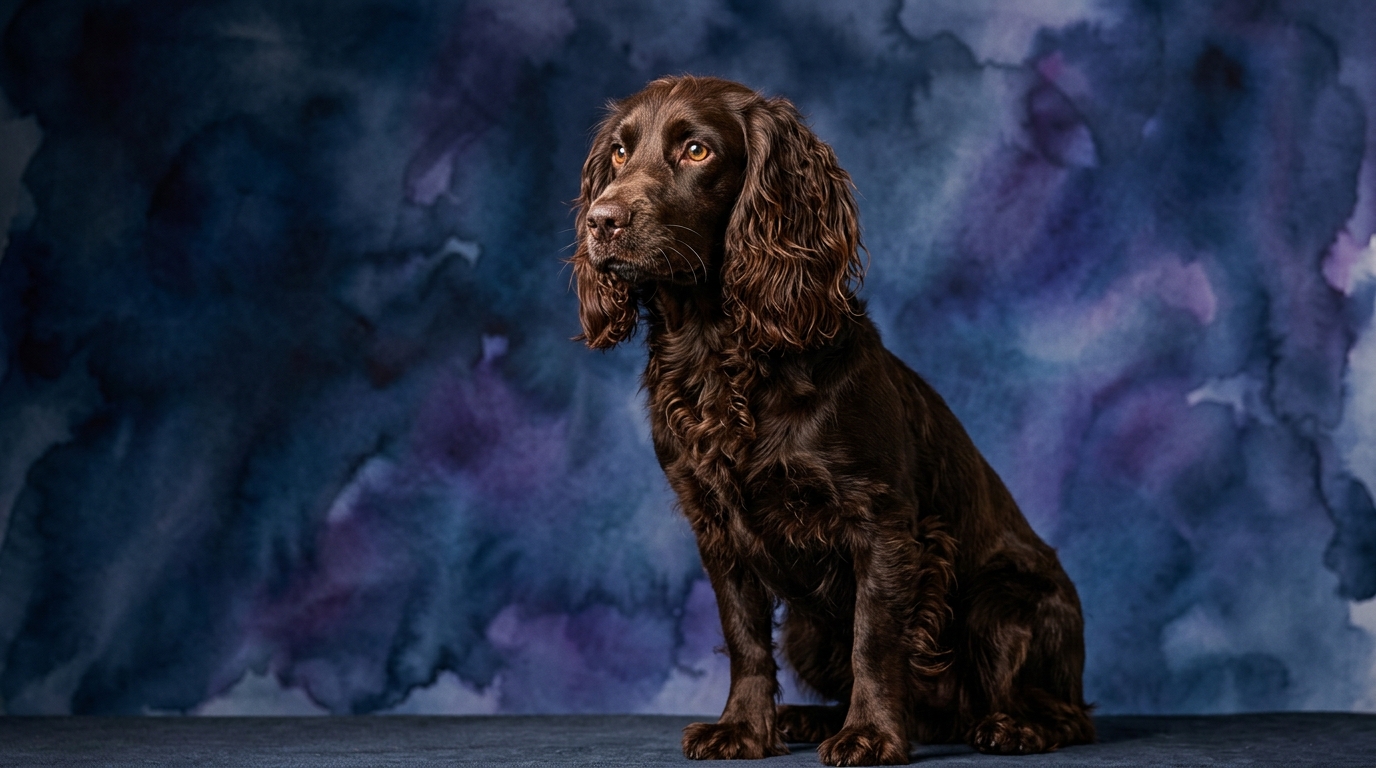
The **Boykin Spaniel**, a Sporting Group dog without a specific Coren rank, also scores 3/5 across the board, but these scores manifest differently. Their Problem Solving at 3/5 is focused on practical tasks like navigating dense cover to retrieve game, understanding complex scent trails, or adapting to varied terrain during a hunt. Their Training Speed, a 3/5, indicates they are generally eager and capable learners, quick to pick up commands for sporting activities and companionship, though they can be easily distracted if not consistently engaged. Social Intelligence at 3/5 highlights their strong attunement to human handlers, reading cues and thriving on cooperative interaction, which is crucial for their role as a hunting partner. Their Instinctive Drive, also 3/5, is characterized by a potent prey drive, a natural retrieving inclination, and a strong affinity for water. Their Memory, a 3/5, enables them to recall commands, the locations of retrieves, and learned routines, essential for effective partnership in the field.
Where the Great Pyrenees Excels Cognitively
The Great Pyrenees' cognitive strengths lie in their autonomous decision-making and sustained vigilance. Their 3/5 problem-solving ability shines when they are left to manage situations independently, such as assessing a distant sound for potential threat or strategically positioning themselves to deter intruders without direct human command. This breed processes environmental stimuli through a filter of protection, constantly evaluating risks and benefits to their charges. Their memory allows them to retain a detailed mental map of their territory and the patterns of those within it, identifying anomalies with remarkable consistency. This deep-seated self-reliance and environmental awareness are hallmarks of their cognitive advantage, making them exceptional at their original purpose of guardianship.
Where the Boykin Spaniel Excels Cognitively
The Boykin Spaniel's cognitive prowess is most evident in their collaborative problem-solving and social attunement. Their 3/5 problem-solving score is not for solitary contemplation, but for dynamic, interactive challenges like adjusting their search pattern based on a handler's whistle or navigating complex cover to flush game efficiently. Their social intelligence, also 3/5, makes them highly responsive to subtle human cues, allowing for seamless communication and partnership in fast-paced environments. They excel at interpreting and acting upon a handler's intentions, making them extraordinarily adept at tasks requiring synchronized effort. This breed's strength lies in their ability to integrate their instincts with human direction, forming a cohesive working unit.
Training Dynamics: Which Breed is Easier and Why?
When considering ease of training, the distinction between these breeds becomes more apparent, despite their identical 3/5 training speed scores. The Boykin Spaniel generally presents as easier to train for typical companion dog tasks and dog sports due to their inherent desire to please and strong cooperative drive. Their social intelligence at 3/5 means they are highly motivated by human interaction and praise, and their retrieving instinct provides a powerful natural reward for learning. They typically respond well to positive reinforcement and consistency, quickly learning complex sequences for activities like obedience, agility, or dock diving. Their learning is often driven by a desire for partnership.
Conversely, the Great Pyrenees, with its 3/5 training speed, learns effectively but often on its own terms. Their independence, a cornerstone of their guardian role, means they are less inclined to perform commands simply to please a human. They will learn commands they perceive as useful or necessary for their duties, but may ignore those that seem arbitrary or inconvenient. Training a Great Pyrenees requires immense patience, understanding of their self-reliant nature, and methods that convince them the command aligns with their own perceived purpose. They are not difficult to train because of a lack of cognitive capacity, but because their motivation stems from internal conviction rather than external direction or a strong desire to consistently comply with human instruction. Their learning is driven by perceived utility and self-preservation.
Tailoring to Lifestyles: Active vs. Relaxed Owners
The activity levels and needs of these breeds dictate their suitability for different owner lifestyles. The Boykin Spaniel is an ideal fit for active owners who relish outdoor adventures and engaging in dog sports. Their powerful instinctive drive and social intelligence mean they thrive on consistent physical exercise, mental stimulation, and partnership-based activities like hunting, hiking, agility, or competitive obedience. They require an owner who can consistently channel their energy and provide structured engagement.
The Great Pyrenees, while large, often suits a more relaxed owner, provided they have a securely fenced yard where they can patrol and observe. Their activity is less about high-intensity bursts and more about steady, vigilant monitoring of their territory. While they enjoy a daily walk, their primary 'work' is often sedentary observation. They are generally calm indoors but need ample outdoor space to satisfy their patrolling instincts. Owners must be comfortable with a dog that values its independence and does not demand constant, high-energy interaction, but rather a consistent, reassuring presence.
The Verdict: When to Choose Each
The Verdict
Choose the Great Pyrenees if you seek an independent, watchful guardian, capable of autonomous decision-making and content with a more relaxed indoor presence, provided they have ample outdoor space for patrolling. This breed thrives with owners who respect their self-reliant nature and desire a steadfast protector.
Opt for the Boykin Spaniel if you desire an energetic, highly interactive companion for outdoor adventures, dog sports, and a strong partnership. This breed flourishes with active owners who enjoy consistent engagement and structured activities to channel their cooperative spirit and natural drive.
🧠 Find Your Pet's IQ Score
Our Pet IQ Lab assessment covers 25+ tests across 5 cognitive dimensions — personalized to your breed.
Take the Full IQ Test →Frequently Asked Questions
Do Great Pyrenees require extensive exercise?
Great Pyrenees do not typically require high-intensity exercise like long runs, but they do need consistent, moderate activity. Their primary need is a secure outdoor space to patrol and survey their territory, which fulfills their guardian instincts. Daily walks are beneficial, but their overall energy level is lower than many working breeds.
Are Boykin Spaniels good family dogs?
Yes, Boykin Spaniels are generally excellent family dogs, known for their affectionate and eager-to-please nature. They typically get along well with children and other pets, provided they receive proper socialization and training. Their high energy means they thrive in active households that can provide ample playtime and mental stimulation.
What is the biggest difference in their training approach?
The biggest difference lies in their motivation: Boykin Spaniels are driven by a desire for partnership and pleasing their handler, making them responsive to positive reinforcement and cooperation. Great Pyrenees, conversely, are motivated by perceived utility and independence, requiring training methods that appeal to their self-reliant nature and convince them the command serves a logical purpose.