Side-by-Side IQ Profile
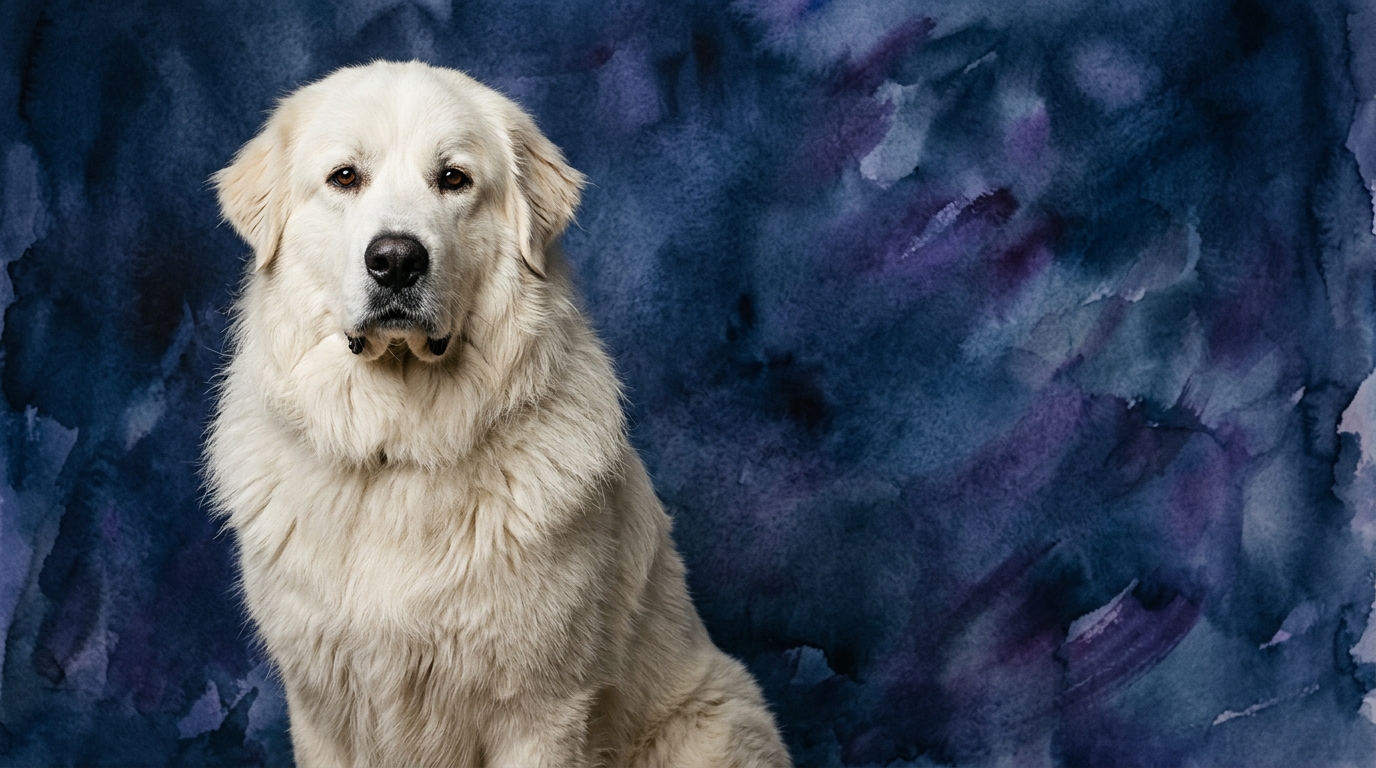
The Great Pyrenees (Coren rank #64) exhibits a Problem Solving score of 3/5, which often manifests in their independent assessment of threats to their flock, requiring them to make decisions autonomously without human intervention. Their Training Speed (3/5) reflects their capacity to learn commands, though their self-reliant nature means they may weigh the necessity of compliance. Social Intelligence (3/5) is evident in their nuanced interactions with livestock and their protective discernment towards strangers, while being gentle with their family. Instinctive Drive (3/5) is powerfully geared towards guarding and territorial patrol, exhibiting a deep-seated vigilance. Their Memory (3/5) supports consistent recall of boundaries, routines, and the individuals they are tasked to protect.
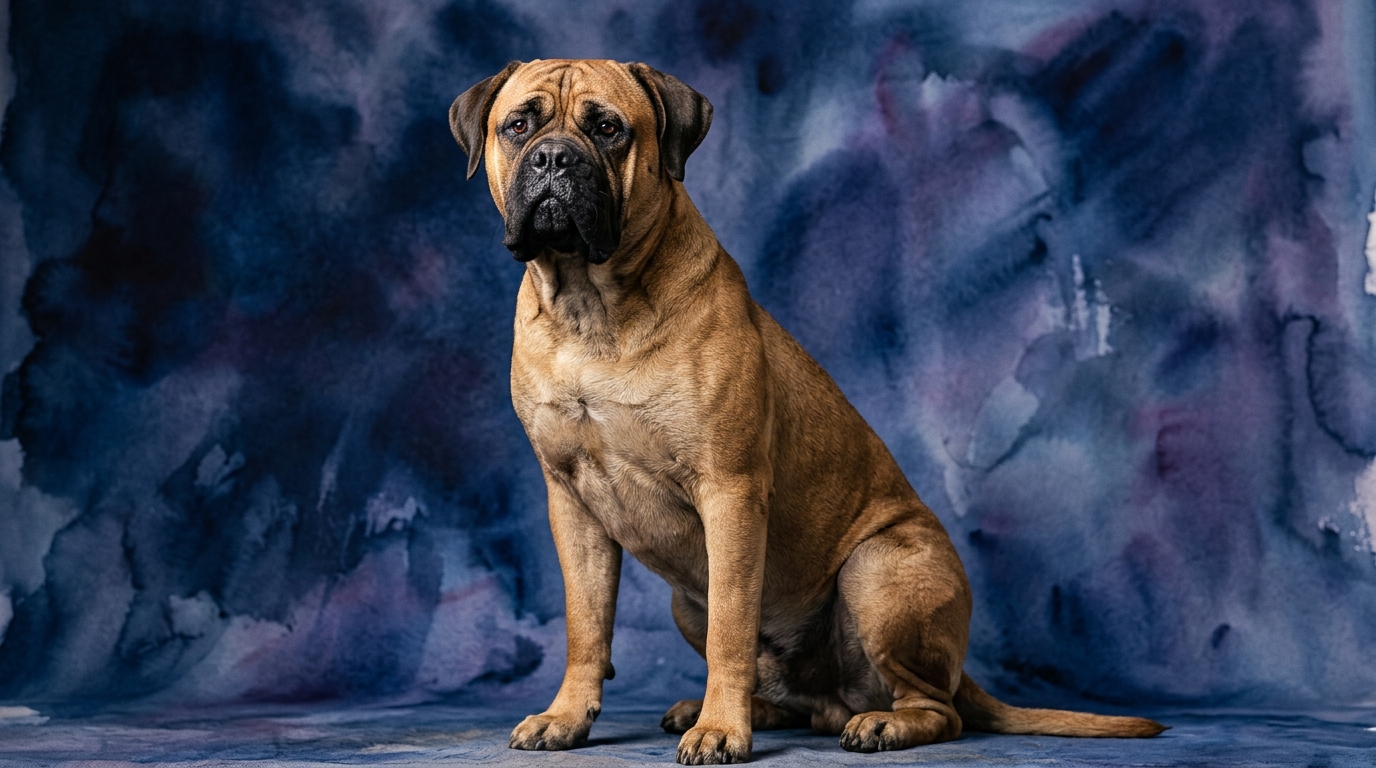
The Bullmastiff (Coren rank #69) also scores 3/5 in Problem Solving, typically channeling this into assessing and neutralizing perceived threats to their human companions, often involving strategic positioning and deterrent displays. Their Training Speed (3/5) indicates a solid ability to grasp new tasks, especially when motivated by strong handler connection and positive reinforcement. Social Intelligence (3/5) shines in their discerning nature, quickly identifying friend from potential foe, and their capacity for deep familial bonds. Their Instinctive Drive (3/5) is primarily focused on protection and companionship, exhibiting a strong desire to be near their people and guard them. Memory (3/5) assists them in remembering learned commands, social cues, and the individuals they consider part of their family unit.
Where Great Pyrenees Wins Cognitively
The Great Pyrenees often demonstrates a superior capacity for independent decision-making in unsupervised environments. Their problem-solving (3/5) is geared towards assessing and responding to threats to their charges, whether livestock or family, without needing direct human instruction. This breed's instinctive drive (3/5) for vigilant guardianship allows them to autonomously patrol vast areas, weighing environmental cues and making judgments on the fly. For instance, a Pyrenees might independently decide when to bark at a perceived predator or when to simply observe, showcasing a self-directed cognitive process that prioritizes the welfare of its flock above immediate human directives. Their social intelligence (3/5) in this context involves understanding the subtle dynamics of a group, be it sheep or children, and acting as a silent, watchful guardian.
Where Bullmastiff Wins Cognitively
The Bullmastiff typically excels in situations demanding a strong partnership with a human handler, particularly in roles requiring focused protection and discernment. Their problem-solving (3/5) often involves interpreting human cues and acting in concert with their owner to address a perceived threat, rather than operating entirely independently. The Bullmastiff's social intelligence (3/5) is acutely tuned to the nuances of human interaction, allowing them to differentiate between playful visitors and genuine intruders with a calm, deliberate assessment. Their instinctive drive (3/5) for protection is often expressed through a powerful, yet controlled, presence directly alongside their family. This breed's memory (3/5) often aids in consistent recall of specific training commands and the routines established with their human companions, making them highly reliable in structured protective tasks.
Which is Easier to Train and Why
Determining which breed is "easier" to train depends significantly on the owner's approach and understanding of breed-specific motivations. The Bullmastiff, while possessing a comparable training speed (3/5), often exhibits a stronger desire to please its human companion, a trait stemming from its history as a gamekeeper's assistant. This inherent drive to work *with* their handler can make them more receptive to obedience training, especially when positive reinforcement and clear, consistent commands are employed. Their social intelligence (3/5) allows them to form deep bonds, which can be leveraged for highly successful training outcomes.
Conversely, the Great Pyrenees, with an identical training speed (3/5), often requires a different training philosophy. Their historical role as independent livestock guardians means they were bred to think for themselves, often making their own decisions rather than slavishly following human commands. This independence can be misinterpreted as stubbornness. Training a Pyrenees demands immense patience, understanding their motivations, and utilizing methods that appeal to their self-preservation or protective instincts rather than just rote obedience. While they learn, their cognitive process includes an internal assessment of whether a command is truly necessary or beneficial from their perspective.
Which Suits Active Owners vs Relaxed Owners
For active owners, the Great Pyrenees can be a fitting companion, particularly those whose "activity" involves maintaining a large property or engaging in consistent, moderate outdoor monitoring. While not a high-energy running partner, their instinctive drive (3/5) for patrolling and their need for a perceived "job" (even if it's just surveying the yard) means they thrive with space and purpose. They require mental engagement through their guardianship role, which can be an "active" pursuit for the owner in terms of providing appropriate territory and challenges.
Relaxed owners might find the Bullmastiff a more suitable match. Despite their imposing size, Bullmastiffs are often described as "gentle giants" indoors, content to lounge near their family members. Their instinctive drive (3/5) for companionship means they prefer being close to their people, even if that means a quiet evening on the couch. While they still require daily walks and structured exercise to maintain their physical and mental well-being, their lower overall energy demands compared to some working breeds make them adaptable to a less intensely active household, provided their social and training needs are met.
The Verdict
Choose a Great Pyrenees if you value a self-sufficient, independent guardian with a deep-seated instinct to protect its territory and charges, and you are prepared for a training approach that respects their autonomous nature.
Opt for a Bullmastiff if you seek a devoted, discerning protector who thrives on partnership with their human family, and you are ready to provide consistent, positive training that leverages their desire to please.
🧠 Find Your Pet's IQ Score
Our Pet IQ Lab assessment covers 25+ tests across 5 cognitive dimensions — personalized to your breed.
Take the Full IQ Test →Frequently Asked Questions
Do Great Pyrenees and Bullmastiffs have similar problem-solving abilities?
Yes, both breeds score 3/5 in problem-solving. However, the Great Pyrenees typically applies this independently in guarding roles, while the Bullmastiff often uses it in partnership with its human to assess and address threats.
Which breed is more prone to barking according to their instinctive drives?
The Great Pyrenees, with its strong instinctive drive for territorial patrol and guarding, is generally more prone to alert barking as part of its job to deter potential threats. The Bullmastiff's protective instincts often manifest through a more silent, watchful presence until a direct threat is perceived.
How do their social intelligences differ in a family setting?
Both breeds score 3/5 in social intelligence, but express it uniquely. The Great Pyrenees shows nuanced understanding of its 'flock' dynamics and acts as a watchful, independent guardian, while the Bullmastiff's social intelligence is deeply tuned to its human family, discerning friend from foe with a strong desire for close companionship.