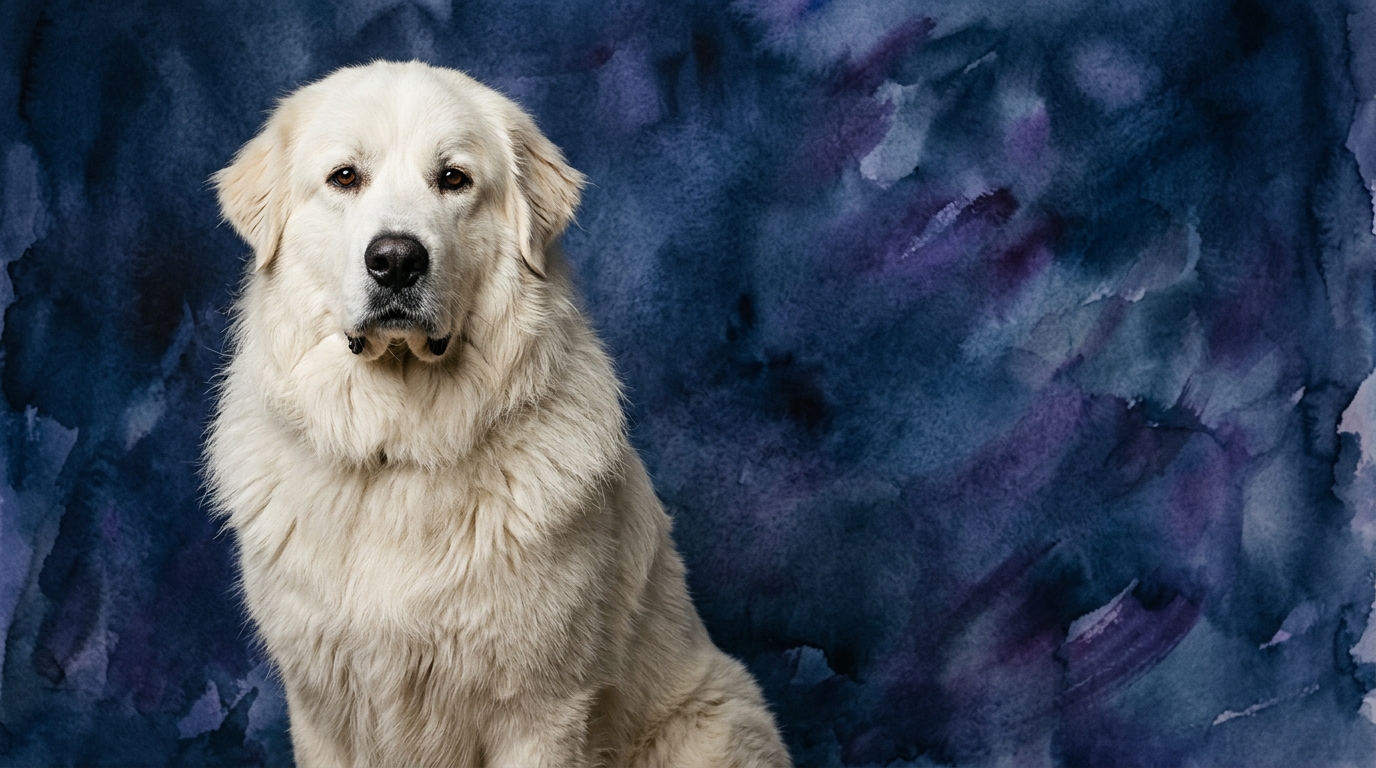
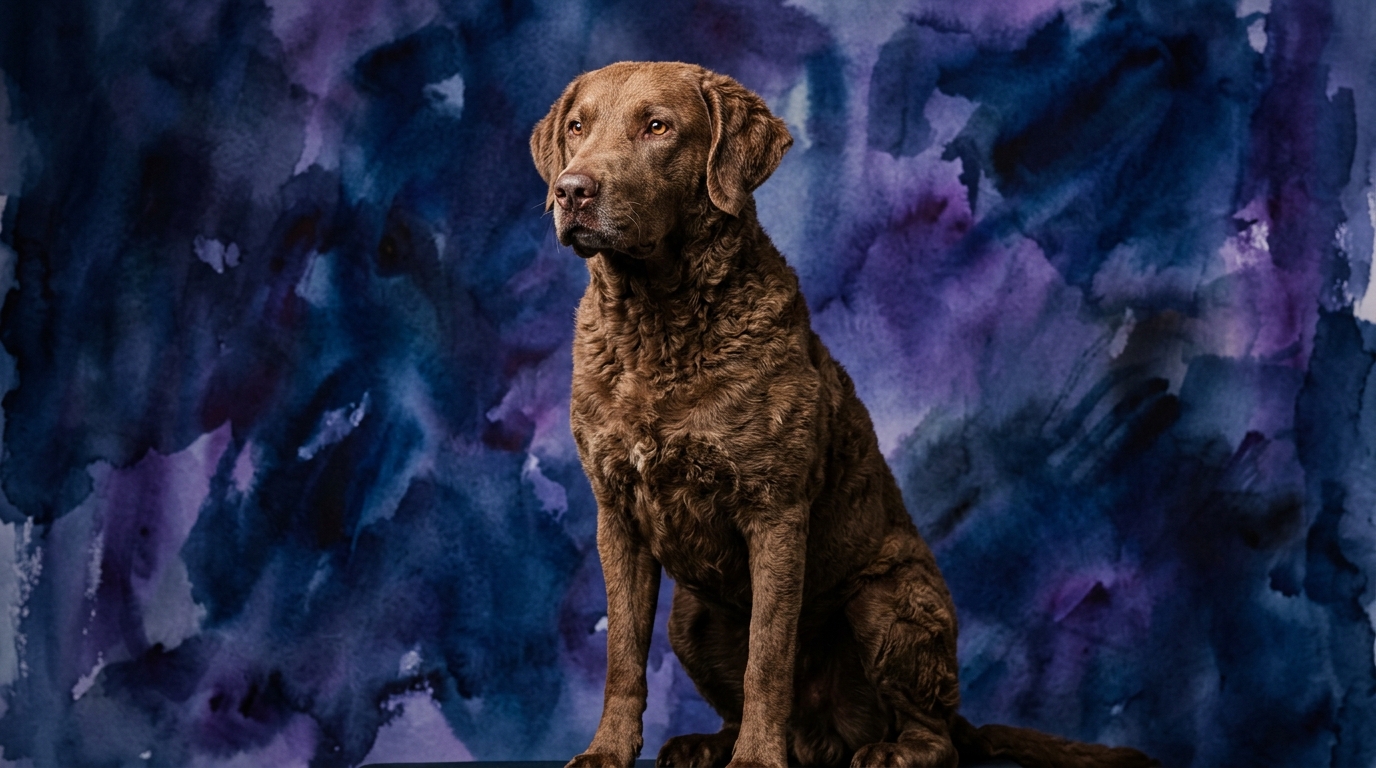
Side-by-Side Cognitive Profile: Great Pyrenees vs. Chesapeake Bay Retriever
At The Cosmic Pet's IQ Lab, we analyze canine intelligence across five key dimensions. The Great Pyrenees (Working Group, Coren Rank #64) and the Chesapeake Bay Retriever (Sporting Group, Coren Rank #27) present a compelling contrast in their cognitive strengths, rooted in their breed-specific histories and purposes.
For the **Great Pyrenees**, a breed revered for its autonomous guardianship, its IQ profile is as follows:
**Problem Solving (3/5):** This score reflects a capacity for independent thought, often applied to assessing threats or navigating their territory. They are not necessarily looking for human-devised puzzles but excel at practical, real-world challenges related to their guarding duties, like finding vulnerabilities in a fence line or deterring a predator without direct human instruction. Their solutions might be slow and deliberate, driven by observation rather than rapid experimentation.
**Training Speed (3/5):** Pyrenees learn at a moderate pace, but their primary motivation isn't always human approval. Their independent nature, honed over centuries as livestock guardians, means they prioritize their own judgment. While they grasp concepts, executing commands quickly and consistently requires patience and understanding their inherent self-reliance. They learn what they deem important for their role.
**Social Intelligence (3/5):** Pyrenees possess a solid understanding of social dynamics, both within their canine family and with their human companions. They can discern moods and intentions, often reacting with a calm, watchful presence. Their social intelligence is geared towards protective vigilance, reading subtle cues from their flock or family to identify potential threats or comfort needs.
**Instinctive Drive (3/5):** Their instinctive drive is profoundly rooted in guardianship. This score indicates a strong, unwavering impulse to protect their charges, whether sheep or family members, from perceived dangers. This isn't a high-energy 'chase' drive but a deep-seated, territorial instinct to patrol, observe, and intervene when necessary, often with a formidable but measured presence.
**Memory (3/5):** Pyrenees exhibit a good memory for their territory, routines, and the individuals they are tasked to protect. They remember who belongs and who doesn't, and recall past encounters. However, their memory might be less focused on rote obedience commands and more on environmental details and social hierarchies crucial to their guarding role.
Now, let's examine the **Chesapeake Bay Retriever**, a breed celebrated for its tenacity and retrieving prowess:
**Problem Solving (4/5):** This higher score signifies a keen ability to navigate complex situations, particularly those involving retrieving tasks. Chesapeake Bay Retrievers are adept at figuring out how to retrieve fallen game from challenging terrains, whether breaking through ice or finding a bird in dense cover. They demonstrate strategic thinking and adaptability, often trying different approaches until they succeed.
**Training Speed (4/5):** Chesapeake Bay Retrievers learn new commands and tasks with impressive speed and retention. Their eagerness to please and strong work ethic make them highly receptive to training. They quickly associate actions with rewards, making them excellent candidates for advanced obedience, field trials, and various dog sports. Their focus is on cooperative learning with their handler.
**Social Intelligence (3/5):** Similar to the Pyrenees, Chessies have a robust understanding of social cues. They are attuned to their handler's emotions and expectations, which contributes to their trainability and cooperative nature. They can interact effectively with their human family and other dogs, though they often possess a reserved quality with strangers, typical of a focused working breed.
**Instinctive Drive (3/5):** The instinctive drive of a Chesapeake Bay Retriever is powerfully centered on retrieving. This score reflects an innate, enduring desire to work alongside a hunter, locating and bringing back game. Their drive is persistent and focused, often accompanied by a rugged determination to complete their task regardless of environmental challenges.
**Memory (4/5):** Chessies exhibit superior memory, which is critical for their retrieving work. They can mark the fall of multiple birds, remember complex scent trails, and recall intricate sequences of commands. This strong memory allows them to build a vast repertoire of learned behaviors and apply them consistently, even after long periods.
Where the Great Pyrenees Excels Cognitively
While the Chesapeake Bay Retriever boasts higher scores in several areas, the Great Pyrenees possesses unique cognitive strengths that are paramount to its ancestral role. Its 3/5 in Problem Solving, for instance, shines brightest in its capacity for autonomous decision-making in protective scenarios. A Pyrenees doesn't wait for a command to assess a threat to its flock or family; it processes environmental cues, analyzes potential dangers, and reacts with measured, self-directed strategies. This cognitive strength is about proactive, unprompted safeguarding, a distinct form of practical intelligence.
Furthermore, their Social Intelligence (3/5) combined with their Instinctive Drive (3/5 for guarding) creates a profound, unwavering situational awareness. A Pyrenees is constantly scanning its environment, processing subtle shifts in sound, scent, and visual cues. This isn't just passive observation; it's an active cognitive process of threat assessment and territory management, a deep understanding of their domain's safety status and the well-being of their charges. They excel at discerning normal from abnormal, often before a human notices.
Lastly, their 'slower' Training Speed (3/5) and Memory (3/5) aren't weaknesses in their primary role but rather indicators of a different cognitive rhythm. They possess an incredible capacity for patient, prolonged vigilance, a mental stamina to remain watchful for hours without needing constant stimulation or direction. Their cognitive focus is on sustained, low-level processing of their environment, maintaining a calm but ever-present protective state, rather than rapid-fire task completion.
Where the Chesapeake Bay Retriever Leads Cognitively
The Chesapeake Bay Retriever's cognitive profile highlights its aptitude for cooperative work and rapid learning. Its 4/5 in Training Speed and Memory gives it a clear advantage in acquiring and retaining complex sequences of commands. Chessies rapidly form associations between cues and actions, and their superior memory ensures these learned behaviors are durable and reliably recalled, making them exceptionally proficient in structured training environments and competitive activities.
With a 4/5 in Problem Solving, the Chessie excels at overcoming obstacles to achieve a defined goal, especially when working in tandem with a human partner. Whether it's navigating a tricky water retrieve, locating fallen game in dense cover, or figuring out how to get a toy from under furniture, they apply strategic thinking and persistence. Their problem-solving is often goal-oriented and collaborative, demonstrating a keen ability to adapt their approach based on the task at hand and handler direction.
This higher cognitive capacity also translates to greater adaptive learning in dynamic environments, typical of field work. A Chessie can quickly adjust its approach based on new information, such as a bird landing in an unexpected spot or a change in wind direction affecting scent. They process new data and modify their strategy efficiently, showcasing mental agility and a capacity for strategic adjustment that is crucial for a successful working retriever.
Training Dynamics: Great Pyrenees vs. Chesapeake Bay Retriever
The Chesapeake Bay Retriever is generally easier to train compared to the Great Pyrenees, a distinction directly reflected in their respective IQ scores. The Chessie's 4/5 Training Speed indicates a natural eagerness to learn and cooperate, coupled with a strong desire to work alongside its human. They are highly motivated by rewards and handler feedback, quickly grasping new commands and demonstrating a strong work ethic. Their superior Memory (4/5) ensures that once a lesson is learned, it's retained with remarkable consistency, leading to reliable performance. This makes them excellent candidates for advanced obedience, field trials, and various dog sports where precision and prompt execution are valued.
In contrast, the Great Pyrenees, with its 3/5 Training Speed, learns at a more deliberate pace. This isn't due to a lack of capacity but rather their inherent independence, a cognitive trait vital for a livestock guardian dog. A Pyrenees is bred to think for itself and make decisions without constant human oversight. While they are capable of learning, they often require more repetition and motivation tailored to their self-reliant nature, and may choose to comply only if they deem the command logical or beneficial or aligns with their protective instincts. Their training journey is more about building a respectful partnership that acknowledges their self-direction, whereas the Chessie thrives on a more traditional, cooperative training dynamic focused on handler direction.
Matching Canine Cognition to Owner Lifestyle
The Chesapeake Bay Retriever is unequivocally better suited for active owners. Their strong instinctive drive (3/5 for retrieving) combined with their robust problem-solving and training speed means they thrive on purpose and physical exertion. An active owner can fulfill their cognitive and physical needs through activities like hunting, competitive dog sports, long hikes, and regular training sessions that challenge their agile minds and powerful bodies. They need a job and consistent engagement to prevent boredom and channeling their energy constructively. Their mental stimulation comes from collaborative tasks and dynamic challenges, making them ideal companions for those who lead an adventurous, hands-on lifestyle.
Conversely, the Great Pyrenees is an ideal match for more relaxed owners, though 'relaxed' should not be mistaken for 'inactive'. While they possess a deep-seated instinctive drive (3/5 for guarding), it manifests as territorial patrol and patient vigilance rather than high-octane physical activity. They are content with a secure yard to oversee, regular but not intense walks, and the companionship of their family. Their cognitive needs are met by observing their domain and being a calm, watchful presence, rather than constant mental puzzles or strenuous physical tasks. They prefer a predictable routine and a sense of responsibility over constant adventure, making them suitable for owners who appreciate a steadfast, independent companion without demanding constant high-energy interaction.
The Verdict
Choose the Great Pyrenees if you seek a calm, independent guardian whose cognitive strength lies in autonomous vigilance and patient protection, content with a more relaxed daily routine and requiring an owner who respects their self-directed nature.
Opt for the Chesapeake Bay Retriever if you are an active individual seeking a highly trainable, driven partner for demanding outdoor activities, appreciating their swift learning, keen problem-solving, and enthusiastic cooperation.
🧠 Find Your Pet's IQ Score
Our Pet IQ Lab assessment covers 25+ tests across 5 cognitive dimensions — personalized to your breed.
Take the Full IQ Test →Frequently Asked Questions
Are Great Pyrenees difficult to train?
Great Pyrenees are not 'difficult' but rather independent. Their 3/5 Training Speed means they learn at a moderate pace and prioritize their own judgment, requiring patience and consistent, positive reinforcement from an owner who understands their self-reliant nature and motivations.
What kind of work is a Chesapeake Bay Retriever best at?
Chesapeake Bay Retrievers excel at retrieving work, particularly in challenging environments like icy water, due to their strong instinctive drive and superior problem-solving (4/5). They are also highly capable in dog sports like obedience, agility, and hunt tests, thriving on tasks that require their focus and athleticism.
Do Great Pyrenees need a lot of exercise?
Great Pyrenees need moderate exercise, primarily consisting of regular walks and a secure outdoor space to patrol and observe. Their cognitive focus is on vigilant guardianship rather than high-intensity physical activity, making them suitable for owners who enjoy a more relaxed pace but still provide consistent engagement.