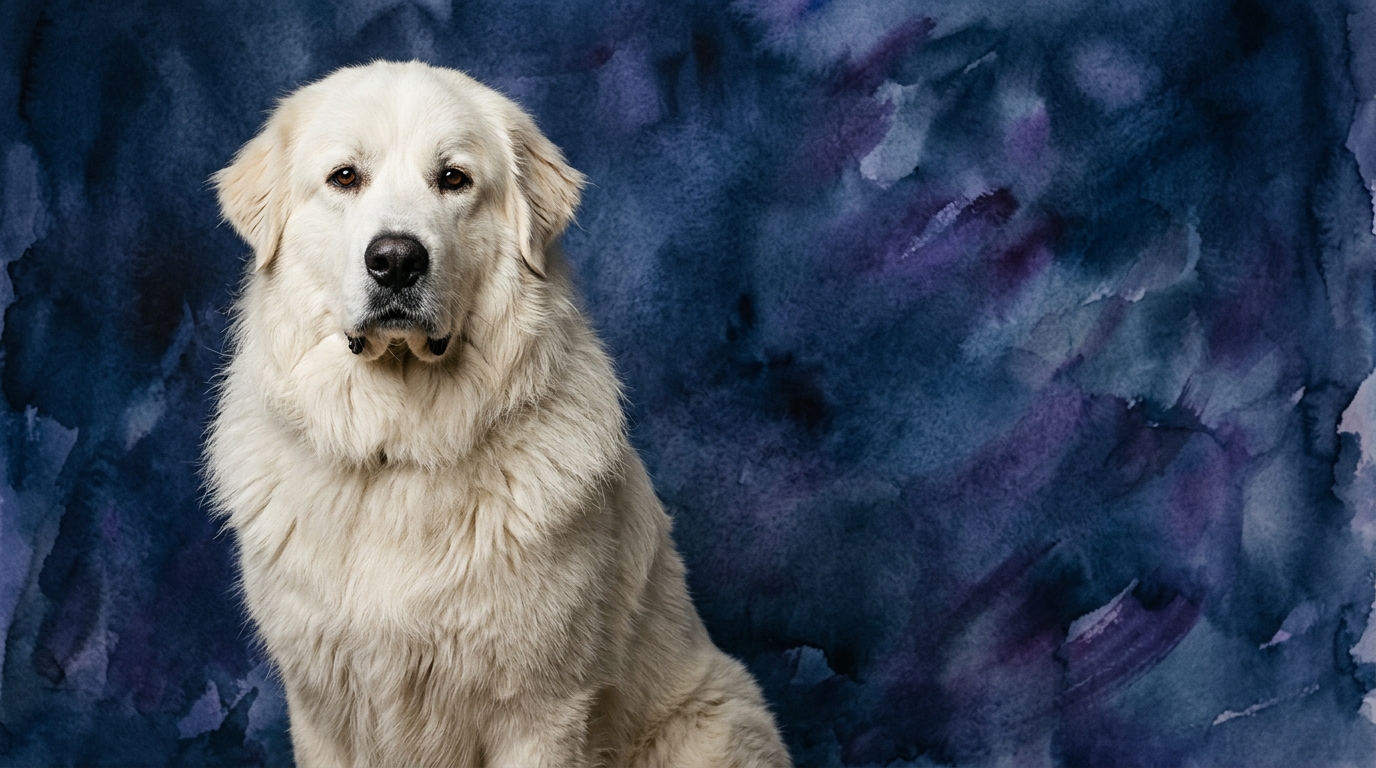
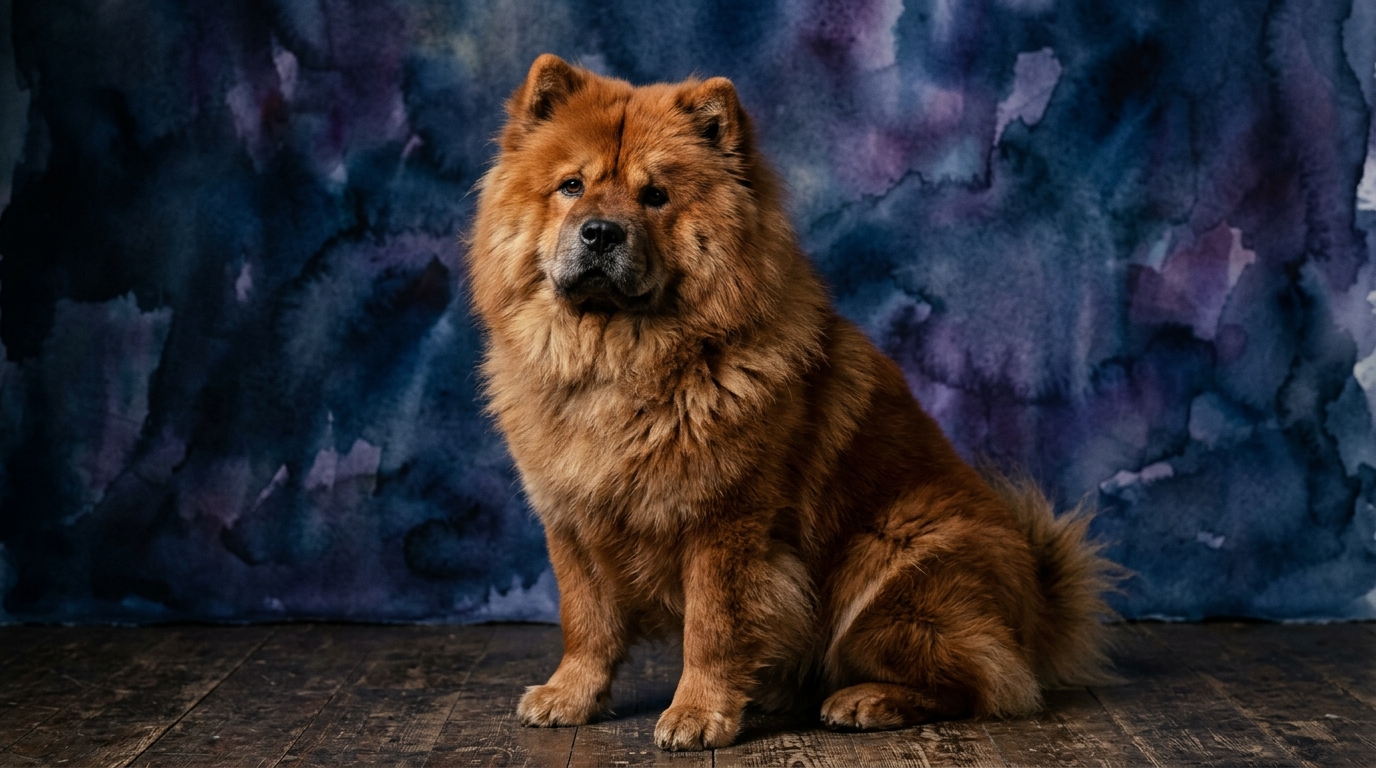
Side-by-Side IQ Profile: Great Pyrenees vs. Chow Chow
The Cosmic Pet Pet IQ Lab assesses canine intelligence across five key dimensions, providing a nuanced understanding of how different breeds think and learn. While both the Great Pyrenees and the Chow Chow register a 3/5 across these dimensions, the manifestation of these cognitive traits differs significantly due to their distinct histories and inherent purposes.
The Great Pyrenees: The Thoughtful Guardian
Problem Solving (3/5): The Great Pyrenees exhibits its problem-solving abilities through its inherent role as a livestock guardian, where it independently assesses threats and strategizes defense without direct human command. This isn't about solving complex puzzles for treats, but rather making autonomous decisions in dynamic, real-world scenarios to protect its perceived flock or family.
Training Speed (3/5): While capable of learning commands, a Pyrenees' training speed is tempered by its independent nature; it processes information and decides whether a command aligns with its guardian duties or its own assessment of a situation. Consistency and positive reinforcement are crucial, as it values its own judgment, often leading to a deliberate, rather than instantaneous, response.
Social Intelligence (3/5): This breed displays a deep, protective social intelligence within its immediate family unit, understanding subtle cues and emotional states, and forming profound bonds. Towards strangers, however, its social intelligence manifests as a reserved wariness, evaluating potential threats or intentions before accepting new individuals.
Instinctive Drive (3/5): Its instinctive drive is predominantly centered on guardianship, including territorial patrolling, vigilance, and an innate desire to protect its charges from perceived dangers. This drive dictates much of its behavior, making it a natural sentinel rather than a retriever or hunter.
Memory (3/5): A Great Pyrenees possesses a robust memory for its environment, routines, and the individuals it deems part of its flock or family, enabling it to recall past interactions, safe zones, and potential threats over extended periods. This memory is vital for its long-term protective duties.
The Chow Chow: The Discriminating Companion
Problem Solving (3/5): The Chow Chow's problem-solving skills are often directed towards achieving its own comfort or desired outcome, rather than pleasing an owner. It can effectively navigate its environment and figure out solutions to minor obstacles, but this is typically driven by its self-sufficient and sometimes stubborn nature.
Training Speed (3/5): Chows learn at a moderate pace, but their training speed is heavily influenced by their willingness to cooperate, which can be inconsistent. They grasp concepts but may choose to comply only if they perceive value in the command or if it aligns with their independent temperament, making consistent, patient training essential.
Social Intelligence (3/5): The Chow Chow demonstrates a discerning social intelligence, forming a deep, though not overtly demonstrative, bond with its primary human. They are highly attuned to their owner's moods but are generally aloof and indifferent to strangers, preferring a small, trusted circle and respecting personal space.
Instinctive Drive (3/5): This breed's instinctive drive is characterized by a strong sense of personal territory and a reserved, dignified demeanor. While not a typical working dog in the same vein as a Pyrenees, it possesses a protective instinct for its home and family, often manifesting as watchfulness and a cautious approach to novelty.
Memory (3/5): Chow Chows exhibit a strong memory, particularly for individuals, past experiences, and established routines. They remember both positive and negative interactions, influencing their future behavior towards specific people or situations, and contributing to their consistent, if sometimes rigid, personality.
Where the Great Pyrenees Wins Cognitively
The Great Pyrenees excels in its capacity for autonomous decision-making in complex, evolving environments. Its problem-solving and instinctive drive are uniquely integrated to assess dynamic threats to livestock or family, requiring constant vigilance and independent judgment across varied outdoor settings. This breed's cognitive strength lies in its ability to proactively manage a situation, anticipating potential dangers and taking preventative action before a direct confrontation, a skill finely honed by centuries of guardianship. Furthermore, its social intelligence, while reserved with strangers, allows for a profoundly nuanced understanding of its immediate human family, often anticipating needs or dangers with an intuitive protective foresight unmatched by many breeds.
Where the Chow Chow Wins Cognitively
The Chow Chow's cognitive strengths lean into its remarkable consistency once a routine or rule is established. Its memory and somewhat rigid approach to problem-solving ensure that, provided a learned behavior aligns with its preferences, it will adhere to it with striking reliability, making it a predictable companion in a structured home environment. Its discerning social intelligence allows it to quickly and permanently assess new individuals, forming lasting impressions that dictate its future interactions and ensuring a consistent, if aloof, demeanor. Moreover, the Chow's particular blend of problem-solving and instinctive drive fosters a strong sense of self-sufficiency, enabling it to be content and capable of self-regulation for extended periods without requiring constant human interaction or stimulation.
Which is Easier to Train and Why
Neither the Great Pyrenees nor the Chow Chow is considered "easy" to train in the traditional sense of eager-to-please obedience, but their training challenges stem from different cognitive roots. The Great Pyrenees, while capable of learning commands, often prioritizes its deeply ingrained guardian instincts, causing it to evaluate a command against its own assessment of a situation. If it perceives a command conflicts with its protective duties or judgment, it may choose to defer obedience, requiring an owner to understand and work with its independent thought process. Training a Pyrenees demands immense patience, unwavering consistency, and positive reinforcement, focusing on practical applications rather than rote obedience.
The Chow Chow, conversely, presents a challenge rooted in its independent, self-possessed, and sometimes stubborn nature. While it learns quickly, its compliance is often conditional on its own willingness and whether it perceives the command as valuable or aligned with its preferences. A Chow may understand exactly what is being asked but simply choose not to comply if it doesn't see the point or if it conflicts with its will. This requires a trainer to be fair, consistent, and respectful, avoiding harshness which can lead to resentment, and focusing on building a trusting relationship where the Chow *chooses* to cooperate. In essence, the Pyrenees' independence is driven by its working role and protective evaluation, while the Chow's independence is more about its inherent self-will and reserved temperament. For an owner seeking a dog that will consistently follow commands without question, both breeds present unique hurdles, with the Pyrenees perhaps more amenable to cooperation if its trust and perceived purpose are engaged, whereas the Chow's motivation is more intrinsically self-serving.
Which Suits Active Owners vs. Relaxed Owners
The Great Pyrenees suits owners who are "active" in managing their dog's environment and social exposure, rather than physically active in terms of high-intensity sports. These dogs require ample space, ideally a securely fenced yard where they can patrol and feel they are fulfilling their guardian role. Owners must be prepared for their watchful nature, which often includes vigilant barking, and be committed to consistent socialization to ensure appropriate behavior towards strangers. While they need regular, moderate exercise, they are not suited for strenuous activities like marathon running. They thrive with owners who appreciate a calm, protective presence and are prepared for a large, independent dog that needs mental engagement related to its guardian instincts, making them ideal for those who enjoy a more deliberate, thoughtful companionship.
The Chow Chow, by contrast, is a better fit for truly relaxed owners who do not demand constant interaction or high-energy activities from their canine companion. These dogs prefer a calm, predictable home environment and are not typically dogs for strenuous exercise or intense outdoor adventures. They benefit from regular, moderate walks to maintain physical health but are generally content with a more sedate lifestyle. Owners who appreciate a dignified, independent companion and are comfortable with a dog that isn't overly demonstrative or constantly seeking attention will find the Chow Chow a rewarding fit. They thrive with individuals or families who understand and respect their aloof, self-possessed nature, valuing quiet companionship over exuberant playfulness.
The Verdict
Choose the Great Pyrenees if you seek a gentle, watchful guardian for your family or property, and are prepared to manage an independent decision-maker who requires ample space for its protective instincts to flourish. This breed thrives with owners who respect its autonomous nature and are committed to consistent, patient guidance.
Opt for the Chow Chow if you appreciate a dignified, self-possessed companion, valuing independence and a calm presence over eager obedience or constant interaction, within a predictable and stable home environment. This breed suits owners who respect its reserved temperament and are content with a dog that offers quiet companionship.
🧠 Find Your Pet's IQ Score
Our Pet IQ Lab assessment covers 25+ tests across 5 cognitive dimensions — personalized to your breed.
Take the Full IQ Test →Frequently Asked Questions
Do Great Pyrenees or Chow Chows bark a lot?
Great Pyrenees are known for their vigilant barking, especially at night, as part of their guardian role to deter perceived threats to their territory or flock. Chow Chows are generally quieter but will bark to alert their owners to intruders or if their personal space is challenged, though less persistently than a Pyrenees.
Are these breeds good with children?
Great Pyrenees are typically gentle and patient with children in their own family, viewing them as part of their flock to protect, but require supervision due to their size. Chow Chows can be good with respectful, well-behaved children in their immediate family, but their aloof nature means they tolerate rather than actively engage, and are less forgiving of rough play.
How much exercise do these breeds need?
Both breeds have moderate exercise needs. Great Pyrenees enjoy patrolling a large, secure yard and need daily walks to stay healthy. Chow Chows prefer shorter, regular walks and are not suited for intensive activities, generally enjoying a more relaxed pace and quiet indoor time.