Unpacking the Pet IQ Lab Profiles: Great Pyrenees vs. Clumber Spaniel
At The Cosmic Pet Pet IQ Lab, we evaluate canine intelligence across five key dimensions: problem solving, training speed, social intelligence, instinctive drive, and memory. While both the Great Pyrenees and the Clumber Spaniel consistently achieve a 3/5 score across all these metrics, it's crucial to understand that these scores reflect potential and typical expression within their breed context, not an absolute ceiling. Their Coren ranking also provides a general indicator of perceived working intelligence, with the Clumber Spaniel at #55 and the Great Pyrenees at #64, suggesting a slight difference in their responsiveness to human-directed tasks.
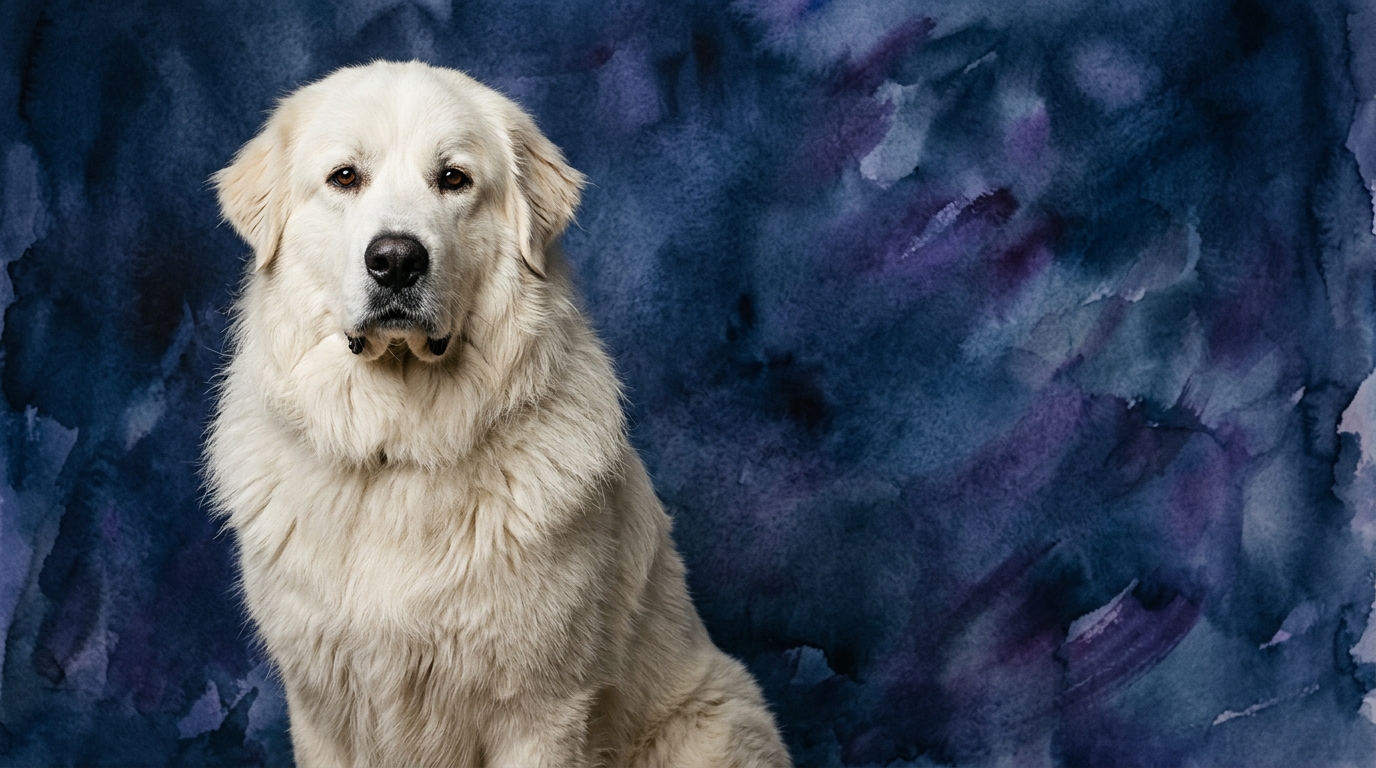
The **Great Pyrenees** (Coren rank #64), a majestic working dog, exhibits a cognitive profile deeply rooted in its independent guardian heritage. Its Problem Solving (3/5) is often applied to assessing environmental threats and devising solutions to protect its charges, rather than solving human-designed puzzles. Training Speed (3/5) indicates they can learn commands, but their independent nature means they process information with a strong sense of self-direction, requiring patience. Social Intelligence (3/5) is characterized by a discerning awareness of its family unit and potential dangers, rather than a need for constant interaction. Its Instinctive Drive (3/5) is powerfully geared towards vigilance, territorial defense, and protection. Memory (3/5) is robust for recalling safe territories, familiar individuals, and past threats, contributing to consistent guardianship.
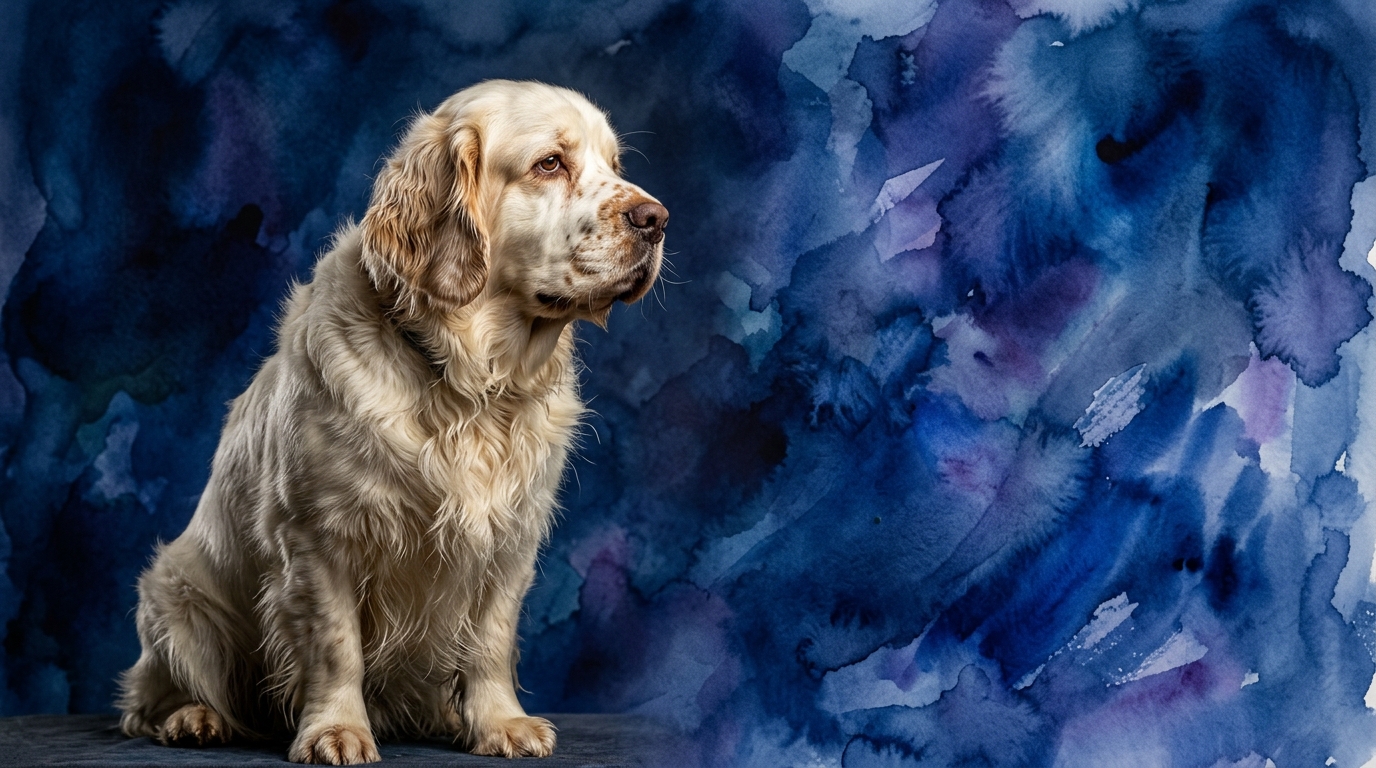
The **Clumber Spaniel** (Coren rank #55), a distinguished sporting dog, presents a cognitive profile shaped by its role as a methodical flushing retriever. Its Problem Solving (3/5) shines in tasks requiring persistence and exploration, such as navigating dense cover or strategizing how to locate game. Training Speed (3/5) reflects their generally eager-to-please nature and responsiveness to positive reinforcement, making them capable learners. Social Intelligence (3/5) is often expressed as a gentle, sensitive disposition, forming strong bonds and being attuned to human moods. Their Instinctive Drive (3/5) is dominated by a strong scent drive and a natural inclination to flush and retrieve. Memory (3/5) is effective for recalling learned commands, specific scent trails, and the locations of retrieves, aiding in repetitive, task-oriented work.
Where the Great Pyrenees Excels Cognitively
The Great Pyrenees' cognitive strengths are deeply rooted in its historical role as an independent livestock guardian. Their problem-solving abilities, rated 3/5, shine in scenarios requiring autonomous decision-making in complex, dynamic environments. For instance, assessing whether a strange animal poses a threat to their charge and deciding on the appropriate response, from a warning bark to intervention, demonstrates a nuanced application of their mental faculties without direct human instruction. This differs significantly from a breed whose problem-solving is geared towards human-directed tasks, highlighting their capacity for independent judgment.
Their social intelligence (3/5) is less about seeking constant approval and more about discerning intent. A Pyrenees can often 'read' a situation, distinguishing between a friendly visitor and a potential intruder based on subtle cues, showcasing a sophisticated understanding of their environment and the creatures within it. This discernment is critical for their guardian role, allowing them to act as a living alarm system and protector. Their memory (3/5) supports this by recalling past interactions, safe zones, and potential dangers over extended periods, contributing to their consistent vigilance and ability to anticipate threats.
Where the Clumber Spaniel Demonstrates Cognitive Prowess
The Clumber Spaniel, with its 3/5 problem-solving score, showcases its intellect in tasks requiring sustained focus and methodical execution, particularly those related to its sporting heritage. Navigating dense undergrowth to locate game, using scent discrimination to follow a specific trail, and strategizing the best way to retrieve a fallen bird all exemplify their unique application of problem-solving. This isn't about independent decision-making against threats, but rather persistent, goal-oriented work in partnership with a human, often requiring intricate spatial reasoning and sensory processing for success.
Their social intelligence (3/5) is often expressed as a strong desire for companionship and a keen sensitivity to their handler's cues and moods. This facilitates a high degree of cooperative learning and a willingness to engage in structured activities. Coupled with their training speed (3/5), which reflects their readiness to absorb and apply commands, Clumber Spaniels demonstrate a cognitive profile geared towards partnership. Their memory (3/5) is particularly effective for recalling specific training sequences, scent patterns, and the location of objects, making them highly effective in repetitive, task-oriented roles where consistency is key.
Ease of Training: Independence vs. Cooperation
Both breeds score 3/5 in training speed, yet their training experiences can differ significantly due to their inherent temperaments and historical roles. The Great Pyrenees' strong instinctive drive (3/5) for independent guarding means they often process commands through the lens of their primary purpose. They might understand a command perfectly but choose not to execute it if it conflicts with their perceived duty or if they deem it unnecessary. This doesn't indicate a lack of comprehension but rather a strong will and a history of self-reliance. Training a Pyrenees often requires immense patience, consistency, and a deep understanding of their guardian mindset, focusing on building trust and making commands align with their natural inclinations.
In contrast, the Clumber Spaniel's sporting background fosters a stronger desire for cooperative work. Their social intelligence (3/5) makes them generally more eager to please and responsive to their human's guidance. While they also possess a strong instinctive drive (3/5) for scent work and retrieving, this drive is often channeled *through* human direction rather than in opposition to it. Their training speed (3/5) benefits from their willingness to engage and their methodical approach to tasks. This means that while both breeds learn at a similar pace, the Clumber Spaniel is often perceived as 'easier' to train due to their inherent desire to collaborate and their less independent decision-making tendencies, making them more pliable in structured environments.
Tailoring to Lifestyles: Active Engagement vs. Relaxed Vigilance
When considering which breed aligns with an owner's lifestyle, their cognitive profiles offer clear guidance. The Great Pyrenees, with its deep-seated instinctive drive (3/5) for vigilance and protection, thrives in environments where it can exercise its perceived duties. This doesn't necessarily mean high-intensity physical activity, but rather a large, secure space to patrol and monitor, and a family it can bond with and protect. Owners who appreciate a dog with a strong sense of purpose, an independent streak, and a calm, watchful presence will find a Pyrenees rewarding. Their problem-solving (3/5) is often applied to their environment, making them content observing rather than constantly being directed.
The Clumber Spaniel, on the other hand, while not hyperactive, benefits from owners who can engage their instinctive drive (3/5) for scent work and retrieving. Regular, moderate exercise that includes sniffing games, short retrieves, or structured walks where they can explore with their nose will satisfy their cognitive and physical needs. Their higher Coren rank (#55 vs #64) and cooperative nature mean they often enjoy interactive training sessions and mental stimulation from puzzle toys or obedience work. Owners who enjoy partnership in activities, a gentle companion, and a dog that is generally more amenable to direction will find the Clumber Spaniel a delightful fit, thriving on shared experiences.
The Verdict
Choose the Great Pyrenees if you seek an independent, watchful companion for a secure, spacious environment, valuing their self-reliant protective instincts and calm, observant nature.
Opt for the Clumber Spaniel if you prefer a cooperative, gentle companion who enjoys interactive engagement, moderate activity, and mental stimulation through scent work and partnership.
🧠 Find Your Pet's IQ Score
Our Pet IQ Lab assessment covers 25+ tests across 5 cognitive dimensions — personalized to your breed.
Take the Full IQ Test →Frequently Asked Questions
Do Great Pyrenees and Clumber Spaniels have similar intelligence levels?
According to our Pet IQ Lab metrics, both breeds score 3/5 across all five cognitive dimensions. However, their intelligence manifests differently based on their historical roles, with Pyrenees showing independent problem-solving and Clumbers excelling in cooperative tasks.
Which breed is better for first-time dog owners?
The Clumber Spaniel, with its more cooperative nature and eagerness to please, is generally considered more manageable for first-time owners. The Great Pyrenees' independent streak and guardian instincts require more experience and a dedicated understanding of their unique temperament.
How do their instinctive drives differ in daily life?
A Great Pyrenees' instinctive drive centers on territorial protection and vigilance, leading to behaviors like barking at perceived threats and patrolling their domain. A Clumber Spaniel's drive focuses on scent work and retrieving, often manifesting as an enjoyment of sniffing walks and carrying objects.