Side-by-Side IQ Profile: Great Pyrenees vs. Curly-Coated Retriever
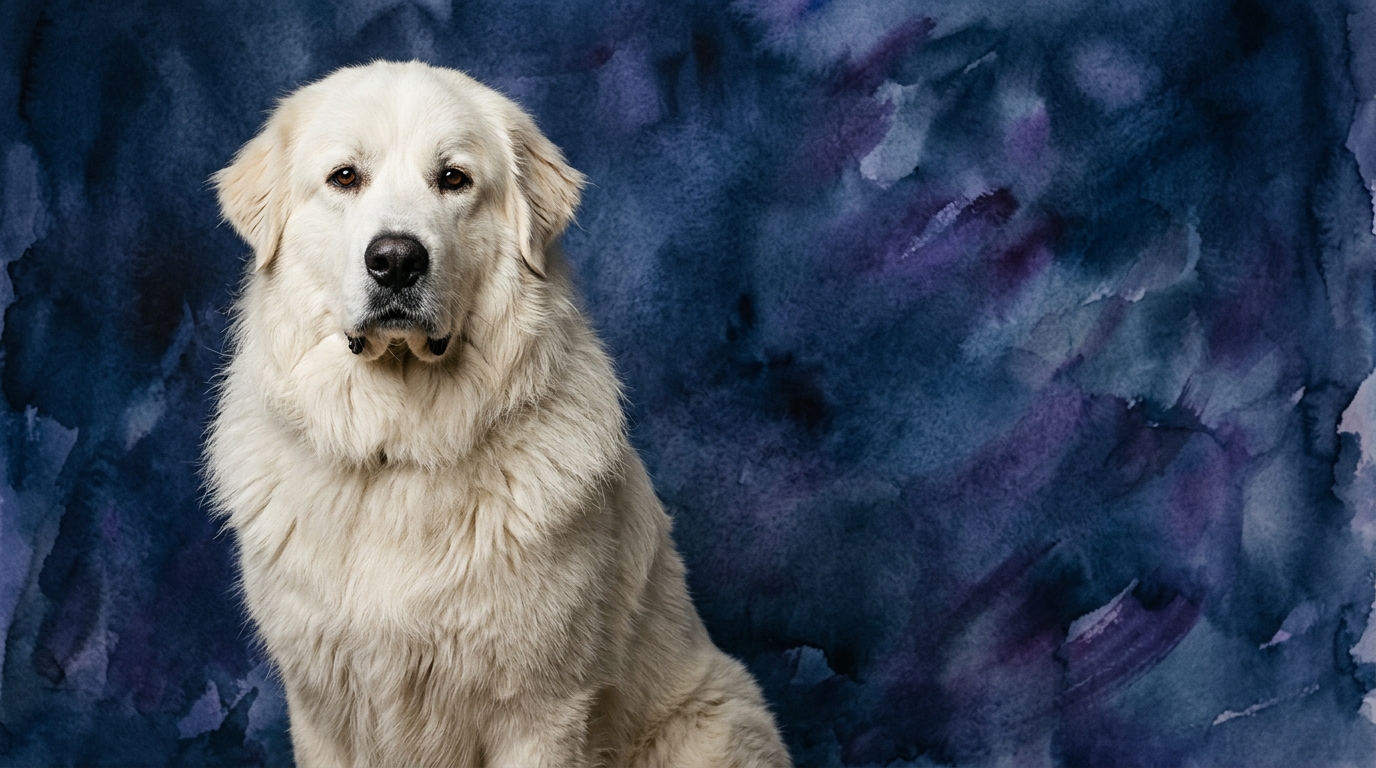
The Great Pyrenees, a Working breed with a Coren ranking of #64, exhibits a cognitive makeup finely tuned for its guardian role. Their Problem Solving is rated 3/5, characterized by a deliberate, independent approach to challenges, often focusing on practical threat assessment rather than complex manipulation. Training Speed for the Pyrenees is 3/5; they learn at a moderate pace, but their independence necessitates consistent, patient, and positive reinforcement, as their motivation isn't always to please but to understand a command's utility within their duties. Social Intelligence stands at 3/5, showcasing a calm, observant demeanor adept at reading environments and intentions within their territory, tempered by reserved self-reliance. Their Instinctive Drive is 3/5, primarily channeled into deep-seated guarding behaviors, patrolling boundaries, and alerting to novel stimuli, which can sometimes override commands if a threat is perceived. Finally, their Memory is 3/5, allowing them to retain learned commands, routines, and the identities of their social circle, contributing to their consistent guardian role.
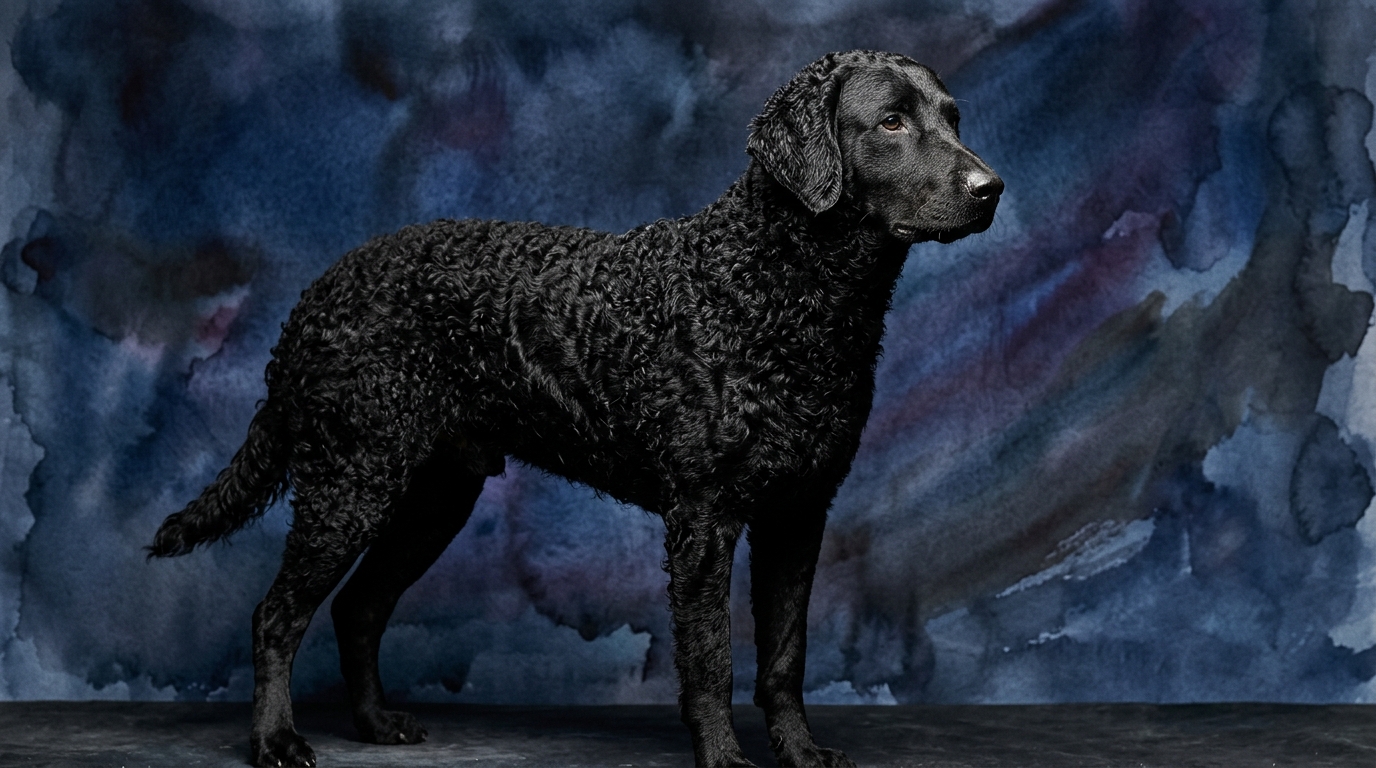
In contrast, the Curly-Coated Retriever, a Sporting breed with a Coren ranking of #41, presents a cognitive profile optimized for active collaboration and retrieval tasks. Their Problem Solving is 3/5, similar to the Pyrenees, but their approach is often driven by retrieving instincts, employing physical dexterity and persistence to access objects or overcome obstacles in a task-oriented manner. Training Speed is 3/5; they also learn at a moderate pace. While possessing a strong desire to work and please, their independent streak and occasional stubbornness mean training requires engaging methods and positive reinforcement to maintain focus and enthusiasm, thriving on variety and purpose. Social Intelligence is 3/5, generally making them perceptive of human moods and social cues, forming strong family bonds, though they are typically reserved with strangers. Their Instinctive Drive is 3/5, primarily focused on their retrieving and sporting heritage, manifesting as a powerful urge to fetch, swim, and work alongside their human companions, exhibiting endurance in field activities. The Curly-Coated Retriever truly shines in Memory, scoring 4/5, allowing them to recall complex sequences of commands, retrieve locations, and remember individuals with impressive accuracy, a significant asset in their working roles.
Where the Great Pyrenees Wins Cognitively
The Great Pyrenees' cognitive strength lies in its profound ability for independent judgment and situational awareness, crucial for a livestock guardian. While their problem-solving scores 3/5, its application is unique: they excel at assessing dynamic, real-world threats without constant human direction. Their social intelligence, also 3/5, manifests as a nuanced understanding of territory and subtle cues, enabling critical, autonomous decisions. This practical, self-directed intellect, rooted in their instinctive drive to protect, is where their cognitive profile truly shines, allowing them to anticipate and neutralize threats with watchful resolve.
Where the Curly-Coated Retriever Wins Cognitively
The Curly-Coated Retriever's primary cognitive advantage is its superior memory, scoring 4/5 compared to the Great Pyrenees' 3/5. This enhanced recall is invaluable for remembering complex retrieving patterns, marking fallen birds in challenging terrain, and retaining a broad repertoire of commands over extended periods. Their moderate problem-solving (3/5) and instinctive drive (3/5) are synergistically supported by this robust memory, allowing them to efficiently execute multi-step tasks and adapt strategies based on past successes. This strong memory underpins their reliability and precision in demanding field work.
Which is Easier to Train, and Why?
Both breeds score 3/5 in training speed, indicating neither is inherently "easy," but their motivations differ significantly. The Curly-Coated Retriever, with its sporting heritage and superior memory (4/5), generally desires collaborative work. This makes them more responsive to positive reinforcement and structured training, especially when activities align with their retrieving instincts. While their independence can manifest as stubbornness, their drive to please and ability to remember complex sequences facilitate advanced obedience with engaging, consistent methods.
The Great Pyrenees, despite a 3/5 training speed, is an independent guardian. Their motivation isn't human approval, but intrinsic duty. Training a Pyrenees involves demonstrating how a command serves their perceived purpose. They may be slower to respond to commands deemed arbitrary, requiring more patience and a deep understanding of their guardian mindset. Their compliance stems from thoughtful consideration, not eager obedience, posing a challenge for trainers seeking immediate, enthusiastic responses. A respectful, trust-based partnership is crucial for their training.
Which Suits Active Owners vs. Relaxed Owners?
For active owners seeking a canine partner for sports, outdoor adventures, or intricate tasks, the Curly-Coated Retriever is the more suitable choice. Their sporting background imbues them with the stamina, drive (3/5 instinctive drive), and desire for engagement that thrives on regular physical and mental stimulation. They excel in activities like dock diving, agility, and field work, where their retrieving instincts and strong memory (4/5) are fully utilized. An active owner will appreciate their eagerness to participate and robust nature, making them a fantastic companion for a dynamic lifestyle with purposeful exercise and training.
Conversely, for owners seeking a more relaxed, yet watchful and devoted companion, the Great Pyrenees might be a better fit. While requiring regular exercise, their activity levels are generally lower than a Retriever's, preferring calm patrolling and observant lounging. Their independence and moderate instinctive drive (3/5, focused on guarding) mean they are content to oversee their domain and family with a quiet presence. Their energy expenditure is typically more measured and less demanding for constant human interaction. A relaxed owner who appreciates a serene, self-reliant presence and is prepared for occasional protective alerts will find a deeply loyal companion.
The Verdict
Opt for the Great Pyrenees if you seek an independent, watchful guardian with a calm demeanor, requiring moderate exercise and appreciating a self-reliant companion. This breed excels in providing a sense of security and serene companionship for owners who value quiet devotion and a dog capable of making autonomous decisions.
Select the Curly-Coated Retriever if you lead an active lifestyle and desire a robust, engaging partner for sports, outdoor adventures, or intricate training. Their strong memory and desire for purposeful activity make them ideal for owners who can provide consistent mental and physical stimulation.
🧠 Find Your Pet's IQ Score
Our Pet IQ Lab assessment covers 25+ tests across 5 cognitive dimensions — personalized to your breed.
Take the Full IQ Test →Frequently Asked Questions
Do Great Pyrenees or Curly-Coated Retrievers adapt better to apartment living?
Neither breed is ideally suited for small apartment living due to their size and needs. The Great Pyrenees requires space to patrol and observe, while the Curly-Coated Retriever needs room for active play and exercise, making both more comfortable in homes with yards.
Which breed is more prone to destructive behaviors if not adequately stimulated?
The Curly-Coated Retriever is more likely to exhibit destructive behaviors like chewing or excessive barking if their needs for physical exercise and mental engagement are not met. Their moderate instinctive drive and memory necessitate regular stimulation to prevent boredom.
How do their social intelligence scores of 3/5 translate to interactions with children?
Both breeds can be wonderful with children, but their 3/5 social intelligence means supervision is always wise. The Great Pyrenees is typically patient and protective, while the Curly-Coated Retriever is often playful and tolerant, though reserved around unfamiliar children.