Side-by-Side Cognitive Profiles
At first glance, the Pet IQ Lab scores for both the Great Pyrenees and the Dandie Dinmont Terrier appear identical across all five dimensions: Problem Solving (3/5), Training Speed (3/5), Social Intelligence (3/5), Instinctive Drive (3/5), and Memory (3/5). However, these numerical equivalencies mask profound differences in how each breed manifests and utilizes these cognitive abilities, shaped by centuries of distinct selective breeding for vastly different purposes. The Great Pyrenees, a Working breed, holds a Coren rank of #64, suggesting a moderate working and obedience intelligence, while the Dandie Dinmont Terrier, a Terrier breed, does not appear on the standard Coren ranking, highlighting its perhaps more niche and independent cognitive functions.
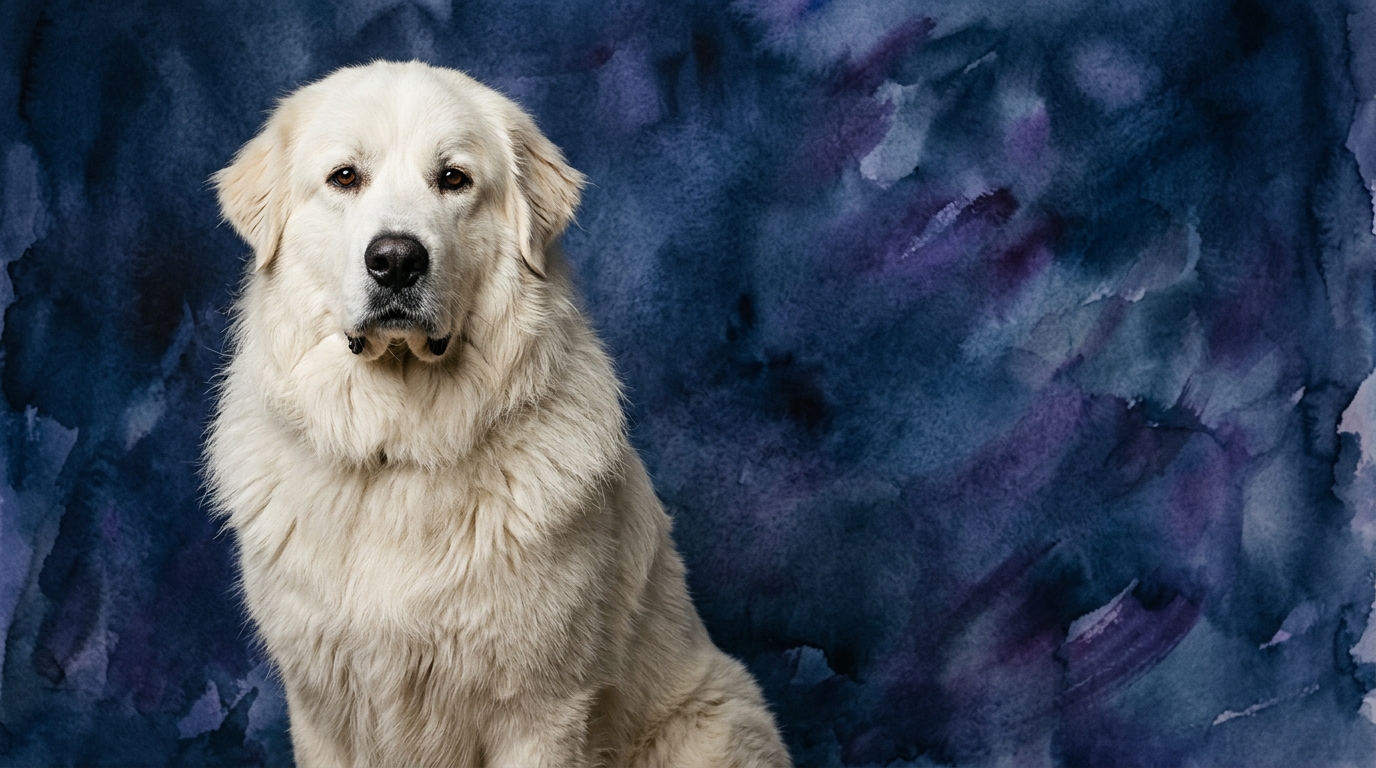
For the Great Pyrenees, a Problem Solving score of 3/5 reflects their capacity for independent decision-making in protecting livestock, often without direct human command, requiring them to assess threats and respond appropriately. Their 3/5 Training Speed indicates a steady but thoughtful learning pace, often prioritizing their guardian instincts over immediate obedience. Social Intelligence at 3/5 speaks to their nuanced understanding of flock dynamics and subtle communication with their charges, alongside a reserved demeanor towards strangers. An Instinctive Drive of 3/5 is deeply rooted in their protective, territorial nature, while a Memory score of 3/5 supports their ability to recall patrol routes and identify familiar flock members or potential threats.
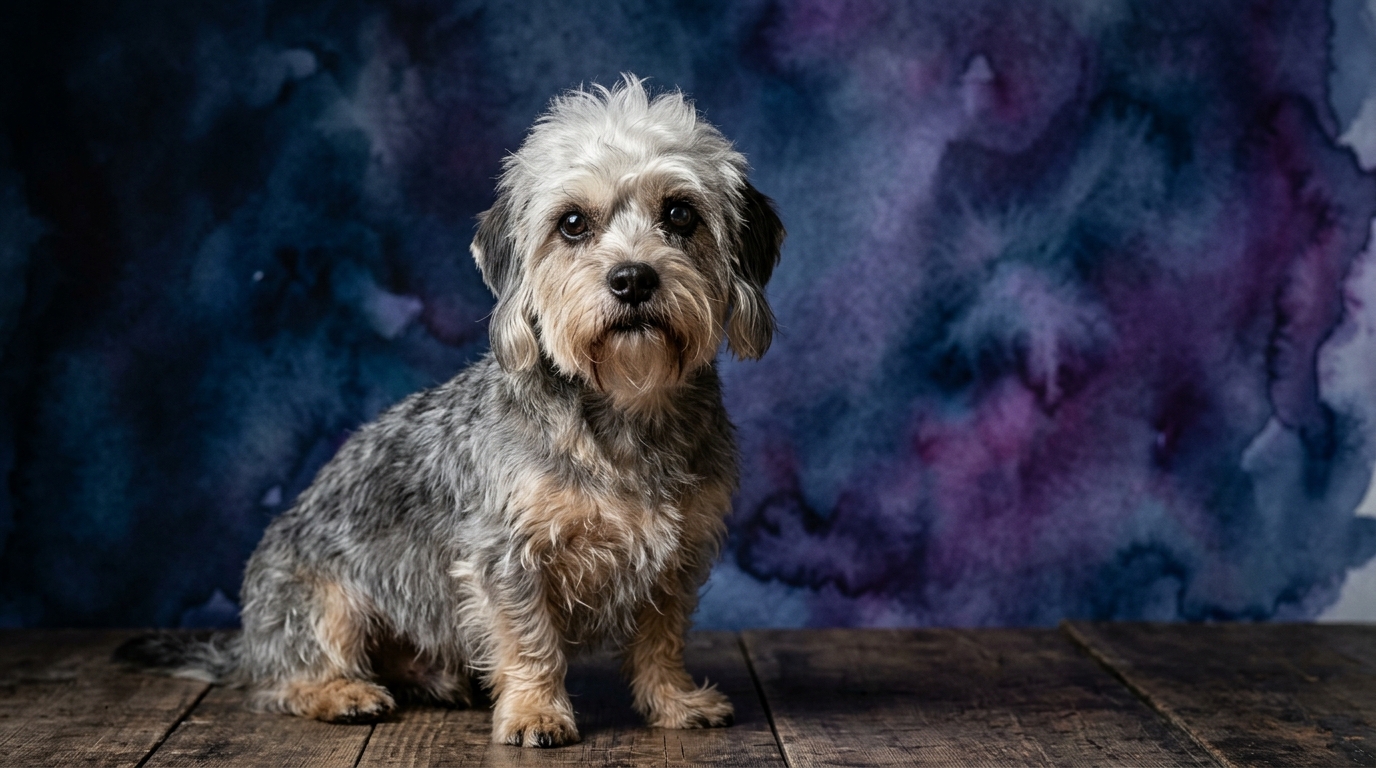
The Dandie Dinmont Terrier, despite sharing the same 3/5 scores, applies its intellect differently. Its Problem Solving at 3/5 is geared towards independent hunting, like figuring out how to navigate complex underground spaces or outsmarting small prey. A 3/5 Training Speed reflects a moderate learning ability, but one often tempered by the characteristic terrier tenacity and independence, which can make consistent compliance a patient endeavor. Social Intelligence at 3/5 in this breed typically manifests as a keen awareness of its human family, combined with a confident and sometimes feisty interaction style with other animals. Its Instinctive Drive of 3/5 is strongly tied to its prey drive and determination in pursuit, and a 3/5 Memory score aids in recalling scent trails and the locations of burrows or previous hunting successes.
Where the Great Pyrenees Excels Cognitively
The Great Pyrenees' cognitive strengths are inextricably linked to its historical role as a livestock guardian. Its problem-solving prowess shines brightest in autonomous decision-making within its territory. Faced with a potential predator, a Pyrenees won't wait for a human command; it independently assesses the threat, applying learned and instinctive deterrent behaviors ranging from barking and posturing to direct confrontation. This contrasts sharply with many breeds that rely on handler cues, demonstrating a superior capacity for self-directed threat management. Their social intelligence, while not overtly effusive with humans, is finely tuned to the subtle cues of their flock, understanding the vulnerability of lambs or the distress of a ewe, and responding with appropriate protective actions.
Furthermore, the Pyrenees' instinctive drive for territorial vigilance and protection is unparalleled. This isn't merely a high energy level but a deep-seated cognitive program for monitoring their environment, identifying anomalies, and maintaining order within their domain. This constant, low-level cognitive processing of their surroundings, coupled with a memory for routine and territory boundaries, allows them to maintain a vast, secure perimeter. Their cognitive framework is designed for vigilance and patient observation, punctuated by decisive, independent action when necessary, a complex blend of intelligence that few other breeds possess to the same degree.
Where the Dandie Dinmont Terrier Excels Cognitively
The Dandie Dinmont Terrier's cognitive advantages are rooted in its terrier heritage: a relentless drive and ingenuity for hunting small game. Its problem-solving skills are particularly evident in complex environments, such as navigating underground tunnels or tight spaces to pursue prey. This involves spatial reasoning and persistent effort to overcome obstacles, often requiring multiple attempts or different approaches until the objective is met. Unlike the Pyrenees' broad, territorial problem-solving, the Dandie's is intensely focused and granular, dedicated to a specific task with immense tenacity.
The Dandie's instinctive drive is a concentrated burst of focused energy and determination. While the Pyrenees patrols and observes, the Dandie charges forward with singular purpose, driven by scent and the thrill of the chase. This powerful instinctive drive fuels its memory for intricate scent trails, allowing it to retrace steps or follow complex paths with precision. Its social intelligence, while expressed differently than a guardian, is adept at engaging its human companions in spirited play and interaction, often using its cognitive abilities to 'work' its family for attention or desired outcomes, showcasing a charming manipulative intelligence within its social sphere.
Training Aptitude: Pyrenees Patience vs. Terrier Tenacity
Despite both breeds scoring 3/5 in Training Speed, the practical experience of training a Great Pyrenees versus a Dandie Dinmont Terrier is remarkably different due to their inherent behavioral patterns. The Great Pyrenees, bred for independent guardian work, often questions commands or performs them at its own pace, prioritizing what it perceives as its primary duty – guarding – over human directives. This isn't a lack of understanding but a deep-seated independent streak; a Pyrenees might understand 'sit' but choose not to if it feels it needs to observe the perimeter. Training requires immense patience, clear communication, and an understanding that their primary motivation is not always human approval, but rather the perceived security of their charges. Positive reinforcement and building a strong, trusting relationship are paramount to gently guide their natural instincts.
The Dandie Dinmont Terrier, while equally independent, presents a different training challenge. Its terrier tenacity means it can be stubborn, easily distracted by interesting scents or sights, and prone to following its own agenda if it finds something more engaging. A Dandie might understand 'come' but choose to ignore it if a squirrel or a compelling scent trail is present. Their problem-solving is often applied to getting what they want, which can sometimes be at odds with training objectives. Consistent, short, engaging training sessions using high-value rewards work best, focusing on channeling their prey drive and determination into productive tasks rather than trying to suppress it entirely. Both breeds require an owner who appreciates their unique cognitive frameworks and adapts training methods accordingly, rather than expecting immediate, robotic obedience.
Lifestyle Suitability: Active Engagement vs. Thoughtful Stewardship
When considering lifestyle, the Great Pyrenees generally suits owners who appreciate a thoughtful, independent companion and have ample space. While not a breed that requires intense, high-impact exercise like a Border Collie, they thrive with a purpose, often fulfilled by patrolling a large yard or property. Their 'active' requirement is more about mental engagement in their guardian role and having space to observe and monitor, rather than structured physical exertion like agility or long runs. They are content with a relaxed indoor demeanor once their outdoor duties are satisfied, making them suitable for owners who enjoy a calm presence indoors but can provide a stimulating outdoor environment where their guardian instincts can flourish. They are not ideal for small apartments or purely sedentary lifestyles, as their protective instincts need an outlet.
The Dandie Dinmont Terrier, conversely, suits owners who are prepared for consistent, moderate activity and mental engagement. Their problem-solving skills and instinctive drive for pursuit mean they benefit from regular walks where they can sniff and explore, along with engaging playtime and puzzle toys. While they are smaller, their energy is concentrated and persistent, requiring an owner who can provide consistent mental and physical outlets for their terrier instincts. They can adapt well to urban or suburban living, provided their need for consistent engagement and opportunities to 'hunt' (even if it's just finding hidden treats) is met. They are less suited for owners who prefer a purely sedentary companion, as their cognitive needs demand interaction and stimulation to prevent boredom and potential mischievousness.
The Verdict: Choosing Your Canine Companion
The Verdict
Choose the Great Pyrenees if you seek an independent, thoughtful guardian for a larger property, valuing a dog that makes its own decisions regarding protection and thrives with space to patrol. They are ideal for owners who understand and respect a dog's inherent drive to secure its territory and charges.
Opt for the Dandie Dinmont Terrier if you desire a tenacious, spirited companion for an active lifestyle, enjoying a dog whose problem-solving is geared towards focused tasks and whose intelligence provides constant, engaging interaction. They suit owners who appreciate a confident personality in a compact package.
🧠 Find Your Pet's IQ Score
Our Pet IQ Lab assessment covers 25+ tests across 5 cognitive dimensions — personalized to your breed.
Take the Full IQ Test →Frequently Asked Questions
Do Great Pyrenees learn quickly?
Great Pyrenees have a Training Speed score of 3/5, indicating a moderate learning pace. They are not the fastest learners in terms of rote obedience, often preferring to act on their own judgment rather than immediate commands, which requires patient and consistent training methods.
Are Dandie Dinmont Terriers good problem solvers?
Yes, Dandie Dinmont Terriers score 3/5 in Problem Solving, excelling in tasks requiring tenacity and ingenuity, particularly when pursuing scents or navigating complex spaces. Their intelligence is focused on overcoming obstacles to achieve a goal, often related to their hunting instincts.
How do their social intelligence scores compare despite being the same?
Both breeds score 3/5 in Social Intelligence, but they apply it differently: the Great Pyrenees uses it for nuanced communication and protection within its flock, while the Dandie Dinmont Terrier uses its social acumen for spirited interaction with its human family and confident engagement with its environment.