Side-by-Side IQ Profile: Guardian vs. Hunter
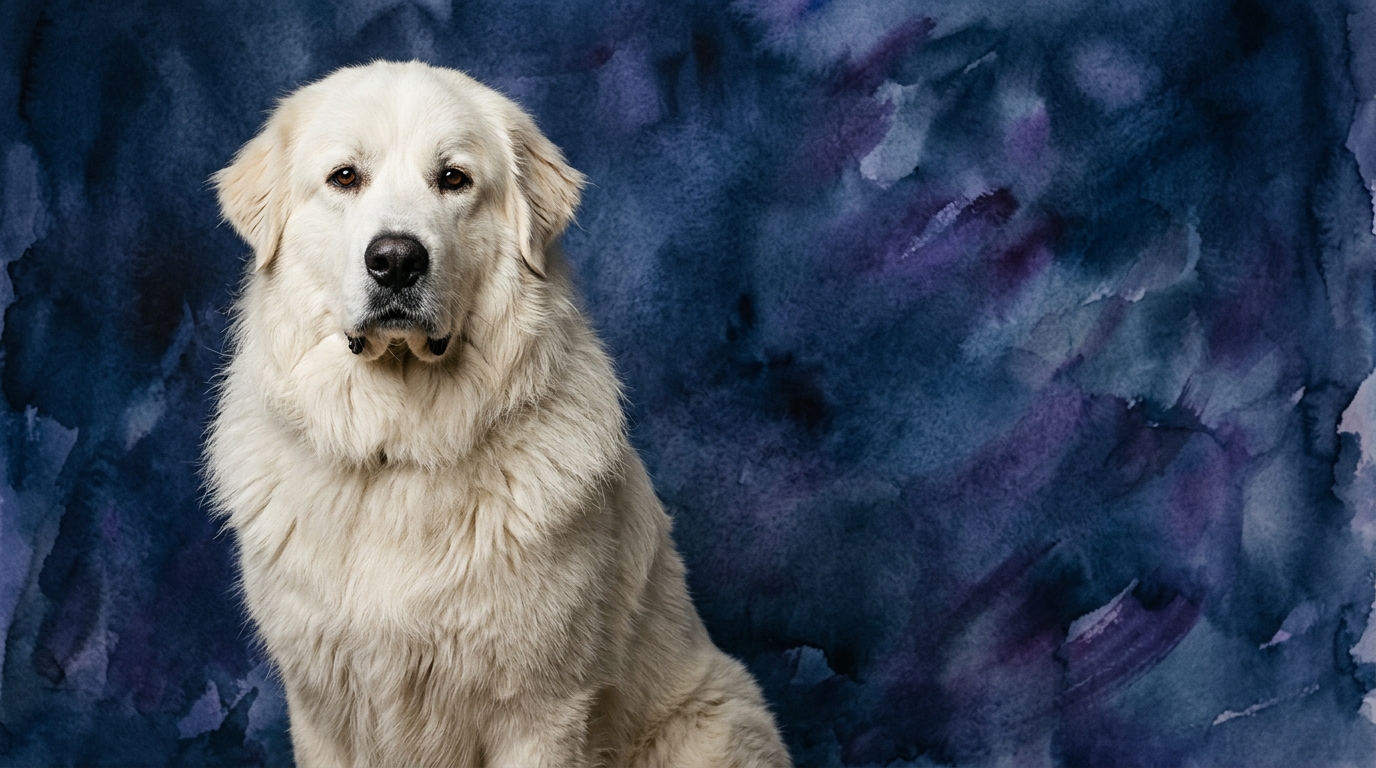
The Great Pyrenees, a majestic guardian breed with a Coren ranking of #64, exhibits a particular type of cognitive prowess honed by centuries of independent livestock protection. Their Problem Solving score of 3/5 reflects an ability to independently assess and mitigate threats to their flock, rather than solving complex puzzles on command. This involves nuanced judgment, like distinguishing a curious hiker from a predatory animal, and reacting appropriately without explicit human direction. Their Training Speed, also at 3/5, suggests they are capable learners but often deliberate, prioritizing their independent thought process over rapid, rote compliance. Commands are often perceived as suggestions if they conflict with their perceived duty.
Social Intelligence for the Great Pyrenees, rated 3/5, manifests as acute awareness of their flock's dynamics and subtle communication with both animals and humans. They are observant, discerning friend from foe, and utilize a calm, watchful demeanor as a primary deterrent. Their Instinctive Drive, a solid 3/5, is overwhelmingly geared towards guarding, territoriality, and vigilance. This deeply ingrained drive to protect is paramount, shaping much of their behavior and cognitive focus. Finally, their Memory, also 3/5, allows them to recall threats, safe zones, and routines within their extensive territories, ensuring consistent and reliable protection over time.
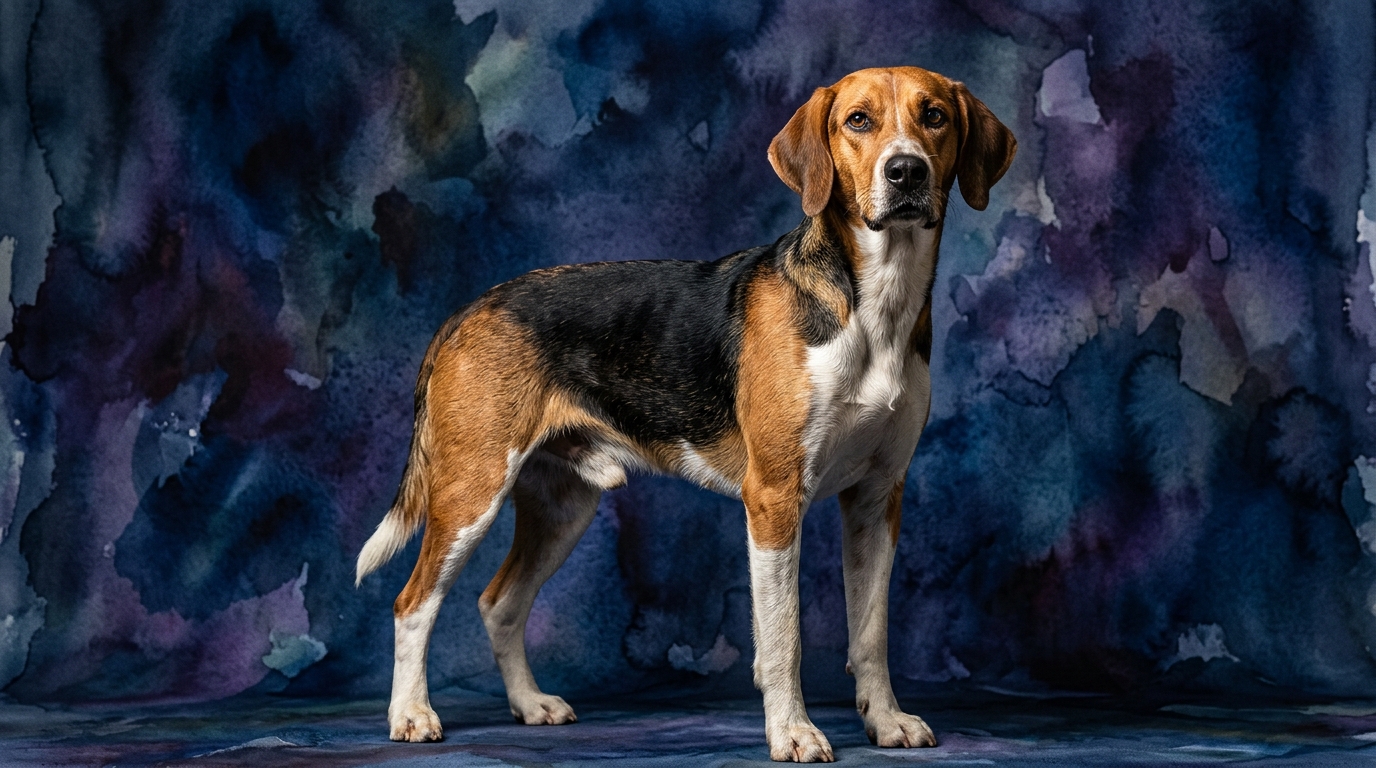
The English Foxhound, a tireless member of the Hound group and not Coren-ranked, showcases a different but equally compelling cognitive profile, sculpted by the demands of the chase. Their Problem Solving ability, rated 3/5, is a strategic approach to the hunt. This involves navigating challenging terrain, deducing complex scent patterns, and coordinating vocally and physically with a pack to achieve a shared objective—the essence of a successful hunt. Training Speed, at 3/5, indicates they can learn commands, especially those related to their hunting tasks, but their powerful independent drive, once a scent is caught, often overrides immediate obedience. Consistent, highly motivating training is key.
The English Foxhound's Social Intelligence, also 3/5, is finely tuned for pack dynamics. They are highly attuned to their fellow hounds and human hunt masters, understanding hierarchy and cooperative strategies crucial for group hunting. Their Instinctive Drive, a robust 3/5, is dominated by an overwhelming prey drive, an unparalleled scenting ability, immense stamina, and characteristic vocalization. The drive to pursue a scent is their primary motivator. Their Memory, also 3/5, is particularly strong for recalling intricate scent patterns, established routes, and specific hunting signals, all vital components for sustained, effective tracking.
Where the Great Pyrenees Excels Cognitively
The Great Pyrenees' cognitive strength lies in their capacity for autonomous decision-making within complex, dynamic environments. Unlike breeds that excel at rapid command execution, the Pyrenees thrives on independent judgment, particularly when assessing and responding to potential threats without direct human intervention. This 'guardian intellect' involves a sophisticated understanding of their territory and charges, allowing them to initiate appropriate, measured responses to perceived dangers, from a subtle warning bark to a more assertive stance.
Their social intelligence, while not always expressed through overt displays of affection, provides them with an exceptional ability to read situations and individuals. They possess a calm, observational intelligence that enables them to differentiate between harmless passersby and genuine threats, making them remarkably discerning protectors. This subtle but profound cognitive skill is essential for a breed whose primary role is to deter rather than actively pursue, relying on presence and thoughtful assessment over raw speed or aggression.
Where the English Foxhound Excels Cognitively
The English Foxhound's cognitive edge is defined by its relentless focus and specialized problem-solving within the context of the chase. Their ability to maintain singular concentration on a scent trail, often for hours over varied and challenging terrain, showcases a remarkable form of sustained cognitive effort. This isn't merely instinct; it involves an interpretive intelligence to decipher complex scent data, follow intricate paths, and adapt their strategy based on environmental cues and the movements of their quarry.
Furthermore, their social intelligence within a pack setting is a significant cognitive advantage. English Foxhounds are adept at cooperative hunting, understanding and responding to the vocalizations and actions of their fellow hounds and human handlers. This synchronized effort requires a keen awareness of their role within the group and an ability to contribute to a shared objective, distinguishing them as highly effective team players in their specialized field.
Trainability: A Tale of Two Temperaments
When considering trainability, neither the Great Pyrenees nor the English Foxhound are typically described as 'eager to please' in the way some obedience-focused breeds might be. Their 3/5 training speed scores reflect this, indicating they are capable of learning but often require specific approaches. The Great Pyrenees' independence is their primary 'training challenge.' They are thinkers, not automatons, and may weigh a command against their own assessment of the situation. Training requires immense patience, consistency, and a deep understanding of their guardian motivations; they respond best to gentle, positive reinforcement that respects their thoughtful nature, rather than forceful demands.
The English Foxhound's challenge stems from their powerful instinctive drive. Once a captivating scent is engaged, their world narrows to that singular pursuit, making recall or attention to other commands incredibly difficult. Training must either harness this drive, integrating it into activities like scent work or tracking, or provide extraordinarily compelling alternatives to divert their focus. Consistency is crucial, as is early socialization and exposure to a variety of environments to help them generalize commands beyond the excitement of the hunt. Neither breed is a candidate for quick, flashy obedience titles without dedicated, breed-specific training strategies.
Matching Breeds to Lifestyles: Active vs. Relaxed Owners
For owners seeking a more relaxed pace, the Great Pyrenees can be a suitable companion, provided their specific needs are met. While not requiring intense, structured exercise sessions, they do need a secure, spacious territory to patrol, which serves as both physical activity and mental stimulation. Owners must be relaxed in their expectations for high-energy antics but active in providing consistent, gentle guidance and a safe environment where their guardian instincts can be appropriately expressed. They are not suited for apartment living due to their size and territorial nature, thriving instead on properties where they can observe and survey.
Conversely, the English Foxhound is unequivocally a breed for active owners. Their immense stamina and profound instinctive drive demand extensive, vigorous daily exercise. This isn't just a walk around the block; it means long runs, hikes, or structured activities that allow them to burn off energy and satisfy their deep-seated desire to explore with their nose. Owners must be prepared for a dog with boundless energy who will thrive in environments where they can engage in prolonged physical activity, making them ill-suited for sedentary lifestyles or confined spaces.
The Verdict
Choose a Great Pyrenees if you seek a calm, independent, and watchful guardian for a secure property or family, appreciating a dog that thinks for itself and doesn't require constant, direct command.
Opt for an English Foxhound if you are a highly active owner who can provide ample structured exercise, appreciate a dog with immense stamina and a focused drive, and are prepared for the challenges of a scent hound's singular purpose.
🧠 Find Your Pet's IQ Score
Our Pet IQ Lab assessment covers 25+ tests across 5 cognitive dimensions — personalized to your breed.
Take the Full IQ Test →Frequently Asked Questions
Do Great Pyrenees or English Foxhounds make better apartment dogs?
Neither breed is ideally suited for apartment living due to their inherent needs. Great Pyrenees require space to patrol and can be vocal guardians, while English Foxhounds need extensive outdoor exercise and room to run, often baying loudly when stimulated. Both thrive in environments with ample secure outdoor access.
Are these breeds generally good with children?
With proper socialization and training, both breeds can be good with children, though their approaches differ. Great Pyrenees are often gentle and watchful protectors of their family, while English Foxhounds, if well-exercised, can be playful and tolerant, though their exuberance might be much for very young children. Supervision is always key.
What are the primary exercise needs for each breed?
The Great Pyrenees needs moderate, consistent exercise, often satisfied by patrolling a large yard or a daily walk, rather than intense bursts of activity. The English Foxhound, conversely, requires vigorous, prolonged exercise daily, ideally involving running or activities that engage its strong prey drive and stamina.