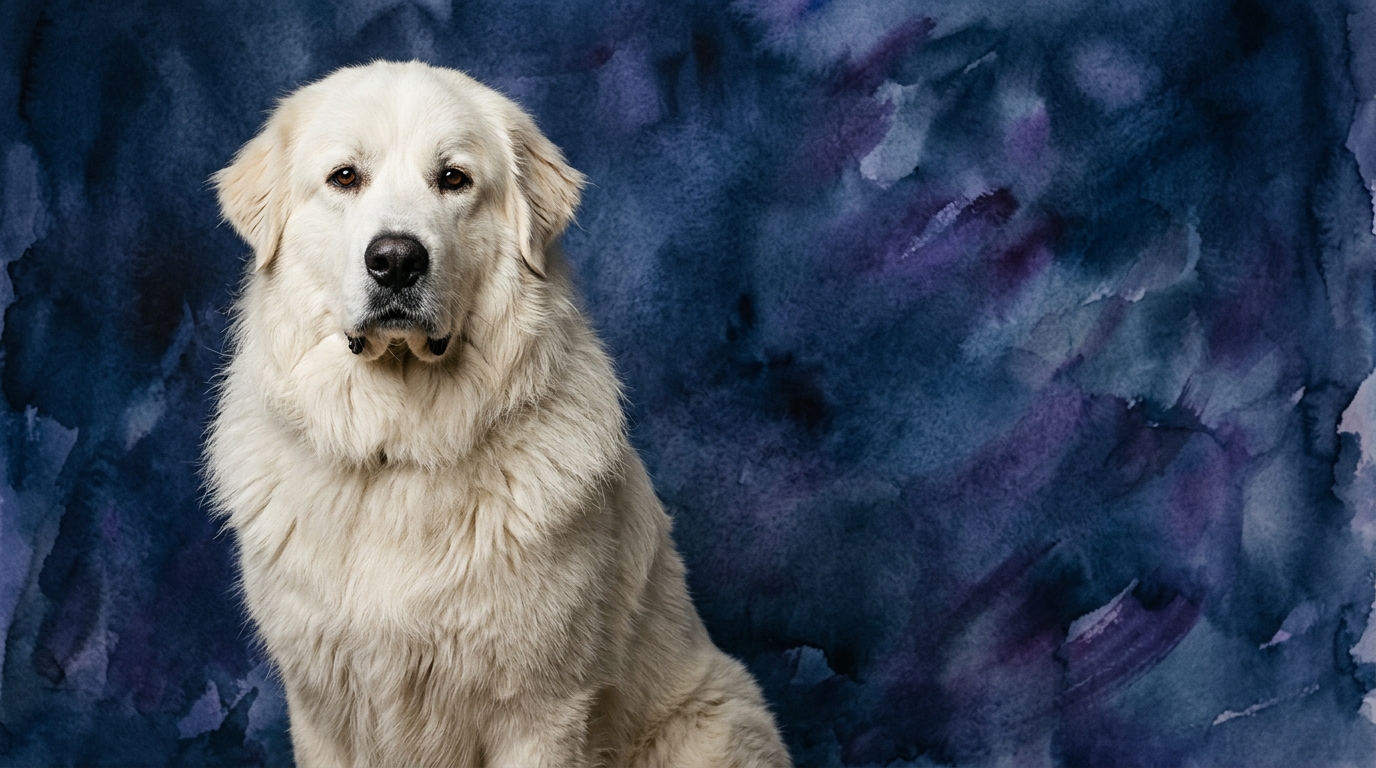
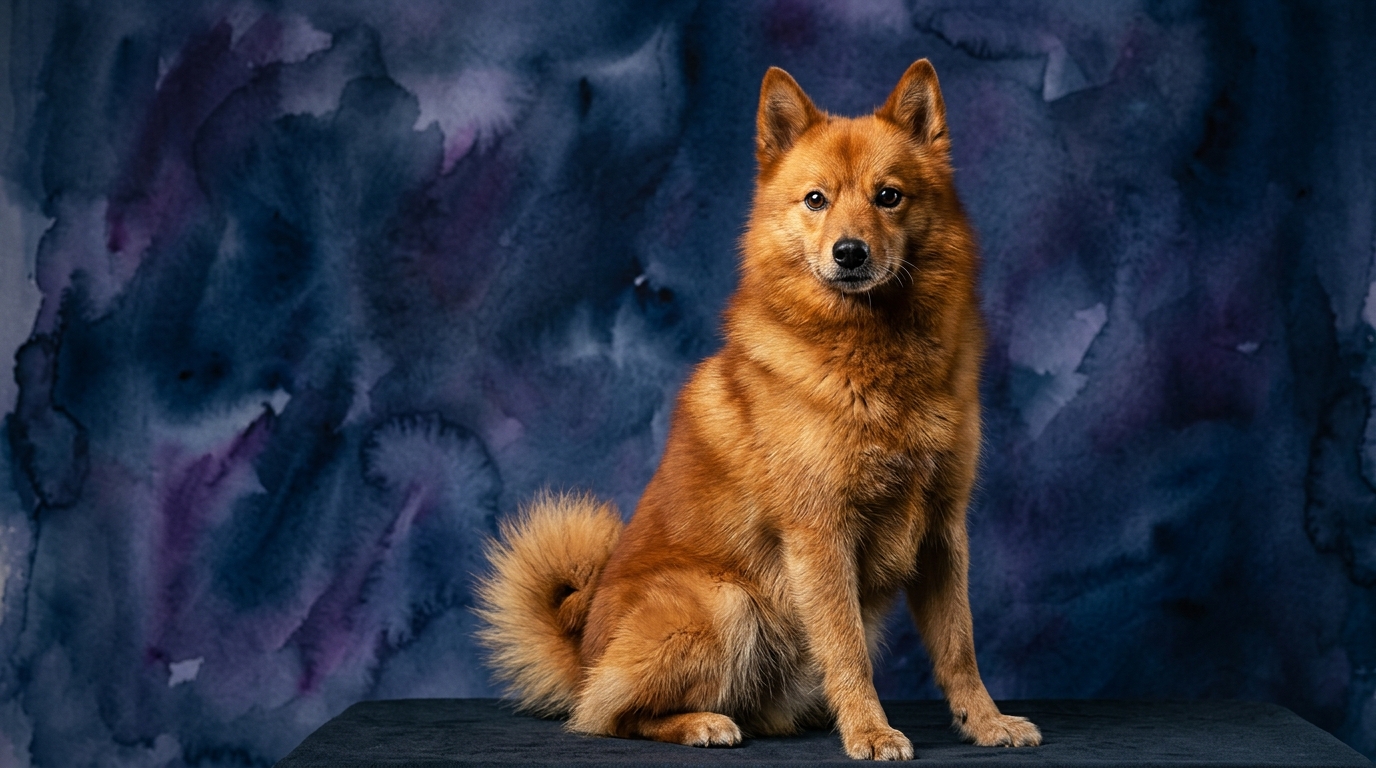
Side-by-Side IQ Profile: Great Pyrenees vs. Finnish Spitz
The Cosmic Pet Pet IQ Lab employs five dimensions to evaluate canine intelligence: problem-solving, training speed, social intelligence, instinctive drive, and memory. Intriguingly, both the Great Pyrenees and the Finnish Spitz consistently achieve a balanced 3 out of 5 in each category, suggesting a comparable cognitive baseline, yet their histories reveal distinct manifestations of these capacities.
For the Great Pyrenees, a majestic guardian (Coren rank #64), their 3/5 problem-solving reflects independent decision-making in livestock protection, often without direct human oversight. A 3/5 training speed indicates they learn, but their self-reliance means they often evaluate commands rather than immediately comply. Social intelligence at 3/5 points to their nuanced understanding of flock and family dynamics, while their 3/5 instinctive drive is profoundly tied to protective vigilance. Their 3/5 memory supports recalling territory and recognizing individuals over time.
The Finnish Spitz, a lively hunting companion, also exhibits 3/5 problem-solving, typically manifested in cleverness for locating and "treeing" game, using strategy rather than brute force. Their 3/5 training speed suggests capability, though independence and vocalization can present unique training considerations. A 3/5 social intelligence highlights responsiveness to family and effective communication, often through distinctive barking. Their 3/5 instinctive drive is strongly geared towards hunting, scent tracking, and alert vocalization. Memory at 3/5 serves them well in recalling hunting routes and specific cues associated with their human partners.
Where the Great Pyrenees Wins Cognitively
Despite identical numerical scores, the Great Pyrenees demonstrates distinct cognitive strengths rooted in their ancient role as livestock guardians. Their 3/5 problem-solving ability shines brightest in ambiguous, real-world scenarios where they must independently assess threats and make judgment calls to protect their charges. This isn't about solving puzzles for treats, but rather discerning a true danger from a harmless wanderer, a complex cognitive task requiring nuanced evaluation and a calm disposition.
Their 3/5 instinctive drive is a profound asset for their specific purpose, manifesting as an unwavering commitment to vigilance and protection. This allows them to remain alert for extended periods and respond appropriately to perceived threats without needing constant human direction. This deep-seated protective instinct, combined with their moderate social intelligence, enables them to form strong, reliable bonds with their flock or family while maintaining a necessary degree of independence.
The Great Pyrenees' 3/5 memory plays a critical role in their territorial awareness and long-term recognition. They are adept at remembering the layout of their property, the faces of regular visitors versus strangers, and the individual personalities of their livestock. This cognitive mapping and social recall is crucial for their effectiveness as guardians, allowing them to distinguish routine from anomaly and respond with appropriate discretion.
Where the Finnish Spitz Wins Cognitively
The Finnish Spitz, with their distinct heritage as barking bird dogs, showcases cognitive advantages tailored to their unique hunting style. Their 3/5 problem-solving capability is evident in their strategic approach to locating game birds, often using their keen senses to track and then skillfully "tree" the bird, holding its attention with their characteristic rapid barking until the hunter arrives. This requires more than just instinct; it involves active decision-making and adaptability to different terrains and bird behaviors.
A key cognitive strength for the Finnish Spitz lies in their highly developed 3/5 instinctive drive specifically for vocal communication. While many breeds bark, the Finnish Spitz utilizes their voice with remarkable precision and purpose during a hunt, modulating their barks to indicate the presence and location of game. This specialized application of instinct, coupled with their moderate social intelligence, allows for effective, albeit often loud, collaboration with their human hunting partners.
Their 3/5 memory is particularly sharp for recalling hunting patterns, familiar forest trails, and the specific sounds and scents associated with different game. This cognitive mapping of their environment, combined with their agile 3/5 training speed when motivated by the hunt, makes them highly efficient and adaptable working dogs in their traditional role. Their ability to quickly learn and associate specific commands with hunting actions further underscores this focused cognitive strength.
Which is Easier to Train and Why
When considering ease of training, the Great Pyrenees and Finnish Spitz present different challenges, despite both scoring 3/5 in training speed. The Great Pyrenees' independence, a cornerstone of their guarding role, means they often require more patience and consistency. They are not typically eager to please in the conventional sense; instead, they weigh commands against their own judgment and perceived priorities, which often revolve around vigilance and protection. This can make recall or rapid obedience training more demanding.
The Finnish Spitz, while also possessing an independent streak, often responds better to positive reinforcement and engaging, game-like training sessions. Their lively nature and hunting drive mean they can be easily distracted by scents or sounds, requiring a trainer who can maintain their focus. Their propensity for vocalization, a crucial part of their instinctive drive, can be perceived as a training challenge in a domestic setting, necessitating dedicated effort to manage barking behaviors.
Ultimately, neither breed is considered "easy" in the way some highly biddable breeds are. Training both requires an owner who understands their specific breed characteristics and motivations. For the Great Pyrenees, it's about building trust and demonstrating the relevance of commands to their "job," even if that job is family protection. For the Finnish Spitz, it's about channeling their natural exuberance and hunting instincts into productive behaviors, making training a fun and mentally stimulating activity rather than a rigid task.
Which Suits Active Owners vs. Relaxed Owners
The Great Pyrenees, despite their large size, often have a surprisingly relaxed demeanor indoors, making them suitable for owners who appreciate a calm, watchful companion. However, their physical presence and need for a secure, expansive territory mean they are better suited to homes with space, ideally a fenced yard where they can patrol and observe. While not requiring intense, high-impact exercise, they do need consistent, moderate activity to maintain their physical health and mental well-being, such as daily walks or supervised time outdoors.
Conversely, the Finnish Spitz is a more energetic and active breed, better suited for owners who enjoy regular engagement and outdoor adventures. Their background as hunting dogs means they possess significant stamina and require considerable mental and physical stimulation to prevent boredom. This breed thrives on activities like hiking, scent work, or dog sports that tap into their natural instincts, making them an excellent partner for an active lifestyle.
For the truly relaxed owner seeking a low-maintenance energy level, neither breed is an ideal fit without significant commitment. The Great Pyrenees offers a more sedate pace, but demands understanding of their independent guarding nature. The Finnish Spitz requires an owner who is prepared for a more interactive and physically involved companionship, channeling their vibrant energy and keen senses into appropriate activities.
The Verdict
Choose the Great Pyrenees if you seek a calm, independent guardian with a deep-seated protective instinct, valuing a companion who makes their own judgments and thrives in a secure, spacious environment.
Opt for the Finnish Spitz if you desire an energetic, vocal, and intelligent companion for an active lifestyle, appreciating their cleverness in problem-solving and eagerness for engaging, stimulating activities.
🧠 Find Your Pet's IQ Score
Our Pet IQ Lab assessment covers 25+ tests across 5 cognitive dimensions — personalized to your breed.
Take the Full IQ Test →Frequently Asked Questions
Do Great Pyrenees need a lot of exercise?
While large, Great Pyrenees have moderate exercise needs, preferring consistent, leisurely walks and ample time in a secure, fenced yard for patrolling. Intense, high-impact activities are not typically required for their well-being, but consistent activity is important.
Are Finnish Spitz good family dogs?
Finnish Spitz can be wonderful family dogs, known for their loyalty and playful nature with children, especially if raised with them. However, their vocal nature and energetic disposition mean they thrive best with families who can provide consistent training and mental stimulation.
How do these breeds compare in terms of house training?
Both breeds, with their 3/5 problem-solving and memory, are capable of being house trained, but consistency is key. Great Pyrenees might be slower due to their independent nature, while Finnish Spitz's energy might require more frequent outdoor access initially during the training phase.