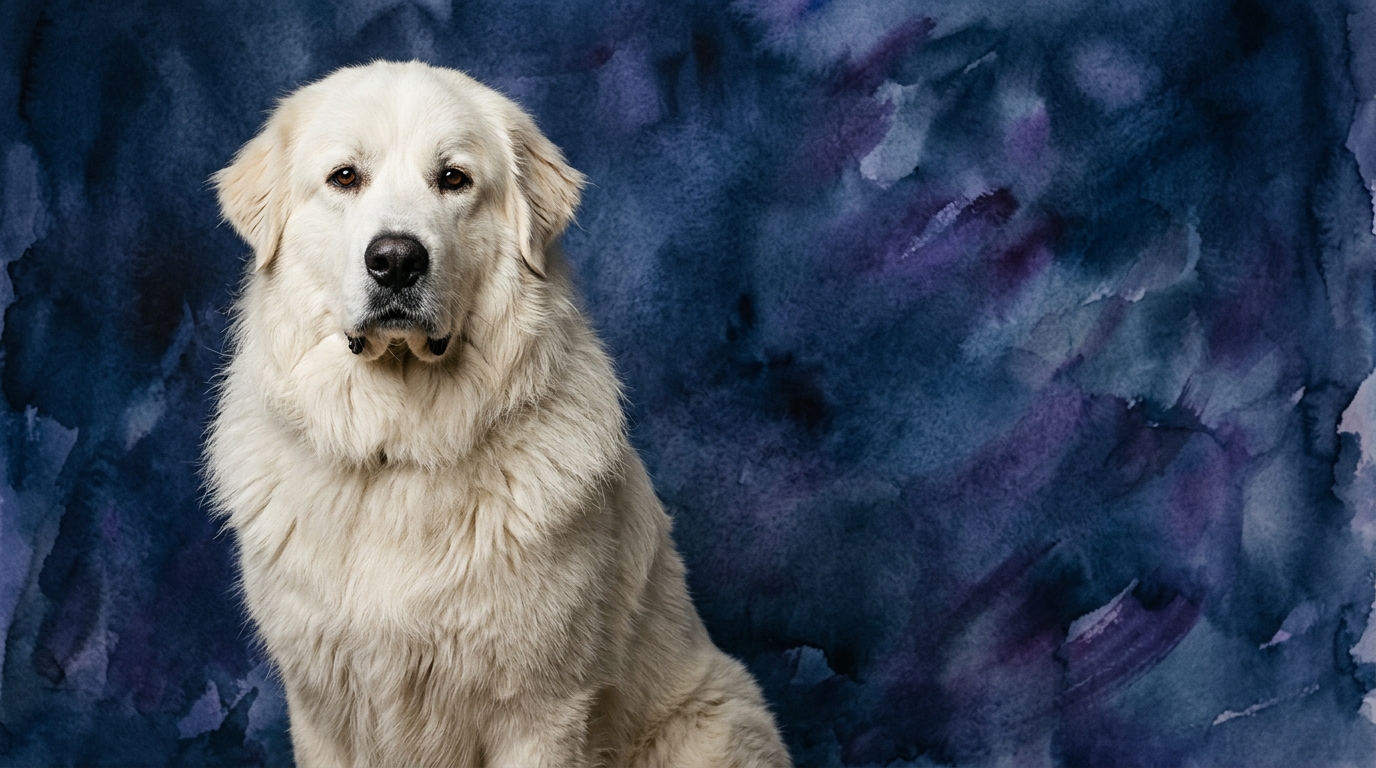
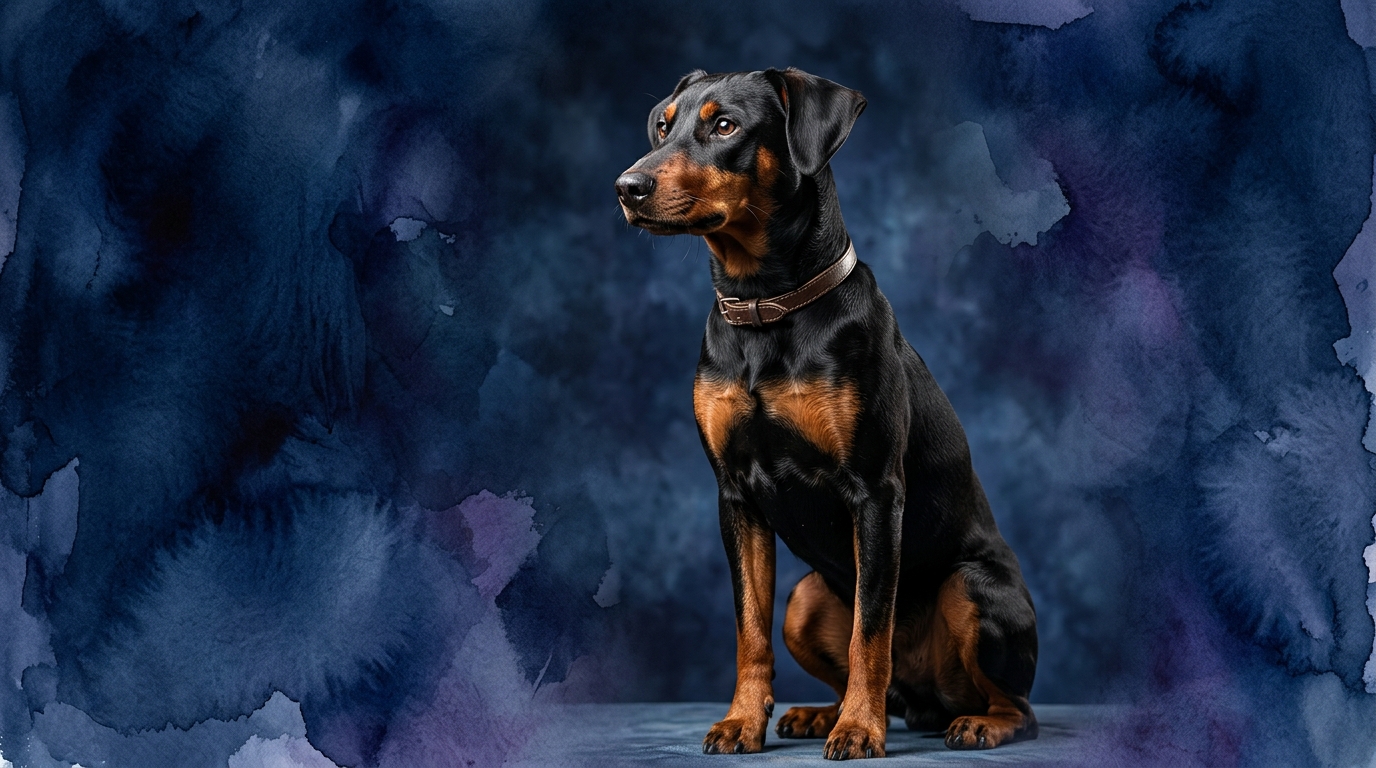
Side-by-Side IQ Profile: Great Pyrenees vs. German Pinscher
**Great Pyrenees (GP)**: A Great Pyrenees' problem-solving ability is deeply rooted in their historical role as an independent livestock guardian. They excel at real-world challenges such as assessing environmental threats, determining the appropriate response to predators, and navigating complex outdoor terrains to protect their charges, all without direct human command. Their cognitive strength lies in practical, self-directed scenarios related to their protective duties, rather than eagerly engaging with abstract puzzles or obedience drills designed by humans. This involves a nuanced understanding of territory and the dynamics of their flock. While certainly capable of learning commands and retaining information, a Great Pyrenees' training speed is significantly influenced by their inherent independence and self-reliance. They process information and understand requests, but their deeply ingrained instinct to make their own decisions means they often weigh the necessity and relevance of compliance against their own judgment. This isn't a deficit in cognitive processing, but rather a manifestation of a breed designed to be autonomous, often leading to more deliberate, rather than instantaneous, responses during training sessions. Great Pyrenees exhibit a profound social intelligence, primarily focused on their “flock,” whether that comprises livestock or their human family. They are remarkably adept at discerning intentions, identifying potential threats, and forming deep, unwavering protective bonds with those they consider their own. Their social understanding is geared towards loyalty, vigilance, and maintaining harmony within their established group, allowing them to integrate into family dynamics while consistently maintaining a watchful, often reserved demeanor towards strangers. The core of a Great Pyrenees' instinctive drive is unequivocally protection and territoriality. This manifests as an exceptionally strong vigilance against perceived threats, an innate desire to patrol and secure boundaries, and a profound sense of responsibility for those under their care. While not typically driven by the high-speed chase or retrieval instincts common in many working breeds, their protective drive is robust and directs their cognitive resources towards maintaining safety and order within their designated domain. A Great Pyrenees possesses a reliable and enduring memory, particularly for established territory, daily routines, and past encounters with individuals or situations. They quickly recall safe zones, potential dangers, and the specific individuals they are tasked to protect, including their family members and other animals. This strong memory aids their consistent vigilance and allows them to anticipate patterns, contributing significantly to their effectiveness as guardians who learn from experience and maintain a stable, predictable presence.
**German Pinscher (GPin)**: The German Pinscher's problem-solving ability is characterized by their quick wit, resourcefulness, and adaptability, historically applied to versatile tasks such as vermin control and general farm utility. They are highly adept at figuring out how to access desired objects, cleverly navigating complex environments, or outsmarting small prey. Their cognitive approach is often direct, energetic, and focused on immediate, tangible solutions to practical challenges, demonstrating a keen cleverness in manipulating their surroundings to achieve their goals. German Pinschers typically learn new commands and behaviors with moderate speed, absorbing information readily when properly engaged and motivated. However, their energetic and sometimes strong-willed nature means that while they grasp concepts quickly, consistent motivation, varied training methods, and a firm hand are crucial. They thrive on mental stimulation and can become bored or disengaged if training is repetitive or lacks excitement, demonstrating their intelligence through a desire for novelty and challenge in their learning. German Pinschers display a sharp social intelligence, forming strong, often intense bonds with their primary caregivers and quickly understanding complex household dynamics. They are perceptive to human moods, intentions, and routines, often using this understanding to their advantage or to seek attention. While deeply devoted to their family, their social interactions can be more assertive and discerning with strangers, reflecting their protective instincts and a strong desire to be the central focus of their family's attention and activities. The German Pinscher's instinctive drive is a dynamic and multifaceted blend of prey drive, vigilance, and a strong desire for active engagement. They possess a natural inclination to chase, investigate, and patrol, stemming directly from their history as versatile farm dogs. This robust drive fuels their energetic nature and makes them highly responsive to activities that tap into these instincts, channeling their cognitive energy into active participation, exploration, and often, boisterous play. German Pinschers exhibit a solid and reliable memory for commands, established routines, and the spatial layout of their familiar environment. They quickly recall learned behaviors, remember the location of favorite toys or specific people, and can associate past events with current stimuli. This strong memory contributes significantly to their consistency in training and their ability to navigate familiar surroundings with confidence, making them reliable and predictable companions once a behavior or routine is firmly established.
Where the Great Pyrenees Wins Cognitively
The Great Pyrenees' cognitive strengths shine brightest in scenarios demanding independent judgment and unwavering vigilance. Their capacity for autonomous decision-making in guardian roles, assessing threats without human intervention, sets them apart. This involves a sophisticated understanding of their territory, an ability to discern genuine danger from benign events, and the patience to observe before acting. Their deep-seated instinct to protect, combined with a reliable memory for boundaries and past encounters, allows them to maintain a consistent, self-directed watch, making them uniquely suited for roles requiring sustained, independent guardianship.
Where the German Pinscher Wins Cognitively
Conversely, the German Pinscher excels in cognitive areas demanding quick reactions, versatile adaptability, and an energetic application of their intellect. Their problem-solving is often characterized by a clever, hands-on approach to immediate challenges, such as outmaneuvering vermin or figuring out complex enrichment toys. Their drive for engagement and physical activity means they are often more eager to participate in varied tasks, demonstrating a nimble mind that quickly shifts focus and adapts to new stimuli, making them adept at learning diverse skills beyond a singular protective role.
Which is Easier to Train and Why?
Neither breed is typically described as “easy” to train in the conventional sense, as both possess strong wills. However, their training challenges stem from different cognitive roots. The Great Pyrenees' independence means they may understand commands but will often weigh the request against their own assessment of the situation, leading to deliberate, sometimes slow, responses. Training a GP requires immense patience, consistency, and a deep understanding of their guardian mindset, focusing on building trust and making them *want* to comply, rather than simply obey. The German Pinscher, while intelligent and capable of learning quickly, brings a different set of challenges: high energy, a tendency towards boredom with repetition, and a potential for stubbornness if not properly motivated. Their training benefits from variety, engaging activities, and clear, firm guidance that channels their drive into productive behaviors. While both require dedicated effort, the German Pinscher's desire for engagement might make them appear more “trainable” in a structured, active environment, whereas the Great Pyrenees will always prioritize their self-appointed duties.
Which Suits Active Owners vs. Relaxed Owners?
For active owners, the German Pinscher is often the more suitable choice. Their robust instinctive drive, combined with a quick problem-solving approach and a need for consistent mental and physical stimulation, means they thrive in environments offering regular exercise, training, and engaging activities. They are partners for hiking, agility, and interactive play, channeling their considerable energy productively. Relaxed owners, or those seeking a more independent companion who is content with less direct, high-intensity interaction, might find the Great Pyrenees a better fit. While they require space to patrol and consistent daily walks, their energy expenditure is often focused on vigilance and observation rather than constant high-impact activity. They are more content to guard their domain from a comfortable vantage point, requiring less hands-on “doing” and more “being” with their owner.
The Verdict
Choose a Great Pyrenees if you value an independent, self-reliant guardian with a calm demeanor, seeking a loyal protector who thrives on observing and securing their territory with minimal direct instruction.
Opt for a German Pinscher if you desire an energetic, versatile, and highly engaged companion for an active lifestyle, appreciating a quick-witted partner who excels in diverse activities and requires consistent mental and physical stimulation.
🧠 Find Your Pet's IQ Score
Our Pet IQ Lab assessment covers 25+ tests across 5 cognitive dimensions — personalized to your breed.
Take the Full IQ Test →Frequently Asked Questions
Do Great Pyrenees and German Pinschers learn at the same pace?
While both breeds received a 3/5 for training speed, their learning styles differ. Great Pyrenees learn but prioritize their independent judgment, often leading to slower, more deliberate responses. German Pinschers learn quickly when motivated, but their high energy and potential for boredom require varied and engaging training methods.
How does their problem-solving ability compare given the same score?
Their 3/5 problem-solving manifests differently based on their historical roles. The Great Pyrenees excels at practical, real-world threat assessment and territorial management. The German Pinscher demonstrates cleverness in immediate, tangible tasks like navigating obstacles or outsmarting vermin, showing a more active, hands-on approach.
Are either of these breeds good for first-time dog owners?
Neither breed is typically recommended for first-time dog owners due to their strong wills and specific needs. Great Pyrenees require owners who understand their independent guardian nature, while German Pinschers need experienced owners who can consistently manage their high energy, drive, and training requirements.