Side-by-Side IQ Profile: Great Pyrenees vs. German Wirehaired Pointer
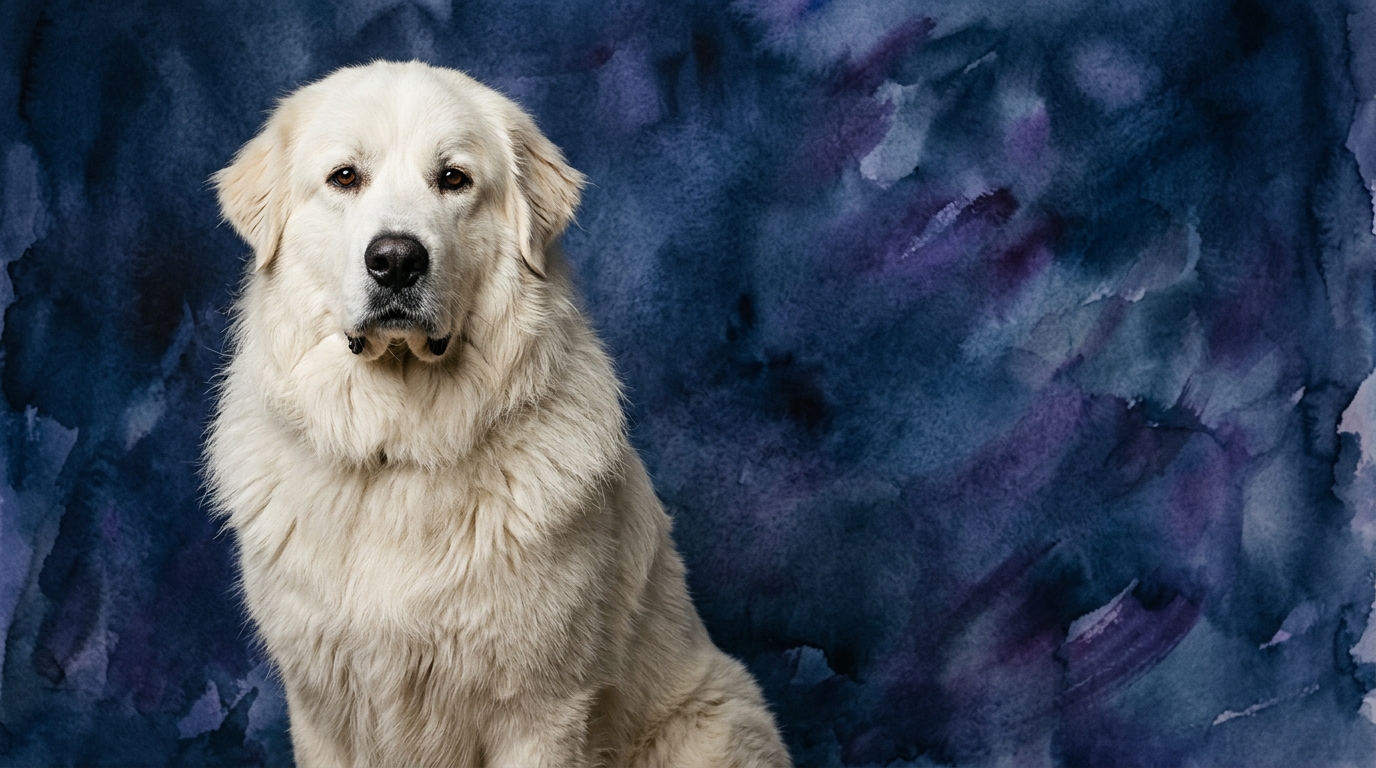
The Great Pyrenees (Working, Coren rank #64) presents a cognitive profile built for autonomous guardianship. Its Problem Solving at 3/5 reflects a moderate capacity for independent thought and initiative, crucial for a guardian breed that must assess threats and make decisions without direct human command. Training Speed, also 3/5, indicates that while they can learn, their inherent independence means they might not always respond with the eager compliance seen in more handler-focused breeds, requiring patience and consistency. Social Intelligence, at 3/5, focuses on understanding the dynamics of their flock (human or animal) and identifying potential threats, rather than extensive cooperative interaction with humans; they are perceptive of emotional states within their immediate circle. Their Instinctive Drive, 3/5, primarily reflects a strong, ingrained guarding instinct—a drive to protect and watch over, distinct from a prey drive. Finally, Memory at 3/5 allows them to recall routines, identify familiar faces, and remember specific threats or safe zones, which is vital for long-term guardianship and maintaining vigilance.
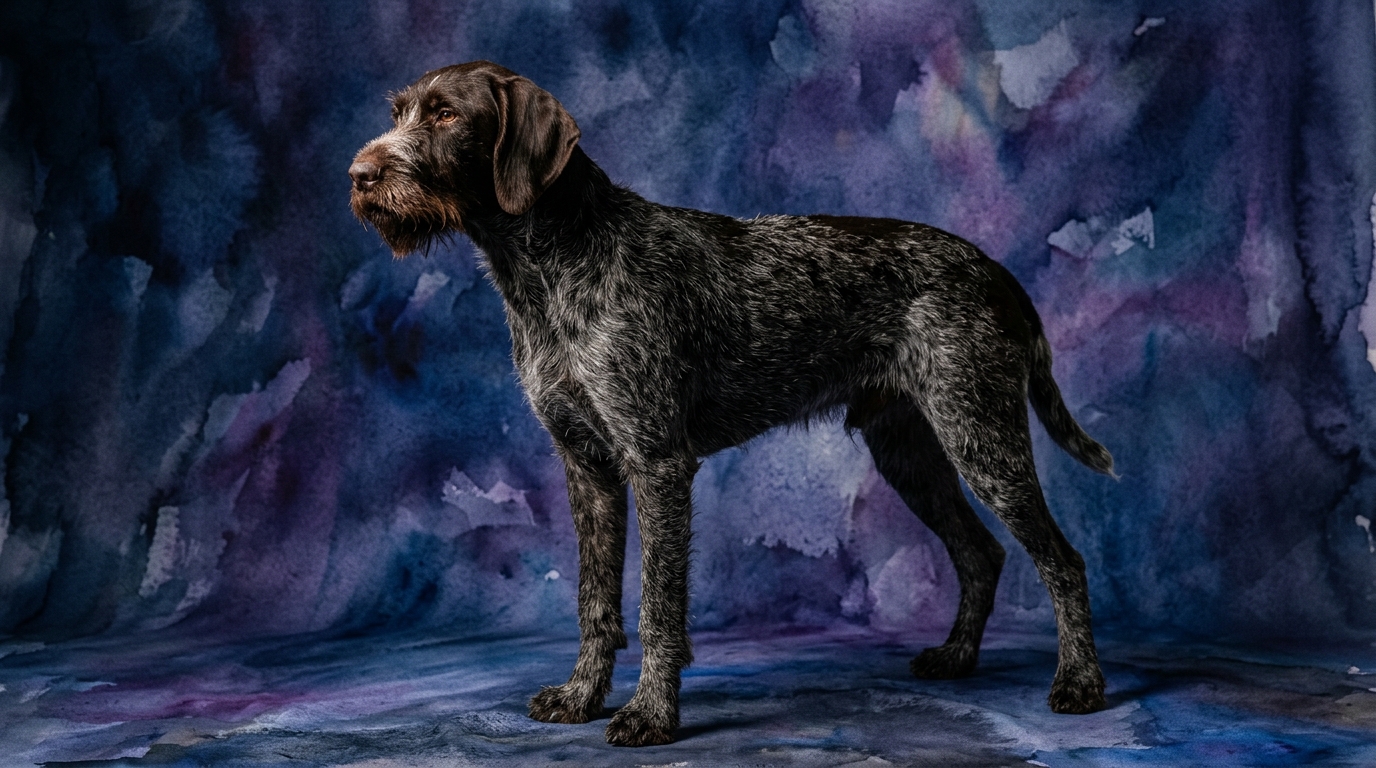
In contrast, the German Wirehaired Pointer (Sporting, Coren rank #28) showcases a profile optimized for cooperative hunting. Its Problem Solving at 4/5 signifies a strong ability to navigate complex situations, such as tracking elusive game or figuring out how to retrieve objects from challenging environments, adapting strategies on the fly during a hunt. A high Training Speed of 4/5 means they pick up new commands and routines quickly, eager to learn and work alongside their handler, as their desire to please and focus makes them highly receptive to instruction. Social Intelligence, rated 3/5, is applied to understanding their handler's cues, intentions, and body language to work effectively as a team. Their Instinctive Drive, 3/5, reflects a robust hunting drive, encompassing pointing, retrieving, and tracking, a focused, purposeful drive geared towards working in the field. An excellent Memory at 4/5 is crucial for remembering complex scent trails, recalling the location of downed game, and retaining a vast repertoire of learned commands and hunting strategies over time.
Where the Great Pyrenees Wins Cognitively
The Great Pyrenees excels in independent decision-making, a trait directly linked to its problem-solving score of 3/5. Unlike breeds bred for close handler cooperation, the Pyrenees was developed to operate autonomously, evaluating situations and threats to its flock without constant human direction, making them highly effective, self-sufficient guardians. This cognitive strength allows them to discern genuine danger from harmless occurrences, demonstrating a nuanced understanding of their environment. Their social intelligence, while rated 3/5, is specifically tuned to the subtle shifts in behavior of those they protect, granting them a unique situational awareness. This deep understanding of their territory and its inhabitants, coupled with their moderate memory, allows for consistent, reliable protective behavior over long periods, making them masters of vigilant oversight.
Where the German Wirehaired Pointer Wins Cognitively
The German Wirehaired Pointer demonstrates a clear cognitive advantage in learning efficiency and complex task execution, reflected in its 4/5 scores for problem-solving, training speed, and memory. Their ability to quickly grasp and retain a wide array of commands is unparalleled, driven by a strong desire to collaborate with their human partners. This rapid learning curve, combined with superior memory, enables them to recall intricate hunting sequences, multiple scent trails, and handler signals with precision. Their problem-solving prowess allows them to ingeniously navigate challenging terrains and overcome obstacles to locate and retrieve game, showcasing adaptive intelligence in action. For tasks requiring focused attention, swift comprehension, and accurate recall, the GWP's cognitive makeup is distinctly superior.
Training Dynamics: Which Breed is Easier to Train?
The German Wirehaired Pointer is generally easier to train compared to the Great Pyrenees, a difference directly attributable to their respective training speed scores (GWP 4/5 vs GP 3/5) and inherent behavioral drives. The GWP's historical role as a versatile hunting dog means it was selectively bred for biddability, an eagerness to work closely with a human handler, and a strong desire to please. This translates into a dog that is highly attentive, quick to form associations between commands and actions, and motivated by cooperative tasks, making them receptive to varied training methods.
In contrast, the Great Pyrenees was bred for independent livestock guardianship. Their cognitive makeup favors self-reliance and decision-making without human intervention, meaning they can be more deliberate in their responses to commands, often weighing the command against their own perceived priorities. Their independence, while a strength in their guarding role, can manifest as stubbornness during training, requiring more patience, consistency, and motivation tailored to their specific temperament. Training a Pyrenees often means understanding their motivations and integrating commands into their natural routines rather than demanding strict obedience.
Lifestyle Match: Active vs. Relaxed Owners
The German Wirehaired Pointer is unequivocally suited for active owners who can provide substantial physical and mental stimulation. Its 3/5 instinctive drive is channeled into a need for purposeful activity, such as hunting, hiking, or advanced obedience training, making it ideal for individuals who enjoy an outdoor, engaged lifestyle. Their high training speed and problem-solving abilities mean they thrive on challenges and can become bored or destructive without adequate outlets for their energy and intellect. These dogs need a job, whether it's navigating complex agility courses or spending hours in the field.
Conversely, the Great Pyrenees aligns better with more relaxed owners, though 'relaxed' does not imply neglect of their needs. While they require regular exercise, their independent nature and 3/5 instinctive drive are satisfied more by patrolling their territory and watchful oversight than by intense, high-octane activities. They appreciate a calm, predictable environment where they can fulfill their guardian role, making them a fit for owners who prefer a steady, watchful companion over a constant activity partner. Their exercise needs are more about consistent, moderate activity within their established territory.
The Verdict
Choose the Great Pyrenees if you seek an independent, watchful guardian with a calm demeanor, requiring an owner who appreciates self-reliance and can provide a secure territory for them to oversee.
Opt for the German Wirehaired Pointer if you are an active individual or family seeking a highly trainable, energetic, and cooperative partner for outdoor adventures and complex tasks.
🧠 Find Your Pet's IQ Score
Our Pet IQ Lab assessment covers 25+ tests across 5 cognitive dimensions — personalized to your breed.
Take the Full IQ Test →Frequently Asked Questions
Do Great Pyrenees need extensive mental stimulation?
While not requiring the constant puzzle-solving of a GWP, Great Pyrenees benefit from mental engagement that allows them to utilize their natural guarding instincts, such as observing their territory or learning basic commands relevant to their role. Too much pressure for complex obedience might go against their independent nature.
How much exercise does a German Wirehaired Pointer need daily?
German Wirehaired Pointers need a minimum of 60-90 minutes of vigorous exercise daily, ideally incorporating mental challenges like scent work or agility, to satisfy their strong instinctive drive and high energy levels. This prevents boredom and potential destructive behaviors.
Can a Great Pyrenees live in a small apartment?
A Great Pyrenees is generally not suited for small apartment living due to their large size, need for a territory to guard, and moderate exercise requirements that are best met in a yard. Their independent nature also means they might not thrive in a constantly confined space, preferring room to roam and observe.