Side-by-Side IQ Profile: Unpacking the 3/5 Scores
The Cosmic Pet Pet IQ Lab assesses five crucial cognitive dimensions, assigning a score out of five. Intriguingly, both the Great Pyrenees and the Harrier register a uniform 3/5 across all categories: Problem Solving, Training Speed, Social Intelligence, Instinctive Drive, and Memory. While numerically identical, the practical manifestation of these scores differs significantly due to their distinct evolutionary paths and breed functions. A 3/5 in Problem Solving for a Great Pyrenees often relates to independent decision-making in guardian roles, such as assessing a perceived threat and choosing the most effective, often non-confrontational, deterrent. For a Harrier, 3/5 Problem Solving manifests in navigating complex terrains to follow a scent trail, overcoming obstacles, or finding the most efficient path to their quarry.
Training Speed at 3/5 for the Great Pyrenees indicates they are capable of learning new commands and routines but are not typically driven by an eager-to-please mentality; their independence means they require consistent, patient, and relationship-based training. Similarly, the Harrier's 3/5 Training Speed reflects their capacity to learn quickly, but their formidable instinctive drive can make maintaining focus challenging, as environmental scents often override their attention to a handler's commands. Social Intelligence at 3/5 for a Pyrenees highlights their nuanced understanding of flock or family dynamics, discerning friend from foe, and reacting appropriately to protect their charges, often with a calm, watchful demeanor. For the Harrier, 3/5 Social Intelligence points to their ability to work cohesively within a pack, understanding hierarchical structures and communicating effectively during a hunt.
The Instinctive Drive score of 3/5 for the Great Pyrenees is rooted in their ancient role as livestock guardians, prompting vigilance, territorial awareness, and a strong protective instinct towards their perceived family or property. This drive is often expressed as a calm, observant watchfulness rather than overt aggression. The Harrier's 3/5 Instinctive Drive is overwhelmingly centered on their powerful prey drive and scenting ability, compelling them to pursue trails with unwavering focus and endurance, making them tireless workers in the field. Finally, Memory at 3/5 for both breeds suggests a solid capacity to retain learned behaviors, recognize individuals, and remember routines or specific locations. For the Great Pyrenees, this might involve remembering the boundaries of their territory or the faces of regular visitors. For a Harrier, it could be recalling a specific scent or the layout of frequently hunted areas, aiding in their persistent pursuit.
Where the Great Pyrenees Wins Cognitively
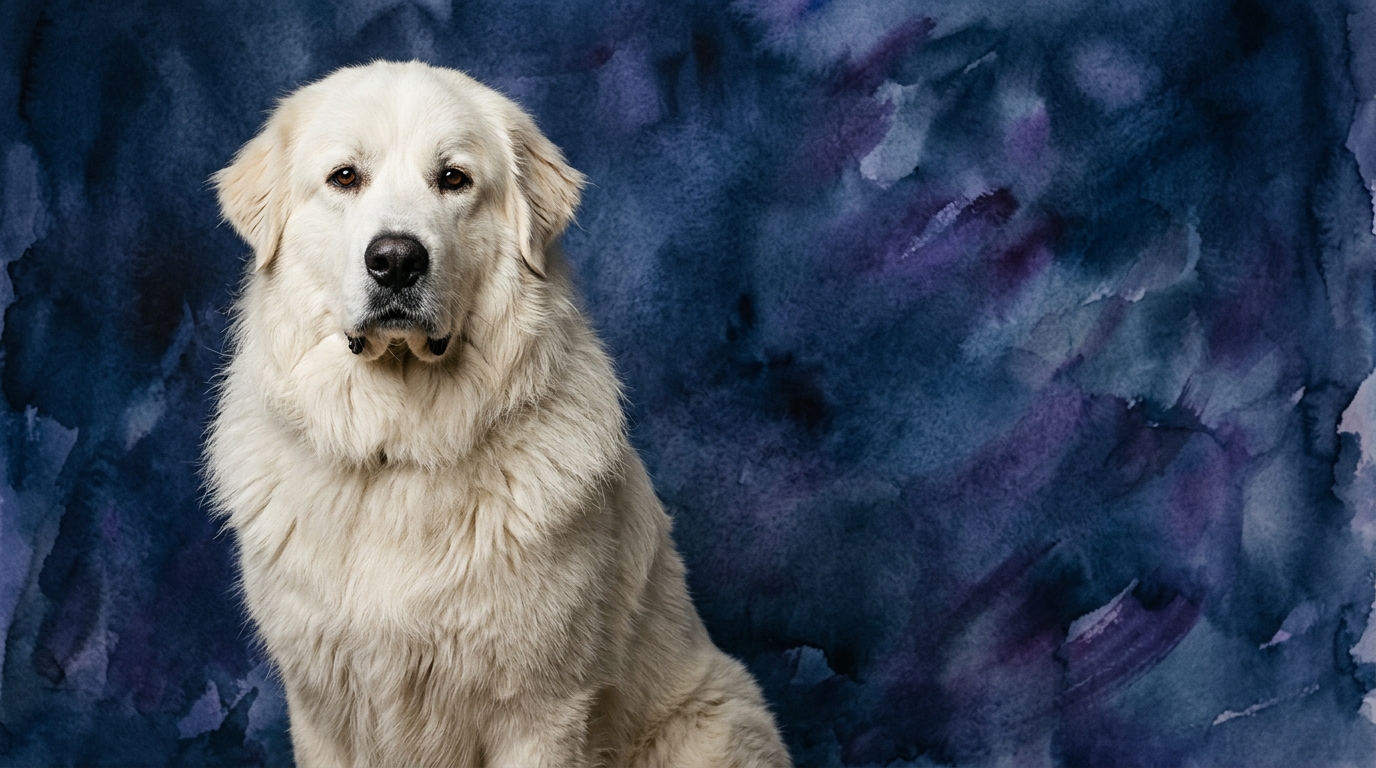
The Great Pyrenees' cognitive strengths truly shine in scenarios demanding independent judgment and protective oversight. Their 3/5 Problem Solving is often applied to complex, evolving situations where a human directive isn't immediately available or even desired. For instance, a Pyrenees excels at independently evaluating threats to their flock or family, choosing to bark, posture, or simply position themselves strategically rather than waiting for a command. Their Social Intelligence, also 3/5, allows them to discern subtle shifts in the environment and the intentions of strangers, demonstrating a sophisticated understanding of social cues and potential risks. This breed's memory, at 3/5, is particularly strong in retaining knowledge of their territory and the individuals within it, forming a mental map of safe zones and potential vulnerabilities. This combination of independent problem-solving, social acumen, and spatial memory makes them unparalleled guardians who don't require constant supervision to perform their core duties.
Where the Harrier Wins Cognitively
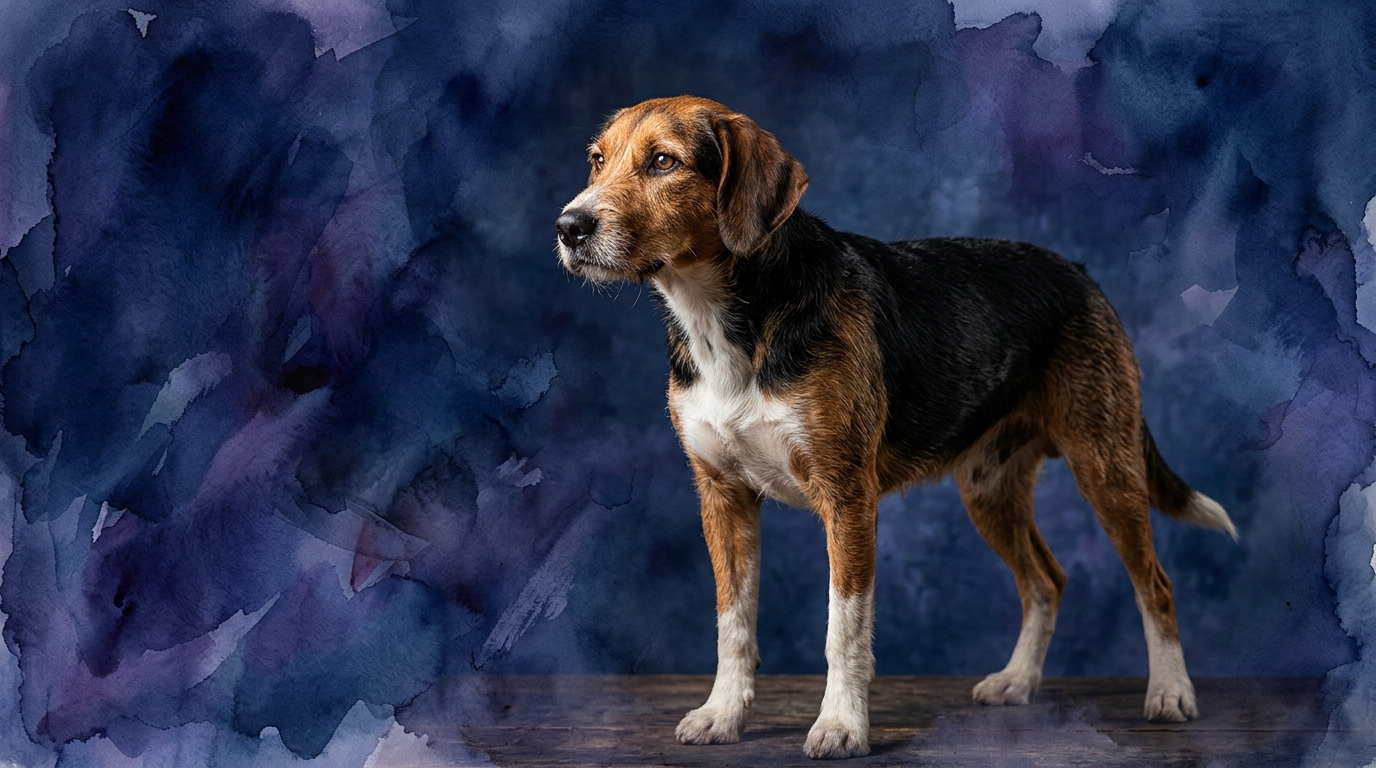
The Harrier’s cognitive advantages are inextricably linked to their heritage as scent hounds, making them masters of sustained, goal-oriented pursuit. Their 3/5 Problem Solving is exceptional when it comes to navigating intricate sensory landscapes, such as deciphering a faint scent trail across varying terrain, figuring out how to bypass an obstacle to stay on track, or locating a hidden quarry. This isn't about abstract reasoning but highly practical, sensory-driven problem-solving. The Harrier's Instinctive Drive, also 3/5, is a powerful engine for this cognitive strength, providing relentless motivation to follow a scent to its conclusion, often over long distances and difficult environments. Their Memory, at 3/5, is particularly acute for scents and routes, allowing them to recall specific trails or recognize familiar hunting grounds, enhancing their efficiency and effectiveness in the field. This breed embodies a singular focus and tenacity that is hard to match, making them superb at tasks requiring persistent, sensory-guided work.
Which is Easier to Train and Why
Despite both breeds scoring 3/5 in Training Speed, their training experiences diverge significantly due to their inherent behavioral differences. The Great Pyrenees' independence, a cornerstone of their guarding role, means they often perceive commands as suggestions rather than directives. They learn, but compliance is often contingent on their assessment of the situation and their relationship with the handler. Training a Pyrenees requires immense patience, consistency, and a deep understanding of positive reinforcement to build trust and cooperation. They are not naturally inclined to repetitive drills or eager obedience, instead preferring to make their own decisions. Their protective instincts can also make recall challenging if they perceive a threat or responsibility elsewhere, requiring extensive foundational work in distraction-proof environments.
The Harrier, while equally capable of learning, presents a different set of training challenges rooted in their powerful prey drive and scent fixation. Their 3/5 Training Speed means they can pick up commands quickly, but their attention can be easily hijacked by an intriguing scent, making consistent focus difficult, especially outdoors. This breed demands a handler who can make training more compelling than any environmental distraction. While Harriers often enjoy working, their strong instinctive drive means they need consistent, engaging training that channels their energy and focus. Recall for a Harrier can be particularly difficult once they've locked onto a scent, as their drive to follow it is incredibly strong, often overriding any learned command. Therefore, both breeds require dedicated, knowledgeable trainers, but for fundamentally different reasons: the Pyrenees for their independence, and the Harrier for their intense, often distracting, drive.
Cognitive Fit: Active Owners vs. Relaxed Owners
For owners with a relaxed lifestyle, who appreciate a calm, watchful presence and are prepared for an independent thinker, the Great Pyrenees is often a more suitable cognitive match. Their 3/5 Instinctive Drive manifests as a steady, territorial vigilance rather than a need for constant physical exertion. While they enjoy a daily stroll, their primary cognitive engagement revolves around observing their environment and family, making independent decisions to ensure safety. They are content to survey their domain from a comfortable spot, requiring mental stimulation that aligns with their protective duties rather than high-octane activities. Their social intelligence allows them to be wonderful, empathetic companions, but they are not typically 'play-all-day' partners.
Conversely, the Harrier's cognitive profile makes them an ideal companion for active owners who relish outdoor adventures and can provide consistent mental and physical challenges. Their 3/5 Instinctive Drive demands an outlet, whether it's long hikes, scent work, or participation in dog sports like agility. These dogs thrive when their problem-solving skills are put to use in tracking or navigating complex environments. A Harrier's 3/5 Training Speed, combined with their drive, means they enjoy learning and engaging in activities that challenge their senses and body. An owner who can channel this boundless energy and keen intellect into structured activities will find the Harrier to be a tireless and rewarding partner, whereas a sedentary lifestyle would lead to frustration for this breed.
The Verdict: Choosing Your Canine Companion
In the intricate tapestry of canine cognition, the Great Pyrenees and Harrier, despite their identical 3/5 scores across the board, offer distinct intellectual experiences. The Pyrenees' strength lies in its contemplative independence, a steadfast guardian whose cognitive processes are geared towards autonomous protection and nuanced social awareness. Their memory and problem-solving are applied to maintaining a secure and peaceful environment, often with a quiet dignity. The Harrier, on the other hand, is a vibrant testament to focused drive, a canine athlete whose intellect is finely tuned for persistent pursuit and sensory mastery. Their problem-solving and memory are dedicated to navigating the world through scent, driven by an unwavering instinct.
Choosing between these two breeds isn't about superior intelligence, but about alignment with lifestyle and expectations. The Great Pyrenees excels in roles demanding watchful independence, patience, and a calm, protective demeanor, thriving in environments where they can survey and safeguard. The Harrier shines when provided with ample opportunity to engage their powerful instincts and physical prowess, making them ideal for active individuals or families who can channel their boundless energy and keen senses into purposeful activities. Understanding these nuanced applications of their similar cognitive scores is key to finding your perfect companion.
The Verdict
Choose the Great Pyrenees if you seek an independent, watchful companion who excels at calm guardianship and makes thoughtful decisions to protect their family and home.
Opt for the Harrier if you're an active owner prepared to channel a tenacious, scent-driven intellect into consistent physical activity and engaging, focused training.
🧠 Find Your Pet's IQ Score
Our Pet IQ Lab assessment covers 25+ tests across 5 cognitive dimensions — personalized to your breed.
Take the Full IQ Test →Frequently Asked Questions
Do Great Pyrenees dogs make good guard dogs?
Yes, Great Pyrenees are excellent guard dogs, not through aggression, but via their instinctive drive for vigilance and protection. Their 3/5 Problem Solving allows them to independently assess threats and deter intruders, often with barking and presence rather than direct confrontation, making them highly effective guardians.
Are Harriers easy to train for obedience?
Harriers possess 3/5 Training Speed, meaning they can learn quickly, but their strong instinctive drive and scent focus can make traditional obedience challenging. Consistent, engaging training that competes with environmental distractions and channels their drive is essential for success, requiring patient and creative handlers.
How do Great Pyrenees and Harriers interact with children?
Great Pyrenees, with their 3/5 Social Intelligence and protective instincts, are generally very gentle and tolerant with children, viewing them as part of their flock to be safeguarded. Harriers, while sociable and playful (3/5 Social Intelligence), possess high energy and a strong prey drive, meaning interactions with very young children should be supervised to ensure appropriate play.