Side-by-Side IQ Profile: Great Pyrenees vs. Irish Terrier
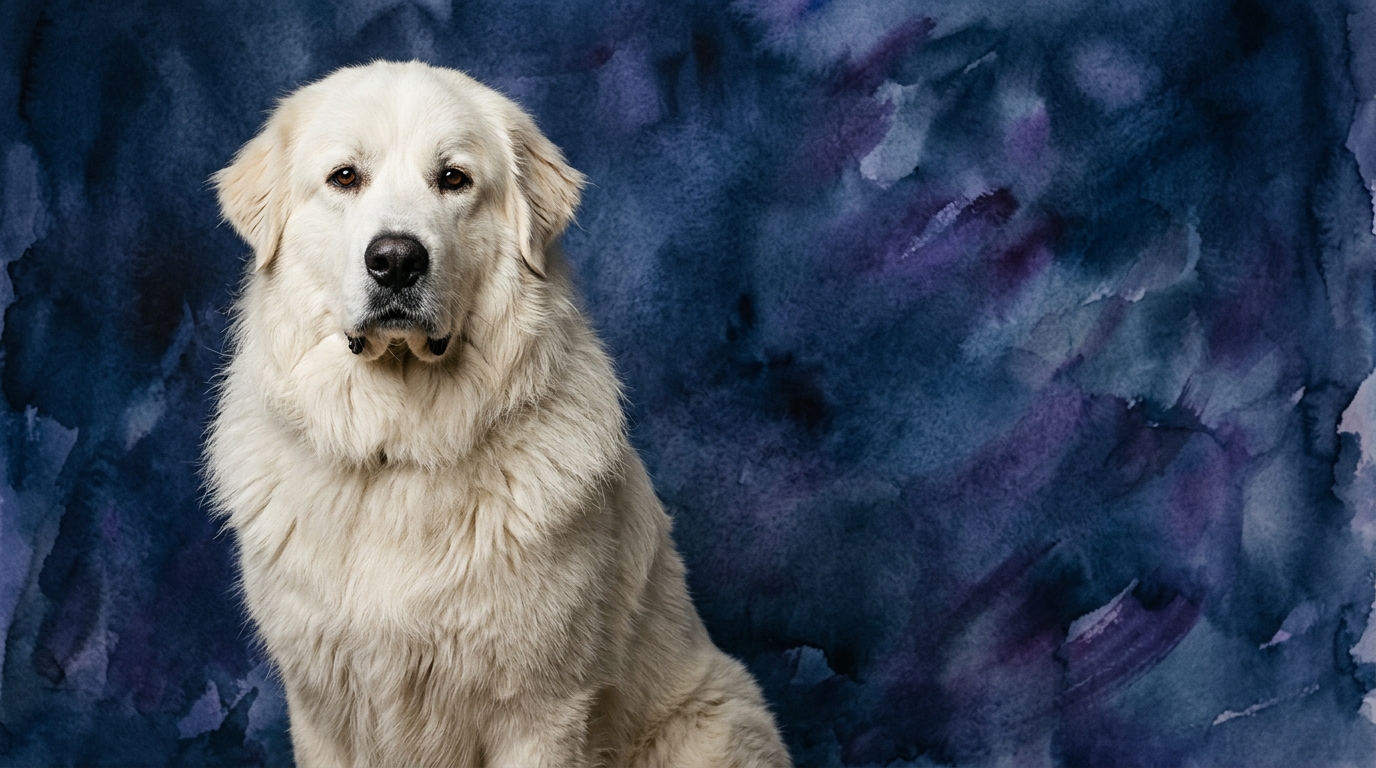
The Great Pyrenees, a majestic working dog primarily bred for livestock guardianship, exhibits a unique cognitive makeup reflected in its consistent 3/5 scores across the Pet IQ Lab's dimensions. Their problem-solving (3/5) isn't about intricate puzzles, but rather the practical application of vigilance and protective strategy; they excel at evaluating environmental threats and determining the best course of action to secure their flock, often through observation and strategic positioning rather than direct confrontation. Their training speed (3/5) reflects their independent spirit; while capable of learning commands, a Pyrenees often processes instructions through the lens of 'is this relevant to my guarding duties or well-being?' making rote obedience less immediate than with other breeds. Social intelligence (3/5) for a Pyrenees means a profound understanding of their family unit and flock, keenly perceiving subtle shifts in mood or potential dangers to those they protect, though they can appear reserved or aloof with strangers. Their instinctive drive (3/5) is almost entirely centered on protection and territoriality, a deep-seated impulse to patrol boundaries and deter perceived threats without constant human direction. Finally, their memory (3/5) is robust for remembering important faces, places, and established routines, especially those pertinent to their role as a guardian, allowing them to anticipate and respond effectively to recurring situations.
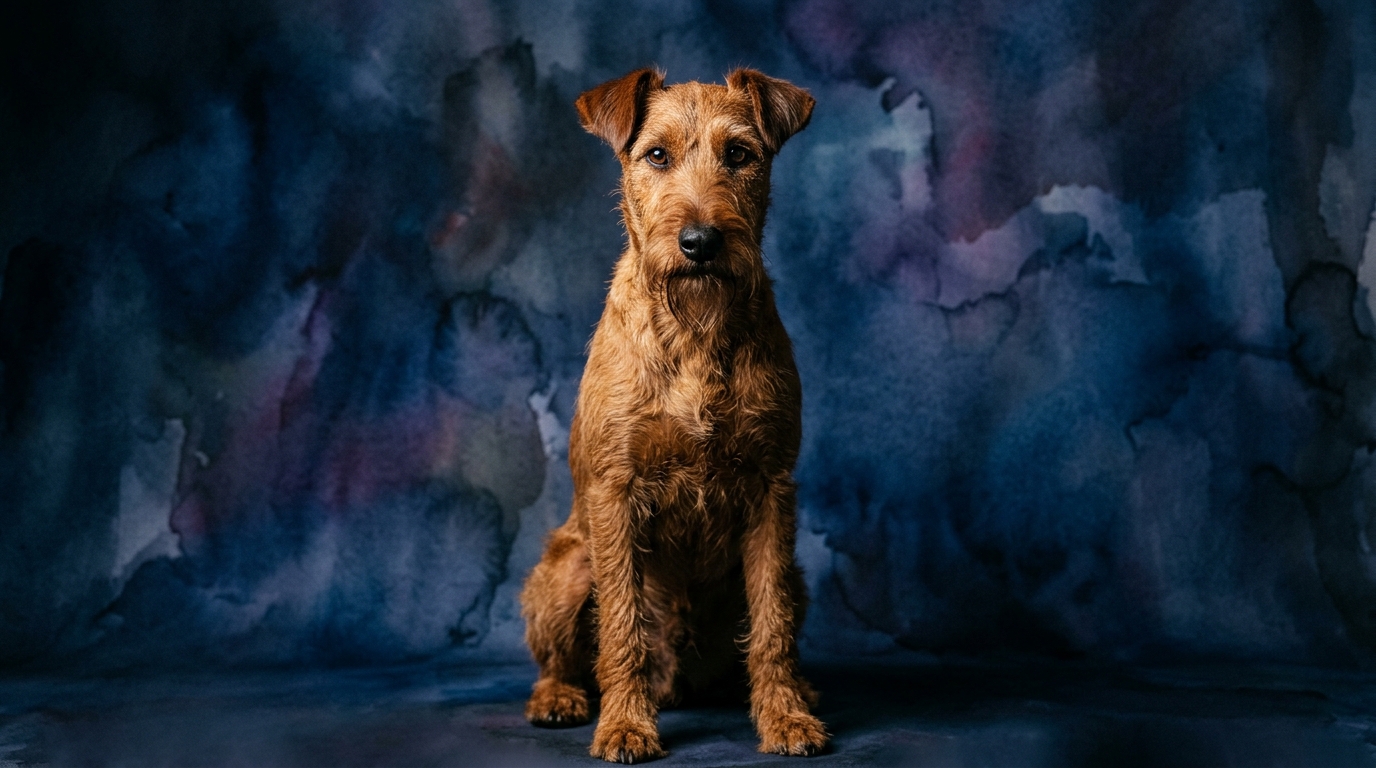
In contrast, the spirited Irish Terrier, a breed from the Terrier group, also registers 3/5 across the same cognitive metrics, yet their manifestation is distinctly different, shaped by their origins as versatile farm dogs and vermin hunters. Their problem-solving (3/5) is characterized by a tenacious ingenuity, often involving figuring out how to access small spaces, outsmart prey, or manipulate situations to their advantage; they demonstrate a cleverness driven by curiosity and an innate desire to investigate. The training speed (3/5) of an Irish Terrier is respectable when they are engaged and the task aligns with their interests, but their independent and sometimes mischievous nature means they can learn quickly to ignore commands if a more exciting stimulus presents itself, requiring consistent and creative reinforcement. Their social intelligence (3/5) allows them to form strong bonds with their human families, often displaying a keen sensitivity to their owners' emotions, yet this can be paired with a bold, sometimes confrontational, attitude towards other animals or perceived rivals. The instinctive drive (3/5) of an Irish Terrier is dominated by a powerful prey drive, a relentless pursuit of small animals, combined with a strong inclination to dig and explore, driven by their historical role in flushing out vermin. Their memory (3/5) is sharp, enabling them to recall complex sequences and past experiences, which can be a boon for training but also means they remember negative associations or past 'victories' in outsmarting their owners.
Where the Great Pyrenees Excels Cognitively
The Great Pyrenees distinguishes itself cognitively in its capacity for autonomous, strategic guardianship. Unlike many breeds that require direct commands for specific tasks, a Pyrenees operates with a remarkable self-sufficiency in its protective role. Their cognitive strength lies in their ability to independently assess dynamic environmental situations, identify potential threats to their charges—be it livestock or family—and implement a deterrent strategy without human intervention. This involves a nuanced understanding of territory, a patient observation of surroundings, and a judicious use of their imposing presence, reflecting a deep-seated, instinctual problem-solving geared towards long-term vigilance rather than quick, reactive responses. Their intellect shines in their unwavering commitment to their assigned duty, often prioritizing the safety of their 'flock' above personal comfort or immediate gratification.
Where the Irish Terrier Shines Cognitively
The Irish Terrier's cognitive advantages manifest in its spirited resourcefulness and agile problem-solving within confined or challenging situations. Their intellect excels at overcoming obstacles, whether it's navigating complex terrain to chase a scent or figuring out how to open a gate to explore. This breed exhibits a sharp, investigative mind, driven by an insatiable curiosity and a persistent drive to pursue their objectives, often related to their strong prey instinct. They are particularly adept at 'thinking on their feet,' demonstrating quick decision-making and adaptability in dynamic, often unpredictable environments. An Irish Terrier’s cognitive edge is rooted in their ability to independently initiate action and creatively solve immediate, tangible problems, often with a mischievous flair that showcases their cleverness.
Training Dynamics: Great Pyrenees vs. Irish Terrier
While both breeds score 3/5 for training speed, the practical experience of training them differs significantly due to their behavioral predispositions. The Great Pyrenees, with its inherent independence and focus on self-directed guardianship, often views human commands as suggestions rather than directives. They are capable of learning, but their motivation is often tied to perceived purpose or their own comfort, leading to slower, more deliberate responses and requiring immense patience and positive reinforcement from the trainer. They are not bred for eager obedience but for autonomous decision-making. In contrast, the Irish Terrier, while equally independent and spirited, possesses a different kind of tenacity. They learn quickly when motivated and engaged, often thriving on mental challenges and variety. However, their strong prey drive and tendency towards self-amusement mean they can be easily distracted and will readily choose to pursue their own interests over a training command. Training an Irish Terrier requires creativity, consistency, and a firm but fair hand to channel their energy and intelligence, making them more responsive to engaging, reward-based methods but also prone to testing boundaries.
Lifestyle Match: Active vs. Relaxed Owners
The Great Pyrenees, despite its imposing size, typically suits a more relaxed, yet committed, owner. While they require regular, moderate exercise to maintain health, their energy levels are generally lower than many working breeds, preferring calm patrols of their territory over intense, sustained activity. Their mental stimulation comes from observing and guarding their domain, rather than from demanding interactive games or complex obedience routines. They thrive with owners who appreciate their independent nature and are content with a watchful, often serene companion. Conversely, the Irish Terrier is undeniably a fit for active owners. This breed possesses significant energy and requires consistent physical exercise, such as daily runs, vigorous play, or participation in dog sports, to prevent boredom and destructive behaviors. Their sharp minds also demand regular mental stimulation through training, puzzle toys, and varied activities. An Irish Terrier flourishes with an owner who can match their zest for life and provide ample opportunities for exploration and engagement, making them less suitable for a sedentary lifestyle.
The Verdict
Choose a Great Pyrenees if you seek an independent, watchful companion whose contentment stems from guarding its home and family with a calm, self-assured presence, perfect for a more tranquil household.
Opt for an Irish Terrier if you desire a spirited, tenacious, and active partner who thrives on engagement, adventure, and mental challenges, ideal for an energetic owner seeking a bold companion.
🧠 Find Your Pet's IQ Score
Our Pet IQ Lab assessment covers 25+ tests across 5 cognitive dimensions — personalized to your breed.
Take the Full IQ Test →Frequently Asked Questions
Do Great Pyrenees need a lot of space?
Yes, Great Pyrenees benefit from ample outdoor space, ideally a securely fenced yard, to satisfy their patrolling instincts. They are not typically suited for small apartments, as their size and guarding nature necessitate room to observe and move.
Are Irish Terriers good with children?
Irish Terriers can be excellent family dogs, often forming strong bonds with children when properly socialized from a young age. Their playful and energetic nature can make them fun companions, but supervision is always recommended due to their spirited personality.
What kind of mental stimulation do these breeds need?
Great Pyrenees are mentally stimulated by observing and guarding their territory, requiring less structured mental games. Irish Terriers, however, thrive on interactive toys, training challenges, and activities that tap into their problem-solving and prey drive, like earthdog trials or agility.