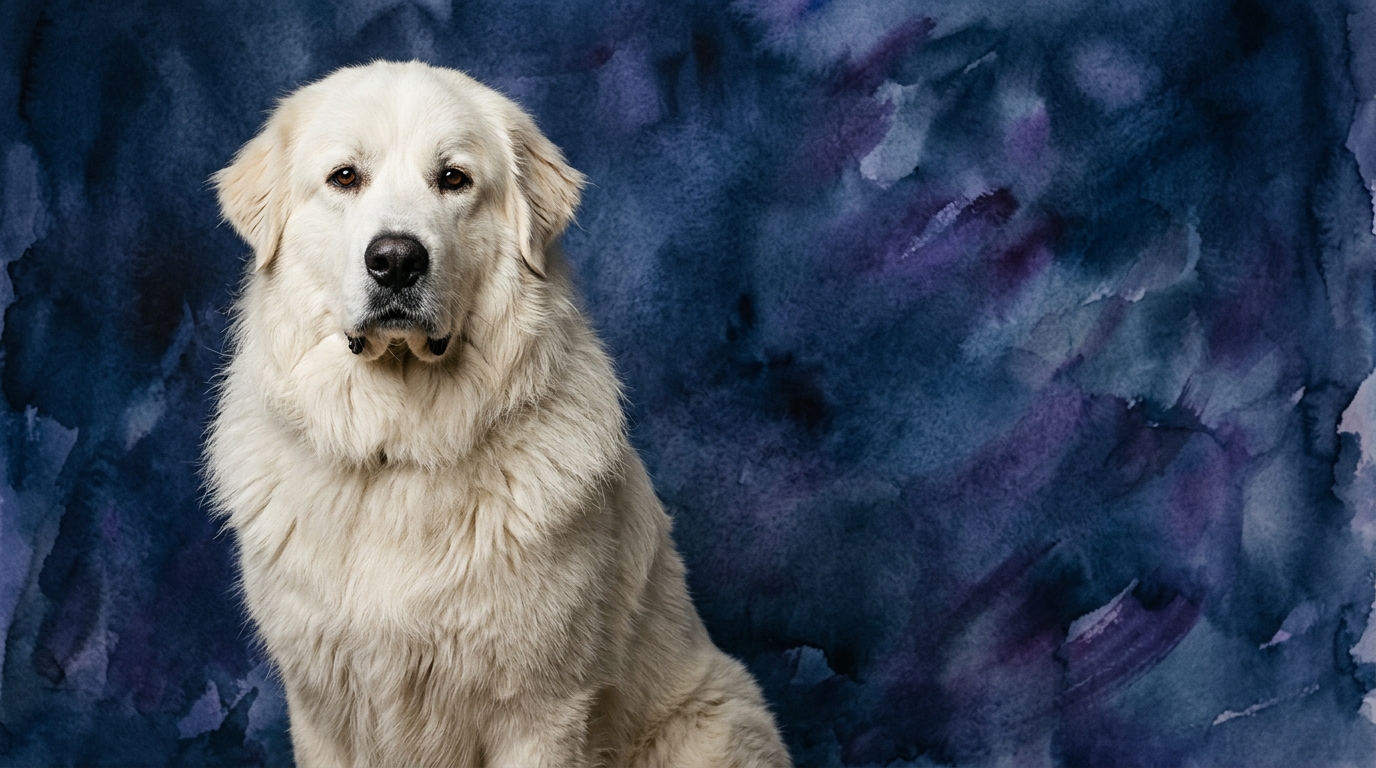
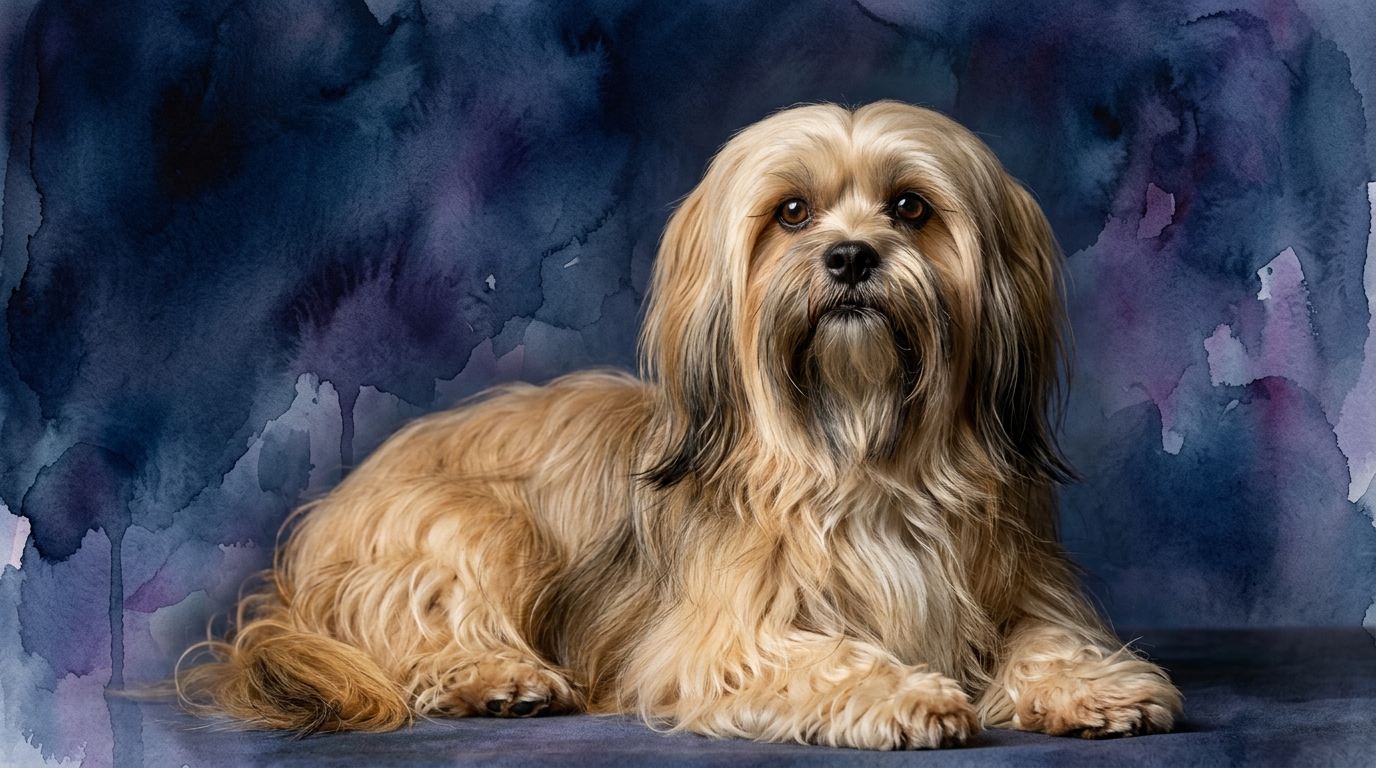
Side-by-Side IQ Profile: Great Pyrenees vs. Lhasa Apso
At The Cosmic Pet Pet IQ Lab, we evaluate canine cognition across five key dimensions. The Great Pyrenees, a Working breed ranked #64 by Coren, and the Lhasa Apso, a Non-Sporting breed ranked #68, both score 3/5 across the board. This identical numerical score, however, belies significant differences in how these breeds apply their cognitive abilities.
For the Great Pyrenees, a 3/5 in Problem Solving reflects their capacity for independent decision-making when protecting flocks; they assess threats and react without constant human direction. Their Training Speed at 3/5 indicates they can learn, but often process commands through the lens of their guarding instincts, sometimes appearing deliberate rather than eager. Social Intelligence at 3/5 speaks to their ability to bond deeply with their 'flock' (family), understanding subtle cues within their social group, though they may be reserved with strangers. Instinctive Drive at 3/5 is strongly tied to their protective nature and territorial awareness. Finally, their Memory at 3/5 allows them to recall threats, safe boundaries, and the routines of their charges over long periods.
The Lhasa Apso's 3/5 in Problem Solving manifests differently; it's about navigating complex indoor environments, outsmarting perceived intruders, or figuring out how to get their way with household members. Their Training Speed, also 3/5, means they can grasp commands, but their independent and sometimes stubborn temperament can make consistent compliance a challenge, often requiring creative motivation. Social Intelligence at 3/5 for the Lhasa Apso points to their sharp awareness of their human family's emotions and intentions, often forming strong, selective bonds. Their Instinctive Drive at 3/5 is rooted in their historical role as watchful sentinels, leading to keen alertness and a strong vocal warning system. A 3/5 in Memory for the Lhasa Apso enables them to remember routines, favored spots, and past interactions with remarkable clarity, holding grudges or affection with equal tenacity.
Where the Great Pyrenees Wins Cognitively
The Great Pyrenees truly excels in scenarios demanding autonomous judgment and a broad, encompassing awareness of their environment. Their problem-solving capabilities shine when they are tasked with protecting a wide perimeter, making independent decisions about potential threats without needing direct human input. This cognitive strength is a direct legacy of their livestock guarding heritage, where quick, self-reliant action was crucial for survival.
Their memory, while rated 3/5, is particularly robust for spatial awareness and long-term recognition of individuals within their 'flock' or territory. A Pyrenees remembers the layout of their domain and the regular patterns of their charges, enabling them to anticipate needs or deviations. This spatial and social memory contributes to their unwavering protective presence, allowing them to effectively manage a dynamic environment and respond appropriately to subtle changes over time.
Where the Lhasa Apso Wins Cognitively
The Lhasa Apso's cognitive strengths are rooted in their role as vigilant indoor guardians, leading to superior situational awareness within confined spaces. Their problem-solving, also 3/5, is often applied to navigating intricate social dynamics within a household, figuring out how to manipulate situations to their advantage, or alerting to the slightest unusual sound or movement. This focused problem-solving makes them excellent alarm systems.
Their social intelligence, while rated 3/5, is particularly acute in discerning human intentions and moods, often forming intense, almost psychic bonds with their chosen few. This allows them to anticipate their owner's actions and react accordingly, whether it's snuggling up during a quiet moment or providing a sharp bark at an unexpected visitor. Their memory, also 3/5, is impressive for recalling specific events, people, and routines, making them deeply attached and consistent in their responses to familiar stimuli.
Which is Easier to Train and Why
When considering ease of training, both breeds score 3/5 in Training Speed, yet their inherent motivations and behavioral tendencies create distinct challenges. The Great Pyrenees, bred for independent thought, often perceives commands as suggestions rather than directives. Their natural inclination is to assess a situation and decide if a command aligns with their guarding instincts or personal comfort. For instance, a Pyrenees might learn 'stay' quickly if it means guarding a specific spot, but might ignore it if they detect a perceived threat elsewhere, prioritizing their protective drive over immediate obedience. Training requires immense patience, consistency, and a deep understanding of their self-reliant nature, using positive reinforcement to encourage cooperation rather than forced compliance.
The Lhasa Apso, while capable of learning, possesses a strong-willed and independent streak that can make training feel like a negotiation. They are not as driven by a desire to please as some other breeds; instead, they often decide if a command is worth their effort or if there's something more interesting to attend to. For example, a Lhasa Apso might master 'sit' in a quiet room but then selectively ignore it when distracted by a new scent or person, viewing the command as secondary to their own investigative or territorial agenda. Effective training for a Lhasa Apso relies on making learning fun and rewarding, tapping into their intelligence through engaging games and consistent, short sessions to overcome their inherent stubbornness and keep them engaged.
Which Suits Active Owners vs. Relaxed Owners
The Great Pyrenees, despite their large size, are generally suited for relaxed owners who appreciate a calm, watchful presence and have ample space. While they require regular exercise to maintain health, their activity level is often a steady, patrolling gait rather than intense bursts of energy. They thrive in environments where they can survey their territory, whether that's a large yard or a rural property, and are content to observe. Owners who understand and respect their independent nature and provide a secure, spacious environment will find a deeply devoted, if not always effusively obedient, companion. They are not ideal for owners seeking a high-energy running partner or an eager participant in fast-paced dog sports.
The Lhasa Apso, conversely, can fit well with both relaxed and moderately active owners, provided their need for mental stimulation and consistent engagement is met. While they don't require vast amounts of physical exercise, their sharp minds and keen senses mean they benefit from regular walks, puzzle toys, and interactive play sessions. They are adaptable to apartment living but need consistent mental enrichment to prevent boredom and destructive behaviors. Owners who enjoy a dog with a distinct personality, who can engage them in training games, and who appreciate a watchful, sometimes sassy, companion will find the Lhasa Apso a rewarding fit. They are not for owners who prefer a dog that is always eager to please or melts into the background.
The Verdict: When to Choose Each Breed
The Verdict
Choose the Great Pyrenees if you value a majestic, independent guardian with a calm demeanor and possess ample space for them to survey their domain. They are ideal for owners who appreciate a dog that thinks for itself and offers a steadfast, protective presence without demanding constant direction.
Opt for the Lhasa Apso if you seek a spirited, vigilant companion with a bold personality, well-suited for indoor guardianship and adaptable to smaller living spaces. They thrive with owners who enjoy a dog with a distinct will, offering sharp alertness and devoted companionship through consistent engagement.
🧠 Find Your Pet's IQ Score
Our Pet IQ Lab assessment covers 25+ tests across 5 cognitive dimensions — personalized to your breed.
Take the Full IQ Test →Frequently Asked Questions
Do Great Pyrenees and Lhasa Apsos get along with children?
Great Pyrenees are generally patient and gentle with children within their 'flock,' often treating them as part of their charges to protect, though supervision is always wise due to their size. Lhasa Apsos can be good with respectful children but may have less tolerance for rough play due to their smaller size and independent nature, often preferring older, calmer children.
Are Great Pyrenees or Lhasa Apsos prone to specific behavioral issues?
Great Pyrenees can exhibit excessive barking due to their guarding instincts and may roam if not securely fenced, driven by their territorial patrol drive. Lhasa Apsos can be prone to stubbornness, selective hearing during training, and can develop separation anxiety or become overly territorial if not properly socialized and consistently managed.
Which breed is better for first-time dog owners?
Neither breed is typically recommended for first-time dog owners without significant commitment to understanding their unique needs and training challenges. Both require an owner who appreciates their independent cognitive styles, a Great Pyrenees for their self-reliant guarding, and a Lhasa Apso for their strong-willed and vigilant nature.