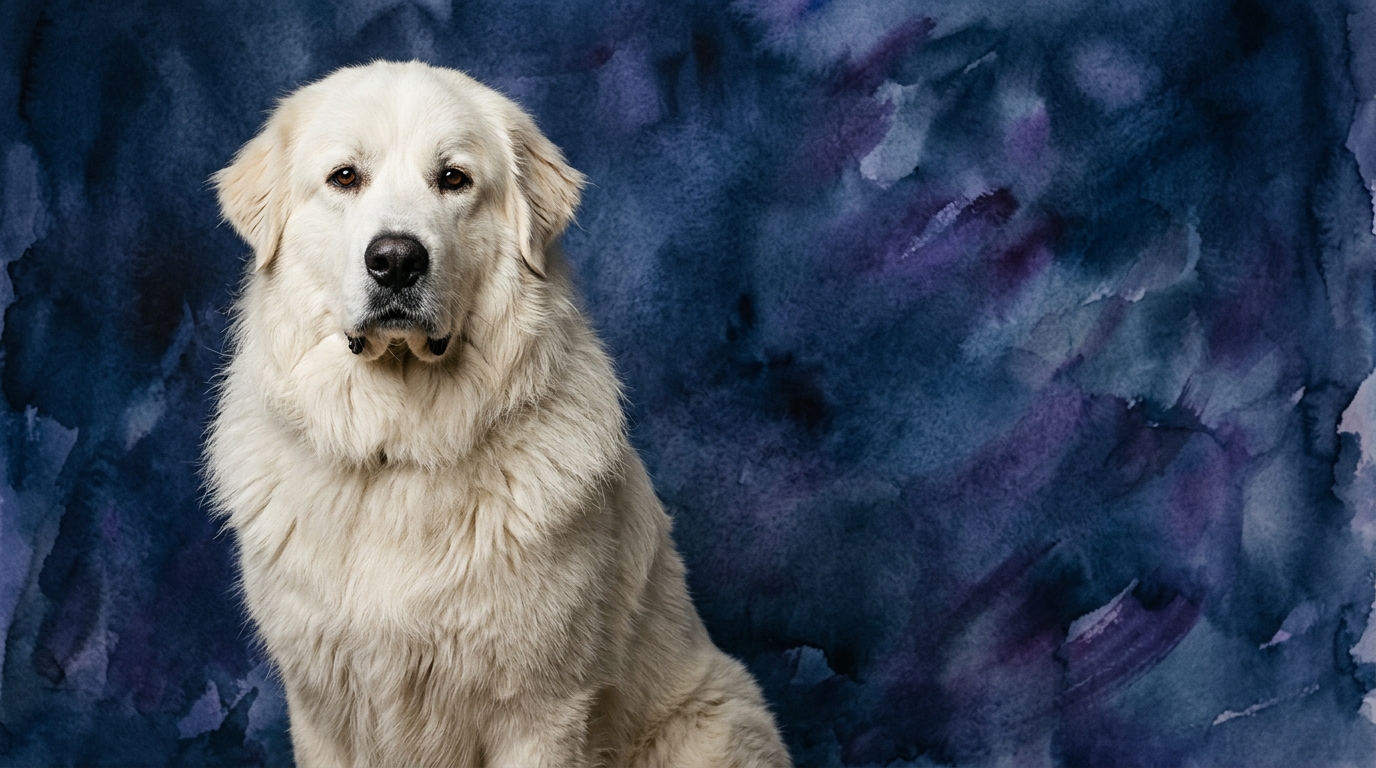
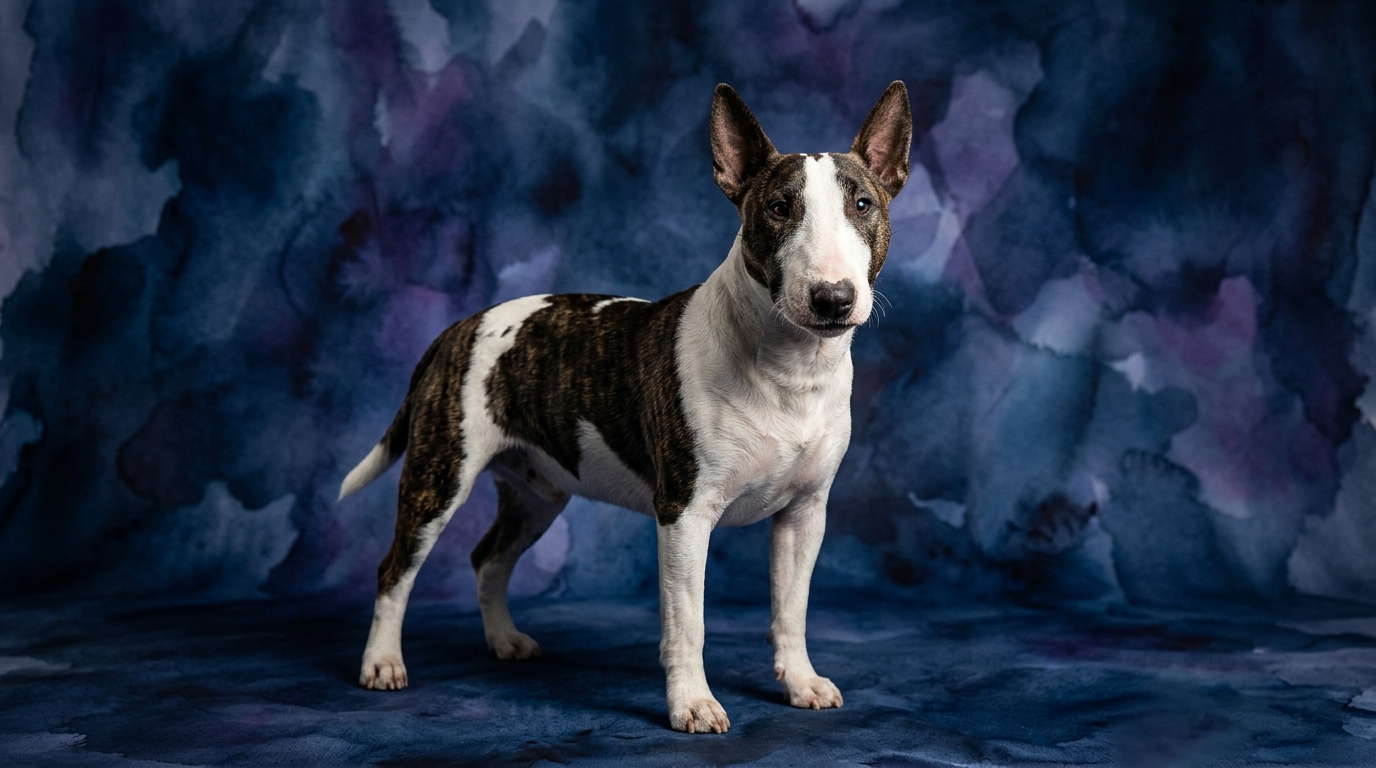
Side-by-Side Cognitive Profiles: Great Pyrenees vs. Miniature Bull Terrier
At The Cosmic Pet Pet IQ Lab, we delve beyond raw scores to understand the unique cognitive landscapes of each breed. Both the Great Pyrenees and the Miniature Bull Terrier register a consistent 3/5 across our five IQ dimensions: Problem Solving, Training Speed, Social Intelligence, Instinctive Drive, and Memory. However, the manifestation of these scores is profoundly shaped by their historical roles and inherent temperaments.
For the **Great Pyrenees (Working Group, Coren Rank #64)**, a 3/5 in **Problem Solving** often reflects their independent, watchful approach to assessing threats and devising strategies to protect their flock or family, frequently without direct human instruction. Their solutions prioritize patient vigilance over quick action. Their **Training Speed (3/5)** isn't a lack of capacity, but a deliberate, sometimes stubborn, weighing of perceived necessity against immediate compliance, especially if it conflicts with their deep-seated guardian instincts. **Social Intelligence (3/5)** manifests as a profound understanding of their family unit and potential threats, adeptly reading intentions to display protective instincts with their own and wariness towards strangers. Their **Instinctive Drive (3/5)** is powerfully expressed in their territoriality, constant vigilance, and readiness to deter perceived dangers, underpinning much of their cognitive function. Finally, their **Memory (3/5)** supports their guardian role, allowing them to recall boundaries, perceived threats, and established routines to maintain consistent oversight.
The **Miniature Bull Terrier (Terrier Group, Not Coren-Ranked)**, despite identical scores, presents a different cognitive picture. Their **Problem Solving (3/5)** often translates into creative mischief and determined pursuit of their own interests, such as figuring out how to open cabinets or manipulate situations to gain attention. This often involves a tenacious trial-and-error approach. Their **Training Speed (3/5)** is less about deliberation and more about an independent, sometimes impish, spirit; they learn quickly when motivated but their short attention span and desire for novelty can challenge consistent compliance. **Social Intelligence (3/5)** is typically expressed through an intense bond with their chosen human and a playful, sometimes boisterous, interaction style. They are generally adept at reading their owner's mood but might struggle with nuanced social cues outside their immediate circle. Their **Instinctive Drive (3/5)** is rooted in their terrier heritage: a strong prey drive, a desire for digging, and an energetic zest for life that fuels their curiosity and determination. Their **Memory (3/5)** is strong for routines, commands, and especially for past enjoyable or frustrating experiences, informing their future problem-solving and manipulative efforts.
Where Great Pyrenees Wins Cognitively
The Great Pyrenees truly shines in their capacity for **autonomous decision-making in crisis situations**. Their cognitive strength lies in their ability to assess complex, evolving scenarios, like a predator approaching livestock, and respond appropriately without needing specific commands. This isn't about rapid processing, but a deep, internalized understanding of their role, allowing them to execute it with calm, considered judgment—a unique blend of their problem-solving and instinctive drive.
Another cognitive advantage for the Pyrenees is their **sustained vigilance and environmental awareness**. They possess an exceptional capacity for maintaining a low-level, constant watch, processing subtle changes in their surroundings—a distant sound, an unusual scent, a change in wind direction. They integrate this information to maintain a broad-spectrum protective oversight, a testament to their social intelligence (understanding their charges' vulnerability), memory (recalling safe patterns), and powerful instinctive drive to protect.
Where Miniature Bull Terrier Wins Cognitively
The Miniature Bull Terrier's cognitive edge often emerges in their **sheer resourcefulness and adaptability when faced with novel challenges**. If a door is closed, a Minibull isn't likely to wait for permission; they'll experiment with pushing, pulling, jumping, or even vocalizing to achieve their goal. This creative, persistent problem-solving, coupled with their terrier drive, allows them to navigate and manipulate their immediate environment with a unique blend of tenacity and cleverness.
Minibulls also excel in **engagement and interactive problem-solving**, particularly those involving their human companions. Their ability to quickly grasp the rules of a new game, figure out complex puzzle toys, or even subtly 'train' their owners through charming antics demonstrates a quick processing speed for dynamic, engaging problems. Their social intelligence, combined with their instinctive drive for interaction, allows them to actively participate in and often direct these cognitive exchanges, making them compelling partners in mental games.
Which is Easier to Train and Why
Training a **Great Pyrenees** requires immense patience and a deep understanding of their independent nature. While their training speed is rated 3/5, this isn't due to a lack of learning capacity but rather a strong self-preservation and decision-making instinct. They learn commands but often prioritize their own judgment, especially if a command seems illogical or unnecessary from their guardian perspective. For example, a Pyrenees might understand 'come,' but if they perceive a threat, they might delay or ignore the command to maintain a watchful position. Consistency, positive reinforcement, and making training relevant to their protective instincts are crucial; they are driven to fulfill their role, not merely to please.
The **Miniature Bull Terrier**, also rated 3/5 for training speed, presents a different set of challenges. Their independent streak is rooted in terrier tenacity and a desire for novelty, rather than guardian deliberation. They learn quickly when engaged, but their attention can wander, and they can become bored with repetition. A Minibull might master a trick in a few repetitions but then decide that performing it repeatedly is less interesting than exploring a new scent. Their training benefits from short, fun sessions, varied exercises, and strong motivation with high-value rewards. They require an owner who can make training feel like an exciting game to overcome their independent and sometimes mischievous disposition.
Which Suits Active Owners vs. Relaxed Owners
**Great Pyrenees** generally suit more relaxed owners, or at least those who appreciate a calm, watchful presence. While they need regular exercise to maintain health, their energy expenditure isn't typically high-intensity. Their cognitive profile, with its emphasis on patient observation and independent decision-making, aligns with an owner who values a serene companion capable of autonomous thought. They thrive in environments where they have space to patrol and observe, making them ideal for owners with larger properties or a quiet lifestyle, perhaps even those with livestock they wish to protect. Their relaxed demeanor doesn't imply a lack of mental engagement; rather, their mental work is often internal and focused on guardianship.
**Miniature Bull Terriers** are undoubtedly better suited for active owners who can match their zest for life and provide consistent mental stimulation. Their cognitive make-up, characterized by resourceful problem-solving and an active instinctive drive, demands engagement. They need regular, vigorous exercise to channel their energy and thrive on interactive games, training challenges, and opportunities to explore. A relaxed owner might find a Minibull's boundless curiosity and determination overwhelming, potentially leading to destructive behaviors born of boredom. They are ideal companions for individuals or families who enjoy daily adventures, consistent training, and can appreciate a dog with a robust, playful personality.
The Verdict
Opt for the Great Pyrenees if you seek a calm, independent guardian whose cognitive strengths lie in patient observation, autonomous decision-making, and a deep, quiet loyalty to their family and territory.
Select the Miniature Bull Terrier if you desire a spirited, resourceful companion who thrives on active engagement, interactive problem-solving, and brings a playful, determined energy to daily life.
🧠 Find Your Pet's IQ Score
Our Pet IQ Lab assessment covers 25+ tests across 5 cognitive dimensions — personalized to your breed.
Take the Full IQ Test →Frequently Asked Questions
Do Great Pyrenees need a lot of exercise?
While Great Pyrenees aren't hyperactive, they do need moderate, consistent exercise to stay healthy and mentally content. Daily walks and access to a secure yard for patrolling are usually sufficient to meet their physical and cognitive needs.
Are Miniature Bull Terriers good with children?
Miniature Bull Terriers can be good with children, especially if raised with them, due to their playful and affectionate nature. However, their boisterous energy and strong prey drive mean supervision is essential, and early socialization is critical to ensure positive interactions.
Why are both breeds rated 3/5 across all IQ dimensions?
The 3/5 rating indicates an average capacity for learning and processing, but the *way* these cognitive traits manifest differs significantly between breeds due to their historical roles and inherent temperaments. It highlights that raw scores don't tell the full story of a breed's unique intelligence.