Side-by-Side IQ Profile: A Deeper Look
While both the Great Pyrenees and the Parson Russell Terrier register a 3/5 across all five cognitive dimensions in the Pet IQ Lab, understanding these scores requires context specific to each breed's inherent nature. These ratings, rather than indicating identical cognitive application, highlight a moderate capacity that is channeled very differently by their breed-specific traits and historical purposes.
For Problem Solving (3/5), the Great Pyrenees excels at independent judgment in their guardian role, assessing threats and determining courses of action without human instruction, often with deliberate, protective solutions. The Parson Russell Terrier's 3/5 manifests as tenacious, adaptable problem-solving, like navigating complex environments or figuring out how to access desired objects, driven by intense curiosity and prey drive. In Training Speed (3/5), the Pyrenees learns commands at a moderate pace, but compliance is often conditional on their perception of necessity for their duties, demanding patient reinforcement. The Parson Russell Terrier also learns moderately quickly, especially action-oriented tasks, but their spirited independence and prey drive make maintaining focus and consistent execution a challenge.
Social Intelligence (3/5) in a Great Pyrenees means a nuanced understanding of their 'flock' dynamics, reading moods and intentions to maintain harmony or intervene protectively, though interactions with strangers are reserved. The Parson Russell Terrier's 3/5 indicates a keen awareness of humans and other animals, particularly in cooperative play, but their boisterous intensity can sometimes lead to over-exuberance. Their Instinctive Drive (3/5) is powerfully expressed in the Pyrenees as an unwavering vigilance for guarding and protection, dictating much of their behavior through constant environmental assessment. For the Parson Russell Terrier, this drive is dominated by an insatiable urge to dig, chase, and explore, fueling their relentless energy and single-minded pursuit of tasks. Finally, Memory (3/5) in the Great Pyrenees reflects a robust retention of routines, boundaries, and critical knowledge about those they protect over long periods. The Parson Russell Terrier's memory score highlights excellent recall for learned routes, successful past strategies, and specific behaviors that lead to rewards, aiding their exploration and hunting endeavors.
Where the Great Pyrenees Wins Cognitively
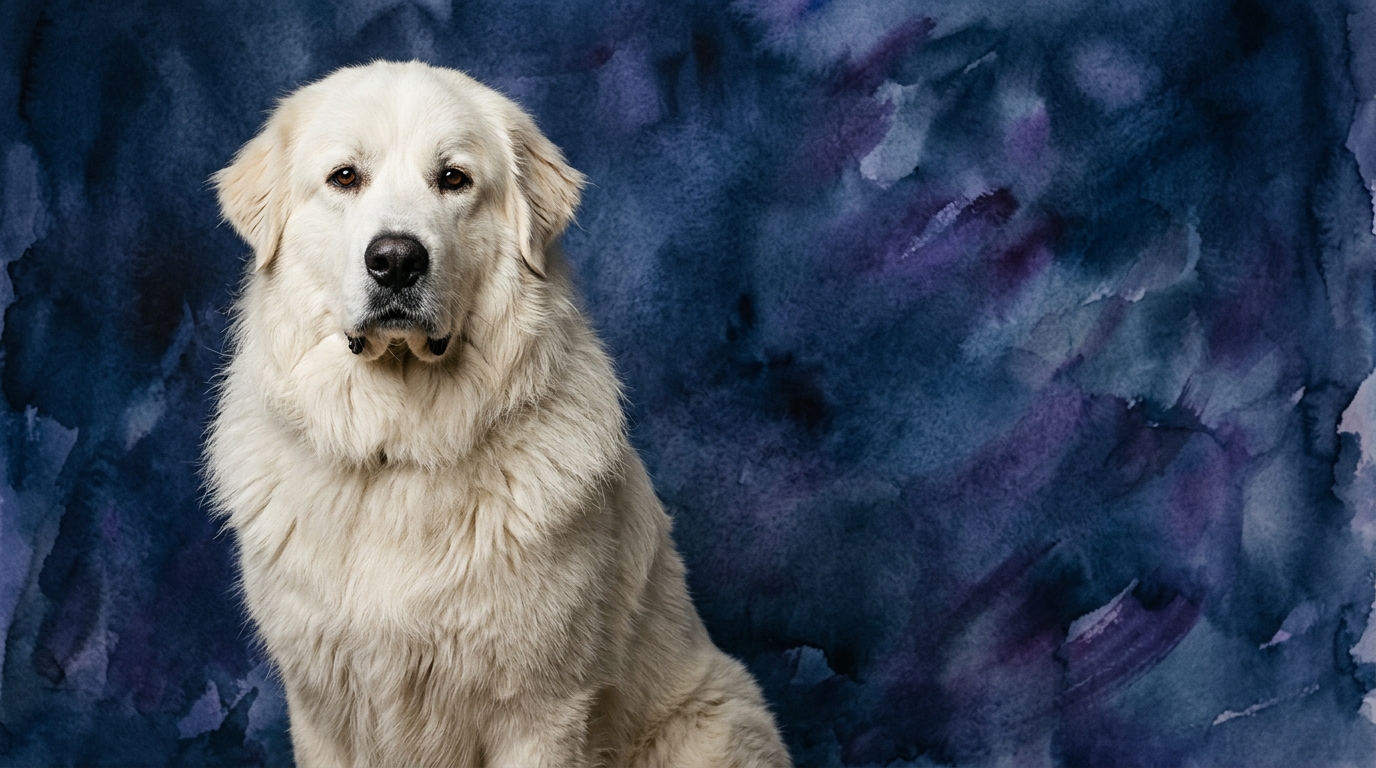
The Great Pyrenees distinguishes itself through its independent, strategic application of cognitive abilities in its role as a guardian. Their problem-solving prowess is evident in their capacity to independently assess and manage threats without requiring constant human direction. A Pyrenees doesn't await a command to protect its flock or family; it autonomously evaluates situations, discerning potential dangers and acting on its own judgment, a sophisticated display of real-time social intelligence and problem-solving in a dynamic environment.
Furthermore, their spatial reasoning in monitoring vast territories is a significant cognitive strength. They learn and retain intricate knowledge of patrol routes, optimal observation points, and potential vulnerabilities within their domain, demonstrating a profound understanding of their surroundings. This deep-seated memory and environmental awareness allow them to maintain constant vigilance and respond effectively to any perceived intrusion, showcasing a cognitive architecture built for enduring oversight rather than immediate, reactive engagement.
Where the Parson Russell Terrier Wins Cognitively
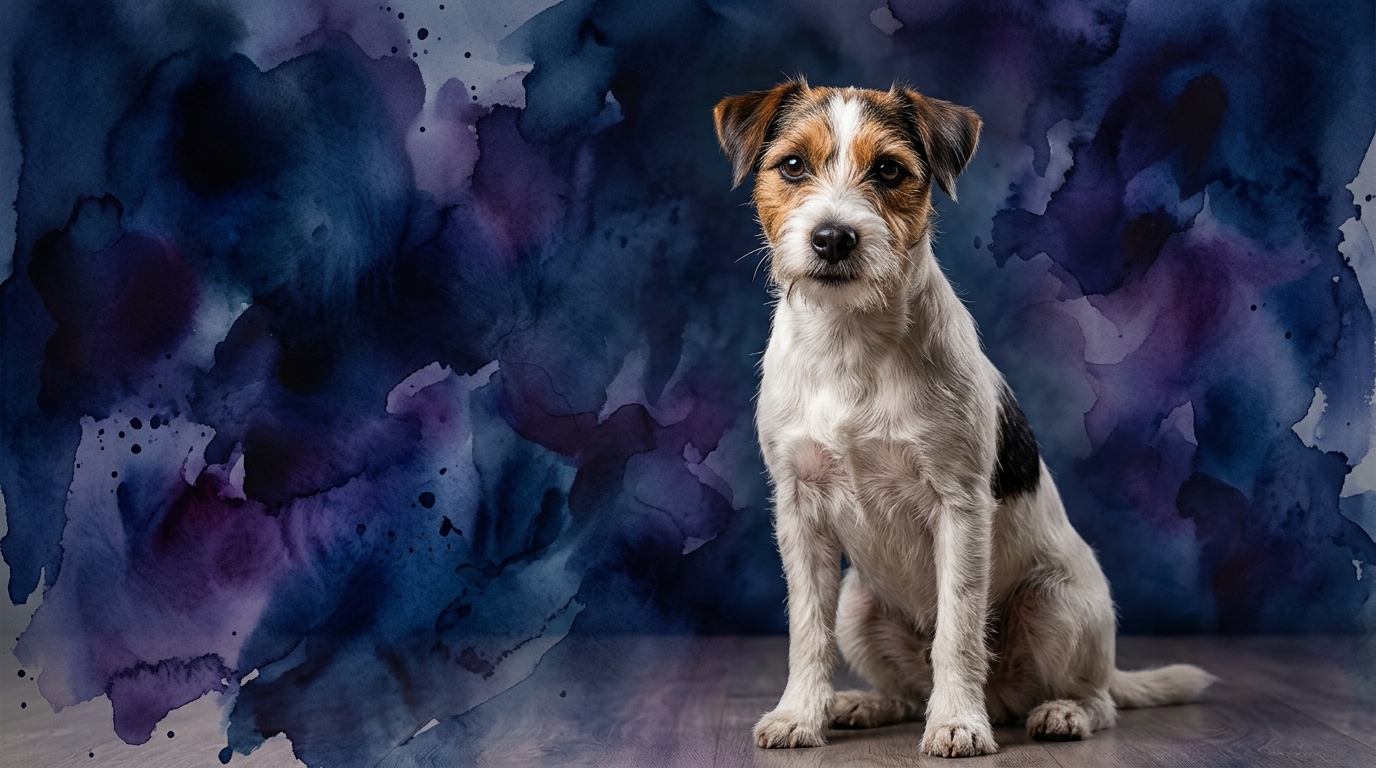
The Parson Russell Terrier's cognitive strengths lie in its quick-witted adaptability and tenacious focus, especially when driven by its powerful instincts. Their exceptional ability to 'read' the environment for subtle cues related to prey is a prime example of their cognitive edge. This involves rapid problem-solving to track scents, interpret sounds, and predict the movement of small animals, demonstrating a highly specialized application of their instinctive drive and memory for consistent success in their historical role.
Their tenacity and physical problem-solving in confined spaces further highlight their unique cognitive profile. A Parson Russell Terrier excels at navigating complex underground tunnels, squeezing through tight spots, and digging relentlessly to reach a goal. This requires not just physical prowess but also acute spatial awareness, rapid decision-making, and unwavering focus, all powered by their strong drive. They process information quickly and adjust their actions on the fly, showcasing reactive problem-solving and dynamic application of their cognitive resources in challenging, fast-paced scenarios.
Which is Easier to Train and Why
While both breeds share a 3/5 rating for training speed, the practical experience of training them diverges significantly due to their inherent temperaments and historical purposes. For the Great Pyrenees, training is less about the speed of acquisition and more about convincing a profoundly independent thinker that your command aligns with its own judgment or benefits its 'flock.' They absorb information and understand expectations, but their compliance is often conditional, based on their perception of necessity rather than an innate eagerness to please. Their ingrained guardian instincts mean they often prioritize protection over performing a learned trick, making consistent recall challenging if they are distracted by a perceived threat or simply exploring their domain. Success with a Pyrenees demands immense patience, consistency, and an understanding of their deep-seated motivations, fostering a partnership built on trust rather than strict obedience.
Conversely, the Parson Russell Terrier, despite the same training speed score, presents a different set of challenges. They can indeed pick up new tasks rapidly, especially if the activity involves action, mental stimulation, or a 'job' that appeals to their inherent drives. However, their formidable prey drive, boundless energy, and intense curiosity mean they are easily distracted, making consistent, precise obedience a considerable hurdle. Training a Parson Russell requires making tasks more engaging and rewarding than chasing a squirrel or digging a hole. Their high energy necessitates frequent, short, and high-intensity training sessions to maintain focus. While they excel in dog sports like agility due to their physical prowess and desire for action, their independent terrier spirit means they are not always looking for permission, requiring a trainer who can channel their exuberance effectively.
Suitability for Active vs. Relaxed Owners
The choice between these two breeds also hinges significantly on an owner's lifestyle. The Great Pyrenees, despite their often calm and majestic demeanor, requires specific engagement that goes beyond a relaxed, sedentary lifestyle. They need ample space to patrol, a perceived 'job' to do (even if it's guarding the family), and consistent, understanding guidance to manage their deep-seated independence and territorial instincts. A truly 'relaxed' owner who expects a couch potato might find themselves overwhelmed by their watchful barking, wandering tendencies, or subtle defiance. They are best suited for owners who appreciate a watchful, self-sufficient companion and can provide a secure, spacious environment that caters to their guardian nature.
In stark contrast, the Parson Russell Terrier is undeniably a breed for active owners. Their boundless energy, powerful prey drive, and profound need for mental stimulation mean they thrive on constant activity. Daily vigorous exercise, structured play, and consistent engagement in dog sports or challenging tasks are not just beneficial but essential to prevent boredom and the development of destructive behaviors. They are not suited for owners who prefer minimal interaction or a quiet home; a bored or under-stimulated Parson Russell Terrier is a force of nature. They are ideal for owners who enjoy hiking, running, participating in dog sports, or simply dedicating significant time to their dog's physical and mental needs, embracing a life filled with adventure and spirited companionship.
The Verdict
Choose the Great Pyrenees if you seek a majestic, independent guardian who will quietly observe and protect, valuing self-sufficiency and a strong territorial instinct, and you can provide ample space and consistent, understanding guidance.
Choose the Parson Russell Terrier if you desire an energetic, tenacious, and quick-witted companion for an active lifestyle, thriving on adventure, intense play, and mental challenges, and you are prepared for their unwavering drive and spirited independence.
🧠 Find Your Pet's IQ Score
Our Pet IQ Lab assessment covers 25+ tests across 5 cognitive dimensions — personalized to your breed.
Take the Full IQ Test →Frequently Asked Questions
Do Great Pyrenees need a lot of exercise?
While they appear calm, Great Pyrenees require moderate, consistent exercise and ample space to patrol. Their independent nature means they often prefer to roam and observe rather than intense, structured workouts, benefiting from a large, securely fenced yard or property to satisfy their territorial instincts.
Are Parson Russell Terriers good with other pets?
Parson Russell Terriers can cohabitate with other pets, especially if socialized from a young age, but their strong prey drive can make living with small, fast-moving animals challenging. Close supervision is often necessary, and their interactions should always be carefully managed to ensure safety for all.
How do I manage a Great Pyrenees' independent nature during training?
Managing a Great Pyrenees' independence involves building trust and demonstrating that your commands align with their protective instincts or benefit them. Positive reinforcement, patience, and understanding their inherent purpose as guardians will yield better results than forceful methods, as they respond best to respectful partnership and clear, consistent expectations.