Side-by-Side IQ Profile: Interpreting Shared Scores
At first glance, the Great Pyrenees and the Pointer appear to possess identical cognitive profiles, each scoring 3/5 across problem Solving, training Speed, social Intelligence, instinctive Drive, and memory. However, these identical scores manifest through vastly different lenses, shaped by their distinct evolutionary purposes and breed group characteristics. Understanding these nuances is key to appreciating their individual cognitive strengths.
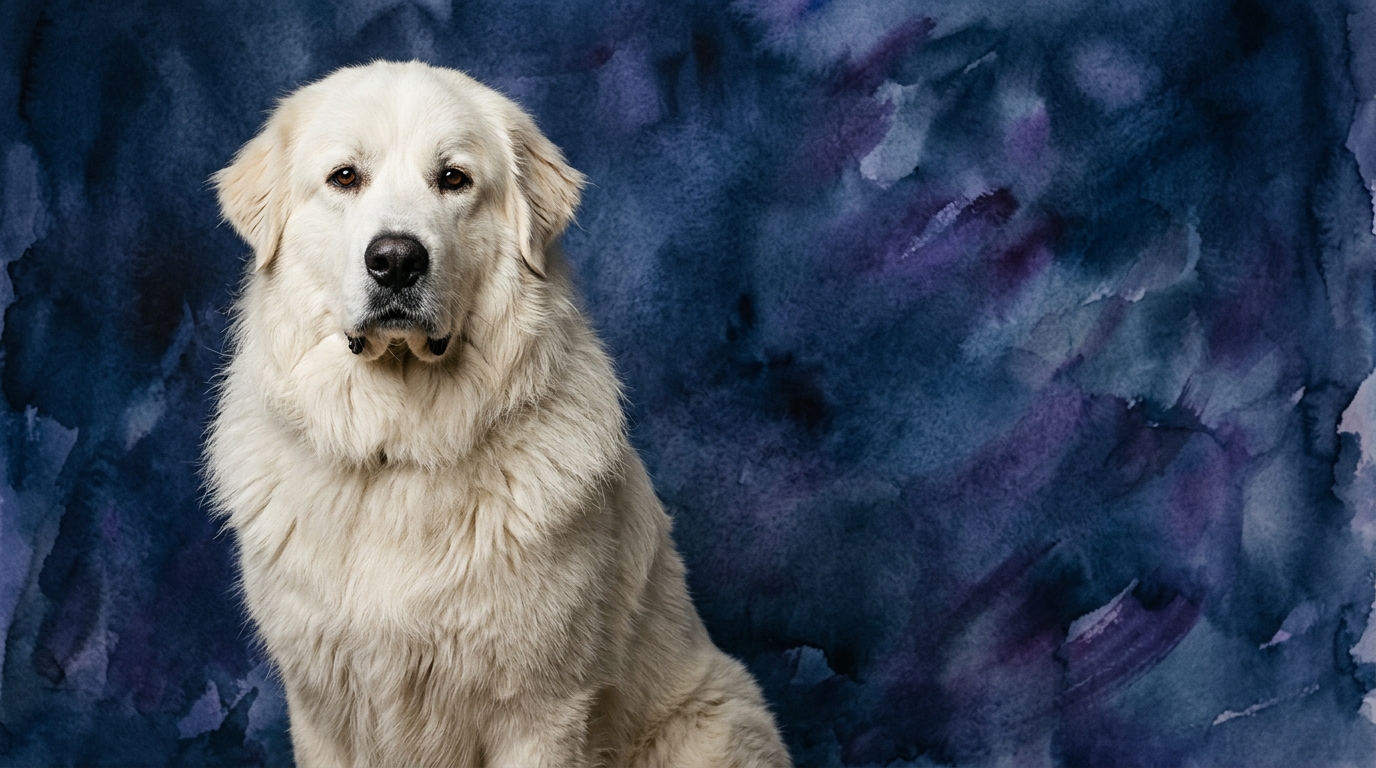
For the Great Pyrenees, a Working Group dog with a Coren rank of #64, their problem Solving (3/5) reflects a capacity for independent, situation-specific judgment, primarily in the defense of livestock. This isn't about solving abstract puzzles, but rather assessing threats, making autonomous decisions to deter predators, and navigating complex environmental challenges to protect their charges without direct human instruction. Their training Speed (3/5) indicates an ability to learn, yet often at their own discretion; these guardians are bred to think for themselves, not to be instantly compliant, meaning their learning pace is often dictated by their perception of a command's utility. Social Intelligence (3/5) in a Pyrenees is profoundly centered on their flock or family unit, displaying a deep understanding of their dynamics and vulnerabilities, while often exhibiting a reserved demeanor towards strangers. Their instinctive Drive (3/5) is a powerful, unwavering commitment to guardianship, marked by territorial vigilance and a protective instinct that prioritizes the safety of their perceived family. Finally, their memory (3/5) allows them to retain crucial information about their territory, routines, and the identity of regular visitors or potential threats, contributing to their consistent and reliable protective role.
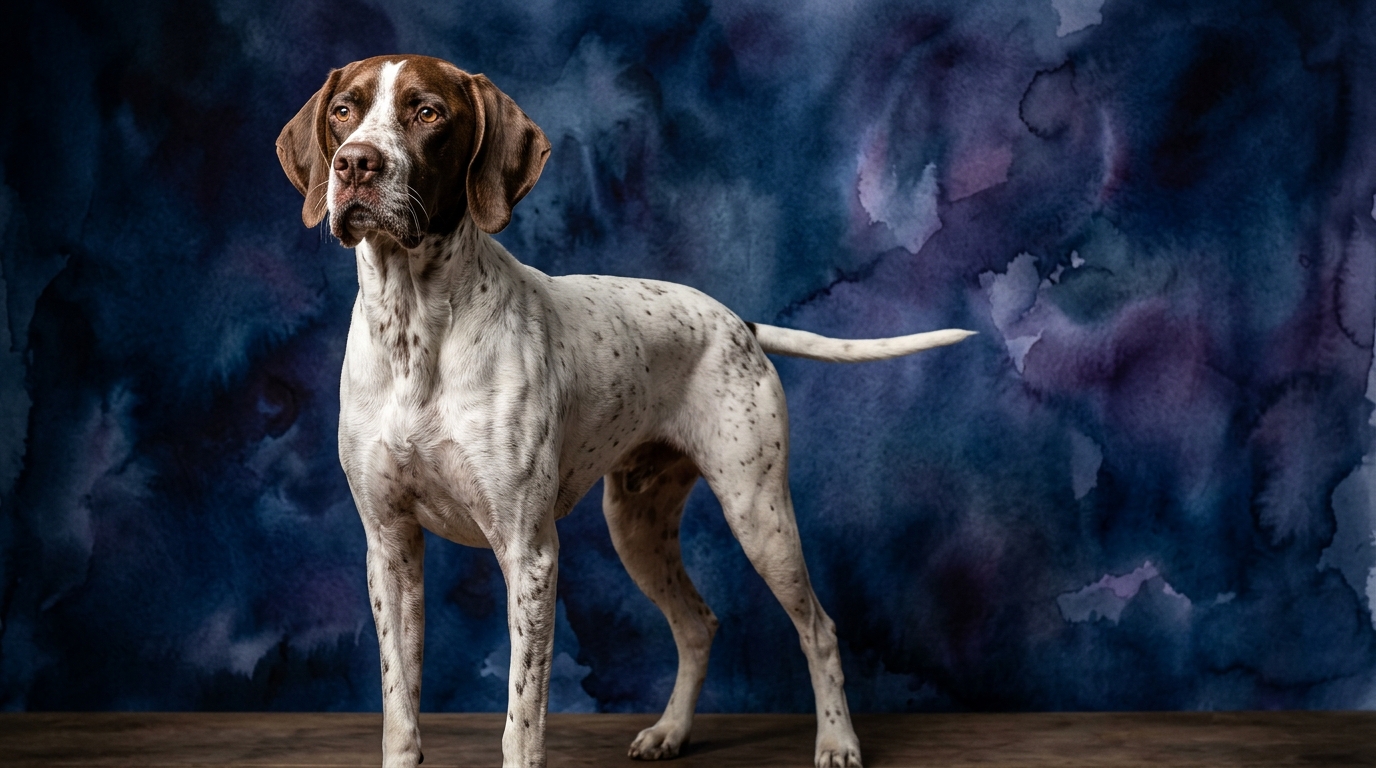
The Pointer, a Sporting Group dog without a Coren ranking, interprets its problem Solving (3/5) score through the lens of its hunting heritage. This involves intricate navigation of varied terrains, strategic use of scent to locate game birds, and the ability to adapt hunting tactics based on environmental cues. Their problem-solving is highly specialized for fieldwork, requiring focus and precision. Their training Speed (3/5) showcases an eagerness to learn and cooperate with a handler on tasks relevant to their purpose, often responding with enthusiasm. However, their intense focus on scent and prey drive can sometimes lead to distractions, requiring consistent direction. Social Intelligence (3/5) for a Pointer is characterized by a strong, cooperative bond with their human hunting partner, demonstrating an acute ability to read subtle body language and vocal cues, which is vital for effective team hunting. Their instinctive Drive (3/5) is powerfully defined by a high prey drive specifically for birds, coupled with an innate desire to search, point, and retrieve, making them tireless and dedicated in the field. Their memory (3/5) is adept at recalling complex sequences of hunting commands, intricate scent patterns, and the layout of hunting grounds, ensuring consistent and efficient performance in their specialized role.
Where the Great Pyrenees Wins Cognitively
The Great Pyrenees' cognitive strengths truly shine in scenarios demanding independent thought and self-directed decision-making. Their 3/5 problem-solving capability manifests as a superior ability to assess and manage threats autonomously, a critical trait for a livestock guardian. Unlike breeds that await human instruction, a Pyrenees makes nuanced judgments about potential dangers, discerning between a harmless stranger and a genuine threat, and implementing appropriate deterrents on their own. This cognitive independence extends to their social intelligence, where their discernment allows them to prioritize the welfare of their charges, whether human or animal, above all else. They possess an unwavering, sustained vigilance, not as a reactive burst, but as a constant, low-level cognitive engagement with their environment, making them exceptional at long-term, self-regulated protection without constant human oversight. Their memory, while rated 3/5, is particularly strong in retaining environmental patterns and the identities of individuals, which is paramount for effective territorial defense.
Where the Pointer Wins Cognitively
The Pointer's cognitive advantages are most evident in their capacity for focused, cooperative task execution, especially in high-stimulus environments. Their 3/5 problem-solving is exceptional when applied to specific objectives like locating and signaling game; they excel at processing complex sensory information (primarily scent) and translating it into actionable intelligence for their handler. This breed demonstrates a remarkable ability to maintain intense concentration on a single task, even amidst distractions, showcasing a mental stamina tailored for prolonged fieldwork. Their social intelligence, also rated 3/5, allows for an almost telepathic understanding with their human partner, enabling them to interpret subtle cues and execute commands with precision and enthusiasm. This collaborative intellect makes them outstanding partners for activities requiring synchronized effort. Furthermore, their instinctive drive, specifically for birds, fuels a relentless pursuit and an innate understanding of hunting dynamics, allowing them to anticipate and react with speed and accuracy, making them highly effective in their specialized role.
Which is Easier to Train and Why
When considering ease of training, the Pointer generally presents a more straightforward path for owners seeking a biddable companion. Their 3/5 training speed is often amplified by an inherent eagerness to work collaboratively with their handler and a strong desire to please, particularly when the training aligns with their natural prey drive or opportunities for physical activity. They respond well to positive reinforcement and clear, consistent direction, quickly grasping commands and sequences related to their field work. However, their high energy and environmental focus can mean that training requires an owner capable of channeling that drive effectively and managing potential distractions.
The Great Pyrenees, while capable of learning at a 3/5 training speed, often requires a different approach due to their independent nature. They are bred to be self-sufficient decision-makers, which can be perceived as stubbornness in a traditional obedience setting. A Pyrenees will learn commands, but their compliance is often contingent on their assessment of the command's relevance or utility within their guarding framework. Training them requires immense patience, understanding their motivations, and making tasks meaningful from their perspective. They respond best to a relationship built on trust and respect, rather than forceful commands, and excel when tasks are integrated into their natural guardian instincts, rather than purely arbitrary exercises. This makes them less 'easy' in the conventional sense but profoundly capable when their intellect is engaged on their terms.
Which Suits Active Owners vs. Relaxed Owners
For owners with an active lifestyle, particularly those who enjoy outdoor sports, long runs, or field activities, the Pointer is an ideal match. Their boundless energy, coupled with their cognitive drive for directed tasks, means they thrive when given ample physical exercise and mental stimulation that engages their hunting instincts. An active owner who can provide consistent opportunities for running, exploring, and engaging in structured activities will find a highly motivated and cooperative companion in a Pointer. They require a significant outlet for their physical and mental vigor to prevent boredom and destructive behaviors.
Conversely, the Great Pyrenees is better suited for more relaxed owners, particularly those who can provide a spacious, secure environment for them to patrol. While large, they are not hyperactive dogs and do not demand intense, directed physical exercise in the same way a Pointer does. Their preferred mode of activity is often a calm, observant patrol of their territory, occasionally interspersed with short bursts of activity. Relaxed owners who appreciate an independent, watchful presence, and are prepared for a dog that primarily exercises its guarding instincts through subtle vigilance rather than constant movement, will find the Pyrenees a fitting companion. They require companionship and purpose, but their physical demands are less about high-intensity output and more about consistent presence and environmental monitoring.
The Verdict
Choose a Great Pyrenees if you seek an independent, watchful companion who excels at subtle, self-directed protection and thrives with space and a perceived 'flock' to oversee. Their cognitive strengths lie in autonomous decision-making and sustained vigilance.
Opt for a Pointer if you desire an energetic, cooperative partner for outdoor adventures, field sports, or focused task work, valuing a dog that thrives on shared activity and clear direction. Their intellect shines in collaborative, task-oriented pursuits.
🧠 Find Your Pet's IQ Score
Our Pet IQ Lab assessment covers 25+ tests across 5 cognitive dimensions — personalized to your breed.
Take the Full IQ Test →Frequently Asked Questions
Do Great Pyrenees need more mental stimulation than Pointers?
The type of mental stimulation differs significantly. Great Pyrenees require mental engagement that satisfies their guardian instincts, like observing their territory and making independent decisions, which can be less overt. Pointers, conversely, thrive on mental stimulation that involves problem-solving within a directed task, such as scent work or complex obedience, often in a high-energy context.
Are Pointers better for first-time dog owners?
Pointers can be suitable for first-time owners who are committed to providing substantial exercise, consistent training, and mental engagement for a high-drive dog. Their biddable nature can make initial training rewarding. Great Pyrenees, due to their independent decision-making and guardian instincts, often require an owner experienced in understanding and managing a dog with strong self-reliant tendencies.
How does the '3/5' IQ score translate differently for each breed?
A '3/5' IQ score for the Great Pyrenees signifies capabilities geared towards independent problem-solving for protection and self-directed learning based on perceived utility. For the Pointer, the same '3/5' score reflects an aptitude for cooperative problem-solving in task-specific scenarios, like hunting, and a learning speed driven by handler interaction and task relevance. The score itself is a baseline, but its practical application is shaped by each breed's inherent purpose.