Side-by-Side IQ Profile: Unpacking Identical Scores, Different Minds
The Cosmic Pet Pet IQ Lab assigns both the Great Pyrenees and the Sealyham Terrier a consistent 3/5 across all five cognitive dimensions, a rare occurrence that invites a deeper look into how these scores manifest uniquely for each breed. This isn't about one being "smarter" than the other, but rather how their cognitive functions are applied based on their historical imperatives and inherent breed temperaments.
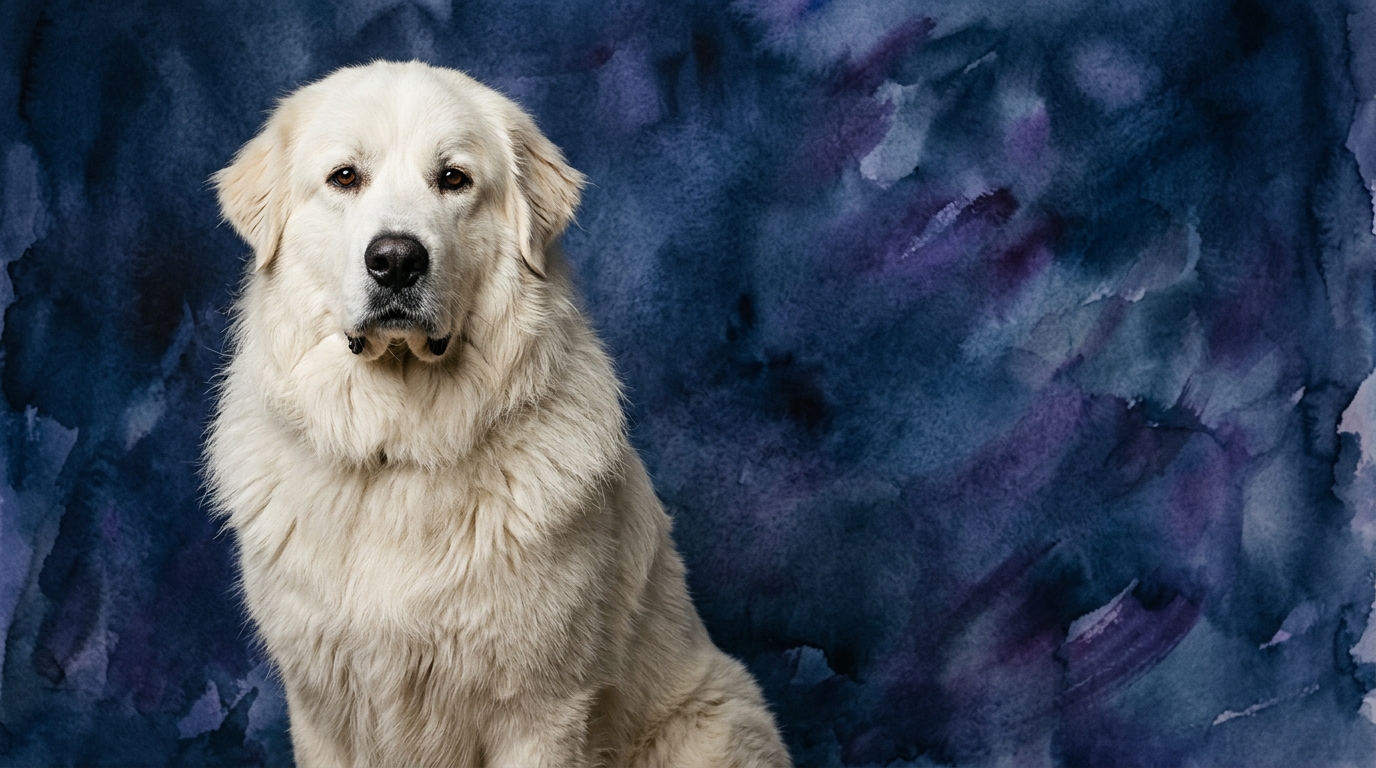
For the Great Pyrenees, a majestic livestock guardian with a Coren rank of #64, their Problem Solving (3/5) centers on independent analysis of environmental threats and herd safety. They excel at assessing situations without direct human command, determining when to intervene and how to deter potential predators or perceived dangers. This involves a complex understanding of their territory and the behavior of their charges. Their Training Speed (3/5) reflects their capacity to learn at a moderate pace, but often with a strong independent streak, questioning the necessity or logic of a command if it doesn't align with their deeply ingrained guarding instincts. Social Intelligence (3/5) for the Pyrenees involves discerning friend from foe with keen accuracy, understanding the subtle dynamics within a flock or family, and forming profound, protective bonds with their charges, whether sheep or human family members. Their Instinctive Drive (3/5) is powerfully geared towards protection, patrolling boundaries, and a strong sense of territoriality, often expressed through vigilant observation and a deterrent bark. Memory (3/5) allows them to retain extensive knowledge of their territory, the patterns of regular visitors, and past threats, all contributing to their vigilant and effective guardianship.
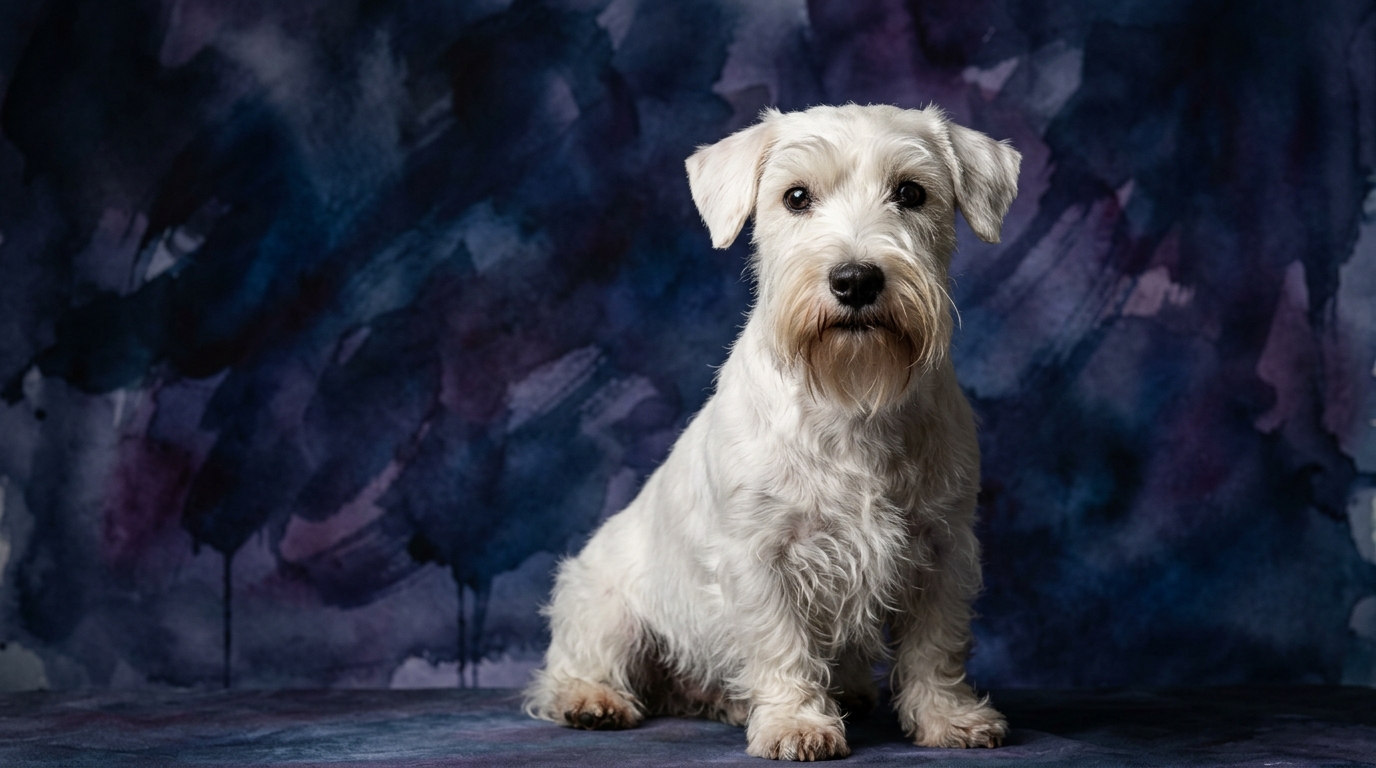
The Sealyham Terrier, a tenacious hunting terrier not included in Coren's rankings, expresses its Problem Solving (3/5) through strategic pursuit and flushing of small game from burrows. This involves intricate spatial reasoning to navigate underground tunnels, persistent determination to overcome obstacles, and quick tactical decisions to corner prey. Their Training Speed (3/5) indicates a moderate learning ability, yet it’s often tempered by the characteristic terrier independence and a powerful drive to follow their own instincts, making consistent application of commands a nuanced challenge that requires engaging their inherent motivations. Social Intelligence (3/5) manifests in their keen awareness of their human partners during a hunt, understanding subtle cues and intentions, and their devoted, if sometimes reserved, interaction within their family unit, often expressing affection through playful nips or a determined cuddle. Their Instinctive Drive (3/5) is intensely focused on prey drive, digging, barking, and a relentless pursuit of quarry, often exhibiting a single-mindedness that can be both admirable and challenging. Memory (3/5) serves them well in recalling hunting routes, specific commands related to their work, and the intricate boundaries of their immediate environment, making them efficient and persistent in their tasks.
Where the Great Pyrenees Wins Cognitively: The Vigilant Strategist
The Great Pyrenees' cognitive strengths lie in their capacity for autonomous, broad-scope decision-making, a trait honed over centuries of independent guardianship. Their Problem Solving (3/5) is distinctively superior when it comes to assessing complex, evolving threats across a large territory, prioritizing the safety of their charges over immediate obedience to a human. This isn't about solving a simple puzzle box, but rather solving the dynamic "puzzle" of environmental security – identifying subtle changes in wind direction that might carry a predator's scent, discerning the difference between a playful neighbor and a genuine intruder, or recognizing distress signals from a lamb. Their Social Intelligence (3/5) excels in understanding the subtle nuances of a flock or family unit, intervening not just on command, but when they perceive a genuine need, demonstrating a sophisticated emotional and situational awareness that underpins their protective role. This comprehensive, independent cognitive processing for vigilance is where they truly shine.
Where the Sealyham Terrier Wins Cognitively: The Tenacious Tactician
Conversely, the Sealyham Terrier's cognitive advantages shine in focused, intense, and persistent problem-solving within a confined, challenging scope. Their Problem Solving (3/5) is superior when it involves intricate, close-quarters strategizing – maneuvering through tight spaces, outsmarting burrowing prey, and demonstrating an unwavering resolve to complete a task regardless of obstacles. This requires a unique blend of spatial awareness, quick decision-making under pressure, and an almost obsessive tenacity to succeed. Their Instinctive Drive (3/5) fuels this cognitive strength, allowing them to maintain intense focus on a singular objective for extended periods, ignoring distractions that would deter other breeds. This powerful drive, combined with their memory (3/5) for specific tactical approaches and a high tolerance for frustration, makes them formidable in tasks requiring sustained, directed effort and a "never give up" attitude in challenging and often claustrophobic environments.
Which is Easier to Train and Why: Independence vs. Instinct
Despite identical Training Speed scores (3/5), neither breed is typically considered "easy" to train, but for very different reasons rooted in their historical purposes. The Great Pyrenees' training challenge stems from their profound independence and ancient role as decision-makers. They are bred to work autonomously, often miles from a human shepherd, meaning they inherently question commands that don't align with their perceived duty or logic. Training a Pyrenees requires immense patience, consistency, and a deep understanding of their motivations, often needing to convince them why a command is relevant to their protective nature or the safety of their "flock." They are not naturally inclined to eager, unquestioning obedience for its own sake.
The Sealyham Terrier, while also scoring 3/5, presents a different training dynamic. Their challenge arises from their intense prey drive and tenacious, often stubborn, terrier personality. They learn commands moderately well, but their powerful Instinctive Drive (3/5) to dig, chase, and bark can easily override learned behaviors if not managed with clear boundaries, consistent engagement, and highly motivating rewards. Training a Sealyham often involves harnessing their innate drives and channeling them into desired behaviors rather than trying to suppress them entirely, requiring creative and persistent approaches to keep them focused on human-directed tasks over their inherent terrier pursuits.
Which Suits Active Owners vs. Relaxed Owners: Lifestyle Alignment
The choice between these two breeds, given their cognitive profiles and energy requirements, often comes down to lifestyle compatibility. The Great Pyrenees might appear suited for "relaxed" owners due to their calm demeanor indoors, but this is deceptive. They require a specific kind of owner—one who appreciates their independent spirit and can provide a large, secure space for them to patrol and fulfill their guarding instincts. They are not suited for highly active, fast-paced owners seeking a jogging partner, but rather for those who can offer consistent, gentle leadership and ample mental stimulation through their 'job' of vigilance. Their "relaxed" state is often one of quiet observation and readiness, not idleness.
The Sealyham Terrier, despite its compact size, is definitively for active owners. Their strong Instinctive Drive (3/5) and problem-solving tenacity demand regular, structured outlets for their energy and mental engagement. They thrive with owners who enjoy interactive play, puzzle toys, earth dog trials, or consistent training that taps into their drive for discovery and "work." A relaxed owner who cannot provide sufficient mental and physical exercise will likely find a Sealyham expressing its intelligence through destructive digging, excessive barking, or relentless pursuit of imaginary prey, making them a poor fit for a truly sedentary lifestyle.
The Verdict
Choose the Great Pyrenees if you seek a majestic, independent guardian who will quietly survey your property and family with a deep, discerning social intelligence, and you are prepared for a dog whose profound loyalty manifests as autonomous protection rather than eager obedience.
Choose the Sealyham Terrier if you desire a tenacious, spirited companion eager for focused engagement and problem-solving activities, and you are an active owner ready to channel their intense instinctive drive and clever tactical mind into rewarding pursuits.
🧠 Find Your Pet's IQ Score
Our Pet IQ Lab assessment covers 25+ tests across 5 cognitive dimensions — personalized to your breed.
Take the Full IQ Test →Frequently Asked Questions
Do Great Pyrenees and Sealyham Terriers need a lot of mental stimulation?
Yes, both breeds benefit significantly from mental stimulation, though the type differs. Great Pyrenees thrive on having a "job" of observation and protection, while Sealyham Terriers need activities that engage their problem-solving skills and strong prey drive, like puzzle toys or scent work.
Are Great Pyrenees good family dogs despite their independence?
Great Pyrenees are often excellent family dogs, forming deep, protective bonds with their human "flock." Their social intelligence allows them to be gentle and patient with children, though their independence means they may not be constantly seeking interaction or be immediately obedient.
Can Sealyham Terriers live in apartments?
Sealyham Terriers can potentially adapt to apartment living if their owners are committed to providing ample daily exercise and mental engagement. Their compact size is suitable, but their strong instinctive drive for digging and barking requires consistent management and outlets to prevent frustration.