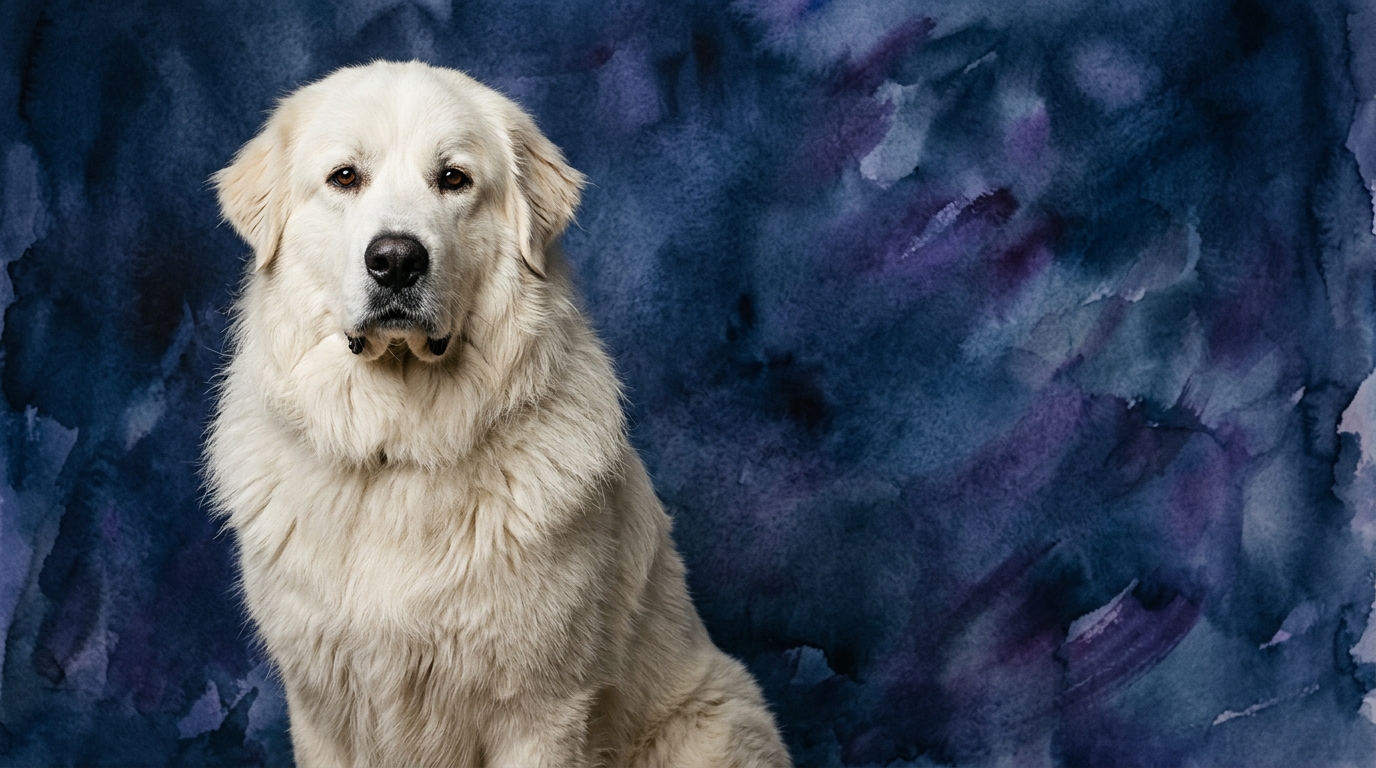
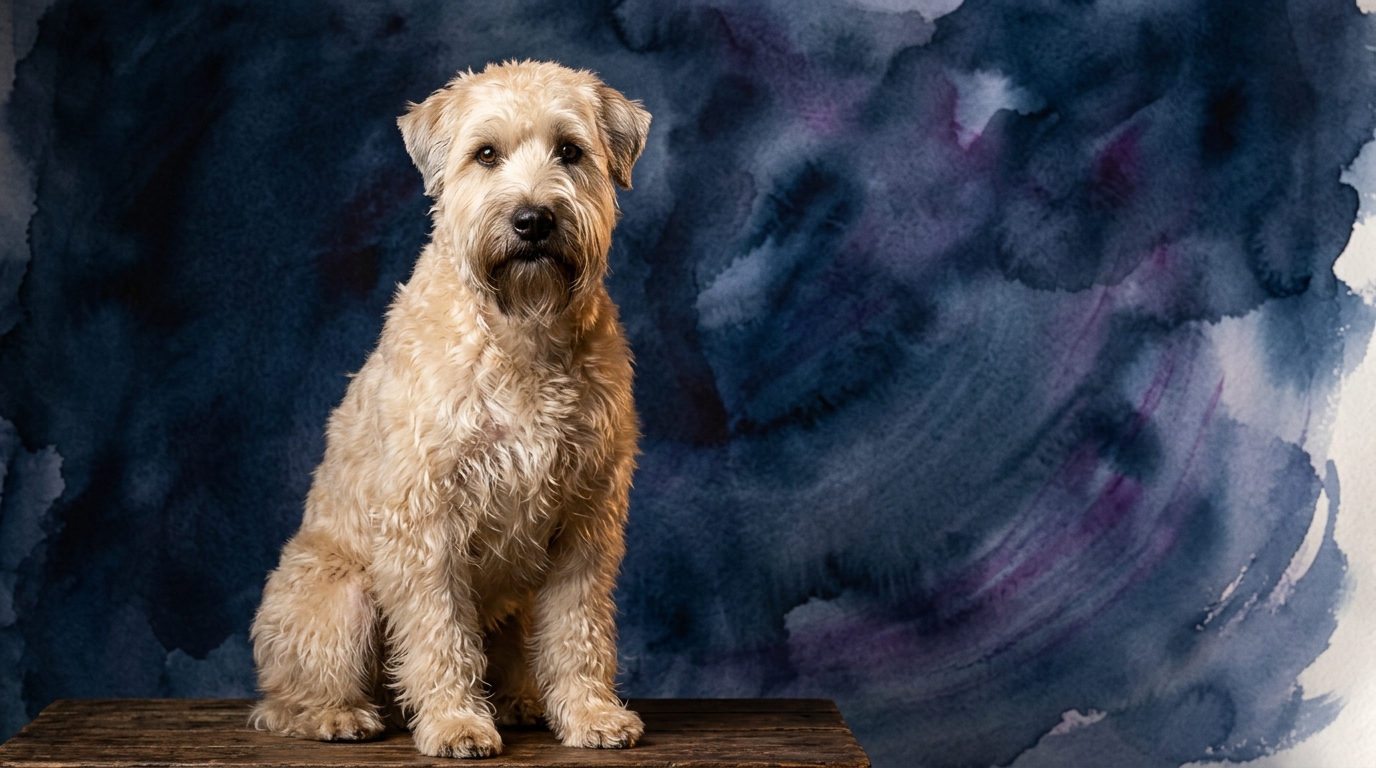
Side-by-Side Cognitive Profile: Great Pyrenees vs. Soft Coated Wheaten Terrier
Despite both breeds scoring 3/5 across all five cognitive dimensions in the Cosmic Pet IQ Lab, the application and manifestation of these capacities are profoundly shaped by their historical roles and inherent temperaments. Understanding these nuances provides a richer picture than raw scores alone.
For the Great Pyrenees, a **Problem Solving (3/5)** score signifies a measured, independent approach to challenges. They assess situations calmly, relying on deep-seated protective instinct to strategize how to manage a flock or patrol a perimeter, making decisions without constant human oversight rather than solving complex puzzles. Their **Training Speed (3/5)** indicates capability, but their independence can make them seem less eager to please; they process commands but often prioritize their own assessment of utility or comfort. **Social Intelligence (3/5)** centers on observation and discernment, attentive to family emotions but with a calm, watchful presence, skilled at reading intentions in line with their guardian role. Their **Instinctive Drive (3/5)** is profoundly shaped by livestock guarding, translating into strong territoriality and a protective nature towards their perceived family. Finally, a **Memory (3/5)** allows them to retain commands, routines, and territory layout, particularly strong for duties like remembering who belongs and who doesn't.
The Soft Coated Wheaten Terrier's **Problem Solving (3/5)** manifests as clever, persistent ingenuity in exploring their environment or getting what they want. They figure out how to open cupboards or retrieve hidden toys, driven by spirited curiosity rather than complex logic. Their **Training Speed (3/5)** suggests capable learning, but boundless enthusiasm and occasional stubbornness make sessions lively; they grasp concepts but need engaging, varied methods to maintain focus. **Social Intelligence (3/5)** is vibrant, often expressed through their "Wheaten Greetin'," thriving on interaction and seeking to participate in family activities. Their **Instinctive Drive (3/5)**, rooted in terrier heritage, includes a moderate prey drive, love for digging, and an energetic, persistent nature, fueling curiosity and need for stimulation. A **Memory (3/5)** provides reliable recall for routines, people, and commands, especially when associated with positive, enjoyable interactions.
Where the Great Pyrenees' Cognitive Style Excels
The Great Pyrenees' cognitive strengths shine brightest in areas demanding independent judgment and serene watchfulness. While both breeds score 3/5 in problem-solving, the Pyrenees applies this capacity to evaluate environmental cues for potential threats, making calm, calculated decisions about how to best protect their charges without needing direct instruction. Their cognitive processes are geared towards long-term vigilance and strategic oversight, allowing them to patiently monitor vast areas and discern subtle changes in their surroundings. This manifests as a thoughtful, deliberate processing style that prioritizes security and stability over rapid, impulsive action.
Where the Soft Coated Wheaten Terrier's Cognitive Style Excels
Conversely, the Soft Coated Wheaten Terrier's cognitive advantages are evident in their adaptable engagement with the world and their quick social responsiveness. Their 3/5 problem-solving score translates into a nimble curiosity, enabling them to explore new environments or devise playful strategies to interact with people and objects. They excel in situations requiring enthusiastic participation and a lively response to novel stimuli, often using their intelligence to initiate games or draw attention. Their cognitive style is characterized by an energetic, interactive approach, making them adept at navigating dynamic social situations and finding joy in exploration.
Training Dynamics: Great Pyrenees vs. Soft Coated Wheaten Terrier
Determining which breed is 'easier' to train is less about raw intellectual capacity and more about managing their distinct temperaments, as both hold a 3/5 in training speed. The Great Pyrenees requires immense patience and an understanding of their deep-seated independence. A Pyrenees may understand a command but choose not to execute it if they perceive it as unnecessary or counter to their guarding instincts. Their thoughtful approach demands a consistent, respectful method, where motivation stems from building a strong bond and making them feel like a partner. Repetitive, drill-based training is often counterproductive.
The Soft Coated Wheaten Terrier presents a different challenge: managing their exuberant energy and delightful distractibility. While often eager to please and responsive to positive reinforcement, their high spirits and terrier curiosity mean focus can easily waver. Training requires short, engaging sessions, ample praise, and a firm but fun approach to channel their enthusiasm. Consistency is vital, but trainers must be prepared to frequently redirect attention and prevent their innate drive for exploration or play from derailing a session. Neither is inherently 'easy,' but the Pyrenees demands respect for their autonomy, while the Wheaten requires matching their lively spirit and managing their focus.
Lifestyle Match: Active vs. Relaxed Owners
The choice between a Great Pyrenees and a Soft Coated Wheaten Terrier largely hinges on an owner's lifestyle and energy levels. A Great Pyrenees often suits a more relaxed, observant owner who appreciates a calm, watchful presence. While they need regular, moderate exercise like daily walks and ample secure space, they are not typically high-energy athletes. Their preference is to survey their domain, thriving where they can fulfill their natural guardian role without constant intense activity. Owners who enjoy quiet companionship, a thoughtful observer, and are prepared for an independent thinker will find a Pyrenees rewarding, content to share a quiet evening after their outdoor needs are met.
In contrast, the Soft Coated Wheaten Terrier is a natural fit for active owners who relish daily engagement and spirited play. Their boundless energy and enthusiastic personality demand regular, vigorous exercise, including walks, runs, and interactive games that challenge both body and mind. They thrive on being involved in family activities and can become bored or mischievous if not adequately stimulated. Owners who enjoy hiking, agility, or simply long, active play sessions will find a Wheaten an ideal partner. Their social intelligence and desire for interaction mean they want to be at the center of the action, making them perfect for those seeking an effervescent, participatory companion.
The Verdict
Opt for a Great Pyrenees if you value a serene, independent companion with a deep-seated protective instinct, and you can provide ample secure space for them to survey their domain. They are ideal for owners who appreciate a thoughtful, calm presence and are prepared for a dog that sometimes prioritizes its own judgment over immediate compliance.
Select a Soft Coated Wheaten Terrier if you seek an effervescent, playful, and highly interactive companion who thrives on consistent activity and engaging mental stimulation. They are perfect for active individuals or families who enjoy daily adventures and can channel their terrier enthusiasm into positive outlets.
🧠 Find Your Pet's IQ Score
Our Pet IQ Lab assessment covers 25+ tests across 5 cognitive dimensions — personalized to your breed.
Take the Full IQ Test →Frequently Asked Questions
Do Great Pyrenees dogs bark a lot?
Yes, Great Pyrenees are known for their vigilant barking, which is an integral part of their guardian instinct. They use their voice to alert their family to anything they perceive as unusual or a potential threat within their territory, often barking more frequently at night. This is a natural behavior for the breed and should be anticipated by prospective owners.
Are Soft Coated Wheaten Terriers good with children?
Soft Coated Wheaten Terriers generally possess a friendly and exuberant nature, often making them good companions for children. Their playful spirit and desire for interaction can create strong bonds, but their high energy and occasional jumpiness mean supervision is always recommended, especially with very young children. Early socialization helps them interact politely with all family members.
How much grooming do these breeds require?
Both breeds require regular grooming, though for different reasons. The Great Pyrenees has a thick double coat that sheds seasonally and needs weekly brushing to prevent mats and manage loose fur. The Soft Coated Wheaten Terrier has a single, silky coat that doesn't shed heavily but requires daily brushing to prevent tangles and mats, especially around friction points, and occasional professional grooming to maintain its characteristic appearance.