Side-by-Side Cognitive Profiles: Great Pyrenees vs. Standard Schnauzer
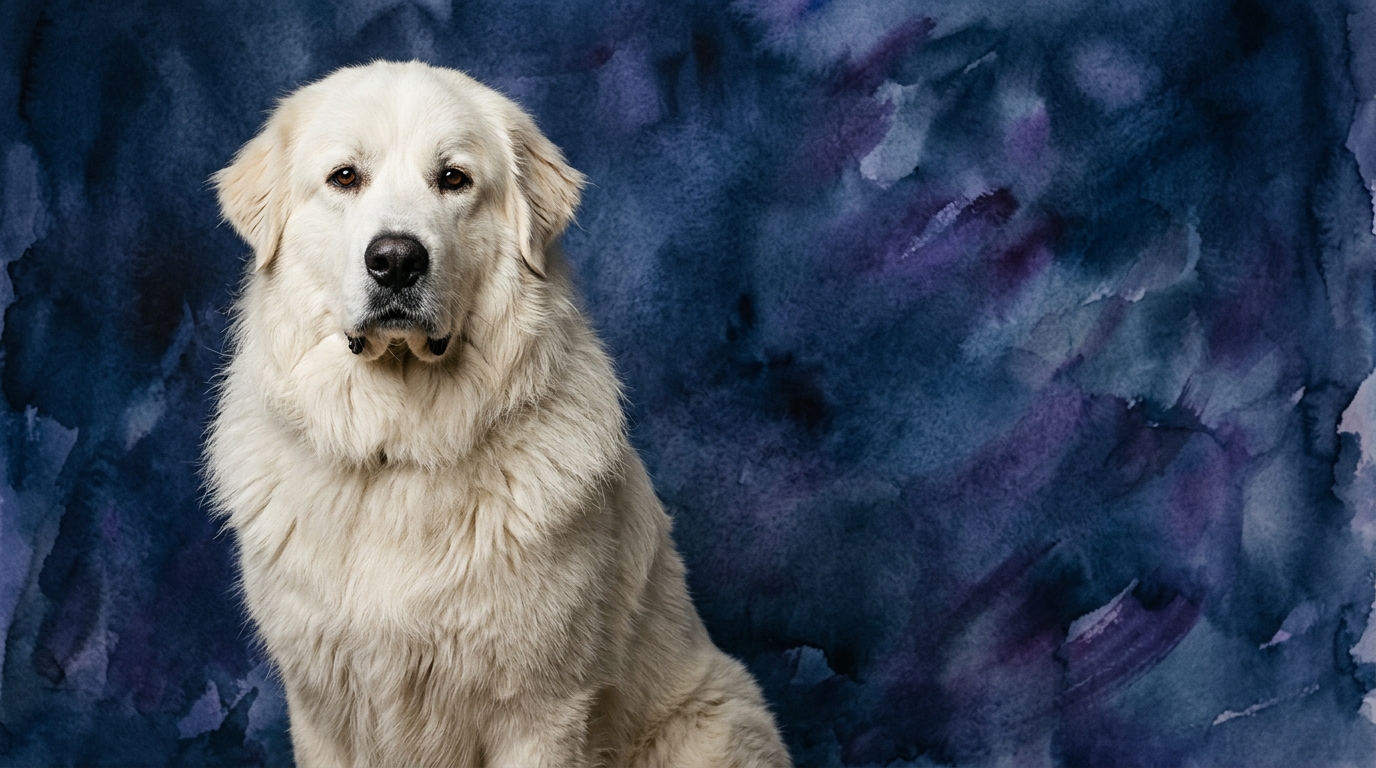
The Cosmic Pet Pet IQ Lab's framework offers a detailed look at the cognitive strengths of these two distinct working breeds. The Great Pyrenees, with a Coren ranking of #64, exhibits a balanced profile across all five intelligence dimensions, scoring 3/5 in Problem Solving, Training Speed, Social Intelligence, Instinctive Drive, and Memory. This reflects a breed whose intellect is geared towards autonomous decision-making and steadfast guardianship. Their problem-solving is often about assessing environmental threats and making independent judgments without direct human instruction. Learning occurs at a deliberate pace, requiring motivation tied to their perceived purpose, while their social intelligence involves forming deep, protective bonds and discerning friend from foe with quiet observation. Their instinctive drive is profoundly tied to their guardian role, and their memory is robust for established routines and territorial knowledge.
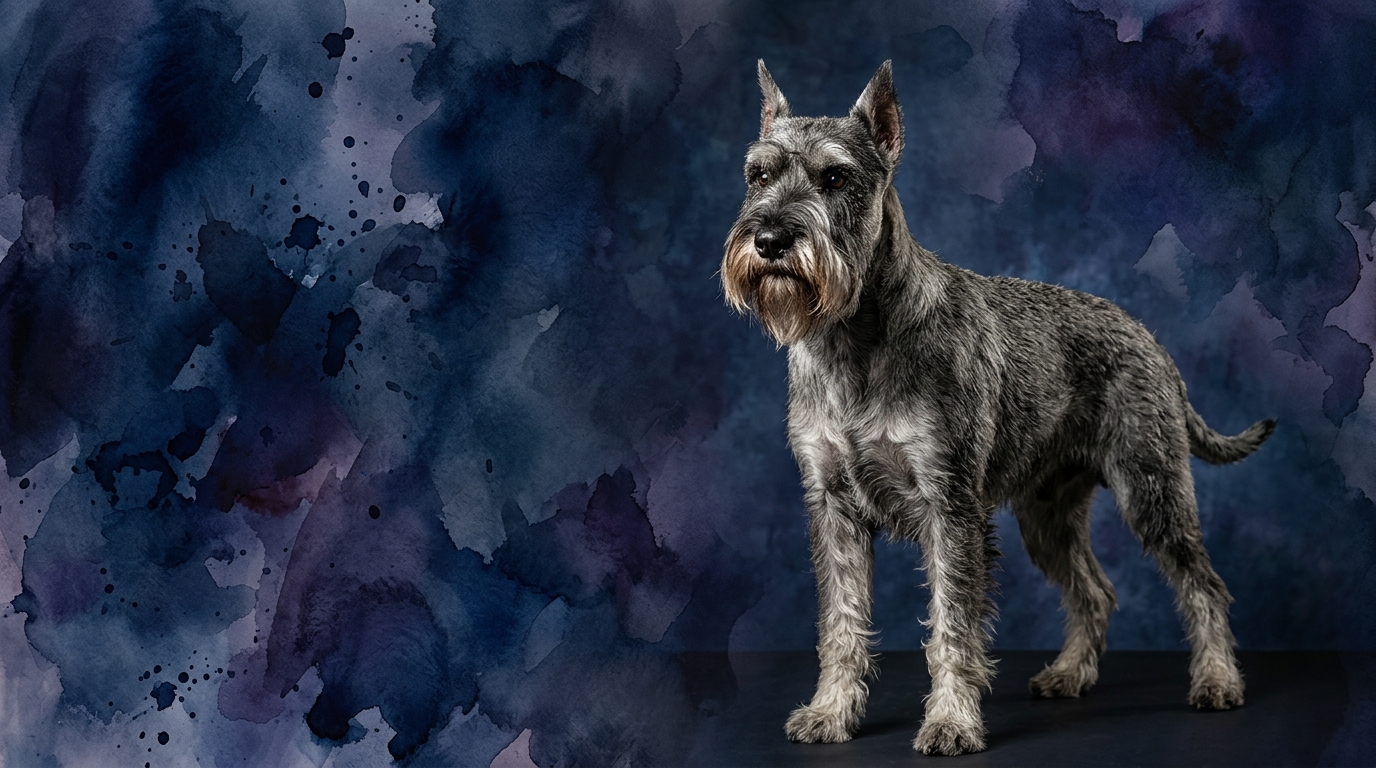
In contrast, the Standard Schnauzer, holding a more prominent Coren ranking of #22, showcases a cognitive profile optimized for versatility and rapid engagement. This breed scores 4/5 in Problem Solving, Training Speed, and Memory, while maintaining a 3/5 in Social Intelligence and Instinctive Drive. A Schnauzer's problem-solving is characterized by a quick analysis of novel situations and an agile approach to finding solutions, reflecting their history as adaptable farm dogs. Their superior training speed means they grasp new commands and concepts with remarkable efficiency, thriving on interaction and positive reinforcement. Socially, they are highly interactive and engaged with their human companions, keenly observing family dynamics. Their instinctive drive includes a strong working ethic and desire to participate, complemented by excellent recall for commands and experiences, making them consistent performers.
Where the Great Pyrenees Wins Cognitively
The Great Pyrenees' cognitive strengths are deeply rooted in their historical role, particularly excelling in autonomous judgment and environmental assessment. A Pyrenees possesses a remarkable ability to evaluate complex situations and make independent decisions without constant human intervention, a critical trait for a livestock guardian. This isn't about quick, flashy problem-solving, but rather a profound, deliberate assessment of their surroundings. They demonstrate a nuanced understanding of their territory and its inhabitants, often anticipating potential issues before humans even perceive them. For instance, their problem-solving prowess is less about fetching a dropped item and more about discerning a genuine threat from a harmless stranger at a distance, or understanding shifts in the local wildlife patterns. Their memory for the layout of their domain and the regular patterns of its 'flock' – whether sheep or family members – is exceptional, allowing them to detect anomalies with precise, quiet observation.
Where the Standard Schnauzer Wins Cognitively
The Standard Schnauzer's cognitive advantages are evident in their adaptability, rapid learning, and keen responsiveness. Their problem-solving score of 4/5 highlights a breed that processes new information quickly and approaches challenges with an agile mind, whether it's figuring out a complex puzzle toy or mastering an intricate agility course. This breed thrives on intellectual engagement, demonstrating a remarkable capacity for intricate learning and recall. Their superior training speed, also rated 4/5, means they form associations between commands and actions with remarkable efficiency, making them adept at acquiring complex sequences of behaviors. A Schnauzer's intellect is geared towards active participation and mastering diverse tasks, excelling in environments where they are consistently presented with new skills to learn and challenges to overcome, showcasing their quick analytical thinking and strong memory.
Training Dynamics: Which Breed is More Amenable?
From a training perspective, the Standard Schnauzer (Coren rank #22, Training Speed 4/5) generally presents a more straightforward and rewarding experience for most owners. They exhibit a strong desire to engage with their human companions and grasp new commands with impressive speed, often needing fewer repetitions to solidify a behavior. Their inclination to work collaboratively and their quick understanding of cause-and-effect make them highly receptive to positive reinforcement methods, eager to please and quick to respond. This responsiveness stems from their historical role as versatile farm dogs, requiring them to learn diverse tasks efficiently and adapt readily to varied instructions, making them excellent candidates for advanced obedience and dog sports.
In contrast, the Great Pyrenees (Coren rank #64, Training Speed 3/5) offers a more nuanced training journey that demands patience and a deep understanding of their unique cognitive makeup. Their inherent independence, a trait meticulously bred over centuries for autonomous flock protection, means they often evaluate commands based on their perceived necessity or benefit rather than automatic compliance. While they certainly learn and retain information well (Memory 3/5), their learning speed is more deliberate, and they might question the 'why' behind an instruction. Training a Pyrenees requires immense consistency, a calm demeanor, and an approach that respects their self-reliant nature. They respond best when they feel a command is reasonable or aligns with their protective instincts, rather than simply obeying out of a desire to please. This difference is not a deficit in intelligence, but a fundamental difference in cognitive motivation and a deeply ingrained sense of self-direction.
Matching Breeds to Lifestyles: Active vs. Relaxed Owners
For the truly active owner seeking a canine partner in various pursuits, the Standard Schnauzer is often the more fitting choice. Their higher problem-solving and training speed, coupled with their inherent drive, make them excellent candidates for dog sports like agility, obedience, or tracking. They relish both mental and physical engagement, thriving in an environment where they are consistently challenged to learn new skills and participate actively in family life. An owner who enjoys structured training sessions, varied daily activities, and a companion eager to tackle new adventures will find a highly rewarding relationship with a Schnauzer. Their keen intellect requires consistent outlets to prevent boredom and channel their energy constructively.
Conversely, the Great Pyrenees often aligns better with owners who appreciate a more relaxed, yet deeply steadfast, companion. While they require regular exercise and mental stimulation, their cognitive profile leans towards independent observation and territorial patrol rather than constant human-directed tasks. They are content with surveying their domain, offering a calm, watchful presence, and making autonomous decisions about their surroundings. Owners who prefer long, leisurely walks, quiet companionship, and a dog that makes independent, thoughtful decisions will find the Pyrenees' self-sufficient disposition a perfect match. Their cognitive strengths are best utilized in an environment where they can exercise their judgment and protective instincts, rather than being constantly directed, making them ideal for those who value an intelligent, independent sentinel.
The Verdict
Choose the Great Pyrenees if you value a thoughtful, independent guardian who excels at autonomous decision-making and offers calm, steadfast companionship, understanding that training requires patience and respect for their inherent self-reliance.
Opt for the Standard Schnauzer if you seek a highly engaged, quick-witted companion eager to learn and participate in varied activities, thriving with consistent mental stimulation and an owner who appreciates their keen problem-solving skills.
🧠 Find Your Pet's IQ Score
Our Pet IQ Lab assessment covers 25+ tests across 5 cognitive dimensions — personalized to your breed.
Take the Full IQ Test →Frequently Asked Questions
Do Great Pyrenees learn slower than Standard Schnauzers?
Generally, yes; the Great Pyrenees has a training speed rating of 3/5 compared to the Standard Schnauzer's 4/5, reflecting their more deliberate and independent learning style, often requiring more repetitions and motivation tied to perceived purpose.
Which breed is better at solving new problems?
The Standard Schnauzer, with a problem-solving score of 4/5, typically excels at new challenges more readily than the Great Pyrenees (3/5), showcasing quicker analytical thinking and adaptability in unfamiliar situations.
How do their social intelligence levels compare?
Both breeds share a social intelligence rating of 3/5, indicating they form strong bonds with their families and understand social cues, though the Great Pyrenees' expression might be more subtle and independent, while the Schnauzer is often more overtly interactive.