Side-by-Side Cognitive Profile
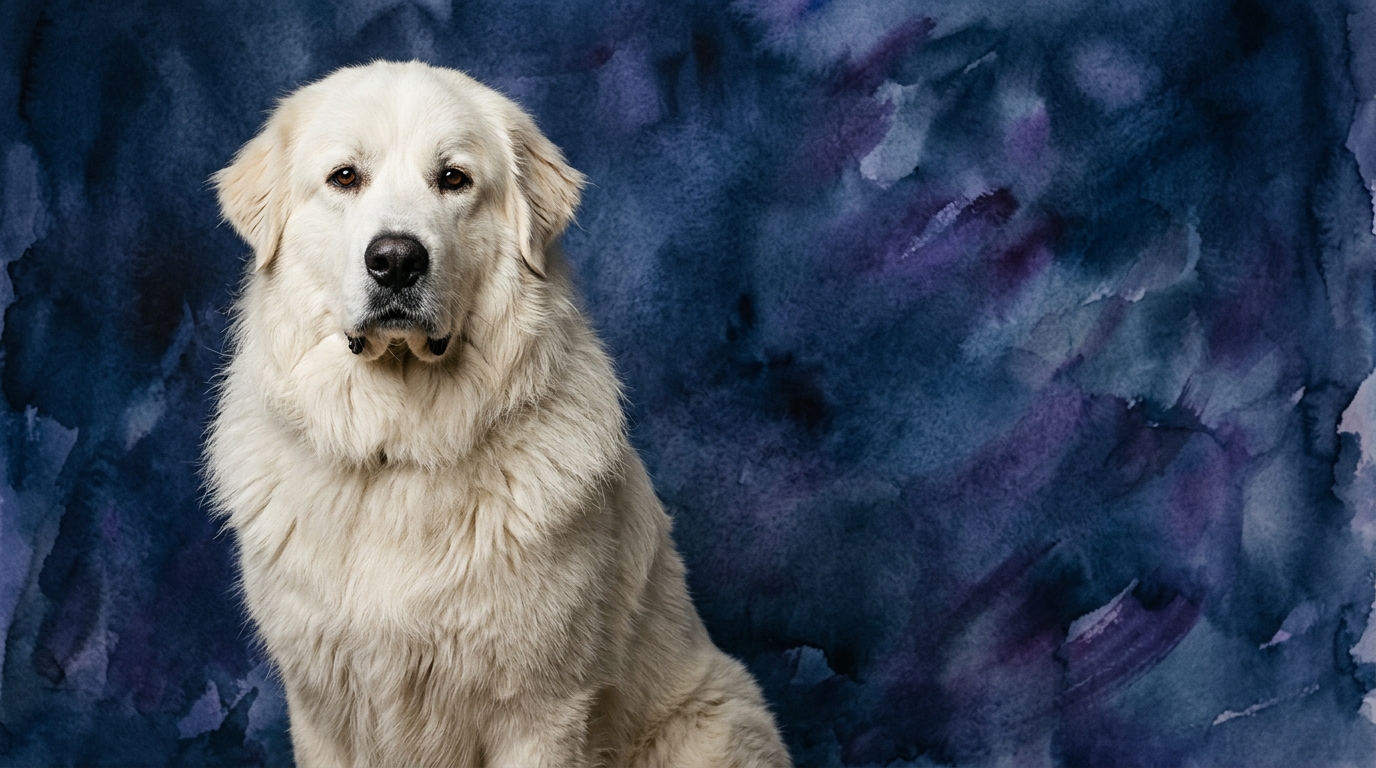
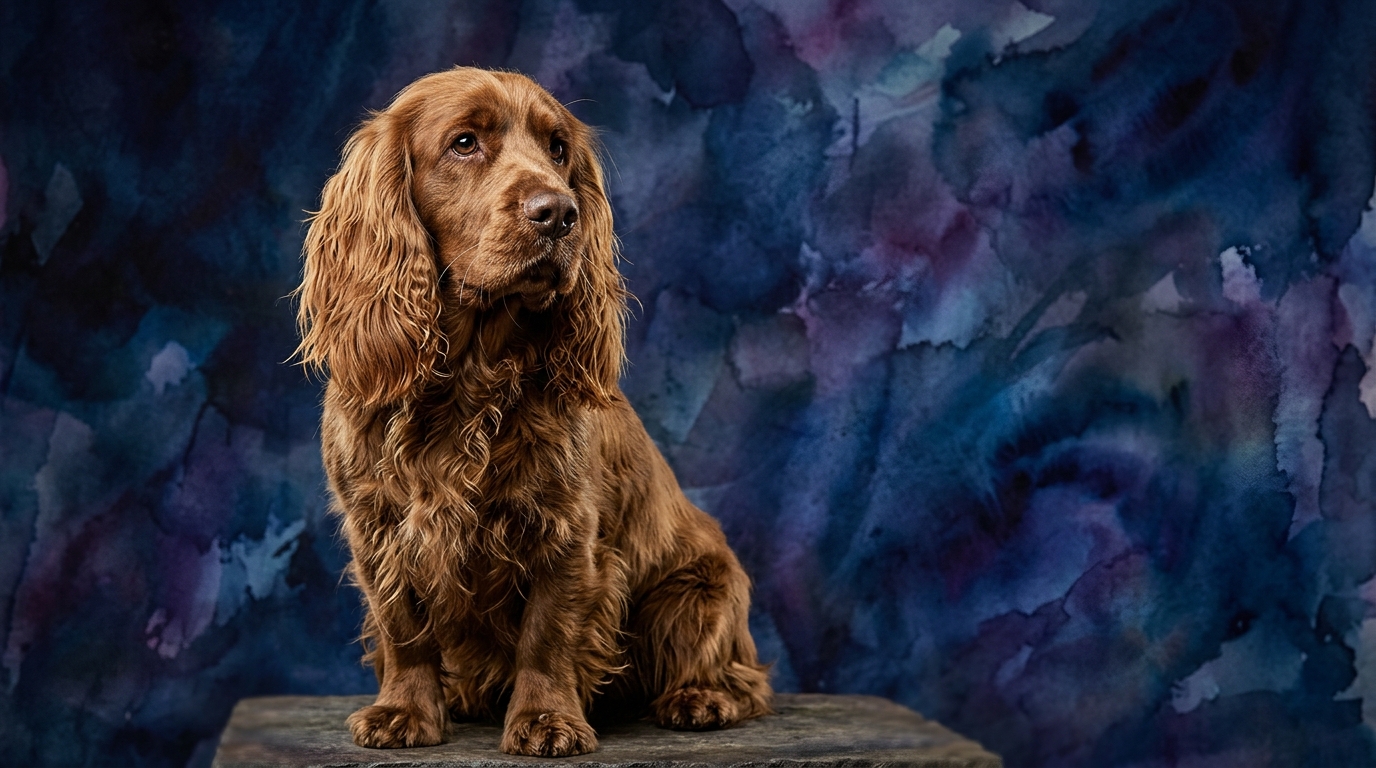
At first glance, the Great Pyrenees (Coren rank #64) and the Sussex Spaniel (Coren rank #62) present a similar cognitive blueprint, with both breeds scoring 3/5 across all five dimensions of our Pet IQ Lab assessment. However, understanding the context of these scores within each breed's historical purpose illuminates their unique mental landscapes.
For the Great Pyrenees, a majestic working dog historically tasked with guarding livestock, their Problem Solving (3/5) reflects a capacity for independent, situational problem-solving. This isn't about solving complex puzzles for human entertainment, but rather assessing environmental cues, identifying potential threats, and devising protective strategies autonomously in a dynamic, often solitary environment. Their Training Speed (3/5) signifies they learn, but their compliance is often filtered through their inherent independence; they grasp commands at a moderate pace, yet their deep-seated self-reliance means they evaluate whether a directive aligns with their perceived duties before acting, requiring patient, consistent, and reward-based training. Their Social Intelligence (3/5) manifests as a profound awareness of their flock's well-being, whether sheep or human family. They read subtle shifts in group dynamics or individual stress, using this information to inform their protective behaviors, often displaying a calm, watchful empathy rather than overt social exuberance. The 3/5 Instinctive Drive is overwhelmingly centered on territorial protection and guarding; this powerful, innate motivation dictates much of their behavior, from patrolling perimeters to assessing newcomers, forming the core of their cognitive operations and decision-making. With a 3/5 Memory, Great Pyrenees retain detailed mental maps of their territory, remembering specific individuals (both friend and foe) and past events related to safety or intrusion; this long-term recall is vital for their consistent and effective guarding duties, allowing them to anticipate and react based on experience.
The Sussex Spaniel, a sporting dog bred for flushing game in dense cover, applies its cognitive strengths differently. Their Problem Solving (3/5) skill is honed for practical, field-specific challenges, involving expertly navigating dense cover to flush game, efficiently tracking scents, and executing retrieves in varied terrain. Their intelligence is applied to overcoming physical obstacles and sensory interpretation to achieve a working goal. A 3/5 Training Speed for the Sussex Spaniel indicates they are capable learners, particularly when tasks align with their natural drives; while generally biddable and keen to please their handler, their strong scenting instincts can sometimes override immediate obedience, requiring engaging, consistent methods to maintain focus and compliance. Their Social Intelligence (3/5) is expressed through a strong desire for companionship and a cooperative spirit with their human partners; they are adept at reading handler cues in the field and enjoy being an integral part of family life, forming close bonds and demonstrating an amiable, responsive disposition. The 3/5 Instinctive Drive in Sussex Spaniels is powerfully directed towards scenting, flushing, and retrieving; this deep-seated urge to work forms the cornerstone of their behavioral repertoire, motivating their exploration and their desire to engage in activities that fulfill these natural inclinations. Possessing a 3/5 Memory, Sussex Spaniels effectively recall training sequences, specific scent trails, and locations where game was encountered or retrieved; this memory supports their efficiency in the field and their ability to learn and adapt to repeated tasks and environments.
Where the Great Pyrenees Wins Cognitively
The Great Pyrenees excels in situations demanding autonomous decision-making without constant human oversight. Their cognitive framework is inherently geared towards independent judgment, allowing them to assess complex environmental factors and potential threats on their own. This unique strength makes them superior in roles requiring strategic, self-directed defense of territory or flock. Furthermore, their intelligence is finely tuned for environmental resilience, enabling them to make survival-oriented decisions in diverse conditions, demonstrating a profound understanding of their surroundings.
Where the Sussex Spaniel Wins Cognitively
The Sussex Spaniel shines in cognitive tasks requiring close partnership and communication with a human, particularly in scent-driven work. Their problem-solving abilities are focused on achieving shared goals, making them highly effective in collaborative activities like tracking or retrieving. A specific cognitive advantage lies in their exceptional ability to maintain focus on a scent trail, demonstrating remarkable persistence and concentration despite environmental distractions. This breed also shows adaptability in applying their skills across varied field environments, quickly adjusting to different types of cover and terrain during their working pursuits.
Training Dynamics: Great Pyrenees vs. Sussex Spaniel
When it comes to ease of training, the perceived identical 3/5 Training Speed scores belie significant practical differences rooted in each breed's core motivations. The Great Pyrenees, bred for self-sufficiency and protection, tends to be more challenging for traditional obedience. Their independent nature means they learn commands at a moderate pace but often choose when to comply based on their own assessment of the situation, rather than seeking to please. Training a Pyrenees requires immense patience, understanding their protective drives, and utilizing positive reinforcement to make requests rather than demands, respecting their inherent inclination to think for themselves. Their learning is a process of convincing them a command aligns with their best interest or purpose.
The Sussex Spaniel, despite also scoring 3/5, is generally more amenable to training, especially when tasks are tied to their natural sporting instincts. Their drive to work cooperatively with a handler and their desire to engage in scent-based activities makes them more receptive to commands. While they can exhibit a stubborn streak or become momentarily overwhelmed by compelling scents, their training benefits from engaging methods that tap into their innate drives. They learn quickly when motivated by the prospect of a retrieve or the thrill of a scent, making them more responsive to consistent, positive reinforcement within a structured training environment. Their 'stubbornness' is often more about being distracted by their primary sensory input than outright defiance.
Lifestyle Match: Active vs. Relaxed Owners
The Great Pyrenees, while possessing a calm and watchful demeanor, is not suited for a genuinely 'relaxed' owner in terms of management. Owners must be actively engaged in providing a secure, spacious territory and understanding the nuances of their strong guarding instincts. They require mental activity in the form of appropriate outlets for their protective drives and careful socialization, but they are not typically high-energy dogs for activities like jogging. Their needs center around a stable, predictable environment where they can fulfill their role as a steadfast presence.
In contrast, the Sussex Spaniel is an ideal match for active owners who enjoy engaging in cooperative outdoor pursuits. Their powerful sporting drives necessitate regular physical exercise and, crucially, mental stimulation through activities such as scent work, retrieving games, or field trials. A truly relaxed owner who fails to provide these outlets will likely find a bored Sussex Spaniel, potentially expressing their unfulfilled instincts through undesirable behaviors. They thrive when they have a job to do, especially one that involves their keen nose and sturdy body.
The Verdict
Choose the Great Pyrenees if you seek a devoted, independent guardian with a calm presence, prepared to provide ample space and understand the nuances of managing a self-thinking protective breed.
Opt for the Sussex Spaniel if you enjoy engaging in active, cooperative pursuits like scent work or field activities, appreciating a sturdy companion with a keen nose and a happy-go-lucky spirit.
🧠 Find Your Pet's IQ Score
Our Pet IQ Lab assessment covers 25+ tests across 5 cognitive dimensions — personalized to your breed.
Take the Full IQ Test →Frequently Asked Questions
Do Great Pyrenees enjoy playing games with their owners?
Yes, Great Pyrenees do enjoy play, often on their own terms. They typically prefer gentle interactions and might engage in 'patrolling' games or light wrestling with family members, rather than high-energy, repetitive fetch sessions.
Are Sussex Spaniels generally good with children and other pets?
Sussex Spaniels are generally amiable and sturdy, making them tolerant companions for children, though supervision and early socialization are always important. With proper introductions, they can also coexist well with other pets.
What are the grooming requirements for these two breeds?
Both breeds possess dense coats. Great Pyrenees require regular, thorough brushing several times a week to manage shedding and prevent matting in their thick double coat. Sussex Spaniels also need consistent brushing, especially their feathering, to prevent tangles and maintain their coat's health and luster.