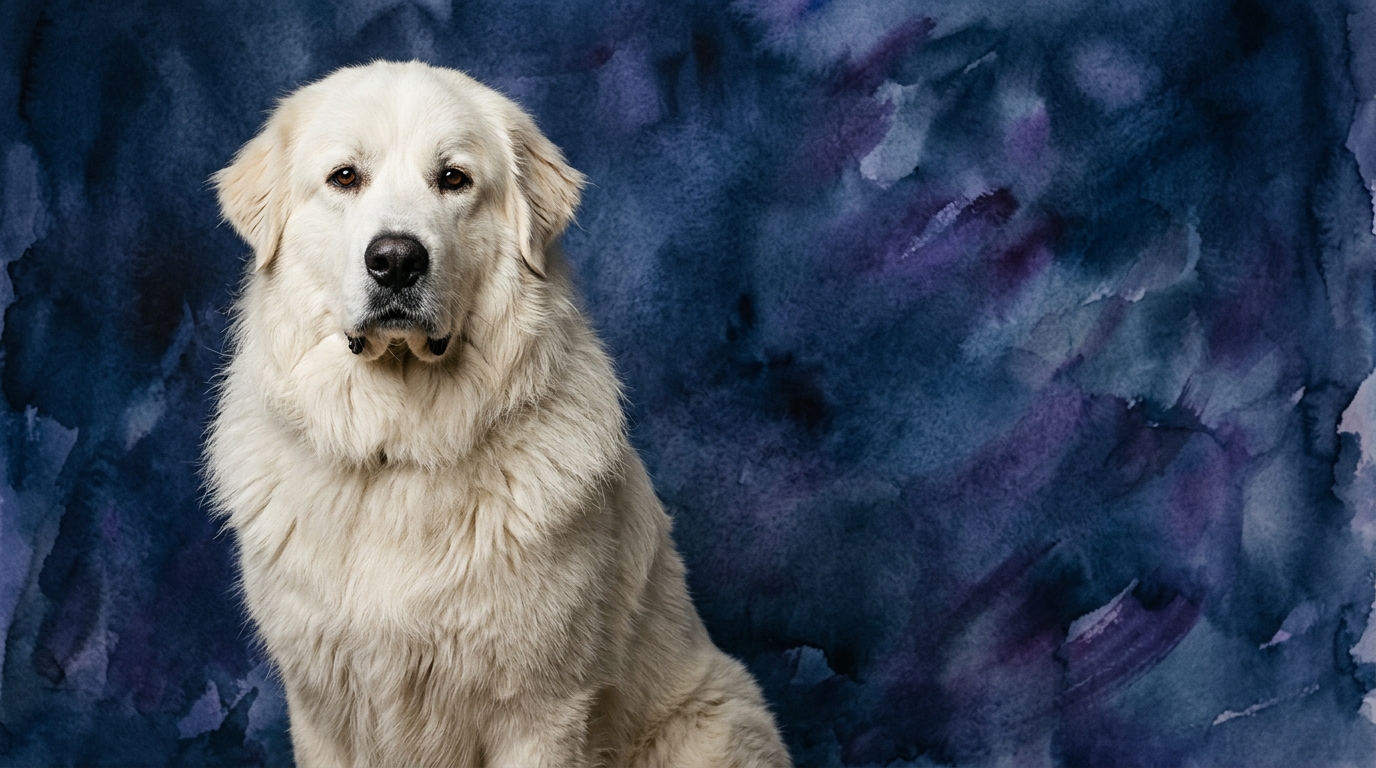
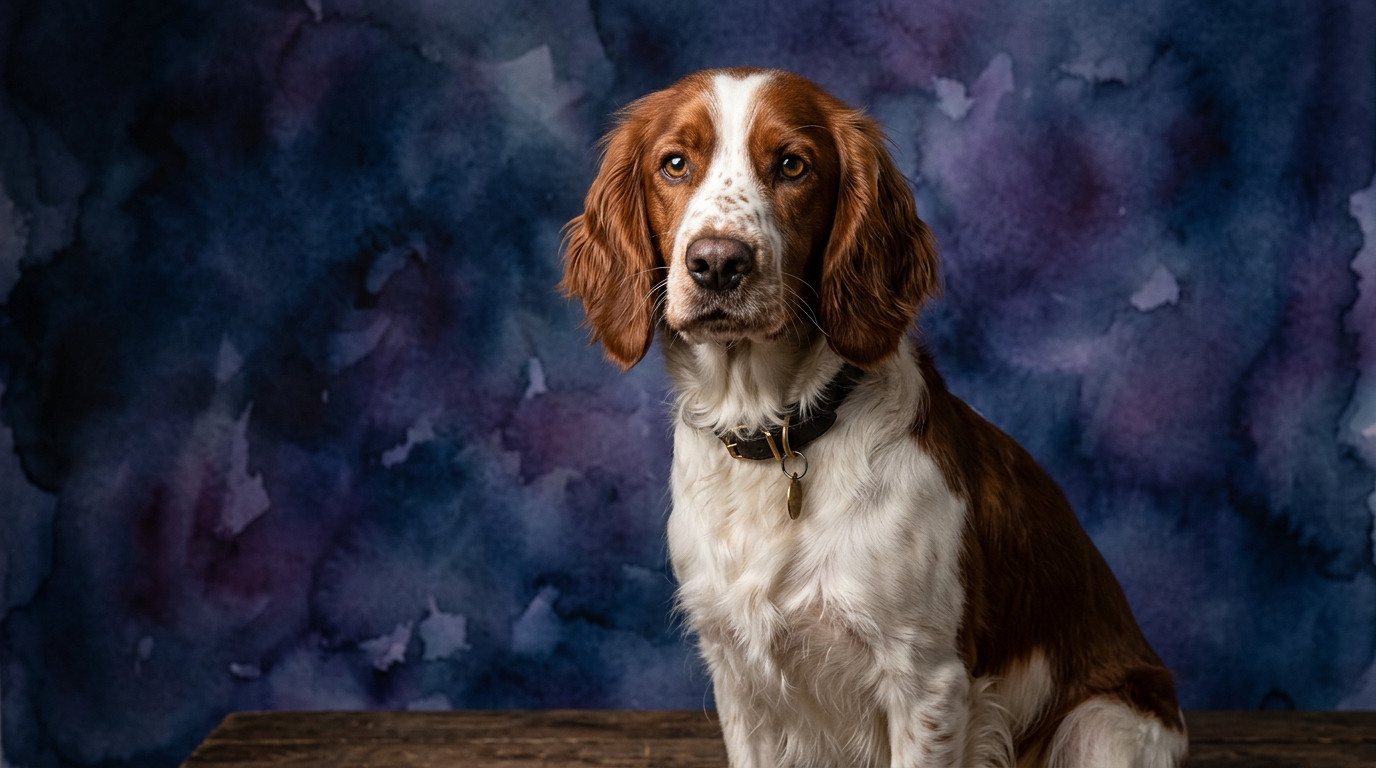
Side-by-Side IQ Profile
The Cosmic Pet Pet IQ Lab evaluates canine intelligence across five key dimensions, offering a nuanced perspective beyond simple obedience. For the Great Pyrenees, a breed ranked #64 by Coren, its scores reflect its independent, protective nature. Its Problem Solving ability is rated 3/5, indicating a capacity for autonomous decision-making in complex situations, such as assessing threats to its flock, rather than quick compliance with human-initiated puzzles. Training Speed also sits at 3/5; while capable of learning, a Pyrenees often requires more repetition and a clear understanding of "why" a command is necessary, frequently prioritizing its own judgment over immediate human direction. Social Intelligence is 3/5, showing an ability to form deep, discerning bonds with its chosen family or flock, while maintaining a reserved or watchful demeanor towards strangers, accurately reading intentions. Its Instinctive Drive, also 3/5, is powerfully geared towards guarding and territorial protection, a deep-seated impulse that dictates much of its behavior without constant human prompting. Finally, Memory at 3/5 means the Great Pyrenees retains routines, faces, and important learned boundaries, but might not excel at recalling intricate, multi-step sequences as readily as other breeds.
In contrast, the Welsh Springer Spaniel, with a higher Coren rank of #31, showcases a different cognitive blueprint, honed for collaborative field work. Its Problem Solving skill is rated 4/5, reflecting a keen ability to quickly analyze situations and adapt, whether finding a hidden retrieve or navigating an agility course, often seeking human input for solutions. Training Speed is 4/5, indicative of a biddable and eager-to-please nature that allows for rapid acquisition of new commands and complex routines with fewer repetitions. Social Intelligence is 3/5, demonstrating an empathetic connection with its human companions, often mirroring their moods and seeking interaction, though it may take a moment to warm to unfamiliar faces. The Instinctive Drive score of 3/5 highlights its strong inherent desire to flush game and retrieve, a drive that is typically channeled and refined through human partnership. Memory, at 4/5, is a significant asset, enabling the Welsh Springer Spaniel to recall a vast repertoire of commands, remember specific locations, and execute long sequences of tasks with impressive accuracy and consistency.
Where Great Pyrenees Wins Cognitively
The Great Pyrenees' cognitive strengths truly shine in scenarios demanding independent thought and self-sufficiency, particularly in its traditional role as a livestock guardian. Their 3/5 Problem Solving isn't about solving puzzles for human entertainment, but about autonomously assessing and mitigating real-world threats to their charges, often in isolation. This requires a unique form of situational awareness and strategic thinking that prioritizes protection over immediate obedience. Their 3/5 Instinctive Drive is not just a compulsion, but a deeply ingrained cognitive framework that guides their vigilance, enabling them to make critical decisions about when to bark, when to patrol, and when to intervene without constant human instruction. This breed's ability to operate effectively and make sound judgments in the absence of human direction, relying on their own internal compass, is where their specific cognitive prowess truly excels.
Where Welsh Springer Spaniel Wins Cognitively
The Welsh Springer Spaniel's cognitive advantages are evident in its speed of acquisition and retention, making it a highly adaptable partner in various activities. Their 4/5 Training Speed means they absorb new commands and behaviors with remarkable efficiency, often mastering complex tasks in fewer sessions than many other breeds. This quick learning is complemented by their 4/5 Problem Solving ability, which allows them to rapidly decipher novel challenges within a structured environment, such as navigating an agility course or figuring out how to retrieve an object from a tricky spot. Furthermore, their superior 4/5 Memory ensures that once a lesson is learned or a routine established, it is retained consistently over time, enabling them to perform intricate sequences of commands reliably. This combination makes them exceptional candidates for advanced obedience, field trials, and dog sports where precision, speed, and consistent recall are paramount.
Which is Easier to Train and Why
Based on The Cosmic Pet Pet IQ Lab data, the Welsh Springer Spaniel is generally easier to train compared to the Great Pyrenees. The Welsh Springer Spaniel's 4/5 Training Speed and 4/5 Problem Solving scores directly translate into a more responsive and less challenging training experience. They possess a natural eagerness to please their human companions and a cognitive agility that allows them to quickly grasp new concepts and associate actions with rewards. Their higher Coren rank (#31 vs #64) also supports this, indicating a greater capacity for understanding and obeying human commands.
Conversely, the Great Pyrenees' 3/5 Training Speed and 3/5 Problem Solving, coupled with its ingrained independence, means training requires a different approach. A Pyrenees often questions the utility of a command, evaluating it against its own protective instincts or perceived importance. They are not inherently motivated by strict compliance but by a sense of purpose. This means trainers must be patient, consistent, and creative, making commands relevant to the dog's world or appealing to its desire for security and routine, rather than expecting immediate, unquestioning obedience. Their training often focuses on building a strong bond and clear boundaries, acknowledging their autonomous nature.
Which Suits Active Owners vs Relaxed Owners
The choice between these two breeds largely depends on an owner's lifestyle and their preferred level of engagement with their dog's mental and physical energy. The Welsh Springer Spaniel, with its energetic Sporting group background and cognitive eagerness, is an excellent fit for active owners. They thrive on consistent physical exercise, such as long hikes, runs, or vigorous play, combined with mental stimulation through activities like agility, obedience, or scent work. Owners who enjoy structured training, participating in dog sports, or simply having an enthusiastic partner for outdoor adventures will find the Welsh Springer Spaniel deeply rewarding.
The Great Pyrenees, while requiring adequate space and regular, moderate exercise for health, is generally better suited for owners who appreciate a more relaxed yet vigilant companion. Their historical role as guardians means they are content with patrolling their territory and observing, rather than constantly seeking high-intensity activities. They benefit from a predictable routine and a perceived "job," which might be guarding the family or property. Owners who enjoy a calm presence, have a securely fenced yard, and are prepared for a dog that values its independence and will make its own decisions about perceived threats, will find a Great Pyrenees a fulfilling companion. While not a couch potato, their activity needs are often more about endurance and watchful presence than bursts of speed and constant engagement.
The Verdict
Choose the Great Pyrenees if you value an independent, self-reliant guardian with a deep-seated protective instinct and are prepared for a training journey that respects their autonomous decision-making.
Choose the Welsh Springer Spaniel if you seek an eager, biddable, and quick-to-learn companion for active pursuits and enjoy engaging in collaborative training and dog sports.
🧠 Find Your Pet's IQ Score
Our Pet IQ Lab assessment covers 25+ tests across 5 cognitive dimensions — personalized to your breed.
Take the Full IQ Test →Frequently Asked Questions
Does a lower Coren rank mean the Great Pyrenees is less capable of learning?
Not necessarily. A lower Coren rank often indicates a breed's willingness to obey *known* commands, not its overall cognitive capacity. The Great Pyrenees excels in independent problem-solving and decision-making outside of direct human instruction, a different facet of intelligence.
Can a Great Pyrenees excel in dog sports like agility or obedience?
While possible with dedicated and creative training, a Great Pyrenees typically won't achieve the same speed or precision as a Welsh Springer Spaniel in fast-paced obedience or agility. Their independent nature and focus on guarding make them less inclined towards repetitive, human-directed competitive tasks.
How do their social intelligence scores of 3/5 manifest differently?
For the Great Pyrenees, 3/5 social intelligence means they form strong bonds with their immediate "flock" but can be reserved or discerning with strangers, prioritizing protection. For the Welsh Springer Spaniel, 3/5 signifies an empathetic connection with humans, generally friendly, but sometimes initially cautious, valuing interaction and companionship.