Side-by-Side IQ Profile: Great Pyrenees vs. West Highland White Terrier
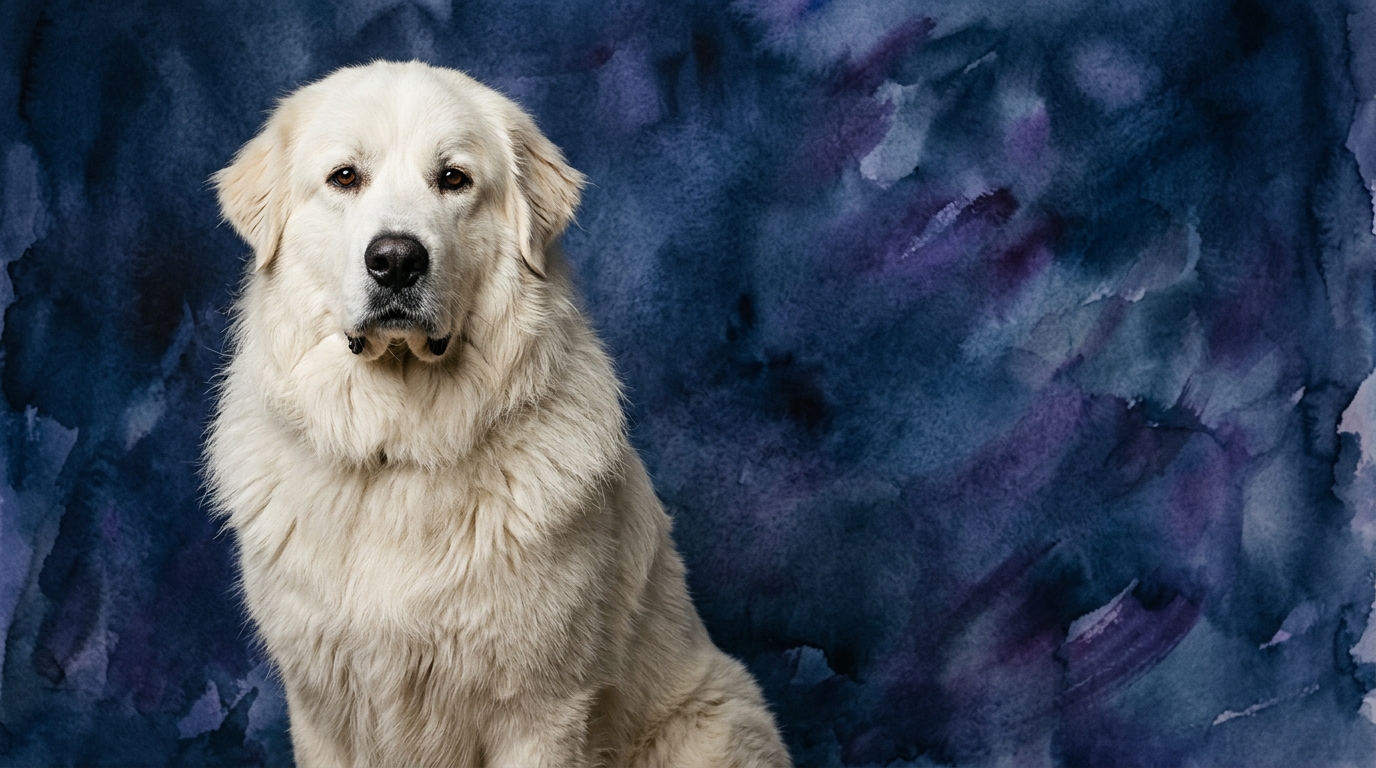
The Cosmic Pet Pet IQ Lab offers a nuanced view of canine intelligence, moving beyond simple obedience to explore five distinct cognitive dimensions. For the Great Pyrenees, a Working dog with a Coren rank of #64, its profile reflects its guardian heritage: Problem Solving 3/5, Training Speed 3/5, Social Intelligence 3/5, Instinctive Drive 3/5, and Memory 3/5. This suggests a dog whose intellect is geared towards independent judgment and protective duties.
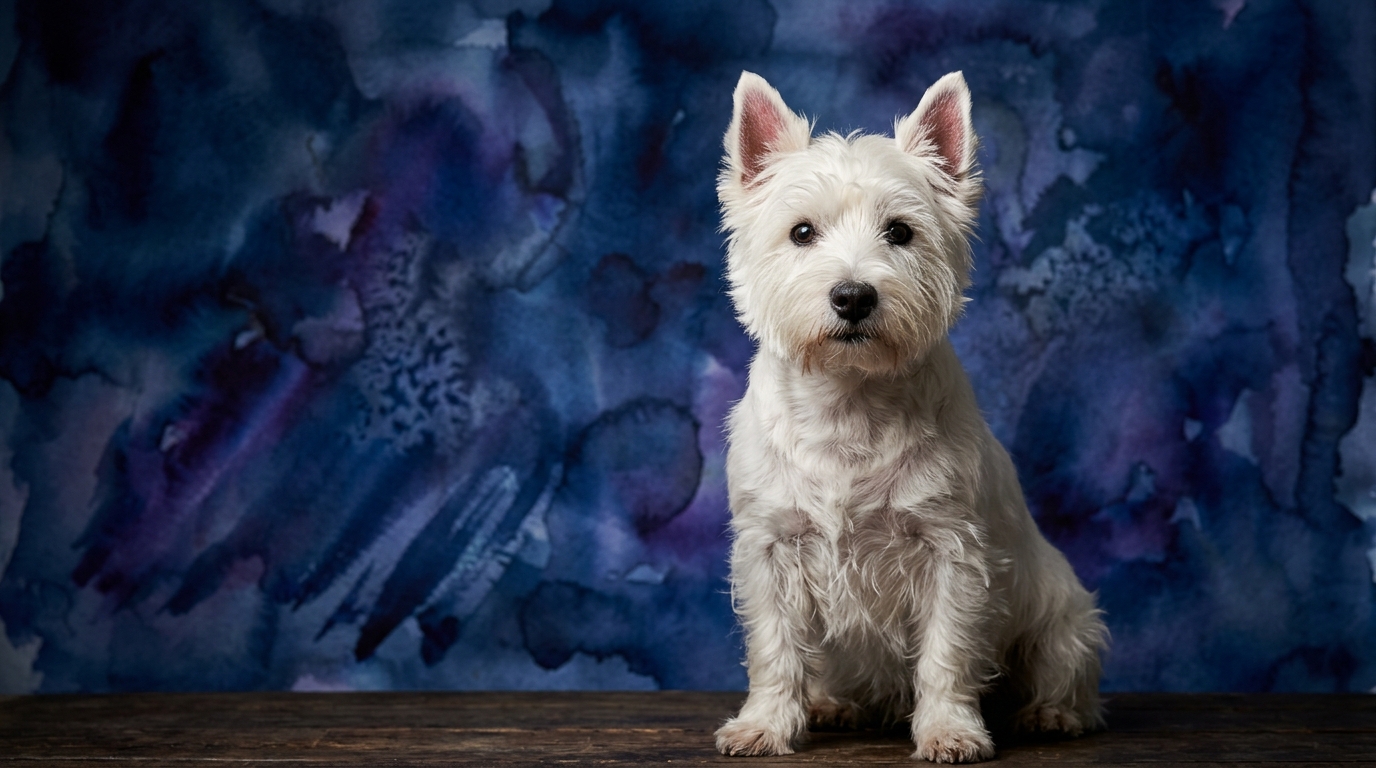
In contrast, the West Highland White Terrier, a Terrier breed with a Coren rank of #47, shares many scores but boasts a notable difference: Problem Solving 3/5, Training Speed 3/5, Social Intelligence 3/5, Instinctive Drive 3/5, and Memory 4/5. This higher memory score hints at a cognitive advantage in retaining information, a trait that can significantly influence trainability and daily interaction, even if other dimensions are similar to its larger counterpart.
Unpacking the Great Pyrenees' Cognitive Strengths
The Great Pyrenees' cognitive strengths shine brightest in scenarios demanding independent judgment and protective vigilance, particularly without direct human instruction. Their 3/5 Problem Solving score, while numerically average, masks a specialized brilliance in assessing environmental threats and formulating defensive strategies. Unlike breeds trained for complex obedience sequences, a Pyrenees excels at reading subtle shifts in their surroundings—a distant unfamiliar sound, a change in wind direction carrying a new scent—and deciding whether a response, such as a warning bark or a strategic repositioning, is necessary. This isn't about solving a puzzle box for a treat; it's about making life-or-death decisions for their flock or family, a cognitive task requiring profound situational awareness and self-reliance.
Their 3/5 Instinctive Drive for protection underpins this, providing an unwavering internal compass for their guardian duties, allowing them to remain steadfast and purposeful even in the absence of human direction. Their Social Intelligence, also 3/5, is geared towards understanding their family unit, both human and animal, discerning subtle shifts in mood or potential danger within their established group. This specific brand of cognitive prowess, deeply ingrained through centuries of selective breeding, makes them unparalleled in their original role.
Unpacking the West Highland White Terrier's Cognitive Strengths
The West Highland White Terrier truly distinguishes itself with its superior Memory, scoring an impressive 4/5 compared to the Pyrenees' 3/5. This enhanced recall significantly benefits their ability to retain complex training sequences, remember specific locations of hidden toys, or recall past experiences that inform future actions. While their Training Speed is also 3/5, their excellent memory means that once a concept is grasped, it’s likely to stick, even if their terrier independence sometimes dictates *when* they choose to demonstrate that knowledge.
Furthermore, their 3/5 Problem Solving, fueled by their tenacious terrier spirit, often manifests as clever strategies for navigating human environments. They might quickly learn which family member is most likely to share food, or how to manipulate objects to reach a desired item. This cognitive agility, combined with their strong memory, allows them to adapt rapidly to new situations and leverage past successes, making them particularly astute at learning the 'rules' of their human household and often finding creative loopholes. Their 3/5 Instinctive Drive, rooted in their earthdog heritage, fuels a persistent curiosity and a need for mental and physical engagement, often involving scent work or 'hunting' games.
Comparing Trainability: Great Pyrenees vs. West Highland White Terrier
Evaluating ease of training between these two breeds requires understanding their distinct motivations and historical roles. The Great Pyrenees, with its 3/5 Training Speed, often presents a unique challenge to traditional obedience methods. Bred for centuries to independently guard livestock, they possess a deep-seated self-reliance. They process commands, but their decision to comply often hinges on whether they perceive the command as logical or necessary within their own framework of duties. This isn't stubbornness in a malicious sense, but rather an ingrained independence; they learn, but they also evaluate. For example, asking a Pyrenees to 'stay' when they detect a perceived threat might be met with hesitation, as their primary drive is to investigate or protect.
Their training requires immense patience, positive reinforcement, and a deep respect for their inherent guardian nature, focusing on cooperation rather than absolute control. In contrast, the West Highland White Terrier also scores 3/5 for Training Speed, but their 4/5 Memory gives them an edge in retention. While Westies are quintessential terriers, meaning they can be opinionated and possess a strong will, their better memory helps them recall commands and routines more consistently once learned. Their drive is often to engage and 'work' with their human, even if that work sometimes involves a spirited debate. A Westie might learn a trick quickly and remember it, but whether they perform it on command depends on their mood and the perceived reward. Therefore, while both require consistent, engaging training, the Westie's stronger memory often means less reteaching and potentially quicker progress in complex sequences, provided the trainer can harness their motivation and channel their terrier spirit.
Matching Breed to Owner Lifestyle: Active vs. Relaxed
The Great Pyrenees, despite its imposing size, is not typically a high-energy dog in the same vein as a herding breed. Their activity is often characterized by bursts of vigilance followed by periods of calm observation. They require a spacious environment, preferably with a securely fenced yard where they can survey their 'flock' (family and property). Owners who are relaxed but consistent, understanding of a dog's independent nature, and prepared for their protective instincts (including barking) will find a Pyrenees a suitable companion. They thrive with owners who appreciate their calm presence and are not seeking a dog for intense, fast-paced activities like agility or marathon running. Instead, they need owners who can provide a secure, stable home and respect their need for independent decision-making.
The West Highland White Terrier, conversely, is a much more active and curious companion. Their terrier heritage means they possess a robust energy level, a keen instinct for exploration, and a need for regular mental and physical stimulation. They are well-suited for active owners who enjoy daily walks, engaging playtime, and perhaps even dog sports like earthdog trials or obedience. Westies thrive when they have a 'job' to do, even if it's just a vigorous game of fetch or a puzzle toy. Their owners should be prepared for their spirited nature, their digging tendencies, and their need for consistent engagement. A relaxed owner who cannot provide sufficient outlets for a Westie's energy and curiosity might find themselves with a bored, potentially destructive, companion.
The Verdict
For those seeking a steadfast, independent guardian with a calm demeanor and a deep sense of responsibility, the Great Pyrenees is an ideal choice.
If you value a spirited, quick-witted companion with excellent recall and a zest for interactive engagement, the West Highland White Terrier will truly thrive in your home.
🧠 Find Your Pet's IQ Score
Our Pet IQ Lab assessment covers 25+ tests across 5 cognitive dimensions — personalized to your breed.
Take the Full IQ Test →Frequently Asked Questions
Does a Great Pyrenees' lower Coren rank mean it's less intelligent than a Westie?
Not necessarily. Coren's ranking primarily assesses obedience and working intelligence, which heavily favors breeds that respond quickly to human commands. The Great Pyrenees' independent nature means they often choose to evaluate commands rather than instantly comply, which can lower their score in this specific metric, but doesn't diminish their specialized cognitive abilities for guarding.
How does a Westie's 4/5 memory impact daily life compared to a Pyrenees' 3/5?
A Westie's superior memory often means they learn routines faster, remember commands more consistently over time, and recall specific locations of items or past events with greater accuracy. For a Pyrenees, while their memory is still good, it might manifest more in long-term recognition of threats or familiar faces rather than precise recall of detailed sequences.
Can a Great Pyrenees be trained for complex tasks despite its independent nature?
Yes, a Great Pyrenees can learn complex tasks, but it often requires a different approach. Training must be highly motivating, positive, and framed in a way that respects their independent problem-solving. They excel when tasks align with their natural guarding instincts or provide a clear, logical purpose, rather than simply blind obedience.