Side-by-Side IQ Profile: Guardianship vs. Companionship
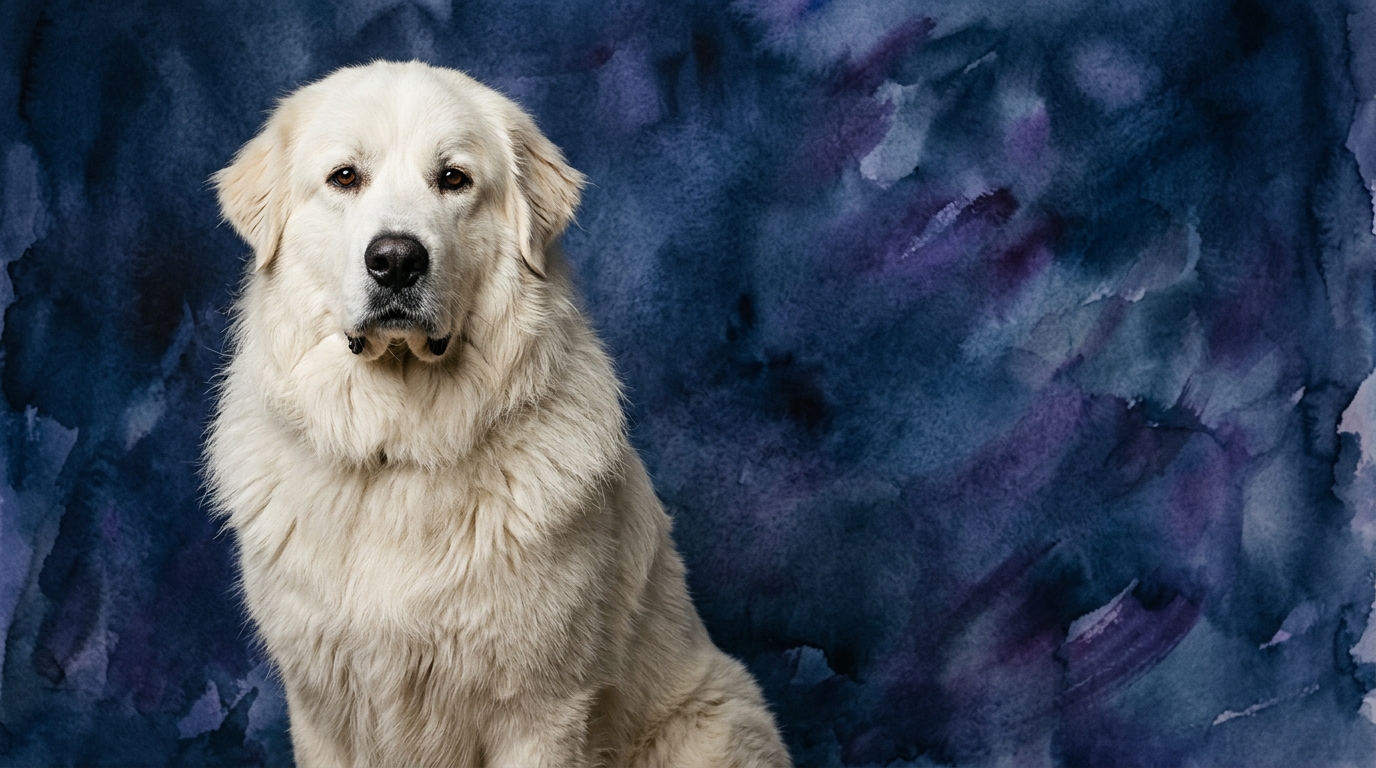
At The Cosmic Pet Pet IQ Lab, we assess canine intelligence across five critical dimensions: Problem Solving, Training Speed, Social Intelligence, Instinctive Drive, and Memory. Interestingly, both the Great Pyrenees and the Xoloitzcuintli achieve a balanced 3/5 score in every single category, suggesting a baseline of robust cognitive function. For the Great Pyrenees, a Working breed ranked #64 by Coren, this symmetrical score reflects a breed designed for independent, vigilant action. Their Problem Solving at 3/5 is largely applied to assessing and neutralizing threats to their flock, often without direct human command. Training Speed, also 3/5, indicates they are capable learners but often prioritize their own judgment. Social Intelligence at 3/5 is primarily directed towards their charges and family, with a more reserved approach to strangers. Their Instinctive Drive, a strong 3/5, is overtly focused on protection and territoriality, and their Memory at 3/5 serves their extensive knowledge of their environment and boundaries.
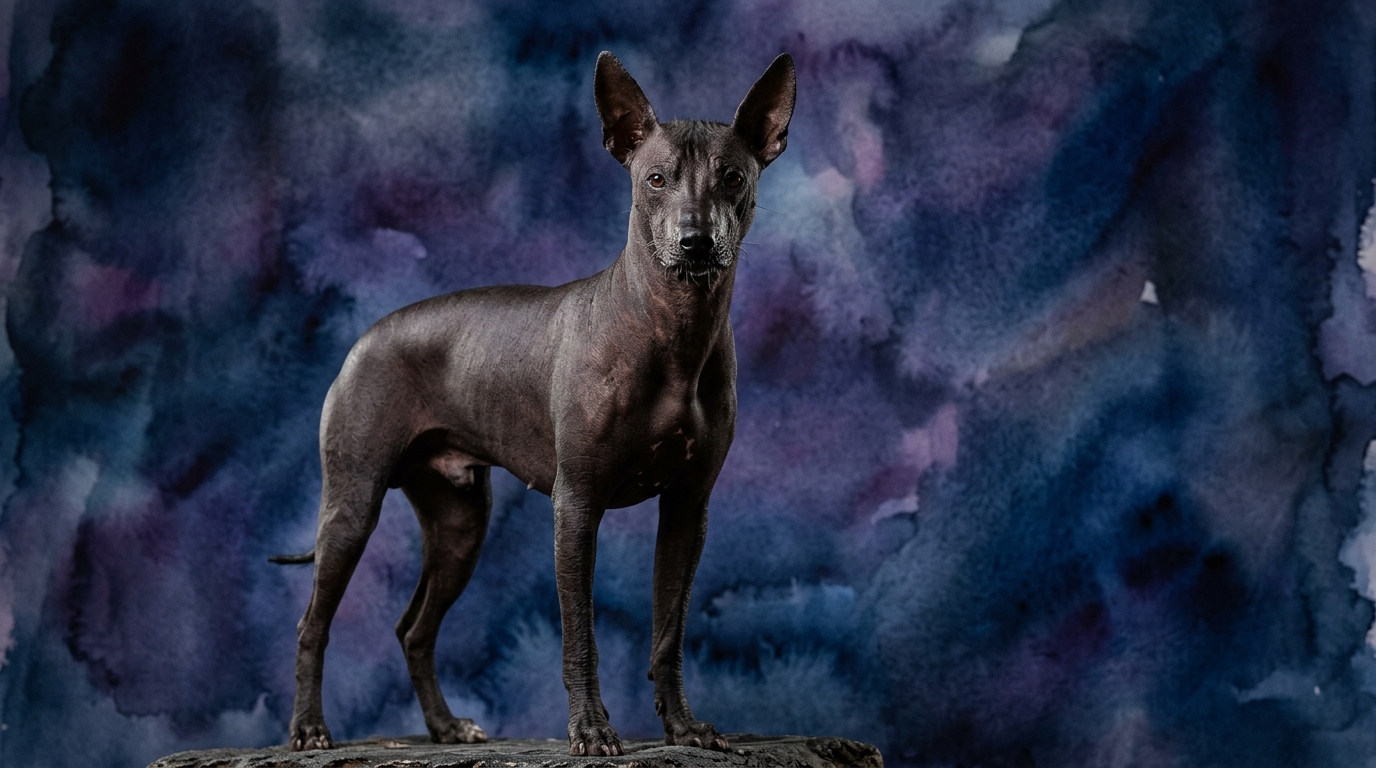
The Xoloitzcuintli, a Non-Sporting breed without a Coren ranking, presents the exact same numerical scores but through a very different lens. Their 3/5 Problem Solving manifests as adaptability to diverse environments and keen observational skills within their family unit, perhaps navigating social dynamics or finding comfortable, secure spots. A 3/5 Training Speed suggests they are receptive to learning, often motivated by strong bonds with their primary human. Their Social Intelligence, also 3/5, is intensely focused on their inner circle, exhibiting deep loyalty and sensitivity to their chosen people, sometimes appearing aloof to outsiders. The Xolo’s 3/5 Instinctive Drive leans towards companionship, vigilance over their family, and a historical aptitude for hunting small prey, rather than expansive territorial guarding. Finally, their 3/5 Memory supports their ability to recall routines, people, and experiences within their intimate domestic sphere.
Where the Great Pyrenees Excels Cognitively
The Great Pyrenees' cognitive strengths are deeply rooted in their heritage as livestock guardians. Their Problem Solving at 3/5 truly shines in their capacity for independent decision-making in complex, dynamic situations, such as discerning a genuine threat from a harmless animal or a lost hiker. They don't wait for human instruction; they process environmental cues and act autonomously to protect their charges, demonstrating a sophisticated form of situational awareness. This breed's 3/5 Memory is particularly adept at spatial recall, enabling them to patrol vast territories, remember the location of every sheep, and track changes in their environment. Their Social Intelligence, while scoring 3/5, is uniquely honed for interspecies communication and protection, understanding the subtle cues of their flock and acting as a steadfast, calm presence. This allows them to integrate seamlessly into a diverse animal family, offering protection without aggression unless absolutely necessary. Their 3/5 Instinctive Drive for guardianship means they possess an innate, unwavering commitment to their protective duties, a profound cognitive dedication that few other breeds can match in its specific application.
Where the Xoloitzcuintli Shines Cognitively
The Xoloitzcuintli's cognitive advantages are less about broad territorial management and more about nuanced interaction and adaptability within a human family. Their 3/5 Problem Solving skills often manifest as exceptional observational learning, allowing them to quickly understand household routines, anticipate human actions, and even subtly communicate their needs. This makes them remarkably intuitive companions, often seeming to 'read' their owner's mood or intentions. Their Social Intelligence, also 3/5, is characterized by profound emotional attunement and a deep, selective bond with their family members, making them incredibly sensitive and empathetic companions. They excel at forming strong, exclusive attachments, often acting as a canine shadow to their chosen human. The Xolo's 3/5 Memory supports their ability to retain complex social structures within their family, remembering who is 'theirs' and how to interact appropriately within that dynamic. Their 3/5 Instinctive Drive, while historically tied to hunting and guarding, is often channeled into vigilant companionship, making them alert and protective within the confines of their home, keenly aware of any changes or strangers. This breed demonstrates a unique cognitive blend of ancient instincts applied to modern domestic life, showcasing a subtle yet powerful mental acuity.
Which is Easier to Train and Why
Despite both breeds scoring 3/5 in Training Speed, the practical experience of training them can differ significantly due to their underlying behavioral drivers and inherent Instinctive Drive. The Great Pyrenees, with its core purpose of independent guardianship, learns commands but often weighs them against its own assessment of the situation. Their 3/5 Problem Solving leads them to question directives if they perceive a conflict with their protective duties or if a command seems illogical from their perspective. They are not striving for perfect obedience in the same way a herding or sporting breed might; instead, they aim for effective guardianship. This means a Pyrenees might learn 'stay' but choose to break it if a perceived threat arises, prioritizing their deep-seated 3/5 Instinctive Drive. Patience, consistency, and a profound understanding of their independent nature are crucial, as attempts to force compliance often lead to stubbornness.
The Xoloitzcuintli, also scoring 3/5 in Training Speed, tends to be more responsive to conventional training methods, largely because their 3/5 Social Intelligence and Instinctive Drive are more geared towards close human companionship. They are eager to please their chosen people and thrive on positive reinforcement that strengthens their bond. Their Problem Solving at 3/5 allows them to quickly grasp cause-and-effect in training scenarios, and their 3/5 Memory helps them retain learned behaviors efficiently. While they can have a strong will, particularly in adolescence, their desire for interaction and affection often makes them more amenable to structured lessons. Owners report that Xolos respond well to clear communication and reward-based training, making them generally perceived as more tractable in obedience settings compared to the more independently minded Great Pyrenees, even with identical raw Training Speed scores.
Suitability for Active vs. Relaxed Owners
When considering an owner's lifestyle, the Great Pyrenees and Xoloitzcuintli offer distinct profiles, despite their shared IQ scores. A Great Pyrenees, while appearing calm and relaxed for much of the day, is an excellent fit for owners who appreciate a dog with a deep sense of purpose and moderate, but specific, activity needs. They are not a breed for extensive jogging or high-impact sports, but they require a secure, spacious yard for patrolling their perceived territory, which engages their 3/5 Instinctive Drive and Problem Solving daily. Owners must be 'active' in understanding and managing their guardian instincts, providing mental stimulation through observation and mild physical exercise. They thrive with owners who are content with a watchful, independent companion and can appreciate a dog whose primary 'activity' is quiet vigilance and occasional, decisive action, rather than constant engagement. They are best suited for a more relaxed owner who can provide consistent, calm leadership and a well-defined territory.
The Xoloitzcuintli, conversely, can adapt to both active and more relaxed lifestyles, though they generally appreciate regular engagement. Their 3/5 Instinctive Drive for companionship means they enjoy being involved in family activities, whether it's a brisk walk, a game of fetch, or simply snuggling on the couch. Their 3/5 Problem Solving and Social Intelligence make them excellent partners for owners who enjoy teaching new tricks or participating in dog sports like agility, but they are equally content to be a quiet presence during a relaxed evening. They are not typically high-energy dogs requiring hours of strenuous exercise, but they do benefit from consistent mental and physical outlets to prevent boredom. Owners who enjoy a mix of gentle activity and quiet, attentive companionship will find the Xolo a rewarding match, as their adaptability allows them to seamlessly integrate into various daily rhythms, making them a good choice for both moderately active and more relaxed individuals who prioritize deep emotional connection.
The Verdict: When to Choose Each Breed
Choosing between a Great Pyrenees and a Xoloitzcuintli ultimately depends on the specific type of companionship and cognitive engagement an owner seeks. While their raw IQ scores are identical, the manifestation of these traits is vastly different due to their historical roles.
The Great Pyrenees is the ideal choice for an owner who seeks an independent, steadfast guardian with a profound sense of purpose. This breed thrives in environments where their innate 3/5 Instinctive Drive for protection can be fulfilled, such as homes with acreage, livestock, or a need for a vigilant presence. Their quiet strength, self-reliance, and unwavering loyalty to their charges make them exceptional partners for those who understand and respect their unique cognitive application of Problem Solving and Memory, valuing a dog that acts with thoughtful autonomy rather than immediate obedience.
The Verdict
Choose a Great Pyrenees if you seek an independent, steadfast guardian for a spacious home or property, valuing their autonomous Problem Solving and protective Instinctive Drive over strict obedience.
Opt for a Xoloitzcuintli if you desire an emotionally attuned, adaptable companion who thrives on deep family bonds and offers nuanced Social Intelligence and observational Problem Solving in a domestic setting.
🧠 Find Your Pet's IQ Score
Our Pet IQ Lab assessment covers 25+ tests across 5 cognitive dimensions — personalized to your breed.
Take the Full IQ Test →Frequently Asked Questions
Are Great Pyrenees difficult to train?
Great Pyrenees are not inherently difficult to train, but their 3/5 Training Speed is tempered by their independent nature and 3/5 Problem Solving. They learn commands but may choose to obey based on their own assessment of the situation, prioritizing their guardian instincts. Consistency and positive reinforcement are key, understanding that their purpose isn't strict obedience.
Do Xoloitzcuintli need a lot of exercise?
Xoloitzcuintli have moderate exercise needs; they enjoy daily walks, playtime, and being involved in family activities. While adaptable, their 3/5 Instinctive Drive for companionship means they thrive on mental and physical engagement, but typically do not require the intense activity levels of many working or sporting breeds. They appreciate a balance of activity and relaxation.
Which breed is better with children?
Both breeds can be good with children, but their approaches differ. The Great Pyrenees often displays a patient, protective nature towards children within its family, viewing them as part of its 'flock.' The Xoloitzcuintli, with its strong 3/5 Social Intelligence and deep family bonds, typically forms close, gentle relationships with children it considers part of its inner circle, though early socialization is important for both.