Side-by-Side IQ Profile: Interpreting Identical Scores
At first glance, both the Greater Swiss Mountain Dog and the Glen of Imaal Terrier share identical scores across the five cognitive dimensions measured by The Cosmic Pet Pet IQ Lab: Problem Solving (3/5), Training Speed (3/5), Social Intelligence (3/5), Instinctive Drive (3/5), and Memory (3/5). However, these scores are broad indicators, and their manifestation differs significantly based on each breed's historical purpose and inherent temperament. Understanding these nuances is crucial to appreciating their distinct forms of cognitive aptitude.
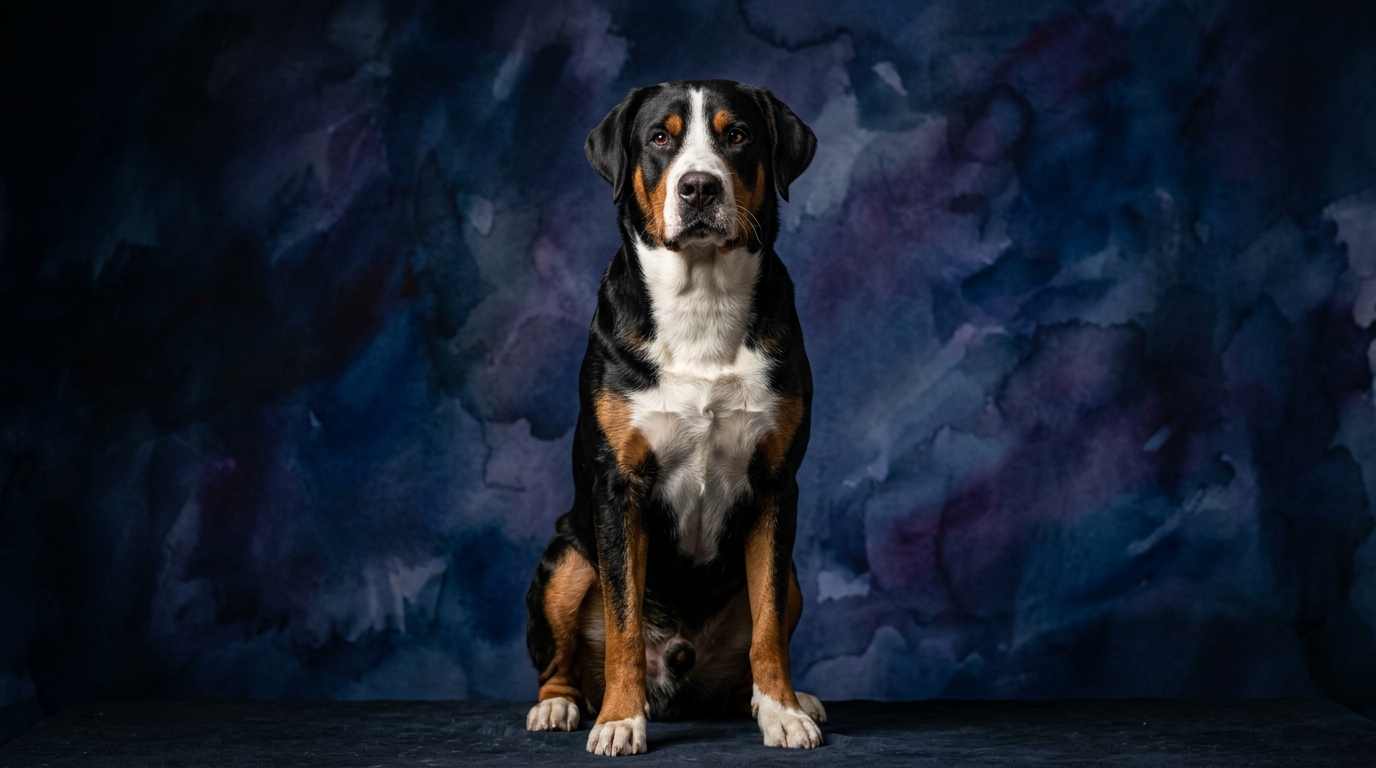
For the Greater Swiss Mountain Dog, a breed steeped in working tradition, these scores reflect a practical, cooperative intellect. Their Problem Solving at 3/5 leans towards logistical challenges, such as navigating varied terrain while pulling a cart or managing livestock efficiently. Training Speed at 3/5 indicates a moderate pace of learning, often bolstered by their eager-to-please nature and desire to work alongside humans. Social Intelligence at 3/5 means they are attuned to family dynamics, often exhibiting a discerning but loyal demeanor. Their Instinctive Drive at 3/5 is channeled into purposeful tasks like guarding, drafting, and some herding, rather than predatory pursuit. Memory at 3/5 supports their ability to recall complex routines, commands, and the layout of their territory, essential for their historical farm duties.
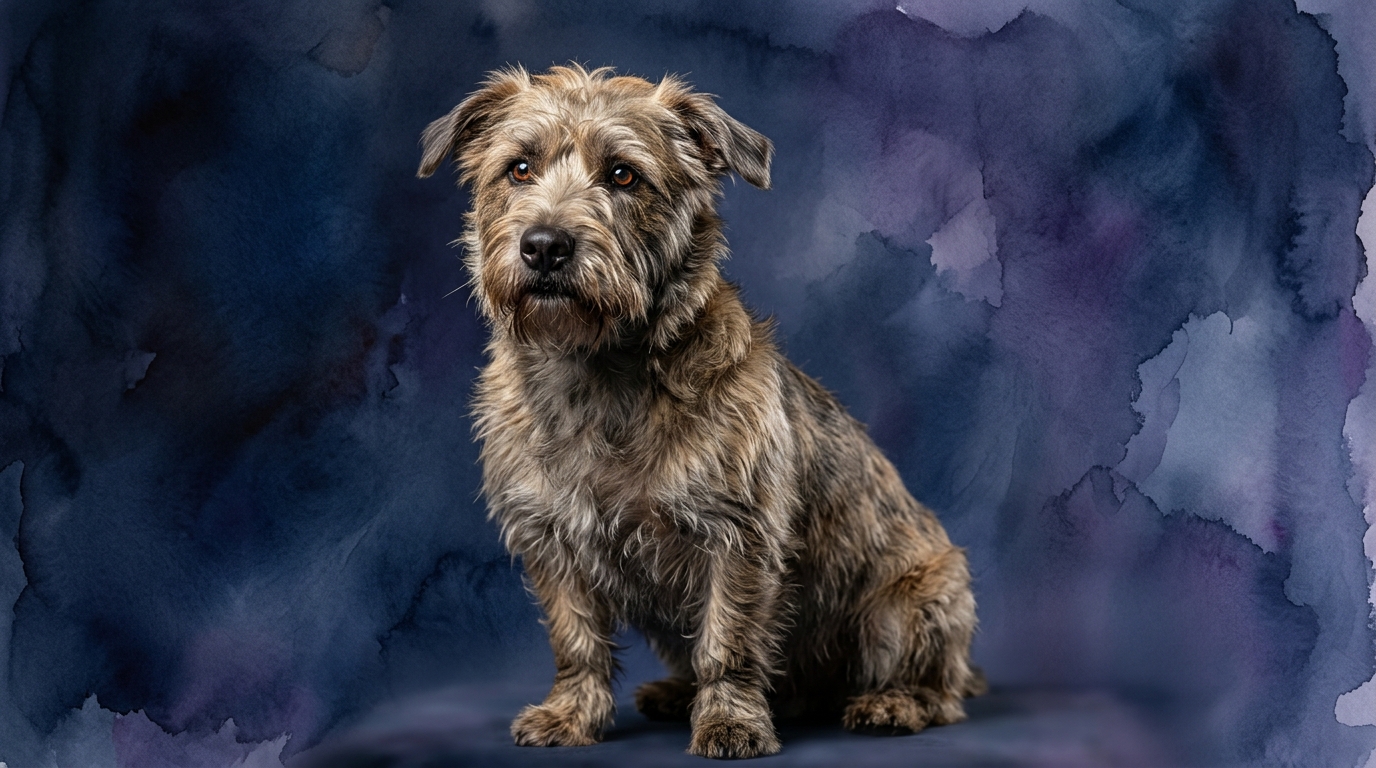
The Glen of Imaal Terrier, on the other hand, interprets these same scores through the lens of a tenacious, independent hunter. Their Problem Solving at 3/5 manifests as a cunning ability to overcome obstacles in pursuit of quarry, often involving navigating tight spaces or outsmarting prey. Training Speed at 3/5 means they can learn, but their strong will often requires engaging and highly motivating methods; they learn quickly what *they* deem worthwhile. Social Intelligence at 3/5 means they form deep bonds with their chosen people but can be reserved or even assertive with strangers, reflecting their self-reliant nature. Their Instinctive Drive at 3/5 is a potent, focused desire to 'go to ground' and pursue, characteristic of a terrier's hunting purpose. Memory at 3/5 is strong for locations of interest, scent trails, and routines that lead to stimulating activities, supporting their independent explorations.
Where the Greater Swiss Mountain Dog Excels Cognitively
The Greater Swiss Mountain Dog's cognitive strengths lie in their capacity for cooperative problem-solving and their ability to integrate complex tasks within a family or working unit. Their intelligence is geared towards understanding human expectations and executing multi-step instructions, making them adept at roles requiring partnership. This breed demonstrates a spatial awareness that extends to managing larger environments, whether it's navigating a farm or a spacious home, often with a calm, deliberate approach.
Their social intelligence, while rated 3/5, manifests as a nuanced understanding of their human family's emotions and routines, leading to a protective yet gentle companionship. They are particularly skilled at discerning friend from foe, making them excellent, watchful guardians who assess situations before reacting. This breed’s memory for established routines and learned commands is robust, allowing them to reliably perform duties and maintain household order, contributing to a harmonious living environment.
Where the Glen of Imaal Terrier Excels Cognitively
The Glen of Imaal Terrier's cognitive prowess shines in its independent, persistent problem-solving, particularly when a compelling goal is in sight. Their intelligence is less about cooperation and more about strategic tenacity, a hallmark of their badger-hunting heritage. They exhibit remarkable cleverness in overcoming physical barriers or figuring out how to access desired objects, often employing a determined, trial-and-error approach that reflects their relentless drive.
This breed's instinctive drive, also rated 3/5, is a concentrated force that fuels their focused attention and determination, making them exceptionally adept at scent work or tasks requiring sustained effort in a confined area. Their memory is particularly keen for details related to their 'missions' – such as the location of an interesting scent or a hidden toy – and they can recall these details with impressive accuracy, allowing them to revisit and re-engage with stimulating challenges.
Which Is Easier to Train and Why
Despite both breeds scoring 3/5 in Training Speed, the Greater Swiss Mountain Dog is generally perceived as easier to train due to their inherent desire to please and their cooperative working dog temperament. They respond well to consistent, positive reinforcement methods and are typically eager to learn and execute commands. Their larger size necessitates early and thorough training, which they usually embrace, becoming reliable and well-mannered companions when given clear guidance and purpose.
The Glen of Imaal Terrier, conversely, presents a greater training challenge for many owners, not because they are incapable of learning, but because of their strong independent streak and typical terrier stubbornness. While they can learn commands at a moderate pace, their compliance is often conditional on whether the task aligns with their own interests or instincts. Training a Glen requires creativity, patience, and a deep understanding of their terrier mindset, making it an engaging but often more demanding endeavor than training a Greater Swiss.
Suitability for Active vs. Relaxed Owners
Neither the Greater Swiss Mountain Dog nor the Glen of Imaal Terrier are truly suited for entirely 'relaxed' owners in the sense of minimal engagement, as both require significant mental and physical stimulation to thrive. However, their activity needs differ in nature. The Greater Swiss Mountain Dog, while capable of being calm indoors, requires regular, structured exercise such as long walks, hiking, or opportunities for carting or drafting. Their substantial size and working background mean they need space and purposeful activity to prevent boredom and promote well-being, fitting active owners who enjoy outdoor adventures or structured dog sports.
The Glen of Imaal Terrier, despite its smaller stature, possesses a concentrated energy and a strong drive that demands outlets. They are not suited for purely sedentary lifestyles; they need engaging activities that tap into their hunting instincts, such as digging, scent games, or vigorous play sessions. While they can adapt to apartment living more readily than a Swissy, their owners must be prepared to provide consistent mental enrichment and bursts of physical activity to satisfy their tenacious terrier spirit, appealing to owners who enjoy interactive play and problem-solving games.
The Verdict: When to Choose Each Breed
The Verdict
Choose the Greater Swiss Mountain Dog if you seek a loyal, cooperative companion for a larger home, who excels at structured work and integrates seamlessly into family life, offering a sense of calm and protective presence.
Opt for the Glen of Imaal Terrier if you appreciate a tenacious, independent spirit in a smaller package, are willing to engage in varied, stimulating activities, and can skillfully manage a robust terrier drive with consistent, creative training.
🧠 Find Your Pet's IQ Score
Our Pet IQ Lab assessment covers 25+ tests across 5 cognitive dimensions — personalized to your breed.
Take the Full IQ Test →Frequently Asked Questions
Do identical IQ scores mean these dogs are equally easy to live with?
No, identical IQ scores indicate similar raw cognitive capacity in specific areas, but their breed-specific temperaments and instinctive drives significantly influence their trainability and daily behavior. The Greater Swiss is generally more cooperative, while the Glen of Imaal is more independent.
How can I provide mental stimulation for a Glen of Imaal Terrier?
Mental stimulation for a Glen of Imaal Terrier can involve puzzle toys, scent work, digging pits, engaging obedience training that incorporates their natural drive, and varied interactive play sessions. These activities tap into their problem-solving and instinctive drives, keeping them engaged.
Are Greater Swiss Mountain Dogs good with children?
Greater Swiss Mountain Dogs are generally known for being patient and gentle with children, often forming strong protective bonds with their family members. However, due to their large size, supervision is always recommended, especially with very young children, to ensure safe interactions.